
Marine Life Encyclopedia
Which Animals Do You Want to See?
Click any species to learn more and discover the best destinations.
... or better with which animals can you dive with?
Have you ever dreamed of diving with whale sharks, manta rays or hammerhead sharks? Click any marine species below to learn where it lives, when to see it, and which liveaboard diving destinations offer the best chance to dive with it. Our marine life guide covers everything from big pelagics, whale sharks, hammerheads, oceanic mantas, tiger sharks and orcas, to macro stars such as pygmy seahorses, nudibranchs and mandarinfish. Every species page shows the best season to dive with the animal, where it is most reliably encountered, and the top dive sites for it. From shark diving in the Red Sea to manta season in the Maldives and muck diving in Indonesia, you can plan a whole trip around one encounter. Pick the animal first, the destination, the season and the right liveaboard follow.
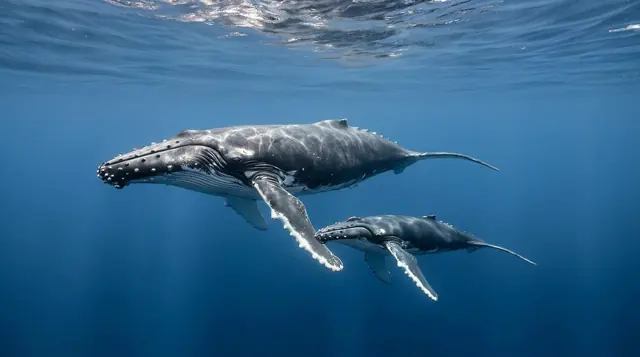
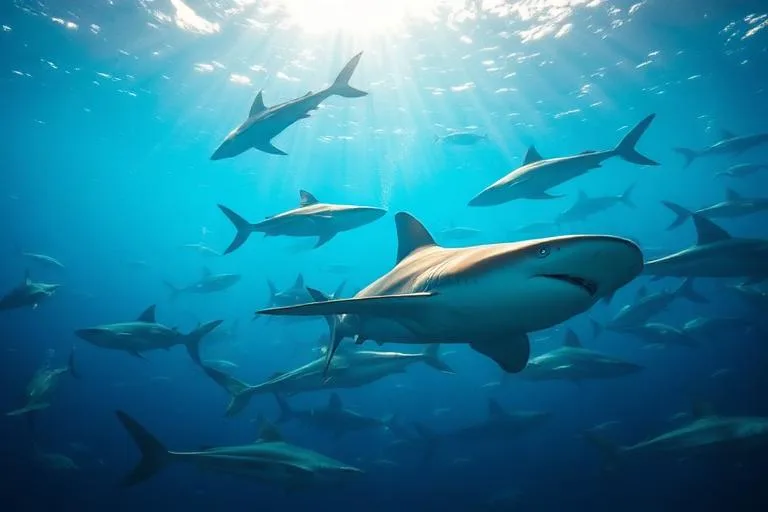
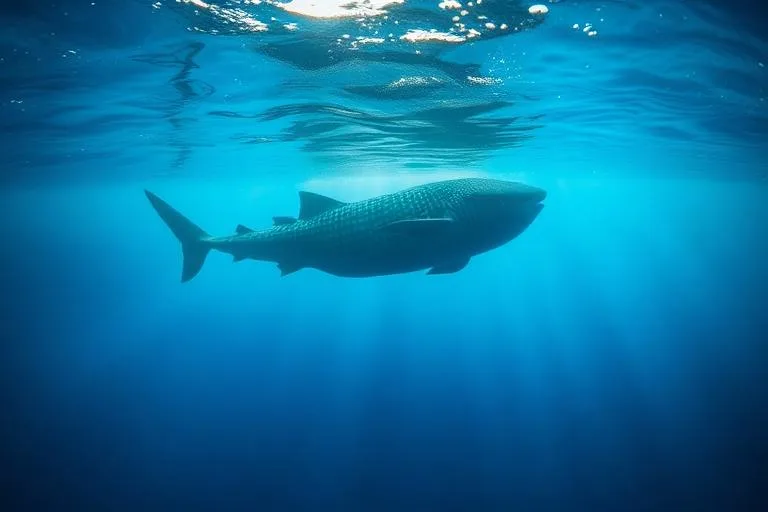

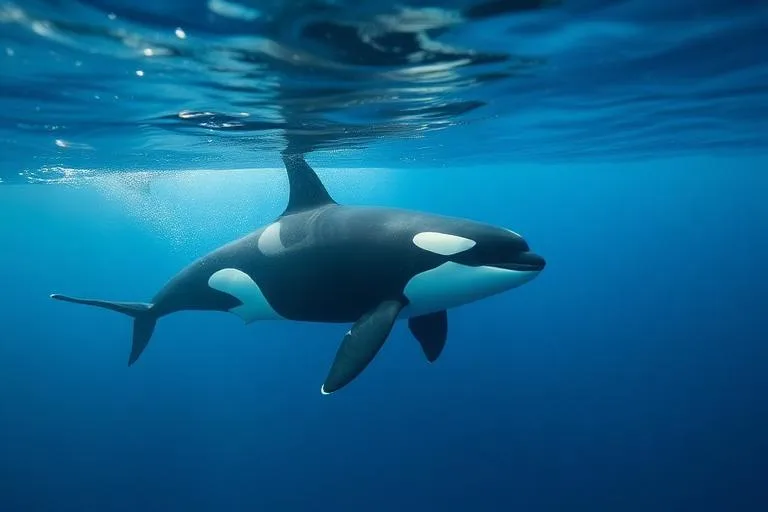
Mammals
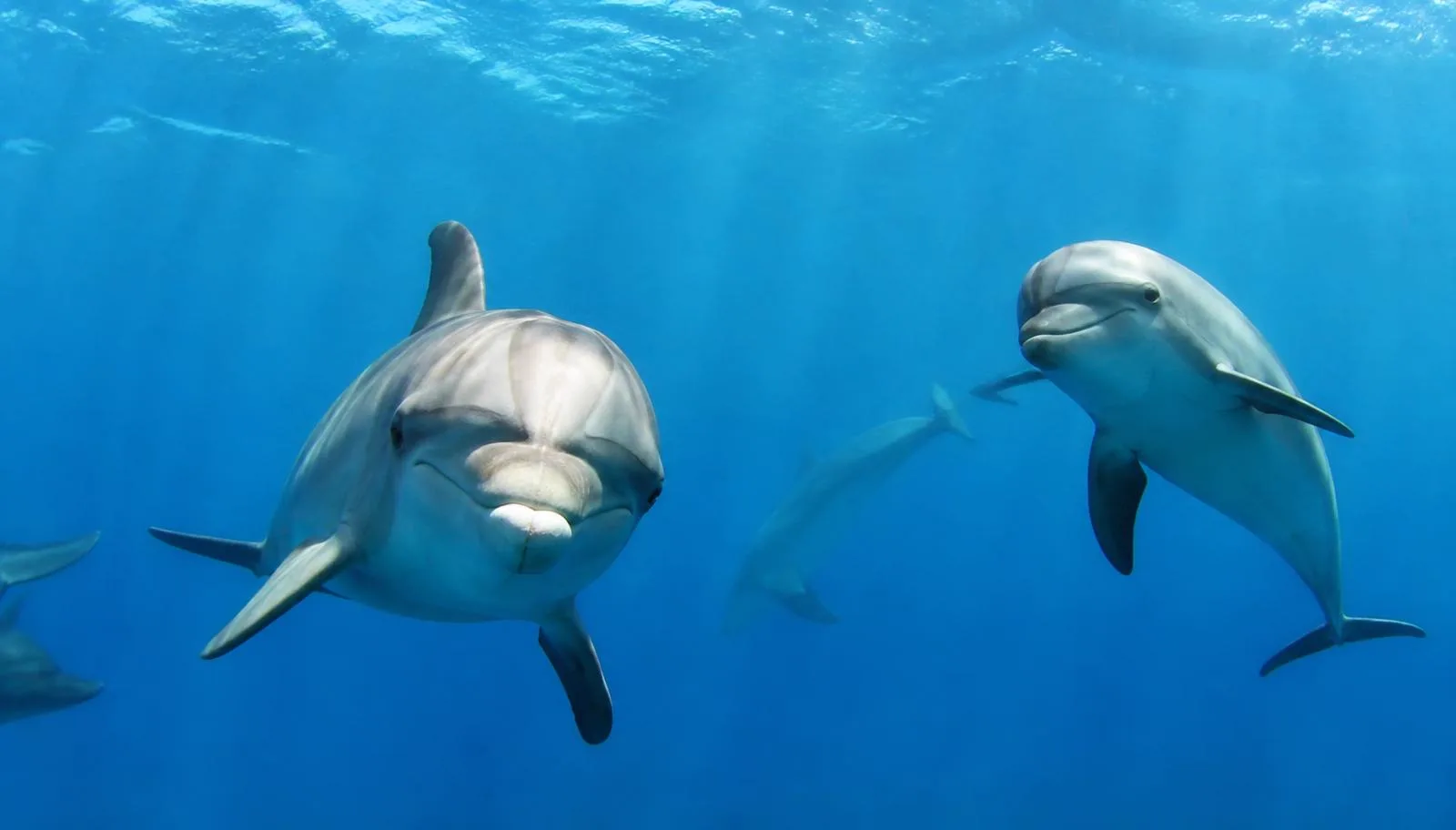
Marine mammals are the encounters most divers remember for life. Whales, dolphins, seals and dugongs are warm-blooded, air-breathing and famously curious, which is why liveaboard trips to Socorro, Tonga, Norway and Antarctica plan whole itineraries around them. Sightings are strongly seasonal and follow migration and breeding cycles, so timing matters more than luck. Tap any species to see where it lives, the best months to dive with it, and which liveaboard destinations offer the highest chance of an encounter.

Antarctic Fur Seal
Arctocephalus gazella

Antarctic Minke Whale
Balaenoptera bonaerensis

Blue Whale
Balaenoptera musculus

Bottlenose Dolphin
Tursiops truncatus

California Sea Lion
Zalophus californianus

Crabeater Seal
Lobodon carcinophaga

Dugong
Dugong dugon

Dwarf Minke Whale
Balaenoptera acutorostrata subsp.

Galápagos Sea Lion
Zalophus wollebaeki

Gray Whale
Eschrichtius robustus
Sharks
Sharks are the headline act of liveaboard diving, from schooling scalloped hammerheads and grey reef sharks to tiger sharks, thresher sharks and oceanic whitetips. Most species gather around remote seamounts, channels and cleaning stations where current brings food, exactly the sites only a liveaboard can reach. Red Sea, Maldives, Galápagos, Cocos and Bahamas each deliver a different shark cast and a different season. Choose a shark below to learn its behaviour, size, preferred depth and the best dive sites and months to see it.

Bamboo Shark
Chiloscyllium spp.

Blacknose Shark
Carcharhinus acronotus

Blacktip Reef Shark
Carcharhinus melanopterus

Blacktip Shark
Carcharhinus limbatus

Blue Shark
Prionace glauca

Bronze Whaler
Carcharhinus brachyurus

Bull Shark
Carcharhinus leucas

Caribbean Reef Shark
Carcharhinus perezi

Catshark
Scyliorhinidae

Epaulette Shark
Hemiscyllium ocellatum
- Galapagos Shark
- Great Hammerhead
- Grey Reef Shark
- Houndshark
- Lemon Shark
- Leopard Shark
- Mako Shark
- Milne Bay Epaulette Shark
- Nurse Shark
- Oceanic Whitetip Shark
- Port Jackson Shark
- Sandbar Shark
- Scalloped Hammerhead
- Silky Shark
- Silvertip Shark
- Spiny Dogfish
- Thresher Shark
- Tiger Shark
- Walking Shark
- Whitetip Reef Shark
- Wobbegong Shark
- Zebra Shark
Rays
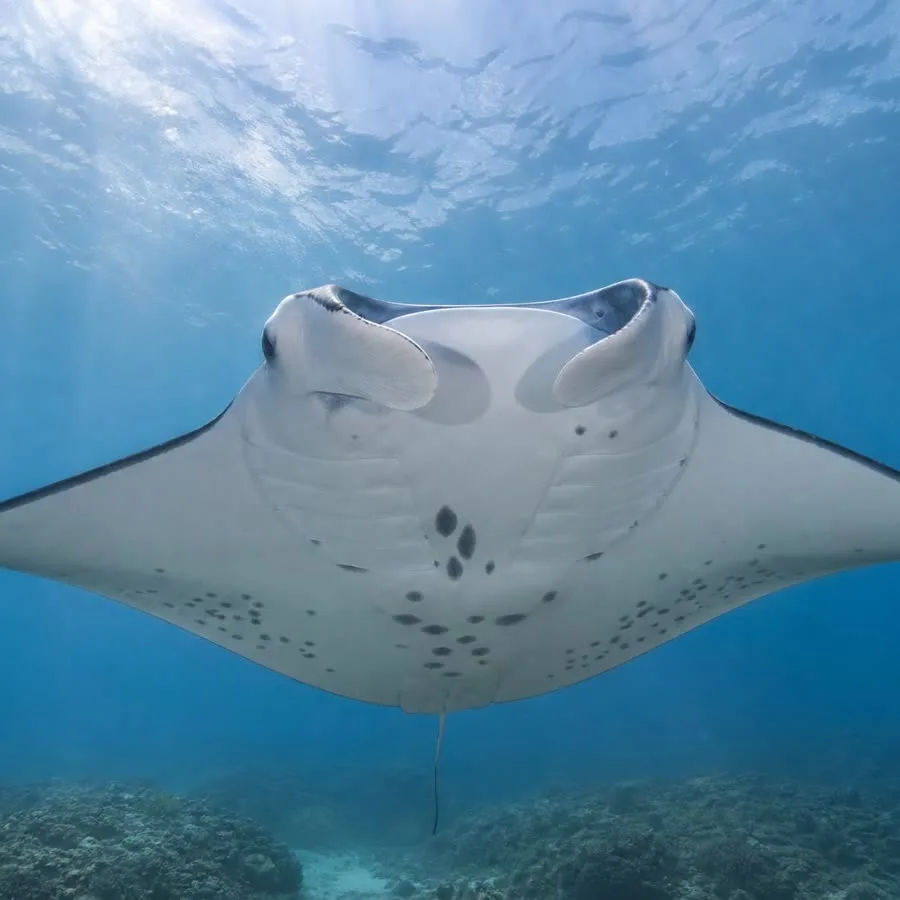
Rays glide over sand flats, reef drop-offs and manta cleaning stations, and few sights beat an oceanic manta with a 6-metre wingspan passing overhead. Manta rays, mobulas, eagle rays and stingrays are all plankton- or bottom-feeders whose movements track currents, moon phases and nutrient blooms. Raja Ampat, Komodo, the Maldives and Revillagigedo are the classic liveaboard destinations for reliable ray action. Pick a species below for identification tips, seasonality and the best liveaboard routes to dive with it.

Blotched Fantail Ray
Taeniurops meyeni

Bluespotted Ribbontail Ray
Taeniura lymma

Bull Ray
Aetomylaeus bovinus

Common Torpedo Ray
Torpedo torpedo

Cownose Ray
Rhinoptera bonasus

Cowtail Ray
Pastinachus sephen

Eagle Ray
Aetobatus narinari

Fiddler Ray
Trygonorrhina fasciata

Golden Cownose Ray
Rhinoptera steindachneri

Guitarfish
Rhinobatos spp. / Glaucostegus spp.
Birds
Seabirds are part of the wildlife experience on polar and remote-island liveaboards, and penguins are the divers' favourite: fast, playful and completely at home underwater. Colonies on Antarctic peninsulas, sub-Antarctic islands and isolated atolls are visited between dives, and their presence often signals bait-rich waters below. Sightings follow strict breeding seasons, so departure dates decide what you see. Select a species to learn its range, breeding window and the expedition liveaboards that reach its colonies.

Adélie Penguin
Pygoscelis adeliae

Brown Noddy
Anous stolidus

Chinstrap Penguin
Pygoscelis antarcticus

Emperor Penguin
Aptenodytes forsteri

Flightless Cormorant
Nannopterum harrisi

Galapagos Penguin
Spheniscus mendiculus

Gentoo Penguin
Pygoscelis papua

King Penguin
Aptenodytes patagonicus

Nazca Booby
Sula granti

Snow Petrel
Pagodroma nivea
Reptiles
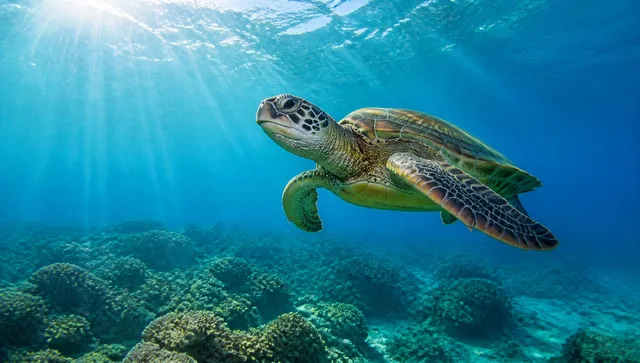
Marine reptiles, green, hawksbill, loggerhead and leatherback turtles plus sea snakes, are among the easiest big animals to find on a dive. Turtles feed on seagrass beds, sponges and reef slopes and often let divers approach quietly, making them a highlight on Red Sea, Indonesia, Malaysia and Great Barrier Reef itineraries. Nesting seasons concentrate numbers at specific sites and months. Tap a species for identification features, conservation status and the liveaboard destinations where encounters are almost guaranteed.

American Saltwater Crocodile
Crocodylus acutus

Banded Sea Snake
Laticauda colubrina

Freshwater Crocodile
Crocodylus johnstoni

Green Turtle
Chelonia mydas

Hawksbill Turtle
Eretmochelys imbricata

Leatherback Turtle
Dermochelys coriacea

Loggerhead Turtle
Caretta caretta

Marine Iguana
Amblyrhynchus cristatus

Olive Sea Snake
Aipysurus laevis

Sea Turtle
Chelonioidea
Fish
Reef and pelagic fish give a dive site its character, from clouds of anthias and schooling barracuda to napoleon wrasse, giant trevally, frogfish and mandarinfish. Macro subjects reward slow, careful diving on muck and coral sites, while big schooling fish gather where current hits reef corners and channels. Indonesia, the Philippines, the Red Sea and Papua New Guinea are the richest liveaboard grounds for fish diversity. Choose a species below to see its typical habitat, size, behaviour and the best months and destinations to dive with it.

Almaco Jack
Seriola rivoliana

Amberjack
Seriola spp.

Anemonefish
Amphiprion spp.

Angelfish
Pomacanthidae

Anglerfish
Lophiiformes

Antarctic Icefish
Champsocephalus gunnari

Anthias
Pseudanthias spp.

Archerfish
Toxotes jaculatrix

Atlantic Spadefish
Chaetodipterus faber

Axillary Seabream
Pagellus acarne
- Azorean Chromis
- Balloonfish
- Banggai Cardinalfish
- Bannerfish
- Barberfish
- Barracuda
- Basslet
- Batfish
- Beaked Leatherjacket
- Bermuda Chub
- Bigeye Trevally
- Black Durgon
- Black Grouper
- Blackbar Soldierfish
- Blackbelly Rosefish
- Blackfin Dartfish
- Blackjack
- Blacktail Comber
- Blanquillo
- Blenny
- Blue Chromis
- Blue Marlin
- Blue Tang
- Bluefin Trevally
- Bluefish
- Bonito
- Boxfish
- Bullseye
- Bumphead Parrotfish
- Butterflyfish
- Cardinalfish
- Chromis
- Clark's Anemonefish
- Cleaner Wrasse
- Clingfish
- Clownfish
- Cobia
- Cockatoo Waspfish
- Coelacanth
- Conger Eel
- Convictfish
- Coris
- Cornetfish
- Cortez Angelfish
- Cowfish
- Creole Wrasse
- Crocodilefish
- Damselfish
- Dartfish
- Denise's Pygmy Seahorse
- Dentex
- Dogtooth Tuna
- Dragonet
- Dusky Grouper
- Emperor Angelfish
- Fire Dartfish
- Firefish
- Flag Cabrilla
- Flame Angelfish
- Flashlight Fish
- Flathead
- Flying Fish
- Flying Gurnard
- Forkbeard
- Foster's Hawkfish
- French Angelfish
- French Grunt
- Frogfish
- Fusilier
- Garden Eel
- Ghost Pipefish
- Giant Grouper
- Giant Hawkfish
- Giant Trevally
- Glassfish
- Glassy Sweeper
- Goatfish
- Goby
- Golden Coney
- Goldspot Seabream
- Goliath Grouper
- Grunt
- Hawkfish
- Helmet Gurnard
- Hogfish
- Honeycomb Trunkfish
- Horse-eye Jack
- Indigo Hamlet
- Jackfish
- King Angelfish
- King Mackerel
- Ladder-finned Pomfret
- Leaf Scorpionfish
- Leafy Seadragon
- Leatherjacket
- Lionfish
- Lizardfish
- Longfin Bannerfish
- Longnose Hawkfish
- Madeira Rockfish
- Mahi-mahi
- Mandarin Fish
- Map Puffer
- Marbled Grouper
- Mola Mola
- Moonlighter
- Moorish Idol
- Moray Eel
- Morwong
- Mosaic Leatherjacket
- Moyer's Dragonet
- Napoleon Wrasse
- Nassau Grouper
- Needlefish
- Neon Damsel
- Old Wife
- Ornate Ghost Pipefish
- Pacific Creolefish
- Parrotfish
- Peacock Flounder
- Pelagic Fish
- Permit
- Pilotfish
- Pink Anemonefish
- Pipehorse
- Porcupinefish
- Porkfish
- Potato Cod
- Pouting
- Pufferfish
- Pygmy Seahorse
- Queen Angelfish
- Queenfish
- Rabbitfish
- Rainbow Runner
- Razorfish
- Red-lipped Batfish
- Reef Fish
- Remora
- Rhinopias
- Ribbon Eel
- Rock Beauty
- Roosterfish
- Sailfish
- Salema
- Sardine
- Scad
- Scorpionfish
- Scrawled Filefish
- Sea Bream
- Sea Moth
- Seahorse
- Sennet
- Sergeant Major
- Sharpnose Puffer
- Shy Hamlet
- Silver Drummer
- Silverside
- Smelt
- Snapper
- Soldierfish
- Spadefish
- Spanish Mackerel
- Splendid Toadfish
- Spotted Drum
- Squirrelfish
- Stargazer
- Stonefish
- Striped Catfish
- Stripey
- Surgeonfish
- Sweetlips
- Tarpon
- Triggerfish
- Triplefin
- Trumpetfish
- Unicornfish
- Velvet Surgeonfish
- Violet Sweep
- Wahoo
- Weedy Seadragon
- Whale Shark
- Yellow-finned Leatherjacket
- Yellowfin Tuna
- Yellowhead Jawfish
- Yellowtail Kingfish
Cephalopods
Cephalopods, cuttlefish, octopus and squid, are the reef's shape-shifters, changing colour and texture in a second to hunt or hide. They are highly intelligent, mostly nocturnal or crepuscular, and are best found on night dives and slow muck dives where a good guide makes all the difference. Lembeh, Anilao, Ambon and South Australia are the classic hunting grounds for photographers. Pick a species below for behaviour, size, camouflage tricks and the liveaboard destinations where sightings are most reliable.

Bobtail Squid
Sepiolidae

Chambered Nautilus
Nautilus pompilius

Cuttlefish
Sepiida

Giant Cuttlefish
Sepia apama

Reef Squid
Sepioteuthis sepioidea

Wonderpus
Wunderpus photogenicus
Invertebrates
Invertebrates are the reason macro divers keep going back: nudibranchs, shrimps, crabs, sea stars and pygmy seahorses turn a single square metre of reef into a whole dive. They live on soft corals, sponges, sand slopes and jetty pylons, and finding them is a matter of patience and a sharp-eyed guide. Indonesia's muck-diving capitals and the Coral Triangle top every macro wish list. Select a species to learn its size, host habitat and the liveaboard itineraries built around critter diving.

34-armed Starfish
Labidiaster annulatus

Arrow Crab
Stenorhynchus seticornis

Barrel Sponge
Xestospongia spp.

Basket Star
Gorgonocephalus spp.

Blue-ringed Octopus
Hapalochlaena lunulata

Blueberry Tunicate
Clavelina moluccensis

Boxer Crab
Lybia tessellata

Bryozoan
Phylum Bryozoa

Caribbean Reef Octopus
Octopus briareus

Caribbean Spiny Lobster
Panulirus argus
- Cave-dwelling invertebrates
- Channel Clinging Crab
- Cleaner Shrimp
- Coleman Shrimp
- Colonial Ascidian
- Coral
- Cowrie
- Crayfish
- Crinoid
- Crinoid Shrimp
- Crustaceans
- Decorator Crab
- Electric Clam
- Feather Star
- Fireworm
- Flabellina
- Flaming File Shell
- Flamingo Tongue Snail
- Flatworm
- Funeral Jorunna
- Giant Clam
- Giant Isopod
- Giant Limpet
- Gorgonian
- Harlequin Shrimp
- Hydroid
- Jellyfish
- Lettuce Sea Slug
- Light-bulb Tunicate
- Mantis Shrimp
- Mimic Octopus
- Nudibranch
- Octopus
- Orangutan Crab
- Painted Tunicate
- Peacock Mantis Shrimp
- Peacock Worm
- Porcelain Crab
- Purple Tunicate
- Queen Conch
- Reef Octopus
- Sea Anemone
- Sea Butterfly
- Sea Cucumber
- Sea Fan
- Sea Hare
- Sea Slug
- Sea Spider
- Sea Squirt
- Sea Star
- Sea Urchin
- Sea Whip
- Soft Coral
- Spanish Dancer
- Spider Crab
- Sponge
- Tambja morosa
- Tube Sponge
- Xenocrab
Other marine life
Some encounters do not fit any neat category, and they are often the ones divers talk about most. This section collects the unusual marine life you can meet on liveaboard trips, from swimming pigs in the Bahamas to rare, one-off sightings on remote itineraries. Each entry explains what the animal is, where it lives and what makes an encounter possible. Choose an entry below for the destinations and seasons where you have the best chance of seeing it.

Kelp
Heterostichus rostratus

Swimming Pig
Sus scrofa domesticus
Plan your trip
Ready to dive with these animals?
Choose a destination or search every available vessel to find the liveaboard that matches the marine life you want to see.