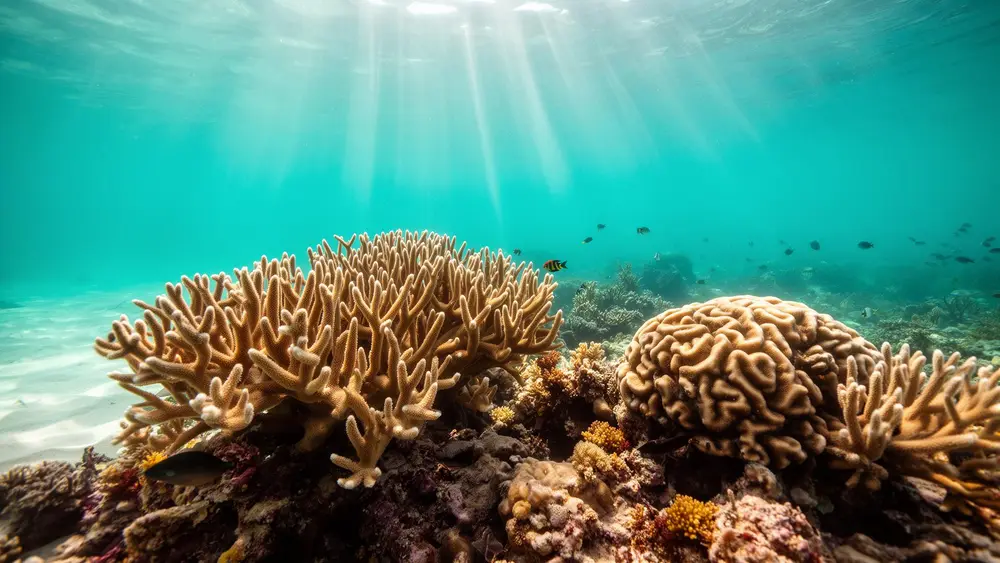
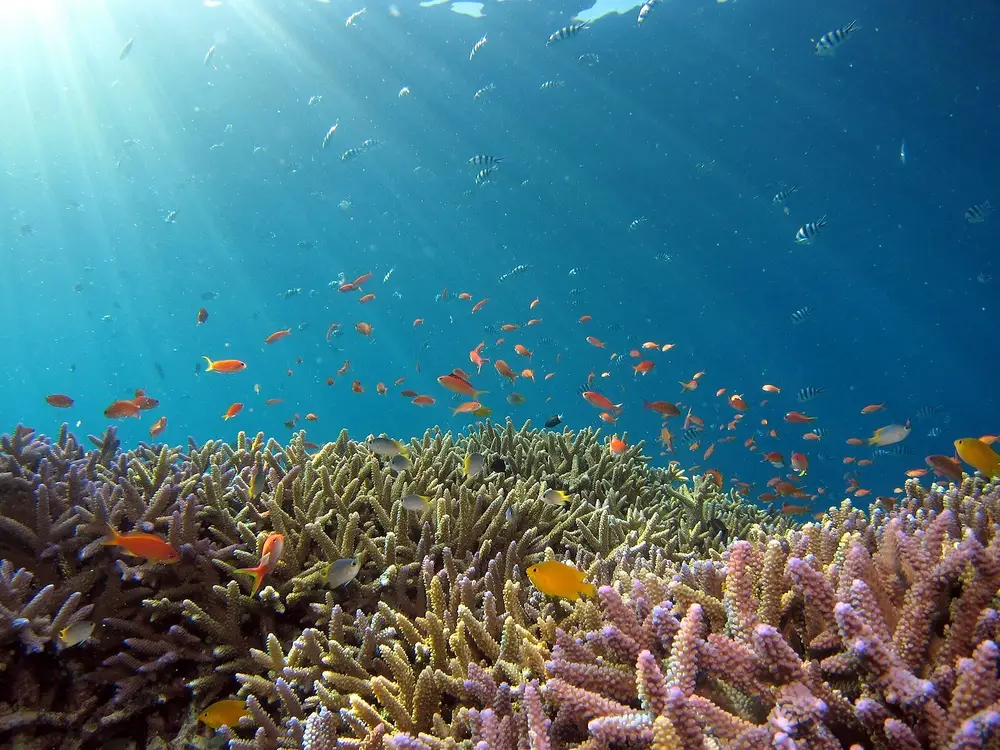
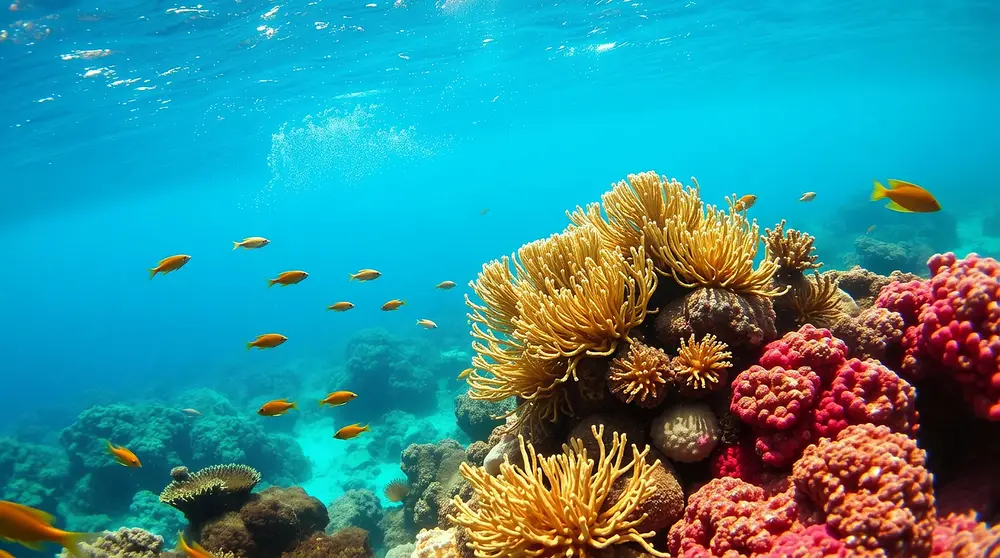
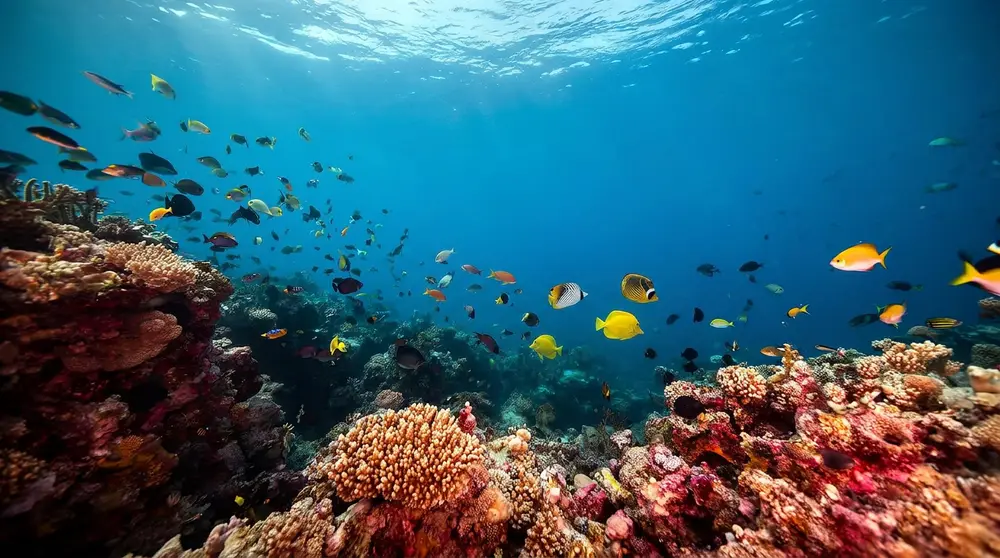
The vibrant ballet of a fusilier school is an unforgettable spectacle for any diver, a shimmering, pulsating ribbon of life often encountered just above healthy reef crests and slopes. These pelagic-neritic fish, belonging to the genus Caesio, are quintessential inhabitants of the open water column, preferring the blue expanse adjacent to coral formations rather than within the intricate reef structure itself. Their distribution spans the vast Indo-Pacific, gracing waters from the Red Sea and East Africa, through the biological hotspot of Southeast Asia, all the way to the Pacific islands, including regions like Samoa. Divers frequently spot them in impressive numbers around outer reef walls, along current-swept passages, and in areas where clear oceanic water meets thriving coral growth. While they can range from the surface down to approximately 60 meters, the most dazzling encounters typically unfold in shallower, well-lit environments, where their colours truly pop. The presence of these graceful swimmers is often a powerful indicator of a robust and flourishing reef ecosystem, testament to the intricate balance of marine life.
Identifying these elegant fish is relatively straightforward once you know what to look for. Generally torpedo-shaped and streamlined, fusiliers boast slender bodies perfectly adapted for swift, continuous swimming. Their colouration varies among the numerous species within the genus, but many display shades of blue, yellow, or pink on their dorsal surfaces, often fading to silvery-white on their bellies. Many species feature distinctive yellow caudal fins (tail fins) or a yellowish stripe running along their flanks, which can be a key identifier. Their mouths are relatively small and upturned, suited for their planktivorous diet. They typically mature to a maximum size of around 50 centimetres, though most individuals encountered by divers will be smaller. Their schooling behaviour is perhaps their most striking characteristic; these aren't just loose aggregations, but highly coordinated units that move with astonishing synchronicity, creating mesmerising formations that shift and undulate with the currents.
Behaviour & reproduction
- Size
- Unknown
- Weight
- 0.3 – 0.7 kg (typical adult)
- Lifespan
- 8 – 12 years
- Status
- Not Evaluated
Reproduction in fusiliers typically involves pelagic spawning, where eggs and sperm are released into the open water column. The fertilised eggs drift with the currents as plankton, developing into larvae that eventually settle near suitable reef habitats. While specific reproductive behaviours are not commonly observed by divers, the sheer numbers of these fish underscore their reproductive success and vital role in the marine food web. They occupy a crucial mid-trophic level, converting plankton biomass into a food source for larger predatory fish, such as jacks, snappers, and groupers, which divers frequently see patrolling the edges of fusilier schools. This makes them a keystone species in many reef systems, linking the microscopic world to the larger predatory fish that are often the highlights of a dive.