Dive sites by type: wrecks, walls, caves & more, Dive Sites

Dive sites by type: wrecks, walls, caves & more

Find your perfect dive, Wrecks, walls, drifts, caves and the big marine life encounters, 15 themes across 2119 dive sites worldwide, ranked and cross-linked to liveaboards.

Choose an experience, not just a destination

Wrecks, drift dives, walls, caves and the great whale encounters, this is the shortcut for divers who already know what kind of diving they want. Every theme links straight to the sites, the countries and the liveaboards that deliver it.

All dive themes

What kind of dive excites you?
From wreck and drift diving to walls, pinnacles, caves and ice, each theme page lists the world's best sites, the seasons and the boats that reach them.
Reef diving Liveaboard Diving1377 dive sites

Reef diving

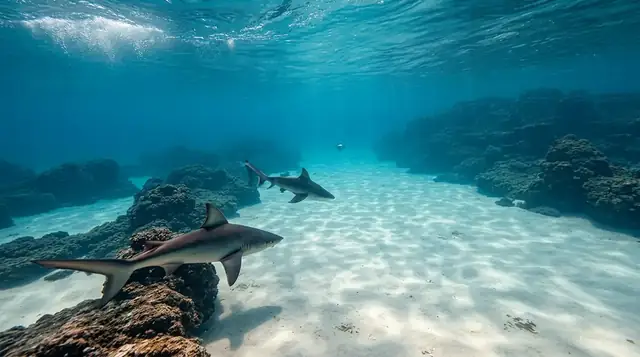
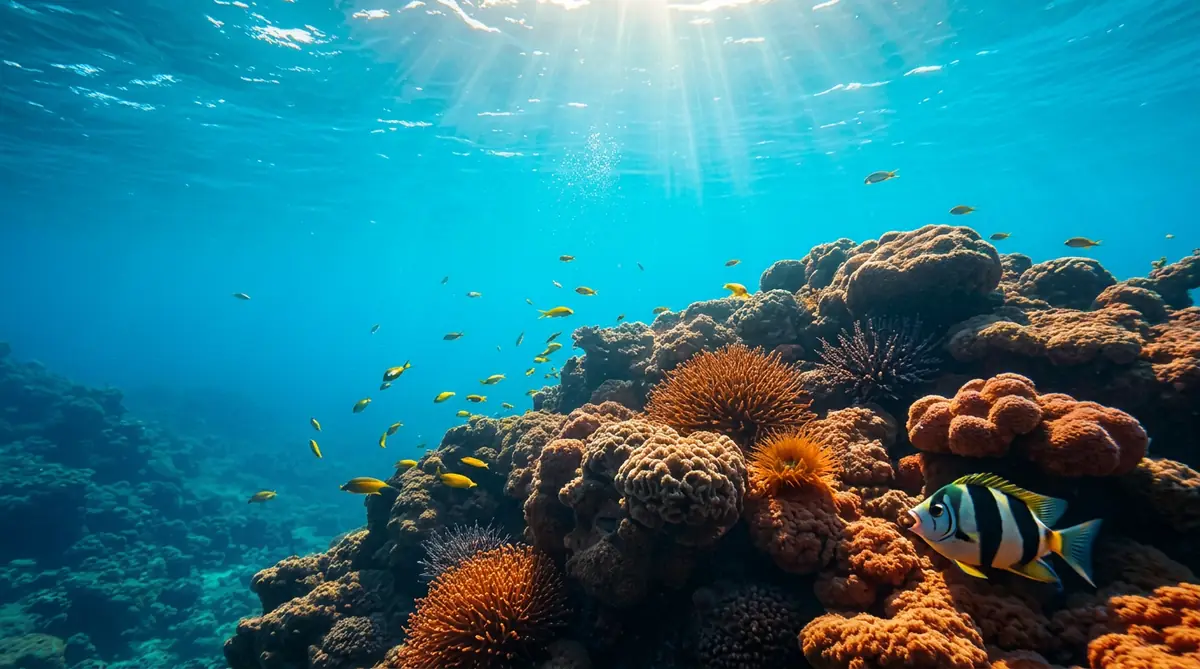
Coral gardens full of life. Reef sharks, turtles, rays and schools.

Wall diving Liveaboard Diving747 dive sites

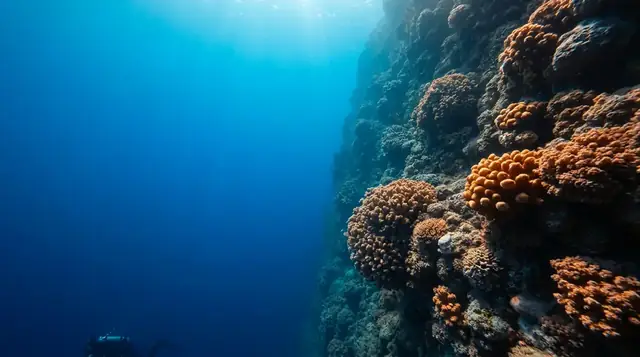
Wall diving

Vertical reefs dropping into blue. Pelagic action with sharks and rays.

Drift diving Liveaboard Diving516 dive sites

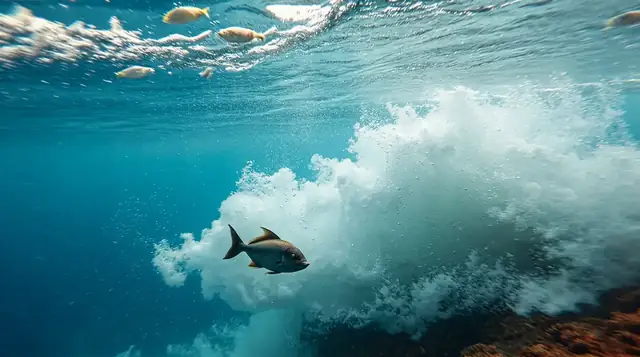
Drift diving

Ride the current along reefs. Fast coral fly-bys with big fish.

Cave diving Liveaboard Diving222 dive sites

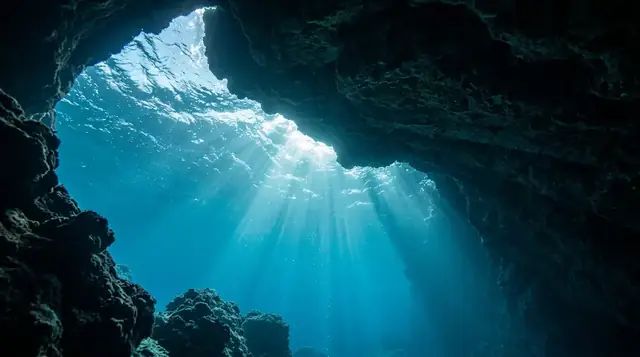
Cave diving

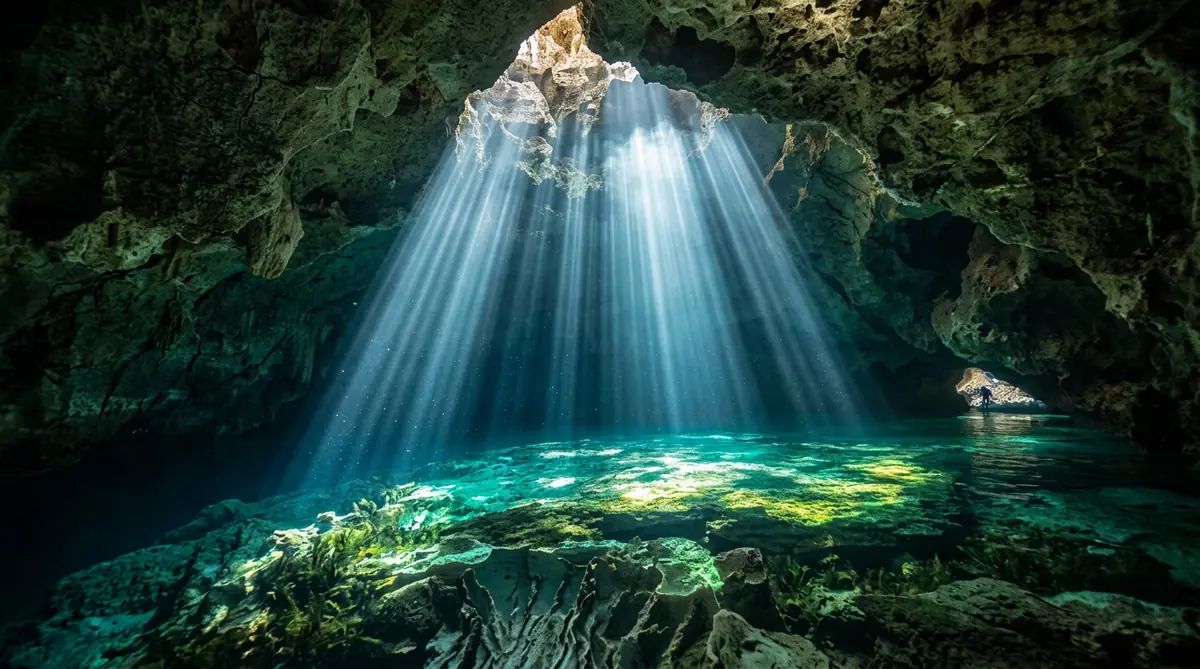
Caverns and overhead environments. Light beams, stalactites and clear water.
Wreck diving Liveaboard Diving211 dive sites

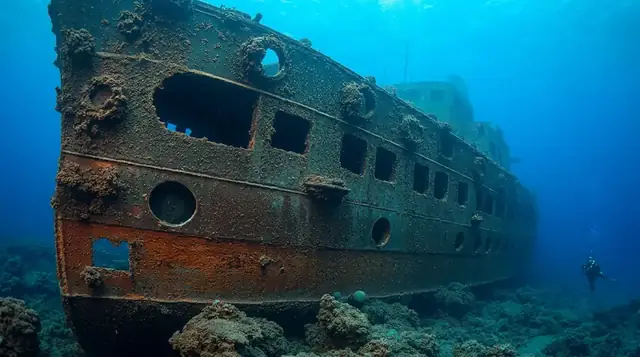
Wreck diving

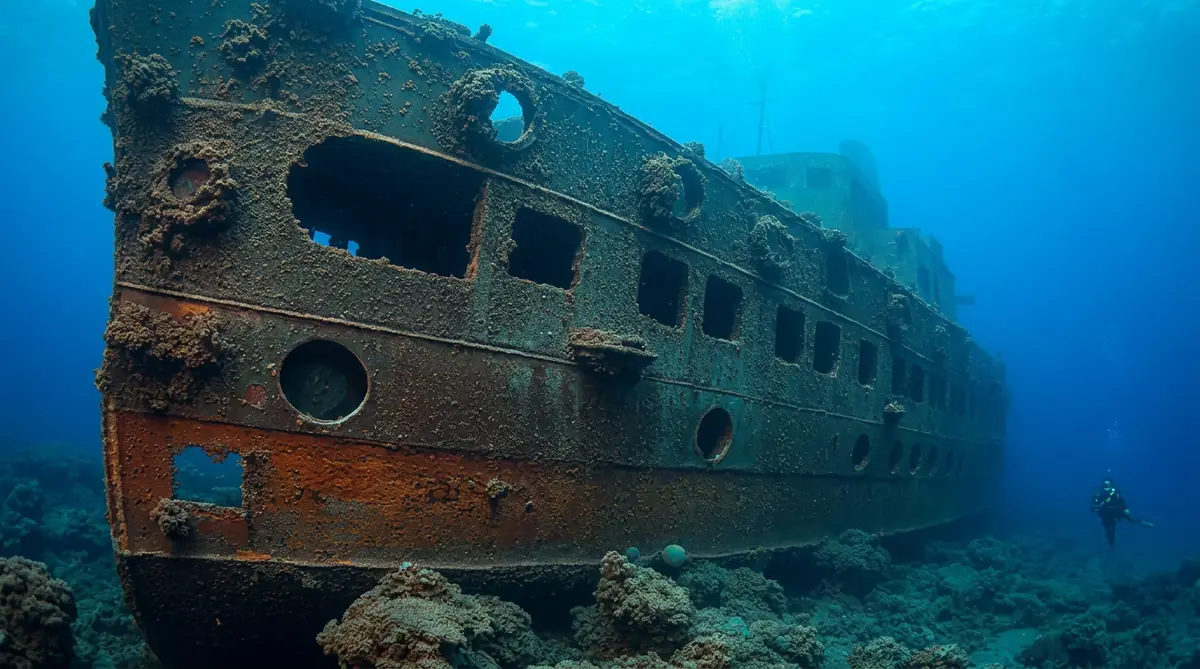
Sunken ships, planes and reefs. History, penetration and encrusted decks.

Pinnacle diving Liveaboard Diving151 dive sites

Pinnacle diving

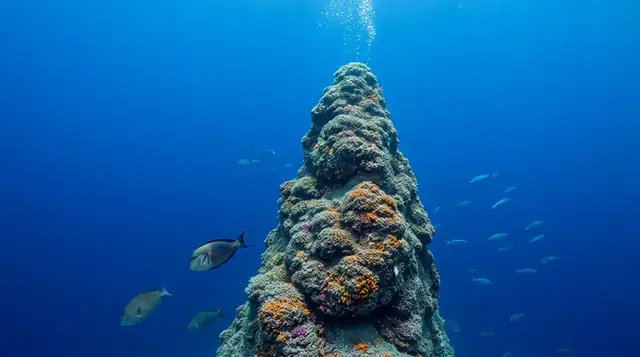
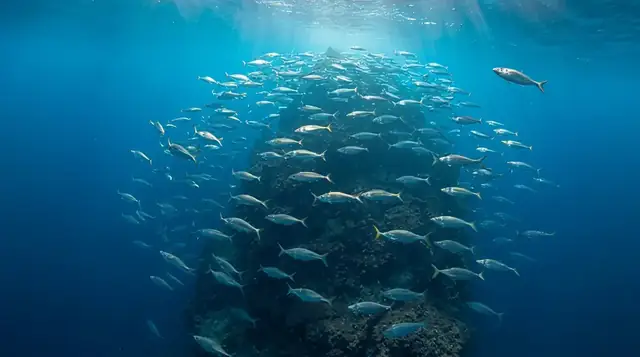
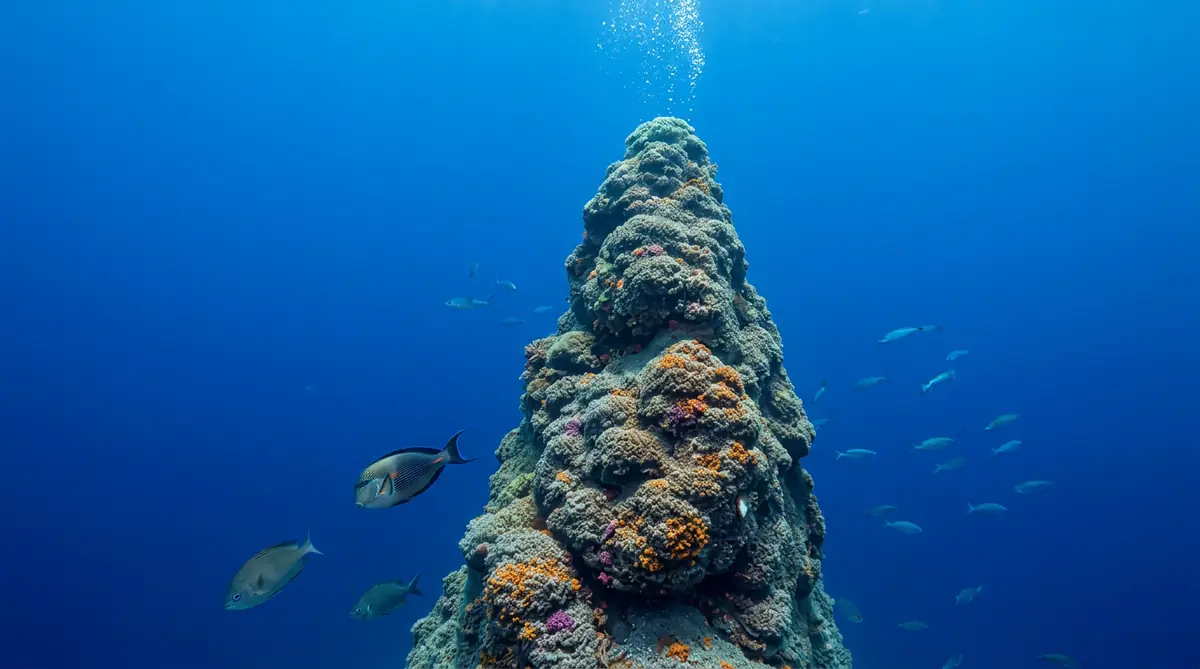
Underwater towers from the seabed. Schooling fish and pelagic visitors.
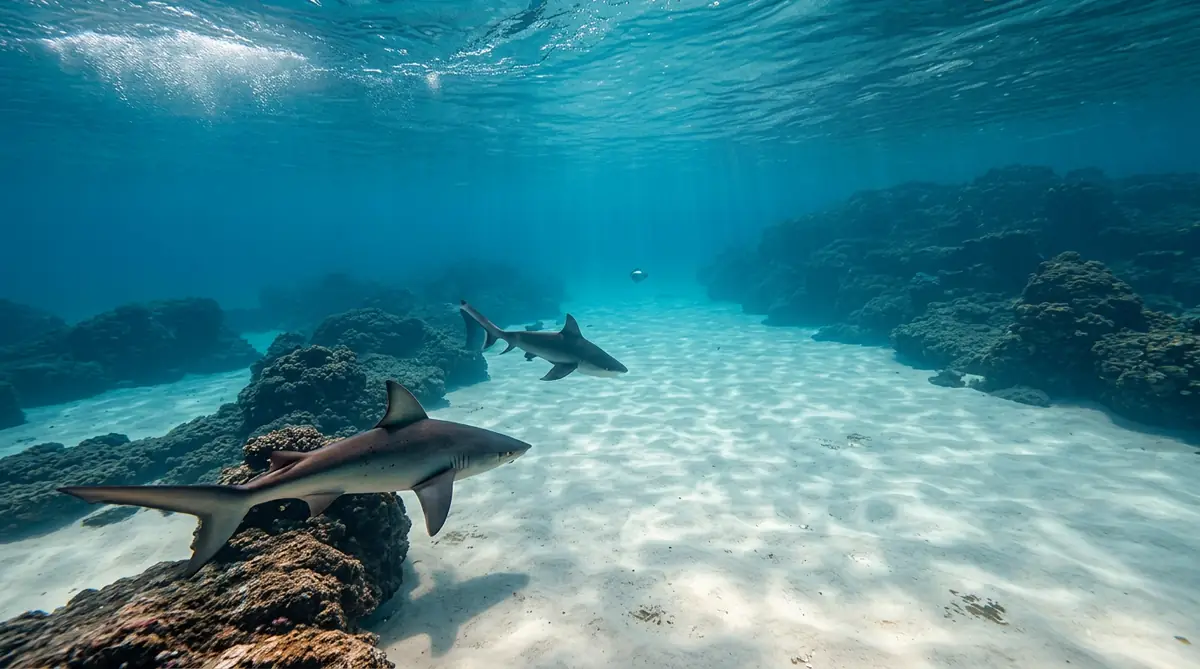
Channel diving Liveaboard Diving63 dive sites

Channel diving

Narrow passes with funneling current. Sharks, rays and trevallies feeding.
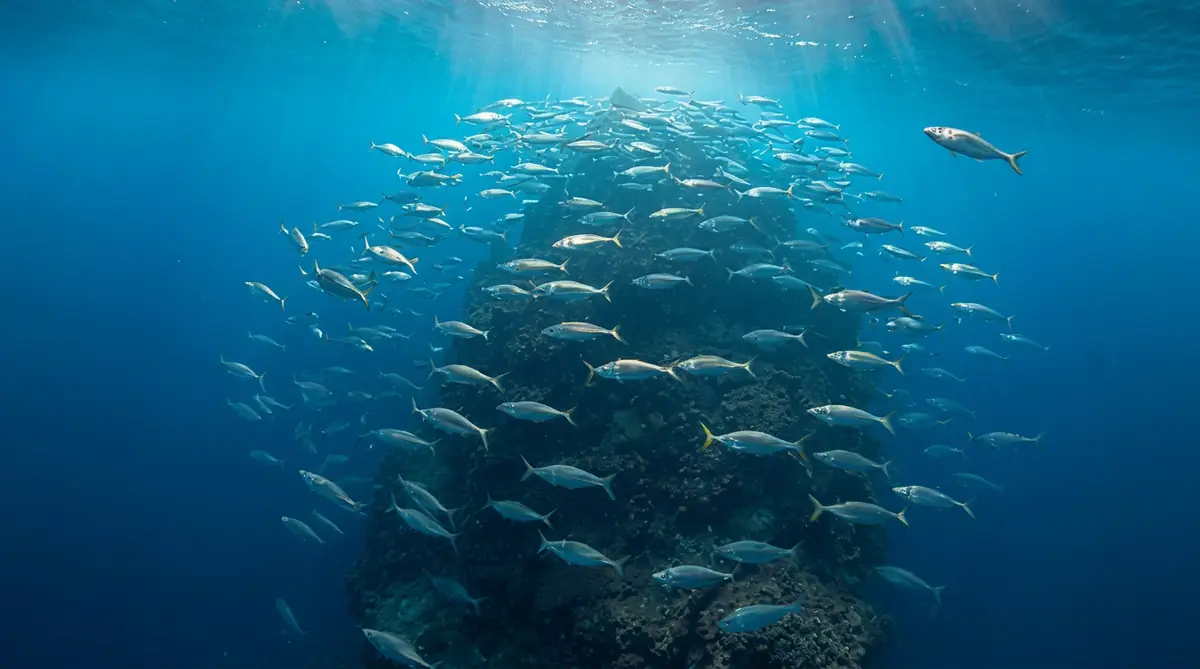
Seamount diving Liveaboard Diving52 dive sites

Seamount diving

Submerged mountains in open ocean. Hammerheads, whale sharks and mantas.
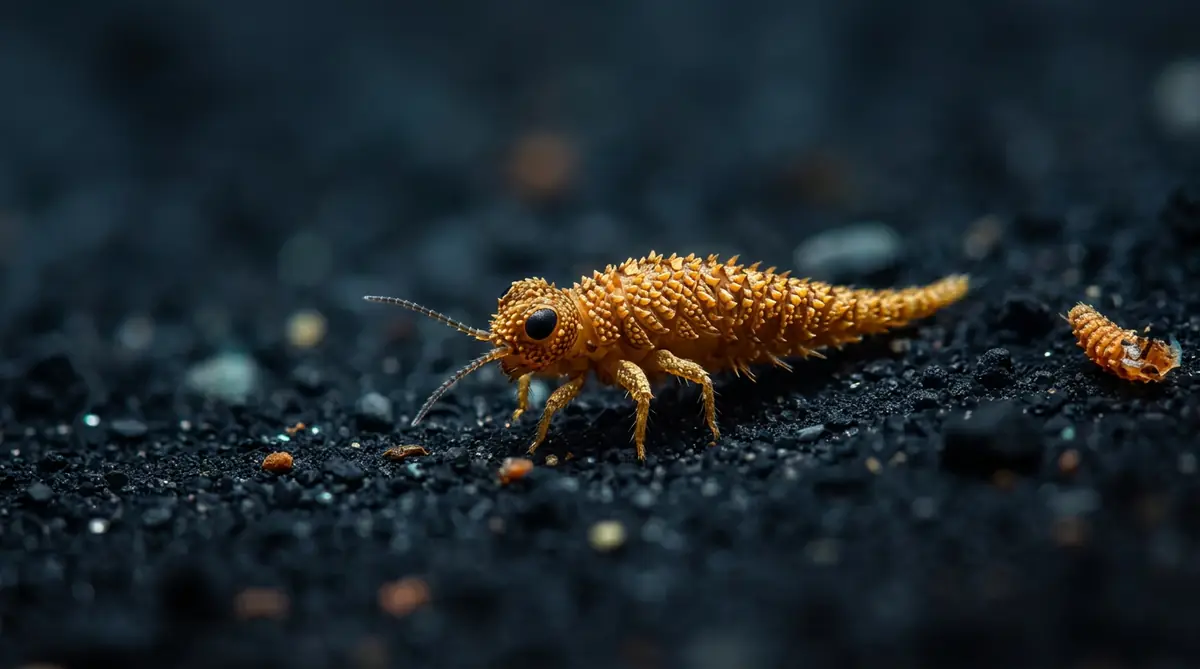
Muck diving Liveaboard Diving46 dive sites

Muck diving

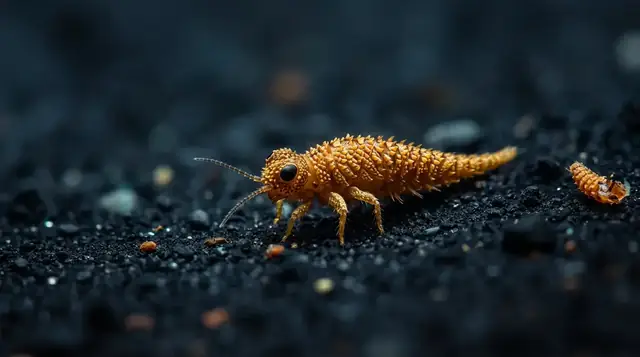
Volcanic sand full of critters. Frogfish, seahorses, nudibranchs, octopus.

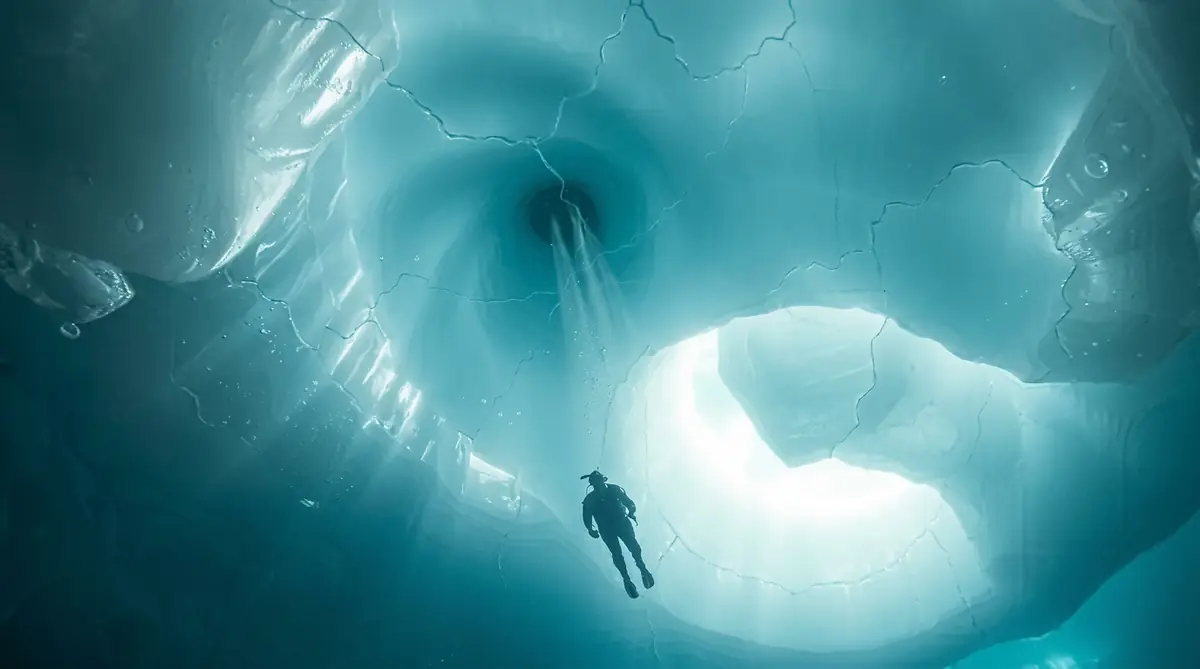
Ice diving Liveaboard Diving20 dive sites

Ice diving

Diving under ice sheets and icebergs. Otherworldly light and cold-water life.

Cenote diving Liveaboard Diving9 dive sites

Cenote diving

Freshwater sinkholes in jungle. Sunlight beams and limestone columns.

Your dive style has a home

Find your dive style in the right country

Cave diving in Mexico, wreck diving in Egypt, drift diving in the Maldives, every combination below opens a curated list of real dive sites, with depth, level, current and the liveaboards that go there.
Reef diving, dive sites worldwide
1377 dive sites

All countries with Reef diving

Coral gardens full of life. Reef sharks, turtles, rays and schools.

Indonesia204 dive sites
Mexico112 dive sites
Australia92 dive sites
Honduras86 dive sites
Cuba61 dive sites
Turkey55 dive sites
Wall diving, dive sites worldwide
747 dive sites

All countries with Wall diving

Vertical reefs dropping into blue. Pelagic action with sharks and rays.

Indonesia116 dive sites
Turkey41 dive sites
Honduras39 dive sites
Bahamas38 dive sites
Cuba35 dive sites
Philippines33 dive sites
Drift diving, dive sites worldwide
512 dive sites

All countries with Drift diving

Ride the current along reefs. Fast coral fly-bys with big fish.

Indonesia117 dive sites
Maldives58 dive sites
Mexico47 dive sites
Fiji30 dive sites
Egypt26 dive sites
French Polynesia24 dive sites
Wreck diving, dive sites worldwide
204 dive sites

All countries with Wreck diving

Sunken ships, planes and reefs. History, penetration and encrusted decks.

Bahamas23 dive sites
Egypt21 dive sites
Turkey20 dive sites
Papua New Guinea15 dive sites
Indonesia12 dive sites
Mexico12 dive sites
Cave diving, dive sites worldwide
183 dive sites

All countries with Cave diving

Caverns and overhead environments. Light beams, stalactites and clear water.

Turkey26 dive sites
Bahamas20 dive sites
Indonesia19 dive sites
Mexico15 dive sites
Australia14 dive sites
Egypt11 dive sites
Pinnacle diving, dive sites worldwide
134 dive sites

All countries with Pinnacle diving

Underwater towers from the seabed. Schooling fish and pelagic visitors.

Thailand22 dive sites
Maldives19 dive sites
Indonesia16 dive sites
Costa Rica15 dive sites
Mexico11 dive sites
Fiji10 dive sites
Channel diving, dive sites worldwide
47 dive sites

All countries with Channel diving

Narrow passes with funneling current. Sharks, rays and trevallies feeding.

Maldives18 dive sites
Indonesia12 dive sites
French Polynesia8 dive sites
Micronesia3 dive sites
Mexico3 dive sites
Fiji3 dive sites
Seamount diving, dive sites worldwide
44 dive sites

All countries with Seamount diving

Submerged mountains in open ocean. Hammerheads, whale sharks and mantas.
Indonesia16 dive sites
Papua New Guinea7 dive sites
Mexico6 dive sites
Costa Rica5 dive sites
Portugal5 dive sites
Fiji5 dive sites
Muck diving, dive sites worldwide
42 dive sites

All countries with Muck diving

Volcanic sand full of critters. Frogfish, seahorses, nudibranchs, octopus.

Indonesia27 dive sites
Papua New Guinea7 dive sites
Philippines5 dive sites
Australia3 dive sites
Ice diving, dive sites worldwide
20 dive sites

All countries with Ice diving

Diving under ice sheets and icebergs. Otherworldly light and cold-water life.
Antarctica20 dive sites
Cenote diving, dive sites worldwide
7 dive sites

All countries with Cenote diving

Freshwater sinkholes in jungle. Sunlight beams and limestone columns.

Mexico7 dive sites

Types of diving explained

What are the different types of diving?

Drift, wreck, cave, wall, muck or ice, each type of diving asks for different skills, gear and nerves. Here is what every style actually feels like and what you need to do it safely.
What is drift diving?
Drift diving means letting the current carry you along a reef, wall or channel instead of swimming against it. The boat follows your bubbles or your surface marker buoy and picks you up wherever you surface. It is the most effortless way to cover a lot of reef, and the reason places like the Maldives, Cozumel and Komodo deliver so many big-animal encounters. You need good buoyancy, a deployable SMB and the discipline to stay with your guide.
What is wreck diving and do I need a certification?
Wreck diving is exploring sunken ships, planes or artificial reefs. Swimming around the outside of a wreck is open to most certified divers, many operators ask for Advanced Open Water because wrecks often sit between 18 and 40 metres. Going inside (penetration) is an overhead environment: it requires a wreck specialty, a reel and line, redundant lights and, on deeper wrecks, technical training.
Do I need a certification for cave and cenote diving?
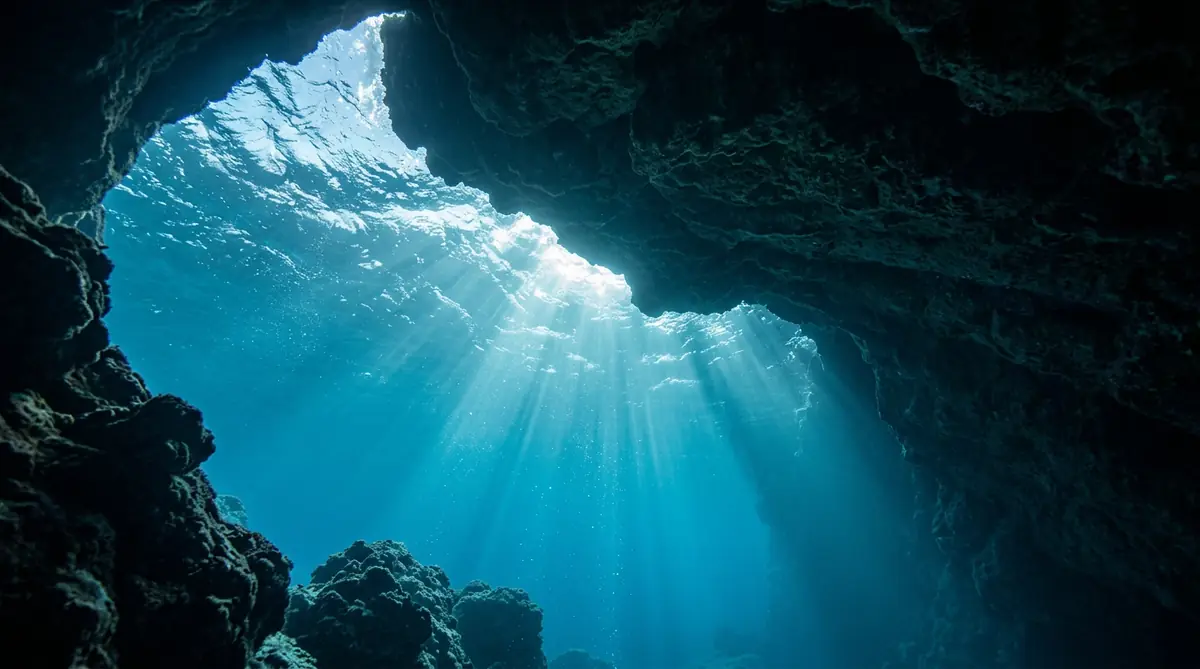
Yes. Cavern dives, where daylight is always visible and you stay within roughly 60 metres of the entrance, can be done with an Open Water or Advanced certification and a qualified cavern guide. Full cave diving beyond the daylight zone requires a dedicated cave certification, guideline skills, redundant gas and lights. Never enter an overhead environment without that training.
What is wall diving?
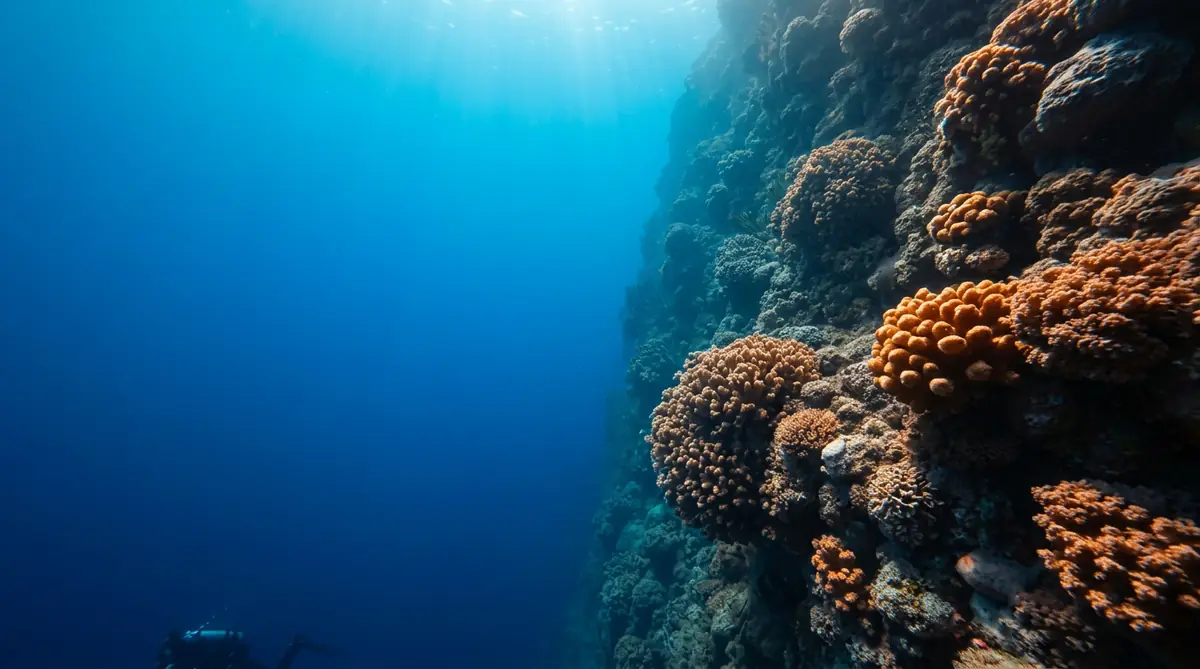
A wall dive follows a vertical drop-off where the reef falls away into deep blue water. You fly along the wall at your chosen depth while soft corals, sponges and gorgonians hang out into the current, and pelagics cruise past in the blue. Excellent buoyancy control and a close eye on your depth gauge matter, the bottom gives no visual reference to stop your descent.
What is muck diving?
Muck diving takes place over black sand, silt and rubble slopes rather than pretty coral. It looks unremarkable until you slow down: this is where blue-ringed octopus, frogfish, mimic octopus, rhinopias and dozens of nudibranch species live. Perfect buoyancy is essential, because a single fin kick can silt out the site for everyone.
What is the difference between reef and pinnacle diving?
A reef dive follows a coral structure that is more or less attached to a coastline or atoll rim, usually with gentle profiles. A pinnacle or seamount rises out of deep water, currents wrap around it, plankton concentrates and big fish gather. Pinnacles are more exposed, often deeper and demand better current skills, but they are where sharks, mantas and schooling jacks show up.
What certification level do I need for each type of diving?
Open Water covers shallow reef, easy wall and beginner muck sites to 18 metres. Advanced Open Water opens deep reef, most exterior wreck dives and drift diving to 30 metres. Specialties add wreck penetration, cavern and nitrox. Technical training (decompression procedures, trimix, sidemount) is what deep wrecks below 40 metres and full cave systems require.
Is nitrox worth it for these dive types?
For repetitive dives between 18 and 30 metres, which is exactly what wreck, wall and liveaboard reef diving look like, enriched air nitrox meaningfully extends your no-decompression limits and shortens surface intervals. It does not let you go deeper: the oxygen content lowers your maximum operating depth, so plan the mix for the site.
Which type of diving is best for beginners?
Sheltered reef, shore-access sites and shallow artificial wrecks are the friendliest starting points: little current, good light and an easy exit. Muck diving is also beginner-friendly once your buoyancy is solid. Save strong drift channels, deep wrecks and any overhead environment for after 30 to 50 logged dives and the matching specialty.
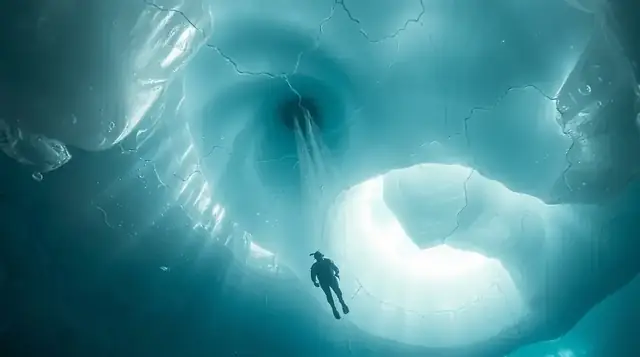
What is ice diving?
Ice diving is diving under a frozen surface through a cut hole, always tethered to a line and a surface team. It needs a drysuit, cold-water regulators, an ice diving certification and a strict safety protocol, and it rewards you with astonishing light, glass-clear water and encounters like leopard seals in Antarctica.
What is channel diving and why is it so productive?
A channel is the gap where an atoll or lagoon exchanges water with the open ocean, so every tide pushes a huge volume of plankton-rich water through a narrow gate. That concentration is why channels in the Maldives, Fakarava and Palau hold grey reef sharks, schooling jacks and mantas on cleaning stations. You dive them on the incoming tide, drop precisely, hook or hold on the reef edge and drift out when the show ends, good current skills and an SMB are non-negotiable.
Do I need a liveaboard for these dive types?
For remote wreck clusters, oceanic seamounts and atoll channels, yes, day boats simply cannot reach them within a reasonable surface interval. Truk Lagoon, the northern Red Sea wrecks, Raja Ampat, the Galápagos and Socorro are effectively liveaboard-only. Coastal wrecks, cenotes and most muck sites are perfectly divable from shore or a day boat.
Plan your trip

Ready to dive these sites?

Choose a destination or search every available vessel to find the liveaboard that dives the sites you want to see.