Ice diving: the best dive sites worldwide
20 dive sites1 country1 region18 liveaboard-only sites

Ice diving: the best dive sites worldwide

Ice diving is glass-clear water under an ice ceiling — from White Sea to Antarctic Peninsula. Compare the best Ice dive sites worldwide with depth, current, certification level and best season, plus the liveaboard itineraries that actually dive them.

What makes Ice diving special

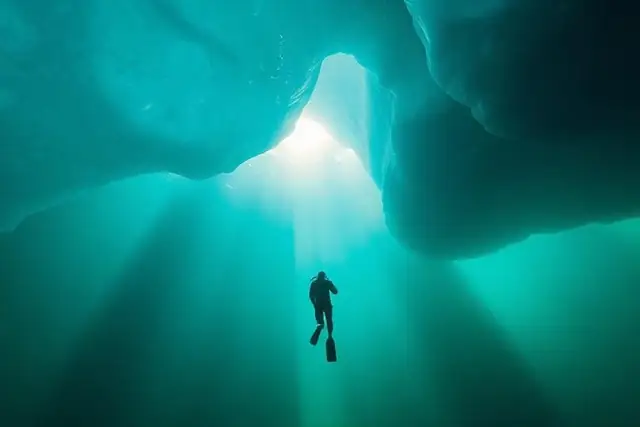
Ice diving means entering the water through a hole cut into a frozen surface, tethered to a safety line. It demands dry-suit experience and special training, and rewards you with glass-clear water and surreal light.

Ice diving is one of the most rewarding ways to read the ocean. Every site layers history, marine life and a unique atmosphere — from shallow, coral-encrusted shore wrecks to deep, current-swept war graves.

Some wrecks are protected museums, others are artificial reefs bursting with schools, predators and macro critters. Depth and current vary widely, so there is usually a wreck for every certification level — as long as you respect its limits.
Signature sites

Iconic ice dives

The absolute classics every diver has heard of — and the liveaboards that reach them.
© Esri — Maxar, Earthstar, GIS

Foyn Harbour

Antarctica

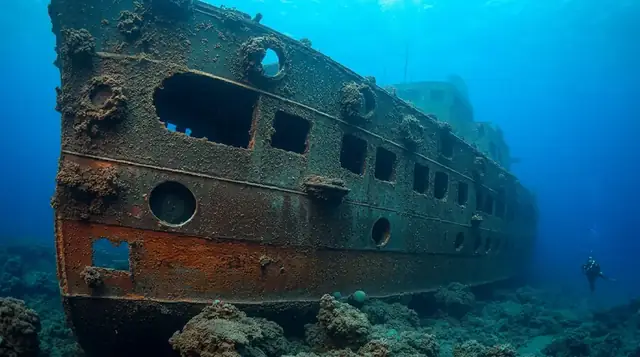
Foyn Harbour, situated off the coast of the Antarctic Peninsula, offers a truly unique underwater experience, primarily centered around the wreck of the 'Gouvernøren'.

Suitable for
Advanced
Current
Mild
Access
Liveaboard only
Depth
5–15 m
Theme
Ice / Wreck
© Esri — Maxar, Earthstar, GIS

Petermann Island lies just south of the Lemaire Channel in Graham Land, Antarctica, making it a critical site for wildlife and an extreme diving destination.

Suitable for
Expert
Current
Strong
Access
Liveaboard only
Depth
3–18 m
Theme
Ice / Wall
© Esri — Maxar, Earthstar, GIS

Lemaire Channel

Antarctica

Lemaire Channel, a narrow passage between the Antarctic mainland and Booth Island, presents a truly majestic and impressive dive experience.

Suitable for
Advanced
Current
Strong
Access
Liveaboard only
Depth
5–30 m
Theme
Ice / Wall
© Esri — Maxar, Earthstar, GIS

Wilhelmina Bay

Antarctica

Wilhelmina Bay, nestled in the Antarctic Peninsula, is renowned as a prime location for observing humpback whales and experiencing the continent's pristine marine environment.

Suitable for
Advanced
Current
Moderate
Access
Liveaboard only
Depth
5–20 m
Theme
Ice / Wall
© Esri — Maxar, Earthstar, GIS

The Iceberg Graveyard near Pleneau Island in Antarctica is a unique dive site renowned for its congregation of grounded icebergs.

Suitable for
Expert
Current
Strong
Access
Liveaboard only
Depth
5–20 m
Theme
Ice / Wall
© Esri — Maxar, Earthstar, GIS

Danco Island

Antarctica

Danco Island, located in the Errera Channel off the Antarctic Peninsula, presents an unparalleled cold-water diving experience.

Suitable for
Intermediate
Current
Moderate
Access
Liveaboard only
Depth
3–12 m
Theme
Ice / Reef

Editorial ranking

Top 15 ice dives worldwide

Our editorial top 15, based on how often each site appears in published best-of rankings, dive guides and operator reports.

From bucket-list classics to lesser-known gems, these sites cover the full range of experience levels and conditions.

Compare depth, current, access and the liveaboards that reach each site to plan your next underwater adventure.

© Esri — Maxar, Earthstar, GIS
1

Diving in the Antarctic Peninsula offers an unparalleled adventure into a remote, extreme environment, revealing an ecosystem thriving beneath the ice.

Suitable for
Expert
Current
Moderate
Access
Liveaboard only
Depth
5–25 m
Theme
© Esri — Maxar, Earthstar, GIS
2

The Iceberg Graveyard near Pleneau Island in Antarctica is a unique dive site renowned for its congregation of grounded icebergs.

Suitable for
Expert
Current
Strong
Access
Liveaboard only
Depth
5–20 m
Theme
Ice / Wall

Season

Best season for Ice diving

Seasons change by region, but these windows reliably deliver the calmest seas and the best visibility for Ice diving. Compare water temperature, surface conditions and the liveaboard routes that run during each peak season.
Ice diving in the polar regions

Polar

November – March (Antarctic) · June – September (Arctic)

J
F
M
A
M
J
J
A
S
O
N
D
ExcellentGoodOff-season

The Antarctic season runs through the austral summer; Arctic ice diving in Svalbard and Greenland peaks in the boreal summer.

Water −1 to +2 °C · visibility 10–30 m · drysuit, redundant regulators and ice training mandatory.

Plan ahead

Good to know

Ice diving mixes unforgettable moments with real planning decisions — depth, current, certification and the right season all matter. Here is what experienced divers check before booking a liveaboard trip.

  1. Water temperature

    Between −1 and +2 °C. Everything about the dive — gear, duration, gas, gloves — is dictated by the cold.

  2. Certification

    Drysuit certification is compulsory, ice diver training strongly expected, and expedition operators typically require 30–50 logged cold-water dives.

  3. Regulators

    Two completely independent cold-water-rated first stages with environmental sealing. Free-flow at −1 °C is a genuine risk.

  4. Dive duration

    Plan 20–30 minutes. Hands and face limit the dive long before your gas does.

  5. Depth

    Most polar dives stay above 20 m — the light, the ice sculpture and the life are all in the top layer.

  6. Overhead ice

    Diving under fast ice is an overhead environment: tended line, surface team and a clear hole protocol are non-negotiable.

  7. Marine life

    Leopard and crabeater seals, penguins torpedoing past, kelp forests, giant isopods, sea stars, anemones and jellyfish under the ice.

  8. The icebergs

    The underwater architecture of an iceberg — blue walls, flutes and caverns — is the real subject. Never dive close to an unstable berg.

  9. Surface logistics

    Zodiac operations in swell, wet gear in freezing air and short weather windows. Physical fitness matters as much as dive skill.

  10. Getting there

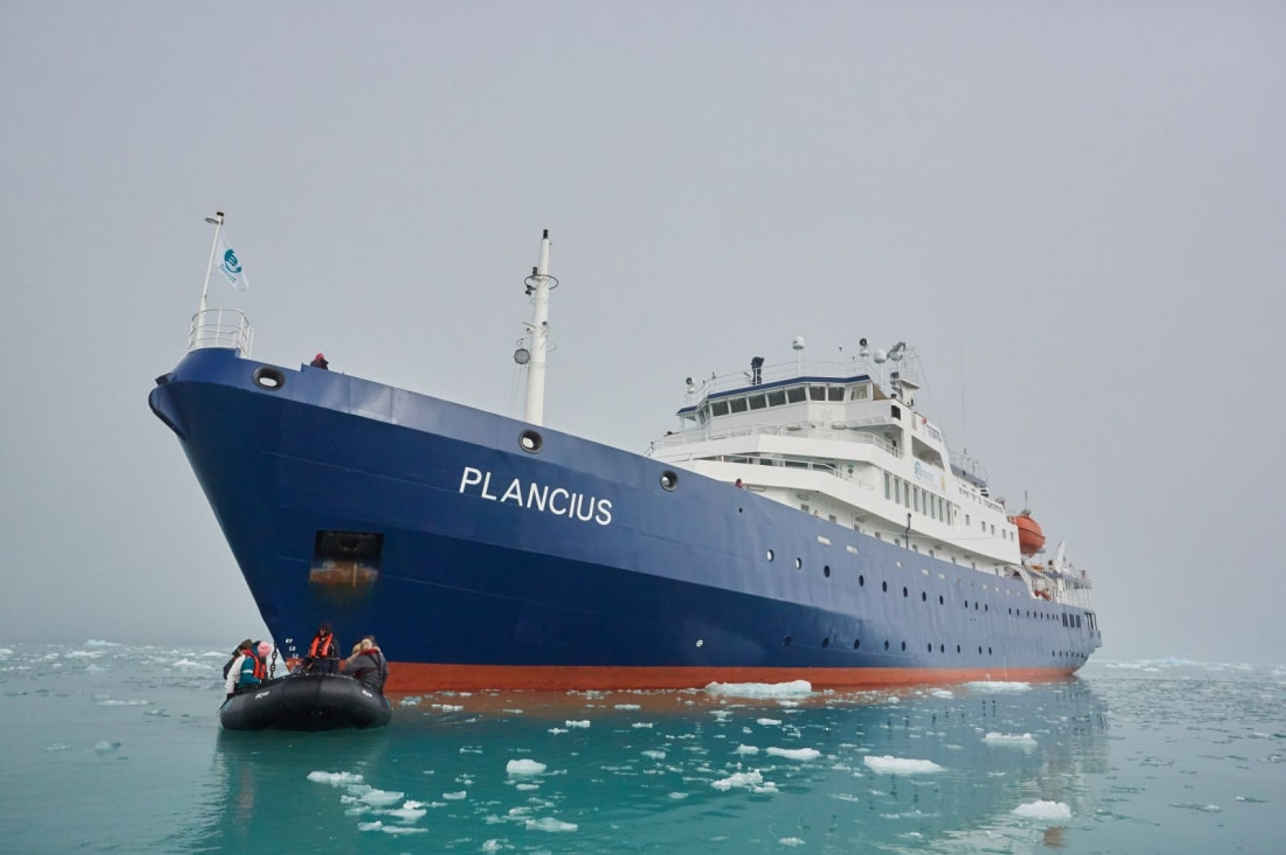
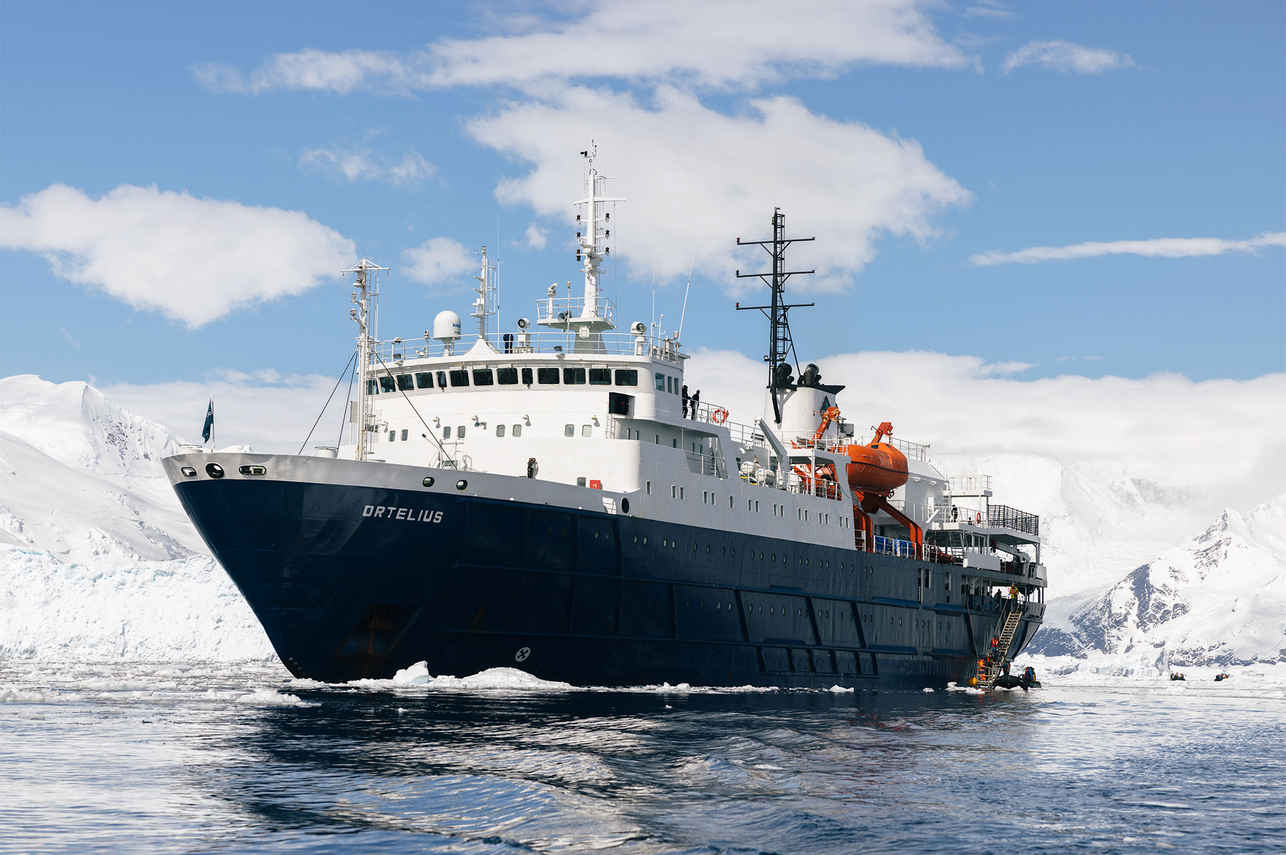
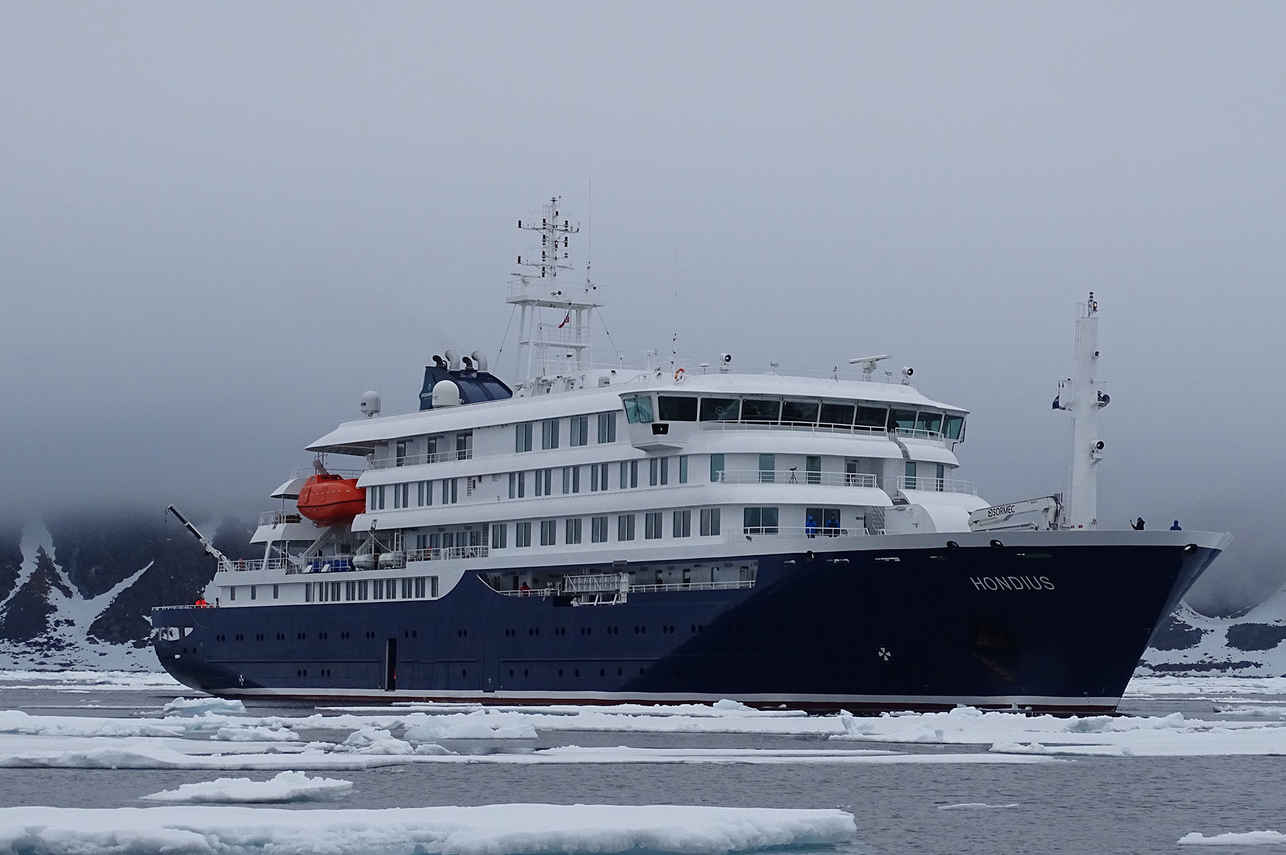
    Exclusively expedition-vessel territory: Antarctic Peninsula trips from Ushuaia, Arctic trips from Svalbard or Greenland.

By country

Find your ice dives by country

Pick the country you have always dreamed of and see all ice dives waiting for you there.

Depths, currents, best season and the liveaboards that actually dive them — all in one place.

20 dive sites

Antarctica

avg 20 m · level Advanced · current Strong

By region

Find your ice dives by region

Pick the region you have always dreamed of and see all ice dives waiting for you there.

Depths, currents, best season and the liveaboards that actually dive them — all in one place.

Ice diving in the polar regions20 dive sites

Polar

avg 20 m · level Advanced · current Strong

Liveaboards for Ice diving

Search boats built around Ice diving and compare departures.

FAQ

FAQ: Ice diving

What certification do I need for ice diving?
Drysuit certification is mandatory and an ice diver specialty is strongly recommended. Polar expedition operators usually also require a minimum of 30–50 logged cold-water dives.
How cold is the water?
Between −1 and +2 °C in Antarctica and the high Arctic. That dictates a drysuit, thick undergarments, dry gloves or a hood system and cold-water-rated regulators.
How long do polar dives last?
Typically 20–30 minutes. Extremities, not gas supply, set the limit — and short dives are the safe standard in expedition diving.
What will I see under the ice?
Leopard and crabeater seals, penguins, sculpted iceberg walls, kelp, sea stars, anemones, giant isopods and remarkably clear, blue-tinted water.
Is ice diving dangerous?
It is demanding but well managed by expedition teams: redundant regulators, tended lines under fast ice, short profiles, shallow depths and strict weather calls.
Can I dive Antarctica as a recreational diver?
Yes, on a dedicated dive expedition vessel, provided you meet the drysuit and experience requirements. It is not something you can add to a standard cruise.

Find liveaboards for Ice diving

Search boats built around Ice diving and compare departures.