About Wilhelmina Bay
Wilhelmina Bay, nestled in the Antarctic Peninsula, is renowned as a prime location for observing humpback whales and experiencing the continent's pristine marine environment. Its deep, nutrient-rich waters attract large aggregations of krill, which in turn draw in numerous whale species, making it a spectacular spot for both above-water and underwater wildlife encounters. Beneath the surface, divers explore a world shaped by ice, from intricate formations to the sheer walls of submerged icebergs. The cold, clear waters offer visibility that can extend for hundreds of feet, revealing unique biodiversity including various sea stars, anemones, and crustaceans. Dives here typically involve exploring shallow bays, ice formations, and sometimes walls that drop to significant depths. The diving season aligns with the Antarctic summer, from November to March, when the extended daylight hours fuel plankton blooms, supporting the entire food chain. This period also brings the most active wildlife, with a high probability of encountering whales, seals, and penguins. Despite the frigid temperatures, the vibrant marine ecosystem thrives, offering a unique photographic challenge and a rewarding experience for experienced cold-water divers. Diving in Wilhelmina Bay is typically part of a broader Antarctic expedition, with operations conducted from Zodiac boats launched from ice-strengthened expedition vessels. Divers must be self-sufficient and comfortable in challenging conditions, as dive guides primarily focus on transport and safety spotting rather than leading the dive itself. The remote nature of the site necessitates adherence to strict safety protocols and a high level of personal responsibility.
Highlights
Humpback whale congregationsSpectacular iceberg formationsUnique Antarctic marine invertebratesCold-water drysuit diving experienceZodiac excursions near icebergsGhostly wreck of Guvernøren
Season calendar
Best months to dive here
Jan
Feb
Mar
Apr
May
Jun
Jul
Aug
Sep
Oct
Nov
Dec
Excellent
Good
Dive site facts: Wilhelmina Bay
- Depth
- Up to 20 m (60 ft)
- Typical dive
- 10–20 m, 30–40 min
- Current
- Mild to moderate
- Visibility
- 10–300 m (seasonal variation)
- Water temperature
- -2°C to 2°C
- Entry
- Zodiac / Negative entry
- Level
- Advanced Drysuit Diver
- Dive type
- Ice, wall, marine life
- Night dive
- Not applicable (24-hour daylight in summer)
- Region / port
- Antarctic Peninsula
- Coordinates
- -64.6333, -62.1
Conditions & Currents
Currents in Wilhelmina Bay are generally manageable, but conditions can be unpredictable and are heavily influenced by the constant movement of ice and tides. Divers should anticipate mild to moderate currents, especially around ice formations or narrow channels. Entry and exit are typically from Zodiacs, requiring comfort with negative entries to avoid surface chop or ice. Visibility can be excellent, often reaching hundreds of feet, but can fluctuate due to plankton blooms that are common during the summer months. Thermoclines are less of a concern than the consistently frigid water temperatures, which average between -2°C and 2°C. Divers must be proficient in drysuit diving and comfortable with potential shifts in entry/exit points due to moving ice, necessitating constant situational awareness and robust gas planning.
Marine life & sighting chances

Humpback whale
November-March · common
Minke whale
November-March · occasional
Orca
November-March · occasional
Crabeater seal
November-March · common
Weddell seal
November-March · occasional
Leopard seal
November-March · occasional
Gentoo penguin
November-March · common
Sea star
All year · common
Anemone
All year · common
Isopod
All year · common
Squat lobster
All year · occasional
Kelp
All year · commonDive profile & how the dive runs
Dives in Wilhelmina Bay typically begin with a Zodiac deployment, often requiring a negative entry to navigate surface conditions. Divers follow a buddy system, as dive guides remain on the boat for spotting and safety. The dive profile often involves exploring shallow areas around ice formations, which can extend to approximately 20 meters. Routes may trace the contours of submerged icebergs, revealing intricate structures and vibrant marine life attached to the ice or rocky seabed. Divers maintain neutral buoyancy to avoid contact with the fragile environment and to conserve heat. The turn point is determined by gas consumption and bottom time, typically around 30-40 minutes. Safety stops are conducted in the shallower water, often near the Zodiac, ensuring a safe ascent before re-boarding the boat.
Underwater photography
Underwater photography in Wilhelmina Bay demands robust cold-water camera housing and reliable strobes, as ambient light can be limited, especially deeper or under large ice formations. Wide-angle lenses are ideal for capturing the grandeur of submerged icebergs and the vastness of the underwater landscape, while macro lenses can highlight the intricate details of sea stars, anemones, and other benthic invertebrates. Buoyancy control is paramount to avoid disturbing the fragile environment and to position yourself effectively in colder waters. Given the potential for whale encounters, having a versatile setup or a secondary camera for wide-angle shots is beneficial. Always prioritize marine life etiquette, maintaining a respectful distance, especially from larger animals like seals and whales.
Combine with nearby dive sites
- Neko Harbour
Offers Zodiac cruises and views of alpine peaks, sometimes combined with Wilhelmina Bay itineraries.
- Paradise Bay
Known for humpback and minke whale sightings, often visited on the same voyages.
- Lemaire Channel
A scenic passage sometimes including Adélie penguin sightings, frequently part of regional expeditions.
- Port Lockroy
A historic research station and museum, offering a cultural counterpoint to diving.
- Enterprise Island - Wreck Gouvernøren
Nearby site featuring the ghostly wreck of a whaling vessel, a unique historical dive interest.
- Cuverville Island
Provides a chance for initial checkout dives in calmer, shallower waters.
Getting there & logistics
Access to Wilhelmina Bay is primarily through expedition cruises departing from Ushuaia, Argentina, known as the 'End of the World'. These trips typically last 10-14 days, including the Drake Passage transit. Flights to Ushuaia usually connect through Buenos Aires. Most dive expeditions are all-inclusive, covering permits, Zodiac transfers, and specialized polar dive guides, though personal gear (excluding weights) must be brought. Dive sites like Wilhelmina Bay are usually part of broader itineraries exploring the Antarctic Peninsula, often combined with wildlife viewing and shore excursions. No additional park fees specific to Wilhelmina Bay are typically charged beyond the overall expedition cost.
Safety & environment
Diving in Wilhelmina Bay, like all Antarctic diving, requires stringent safety protocols due to its extreme remoteness. The nearest recompression chamber is thousands of kilometers away, making deep or decompression diving highly inadvisable. All divers must carry comprehensive medical and evacuation insurance. Site-specific hazards include rapidly changing ice conditions, unpredictable weather, and extremely cold water. Divers must be highly proficient in drysuit techniques, buoyancy control, and emergency procedures. Buddy diving is mandatory, and divers are expected to be self-sufficient, as dive guides are primarily for surface support. Always adhere to the expedition leader's instructions and maintain awareness of potential wildlife encounters, especially with aggressive species like leopard seals.
Who it suits — and who it doesn't
Suited for
- Experienced drysuit divers
- Cold-water diving enthusiasts
- Wildlife photographers
- Adventure seekers
- Divers seeking unique marine encounters
Less suited for
- Beginner divers
- Warm-water-only divers
- Those without extensive drysuit experience
- Divers prone to seasickness (due to Drake Passage)
- Individuals uncomfortable in extreme cold
FAQ
Wilhelmina Bay FAQ
What kind of marine life can I expect to see while diving in Wilhelmina Bay?
Wilhelmina Bay is particularly famous for its humpback whale populations, which gather here to feed. Underwater, you can expect to encounter diverse Antarctic invertebrates like various sea stars, anemones, isopods, and sponges. Seals, including crabeater and Weddell seals, are also commonly sighted in and around the bay.
What are the water temperatures in Wilhelmina Bay?
The water temperatures in Wilhelmina Bay are consistently frigid, typically ranging between -2°C and 2°C (28°F to 36°F). This necessitates specialized cold-water diving equipment, including a drysuit with thick undergarments, dry gloves, and freeze-protected regulators, to ensure safety and comfort.
Is Wilhelmina Bay suitable for beginner divers?
No, Wilhelmina Bay is not suitable for beginner divers. Diving in Antarctica requires significant experience, particularly with drysuit diving in cold and challenging conditions. Divers must typically have at least 30 logged drysuit dives and an advanced certification, demonstrating proficiency and self-sufficiency.
How clear is the visibility in Wilhelmina Bay?
Visibility in Wilhelmina Bay can be exceptional, often reaching hundreds of feet in optimal conditions. However, it can fluctuate, especially during the peak summer months (December-January), due to the intense plankton blooms that form the base of the Antarctic food chain. These blooms, while attracting marine life, can temporarily reduce clarity.
What special equipment is required for diving in Wilhelmina Bay?
Essential equipment includes a drysuit with two sets of thick undergarments, dry gloves or thick wet gloves, and two independent, freeze-protected regulator systems. A quick-release BCD, depth gauge, computer, compass, and cutting tool are also mandatory. Divers must be self-sufficient with spare parts and emergency gear.
How are dives organized in Wilhelmina Bay?
Dives are conducted from Zodiac boats launched from your expedition vessel. Divers operate in buddy teams, and while expedition staff provide transport and surface spotting, you are expected to be self-sufficient underwater. Dive profiles typically involve exploring shallow areas around ice formations or wall dives to moderate depths, with strict limits on depth and bottom time.
Why dive Wilhelmina Bay from a liveaboard?
Wilhelmina Bay is one of Antarctica's signature dive sites. A liveaboard sleeps you on the water and puts you in the water for three to four guided dives per day, including dawn and night dives that day-boat operators rarely offer. You skip the daily commute back to port and reach quieter, less-crowded sites in the same region on a single trip.
Below are the liveaboards that include Wilhelmina Bay on their Antarctica itineraries.
Liveaboards diving Wilhelmina Bay
These liveaboards may visit Wilhelmina Bay on selected itineraries — the exact dive sites depend on departure, weather and conditions.
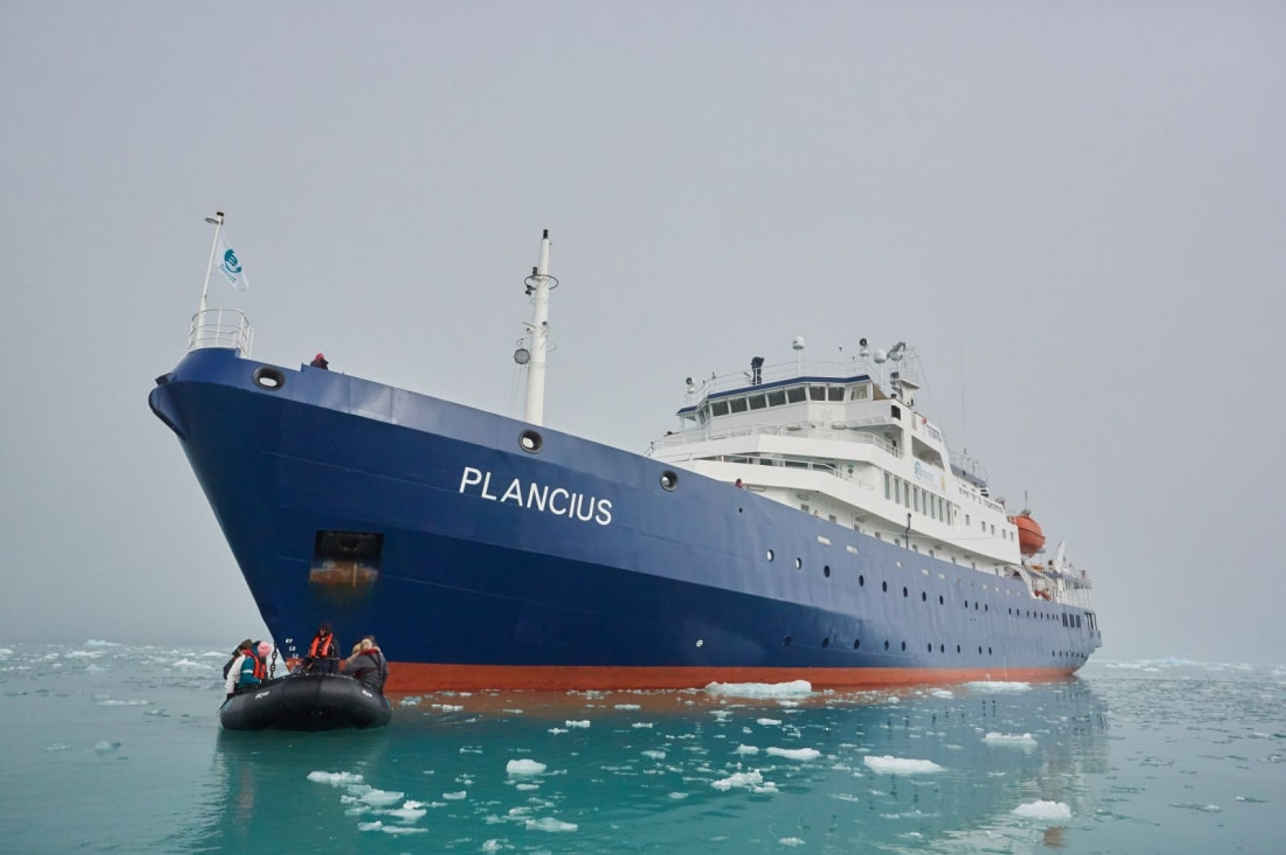
Plancius
Antarctica
108 guests89 m
$768/day
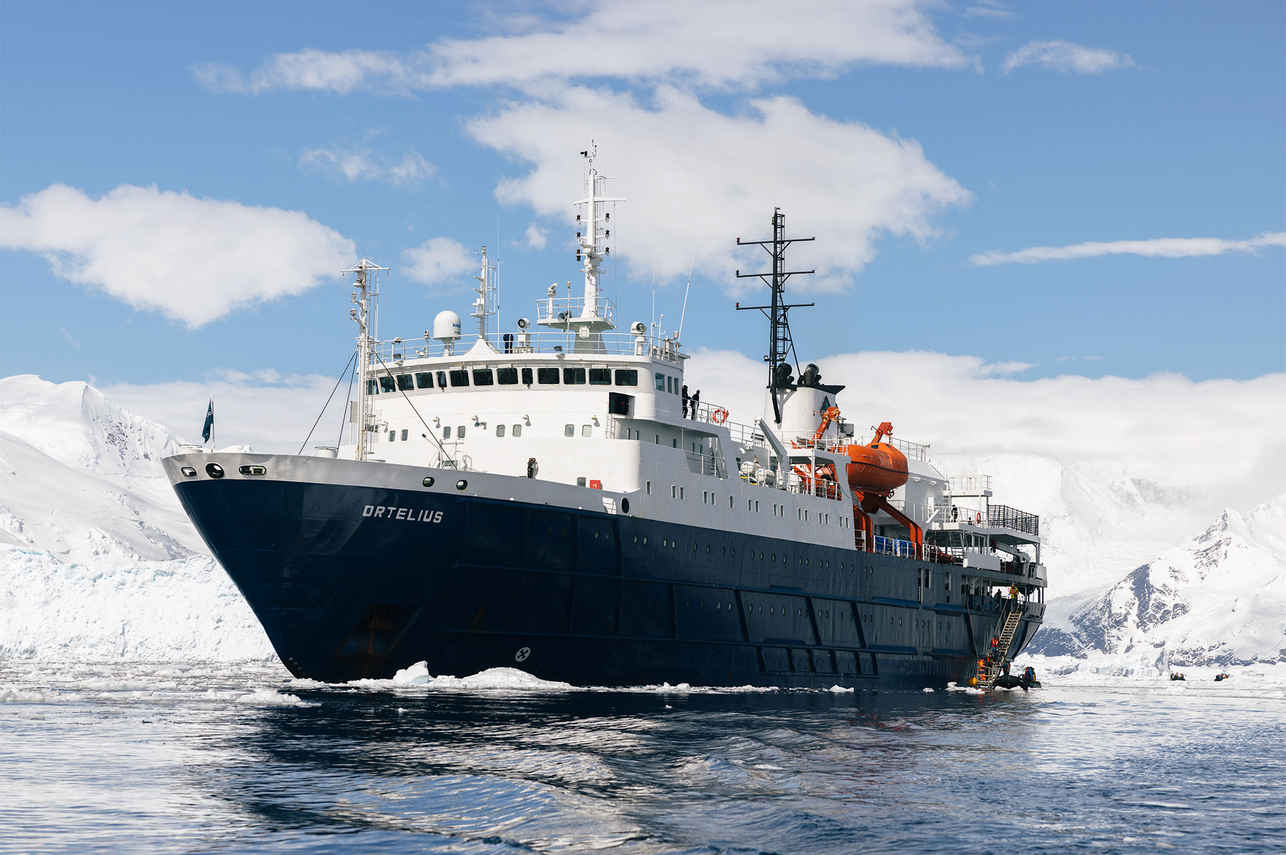
Ortelius
Antarctica
108 guests90.95 m
$658/day
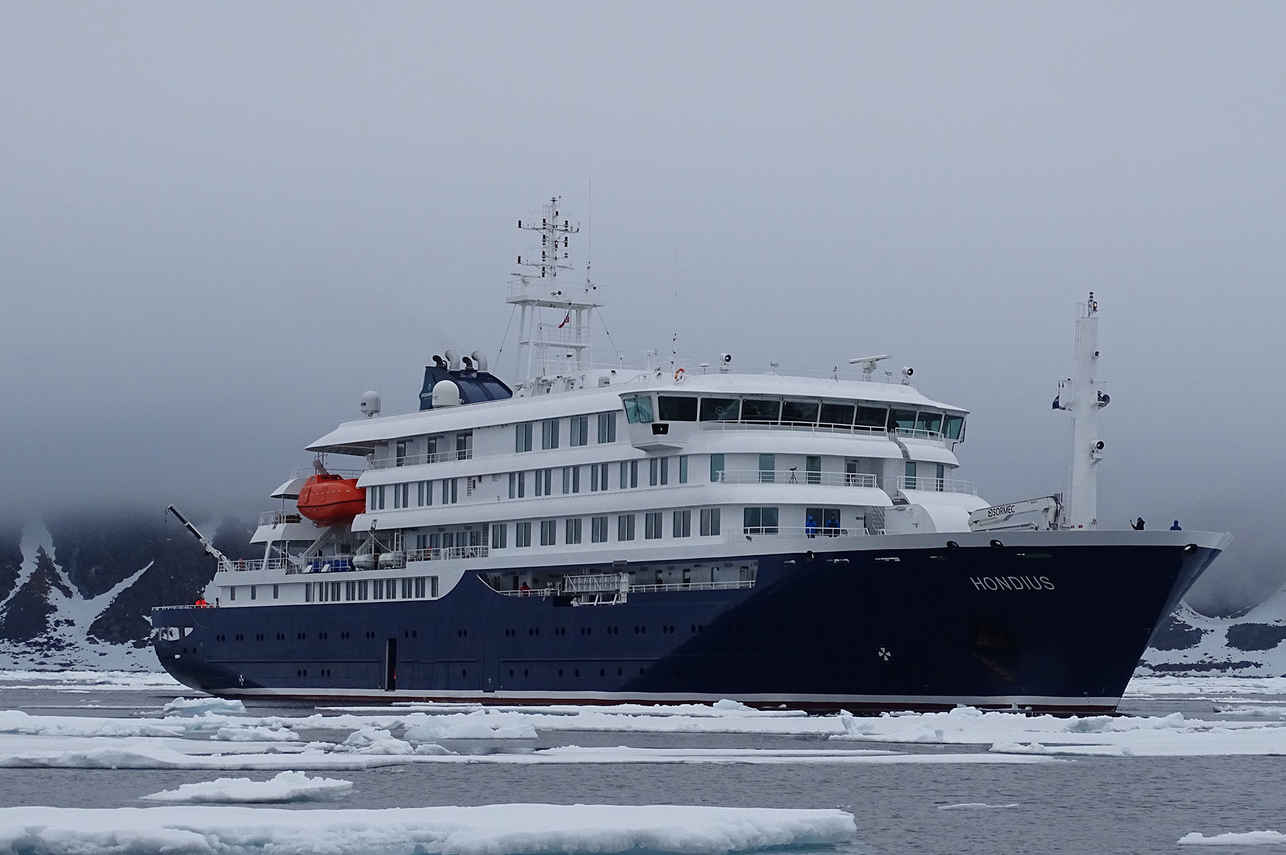
Hondius Antarctica Diving
Antarctica
170 guests107.6 m
$772/day
Dive sites similar to Wilhelmina Bay
Same character, same waters — six more sites divers love for the exact same reasons.Compare seasons, access and liveaboard routes — then pick the site that fits your trip best.
© Esri — Maxar, Earthstar, GIS
Argentine Islands - Vernadsky
Antarctica
Diving at the Argentine Islands, near the Vernadsky Research Base, offers an exclusive opportunity to explore the underwater world of the Antarctic Peninsula.
- Suitable for
- Advanced
- Current
- Strong
- Access
- Liveaboard only
- Depth
- 3–15 m
- Theme
- Ice / Reef
© Esri — Maxar, Earthstar, GIS
Lemaire Channel
Antarctica
Lemaire Channel, a narrow passage between the Antarctic mainland and Booth Island, presents a truly majestic and impressive dive experience.
- Suitable for
- Advanced
- Current
- Strong
- Access
- Liveaboard only
- Depth
- 5–30 m
- Theme
- Ice / Wall
© Esri — Maxar, Earthstar, GIS
Useful Island
Antarctica
Useful Island, situated in the Western Antarctic Peninsula, presents an extraordinary opportunity for intrepid divers to explore a shallow-water ecosystem brimming with biodiversity.
- Suitable for
- Advanced
- Current
- Strong
- Access
- Liveaboard only
- Depth
- 5–25 m
- Theme
- Ice / Wall
© Esri — Maxar, Earthstar, GIS
Enterprise Island - Wreck Gouvernøren
Antarctica
The wreck of the Gouvernøren, nestled at Enterprise Island, stands as Antarctica's most accessible and atmospheric shipwreck.
- Suitable for
- Advanced
- Current
- Mild
- Access
- Liveaboard only
- Depth
- 5–18 m
- Theme
- Ice / Wreck
© Esri — Maxar, Earthstar, GIS
Foyn Harbour
Antarctica
Foyn Harbour, situated off the coast of the Antarctic Peninsula, offers a truly unique underwater experience, primarily centered around the wreck of the 'Gouvernøren'.
- Suitable for
- Advanced
- Current
- Mild
- Access
- Liveaboard only
- Depth
- 5–15 m
- Theme
- Ice / Wreck
© Esri — Maxar, Earthstar, GIS
Errera Channel
Antarctica
Errera Channel offers a truly unique diving experience within the Antarctic Peninsula, presenting a rare opportunity to explore a world largely unseen by humans.
- Suitable for
- Expert
- Current
- Mild
- Access
- Liveaboard only
- Depth
- 5–20 m
- Theme
- Ice