About Blue Corner
Blue Corner, located off the southwest reefs of Palau's Ngemelis Island, stands as one of the world's premier dive destinations, frequently listed among the best globally. This geological marvel is a reef plateau that extends prominently into the open ocean, acting as a natural funnel for nutrient-rich currents. Its unique topography creates an unparalleled environment for an explosion of marine biodiversity. The dive site features a sea wall that plunges from 10 meters down to 330 meters, adorned with colorful corals and gorgonian sea fans. Above this, a plateau between 12 and 20 meters deep is covered in massive coral heads, including extensive cabbage corals, making it accessible for most divers. The confluence of currents at this corner attracts an incredible density and variety of marine species. Divers can expect to encounter massive schools of fish, numerous sharks, and impressive pelagics. Regular sightings include jacks, barracudas, snappers, Napoleon wrasse, and various species of turtles. Occasionally, more elusive creatures like hammerhead sharks, whale sharks, and manta rays make appearances, adding to the site's allure. The currents, while challenging, are precisely what make this site so vibrant and dynamic, delivering a constant parade of marine action. Accessing Blue Corner typically involves a 50 to 70-minute speedboat ride from Koror. Diving here often involves using a reef hook to secure oneself against the strong currents, allowing divers to passively observe the underwater drama unfold. This technique helps conserve energy and protects the delicate reef structure, ensuring a sustainable and thrilling dive experience.
Highlights
World-renowned dive siteShark encountersStrong current drift divingMassive schooling fishVibrant coral plateauReef hook experienceLarge pelagic sightingsNapoleon wrasse
Season calendar
Best months to dive here
Jan
Feb
Mar
Apr
May
Jun
Jul
Aug
Sep
Oct
Nov
Dec
Good
Dive site facts: Blue Corner
- Depth
- 8–30 m
- Typical dive
- 15–20 m, 45–60 min (current dependent)
- Current
- Strong, variable, unpredictable
- Visibility
- 12–30 m (current dependent)
- Water temperature
- 27–30°C
- Entry
- Liveaboard / Speedboat, negative entry often required
- Level
- Advanced, current experience essential
- Dive type
- Wall, drift, pelagic, coral garden
- Night dive
- Not typical
- Region / port
- Palau, Micronesia
- Coordinates
- 7.11, 134.21
Conditions & Currents
Blue Corner is synonymous with strong and unpredictable currents, which are the very lifeblood of this vibrant ecosystem. Currents can change direction both horizontally and vertically within seconds, creating an exhilarating drift dive experience. Divers commonly use reef hooks to anchor themselves to the coral plateau, allowing them to hang effortlessly in the current and observe the marine spectacle without expending excessive energy or damaging the reef. Visibility is highly dependent on these currents; incoming tides bring clear ocean water, often exceeding 28 meters, while outgoing currents can reduce visibility to around 12-16 meters. Due to these variable conditions, the dive is best suited for advanced divers with experience in current, though inexperienced divers may visit during periods of low current. Always consult your dive guide as they will assess the conditions and requi
Marine life & sighting chances

Grey reef shark
Year-round · common
Barracuda
Year-round · common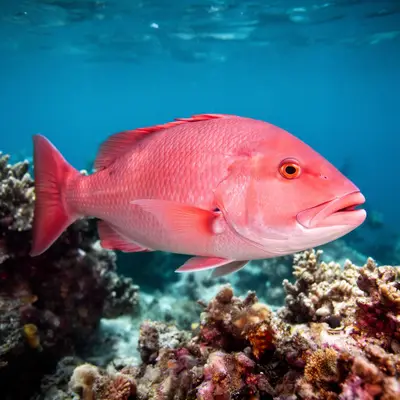
Snapper
Year-round · common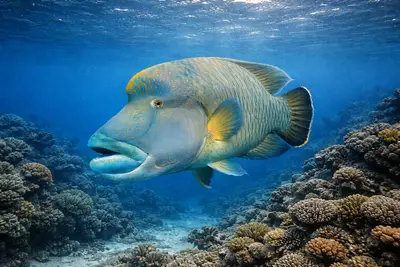
Napoleon wrasse
Year-round · common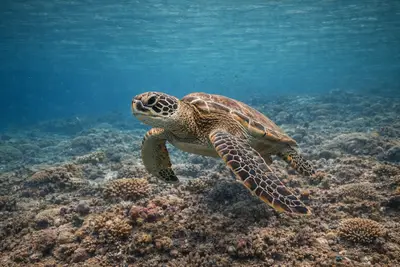
Green turtle
Year-round · common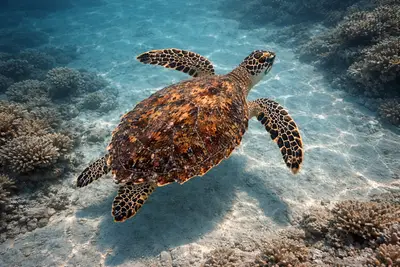
Hawksbill turtle
Year-round · common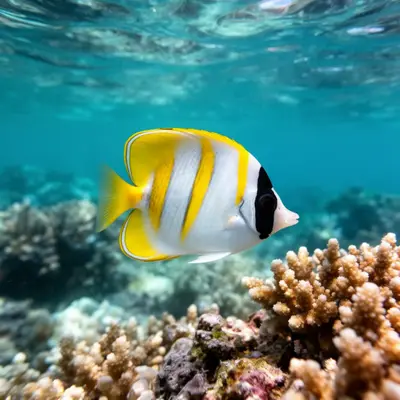
Pyramid butterflyfish
Year-round · common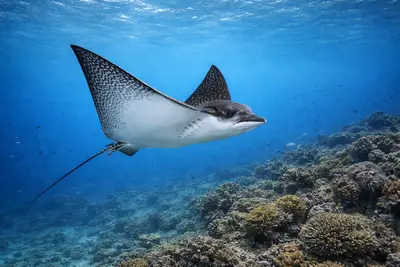
Eagle ray
Year-round · occasional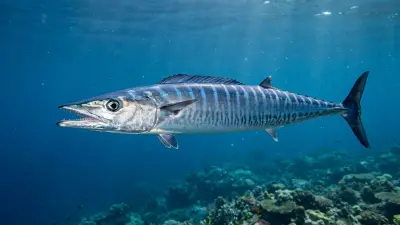
Wahoo
Year-round · occasional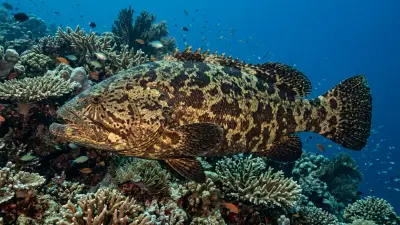
Giant grouper
Year-round · occasional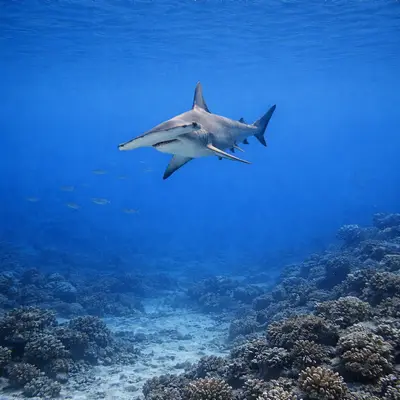
Hammerhead shark
Occasional · rare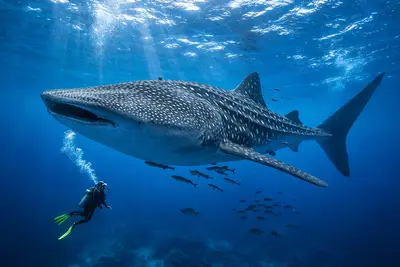
Whale shark
Occasional · rare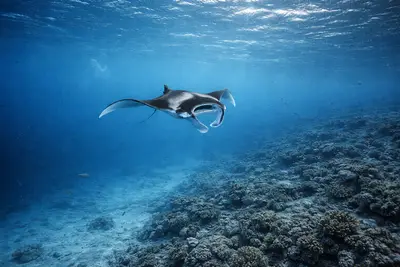
Manta ray
Occasional · rare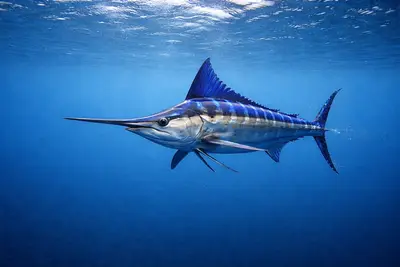
Marlin
Occasional · rareDive profile & how the dive runs
Diving at Blue Corner typically begins with an entry along the main reef wall or at the eastern end, descending to a cavern at approximately 22 meters. The dive then progresses along the reef, with divers using reef hooks to secure themselves to the coral plateau, which sits at depths of 12 to 20 meters. This allows for observation of the pelagic action in the strong currents. The route is largely dictated by current direction and strength, with divers often drifting along the wall before reaching the corner itself. The turn point is flexible, depending on gas consumption and no-decompression limits, but the focus remains on the action at the corner. Safety stops are often performed in shallower, more sheltered areas along the reef or as part of a controlled ascent once clear of the strongest current, under the guidance of the dive master.
Underwater photography
Blue Corner offers exceptional wide-angle photography opportunities, given the sheer volume of schooling fish, pelagics, and shark action. A wide-angle lens is essential to capture the expansive reef, the dramatic drop-off, and the large formations of marine life. External strobes are highly recommended to bring out the vibrant colors of the corals and fish in the blue water. When hooked into the reef, you gain a stable platform, which is ideal for composing shots of sharks and barracudas swimming against the current. Be mindful of your buoyancy and finning to avoid disturbing the reef or stirring up sediment. Patience is key, as the action comes and goes with the current. For specific shots of individual fish or reef sections, a macro lens can also be rewarding, particularly on the shallower plateau where numerous small creatures reside among the corals.
Combine with nearby dive sites
Getting there & logistics
To reach Blue Corner, you'll first fly into Roman Tmetuchl International Airport (ROR) in Palau, which is on the island of Babeldaob and connected by a bridge to Koror. International flights typically originate from the Philippines, Taiwan, South Korea, Japan, or Guam. From Koror, the main city, most liveaboards depart from Malakal Harbour. Blue Corner is located approximately 46 km (25 miles) from Koror, translating to a 50 to 70-minute speedboat journey. Liveaboard trips in Palau typically range from 7 to 10 days, often combining Blue Corner with other iconic sites like German Channel and Blue Holes. Divers are required to obtain a Koror State diving permit, which is often included in liveaboard packages.
Safety & environment
Diving at Blue Corner demands adherence to strict safety protocols due to strong and unpredictable currents. It is crucial to be proficient in buoyancy control and comfortable with drift diving techniques, including the use of a reef hook. Always dive with a surface marker buoy (SMB) and a dive computer. The nearest recompression chamber is located in Koror, Palau. Emergency evacuations from Blue Corner to Koror would typically involve a speedboat transfer, followed by ground transport to the chamber. Divers should ensure their dive insurance covers emergency medical care and evacuation for diving incidents in remote locations. Listening to and following your dive guide's instructions is paramount, as local expertise is vital for navigating the dynamic conditions of this site.
Who it suits — and who it doesn't
Suited for
- Advanced divers with current experience
- Photographers seeking wide-angle pelagic action
- Thrill-seekers who enjoy drift diving
- Divers looking for abundant shark encounters
- Enthusiasts of large schooling fish
Less suited for
- Beginner divers without current experience
- Divers uncomfortable with strong currents
- Those who prefer calm, sheltered dive sites
- Divers without good buoyancy control
- Anyone without proper dive insurance for remote locations
FAQ
Blue Corner FAQ
Why is Blue Corner considered one of the best dive sites in the world?
Blue Corner's reputation stems from its unique geological formation, which funnels powerful ocean currents. These currents attract an astonishing concentration of marine life, including numerous sharks, barracudas, and vast schools of fish. The consistent, high-energy action delivers an unparalleled pelagic experience that few other sites can match.
What is a reef hook and why is it used at Blue Corner?
A reef hook is a tool used by divers to anchor themselves to the reef in strong currents, preventing them from drifting away. At Blue Corner, divers use it to secure themselves to the coral plateau, allowing them to passively observe the marine action without having to constantly fin against the current. This technique conserves energy, helps manage air consumption, and protects the reef from accidental contact.
What kind of marine life can I expect to see at Blue Corner?
Blue Corner is teeming with marine life, primarily large pelagics and schooling fish. You can frequently see grey reef sharks, barracudas, snappers, jacks, and Napoleon wrasse. Turtles are also common. On occasion, divers may be lucky enough to spot eagle rays, hammerhead sharks, whale sharks, or manta rays passing through.
What are the current conditions like at Blue Corner?
Currents at Blue Corner are famously strong, variable, and can change direction swiftly. They are a defining characteristic of the dive, bringing in the abundant marine life. Dive guides meticulously assess conditions, and due to the intensity, it is generally recommended for advanced divers with prior experience in strong currents.
What is the best time of year to dive Blue Corner?
The prime diving season for Blue Corner aligns with Palau's dry season, from October to May. During these months, you can expect calmer surface conditions, less rain, and excellent visibility. While diving is possible year-round, these months offer the most reliable and enjoyable conditions for experiencing the site's full potential.
Why dive Blue Corner from a liveaboard?
Blue Corner is one of Micronesia's signature dive sites. A liveaboard sleeps you on the water and puts you in the water for three to four guided dives per day, including dawn and night dives that day-boat operators rarely offer. You skip the daily commute back to port and reach quieter, less-crowded sites in the same region on a single trip.
Below are the liveaboards that include Blue Corner on their Micronesia itineraries.
Liveaboards diving Blue Corner
These liveaboards may visit Blue Corner on selected itineraries — the exact dive sites depend on departure, weather and conditions.
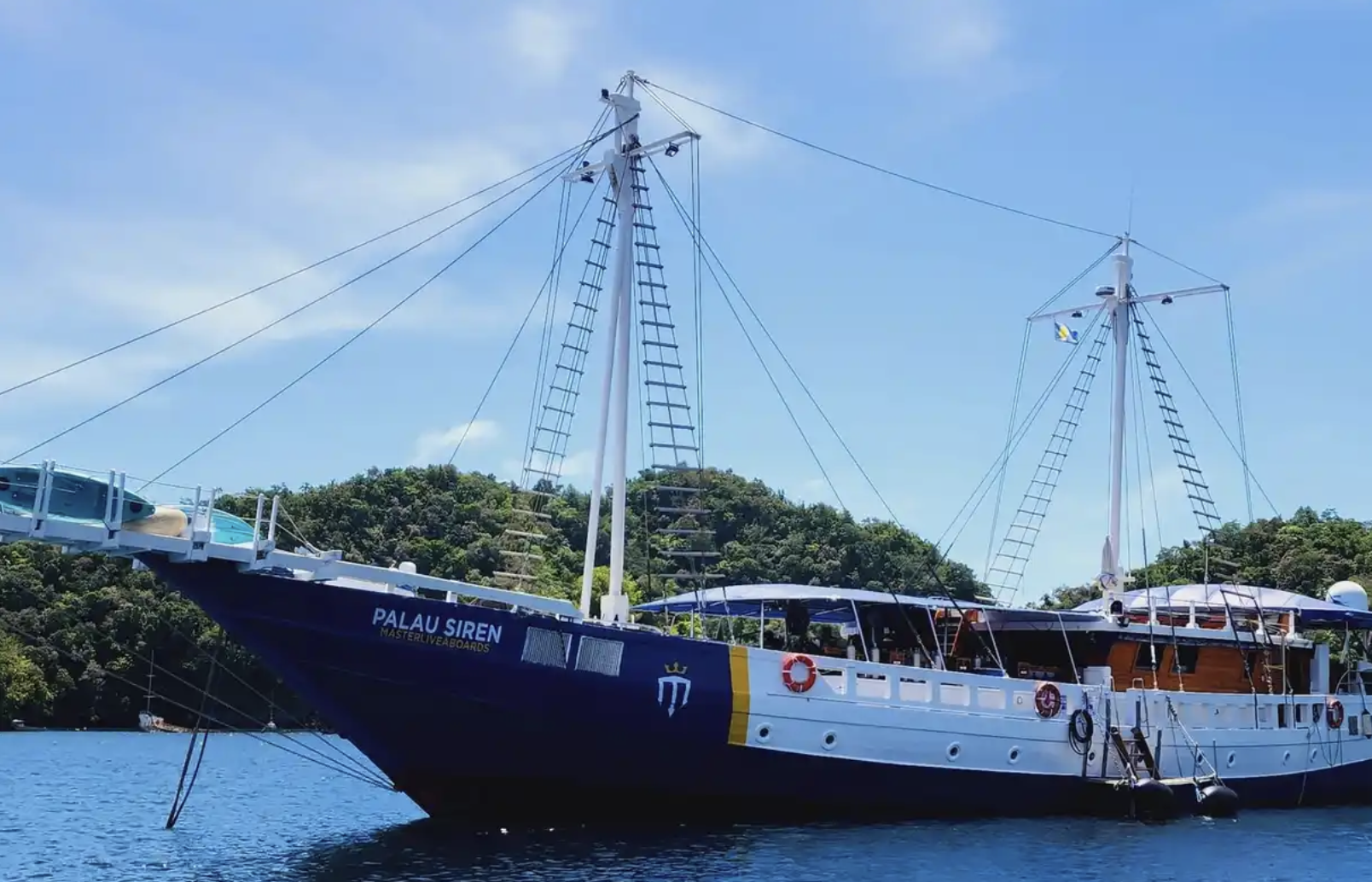
Palau Siren
Micronesia
16 guests
$500/day
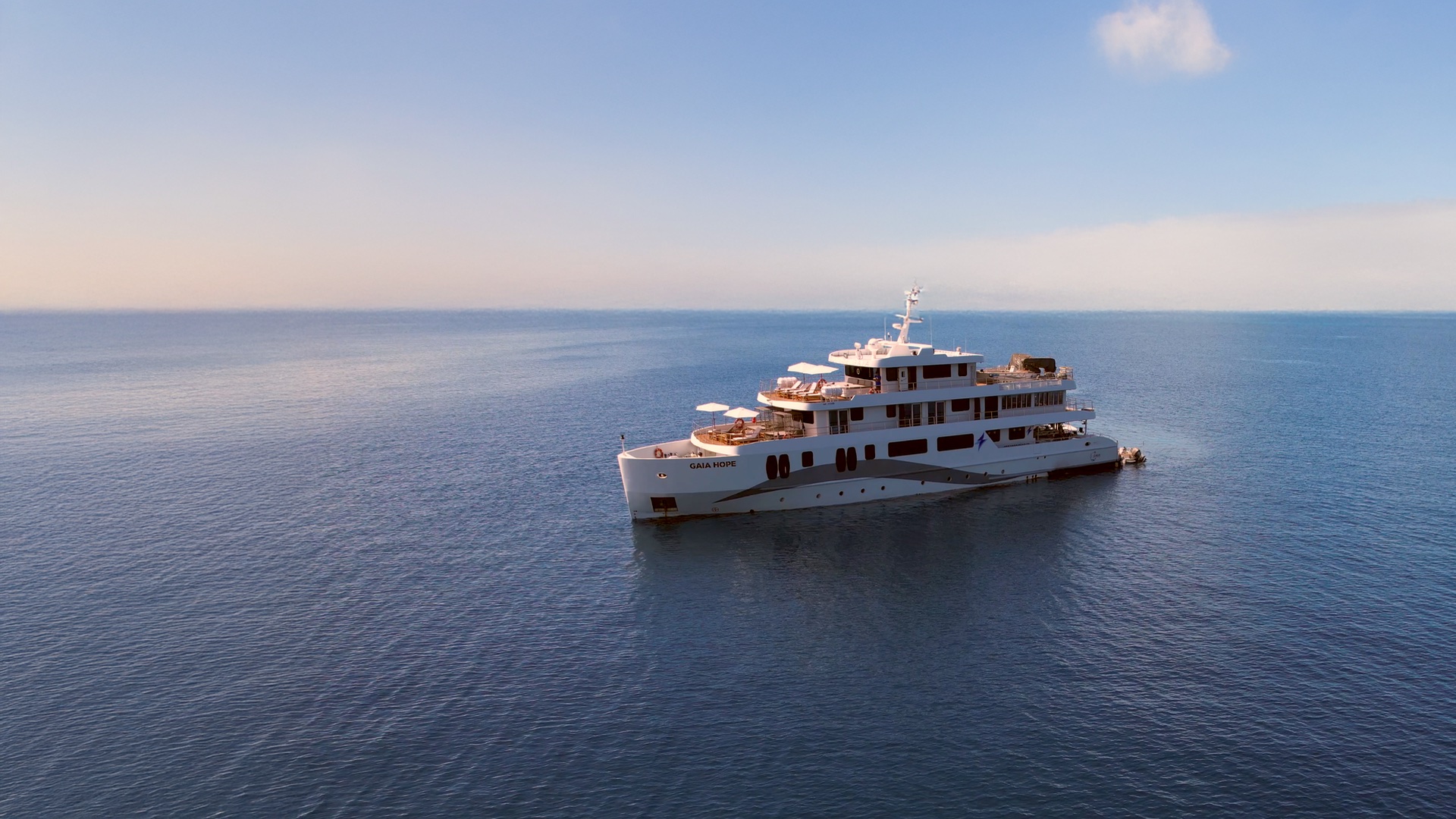
Solitude Gaia
Micronesia
18 guests40 m
$310/day
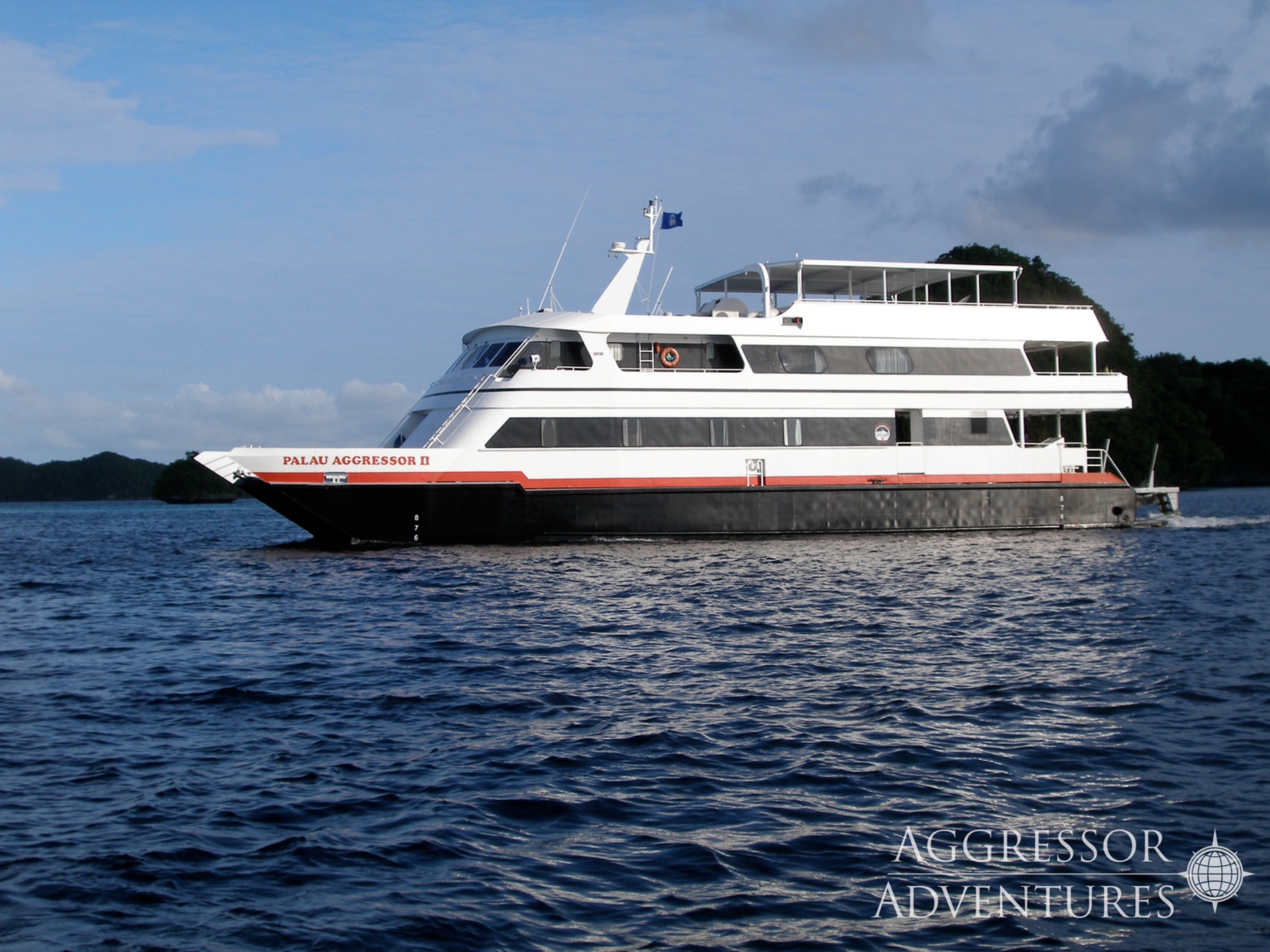
Palau Aggressor II
Micronesia
18 guests32 m
$292/day
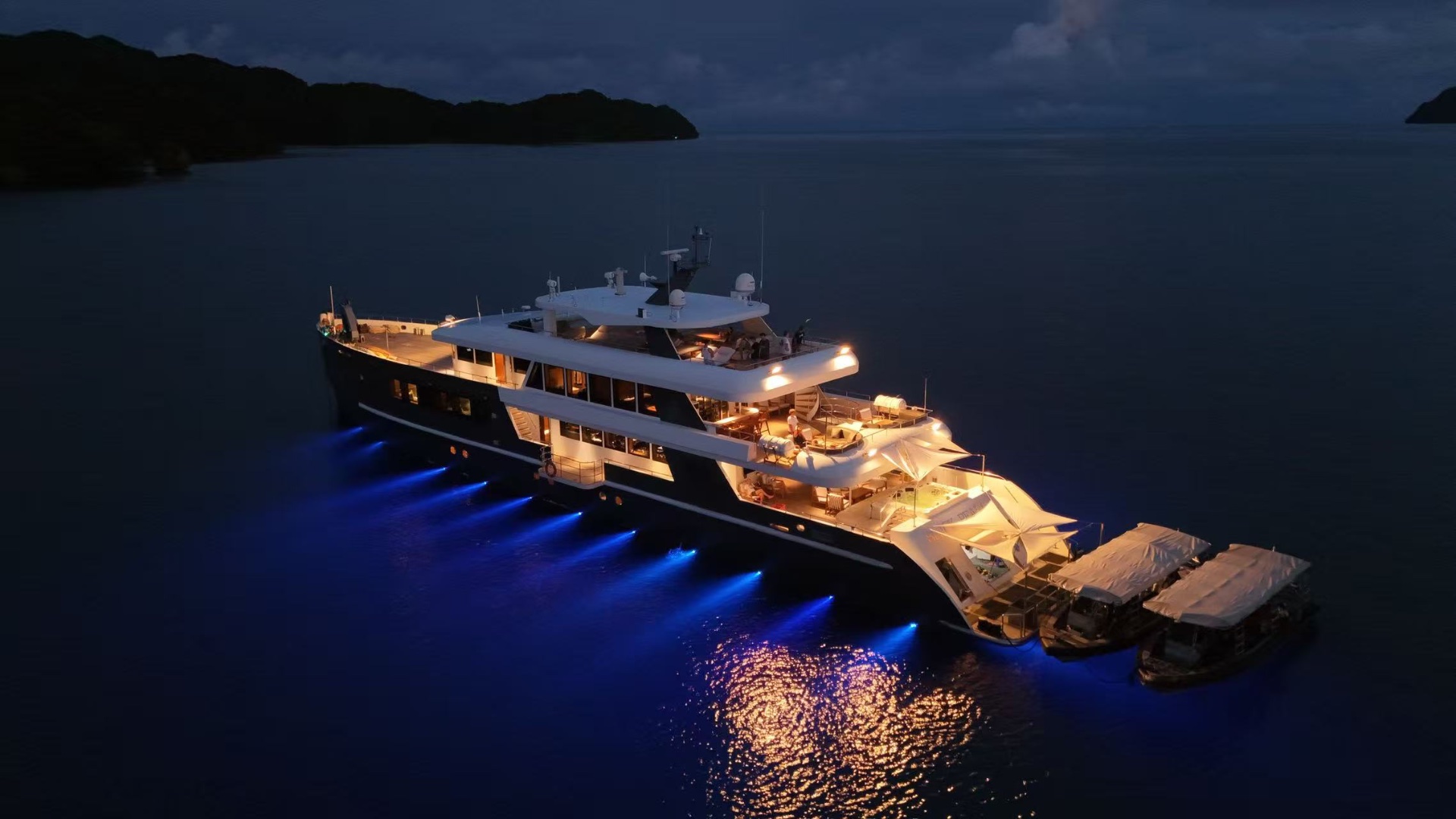
Black Pearl
Micronesia
24 guests
$390/day
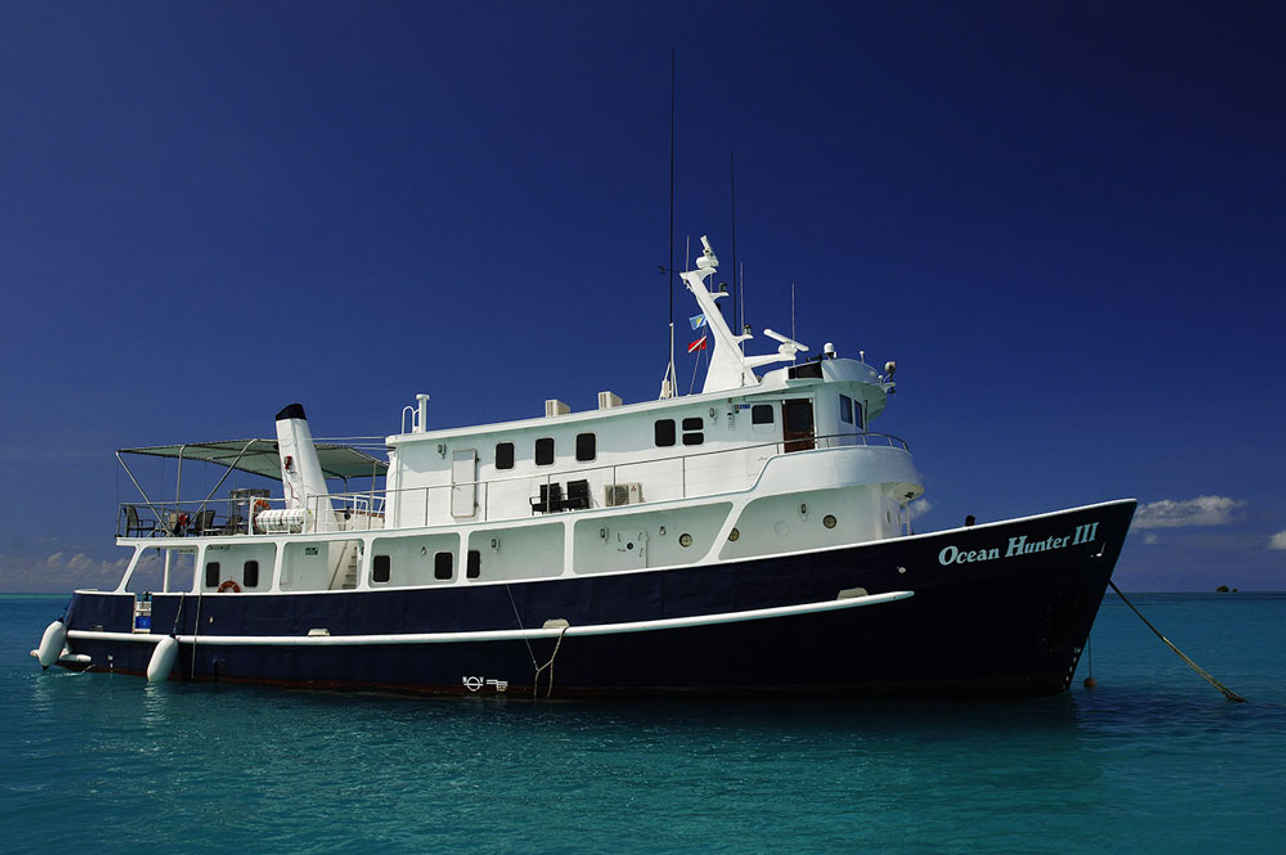
Ocean Hunter 3
Micronesia
16 guests29 m
$350/day
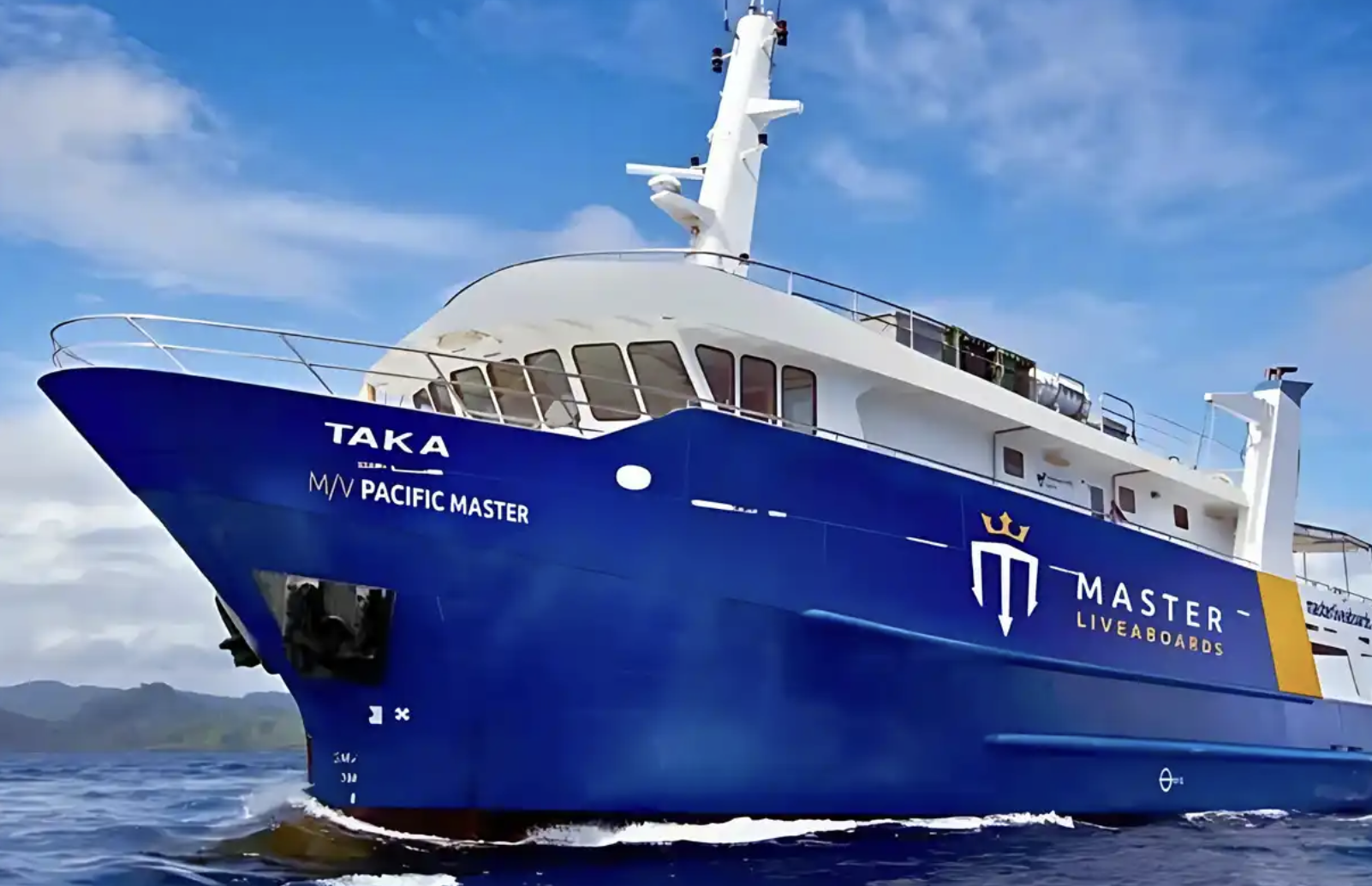
Pacific Master
Solomon Islands
20 guests30 m
$268/day
Dive sites similar to Blue Corner
Same character, same waters — six more sites divers love for the exact same reasons.Compare seasons, access and liveaboard routes — then pick the site that fits your trip best.
Mi'l Channel
Micronesia
Mi'l Channel in Yap, Federated States of Micronesia, stands out as a world-renowned dive site, primarily celebrated for its consistent manta ray sightings.
- Suitable for
- Advanced
- Current
- Strong
- Access
- Dayboat
- Depth
- 15–30 m
- Theme
- Drift / Reef
Gilman Wall
Micronesia
Gilman Wall is one of Yap's premier dive sites, renowned for its spectacular vertical drop-offs and consistent pelagic action.
- Suitable for
- Advanced
- Current
- Strong
- Access
- Liveaboard only
- Depth
- 10–30 m
- Theme
- Drift / Wall
Manta Road
Micronesia
Manta Road, located in Pohnpei, Micronesia, is renowned as a premier destination for manta ray encounters.
- Suitable for
- Intermediate
- Current
- Moderate
- Access
- Dayboat
- Depth
- 16–25 m
- Theme
- Drift / Reef
Hiroshi Point
Micronesia
Hiroshi Point is a prominent shore and boat dive site located on the southern end of Kosrae in the Federated States of Micronesia.
- Suitable for
- Beginner
- Current
- Mild
- Access
- Liveaboard or dayboat
- Depth
- 5–13 m
- Theme
- Reef / Wall
Gabach Garden Walls
Micronesia
Gabach Garden Walls, located in the eastern lagoon of Pohnpei, Micronesia, is a captivating dive site characterized by its low reef wall.
- Suitable for
- Intermediate
- Current
- Mild
- Access
- Dayboat
- Depth
- 2–30 m
- Theme
- Wall
Walung Drop-Off
Micronesia
Walung Drop-Off is a well-known dive site situated off the southwest coast of Kosrae in the Federated States of Micronesia.
- Suitable for
- Intermediate
- Current
- Moderate
- Access
- Dayboat
- Depth
- ≤ 30 m
- Theme
- Wall / Reef