The Ultimate Way to
Explore the Ocean
Live aboard a dive yacht, wake up to new reefs every morning, and experience the world's most spectacular underwater destinations.
What is a liveaboard?
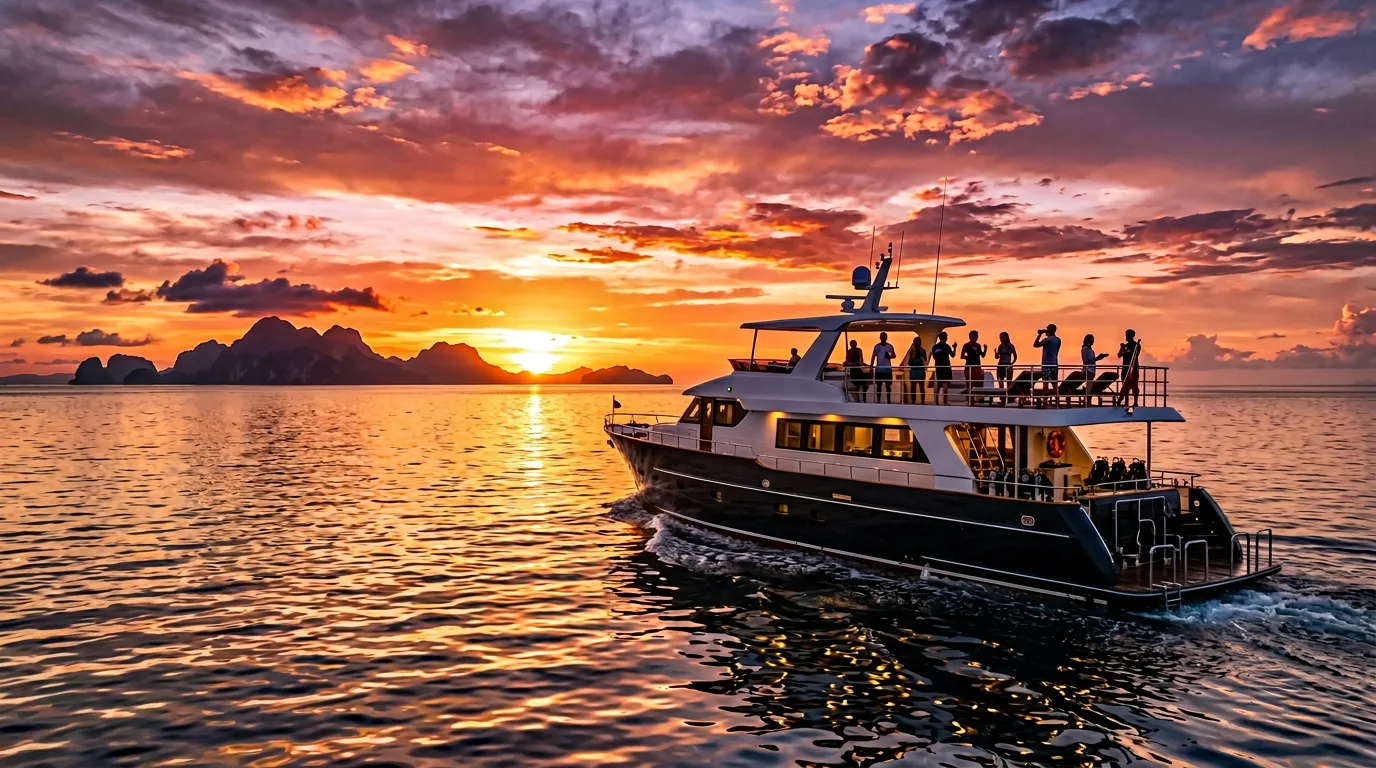
A liveaboard, sometimes called a dive safari or live-aboard yacht, is a purpose-built vessel that combines comfortable accommodation with a professional dive operation. Over the course of several days or weeks, it carries a small group of divers to a curated sequence of dive sites, many of which lie far offshore and are unreachable by land-based operators.
Life on board revolves around diving. A typical vessel features a spacious dive deck with individual gear stations, camera rinse tanks, nitrox compressors, and easy water entry via swim platforms or zodiacs. Between dives you can relax in air-conditioned salons, sunbathe on the upper deck, or review your underwater footage in the media lounge.
Destinations range from the coral-rich atolls of the Maldives and Indonesia's Coral Triangle to the big-animal encounters of the Eastern Pacific and the storied wrecks of the Egyptian Red Sea. Whatever your diving ambition, there is a liveaboard itinerary designed around it.
Why choose a liveaboard?
Six reasons why liveaboard diving is the most immersive way to explore the underwater world.
Access the Inaccessible
Venture beyond the reach of day boats to pristine, current-swept pinnacles and seamounts where pelagic life congregates.
Your Floating Base Camp
No daily commutes to dive sites, your cabin, gear, and the next reef are all just steps apart, 24 hours a day.
Dive Dawn to Dusk
With 3 to 5 dives daily, plus optional night and pre-dawn sessions, you log more bottom time in a week than most divers do in a year.
Hassle-Free Luxury
Chef-prepared cuisine, climate-controlled cabins, and dedicated dive crew mean you can focus entirely on the diving.
Bucket-List Wildlife
From schooling hammerheads and oceanic mantas to whale sharks and rare macro critters, liveaboards put you in front of iconic species.
Small-Group Atmosphere
Typically 12–24 guests means personalised guiding, uncrowded dive sites, and lifelong friendships forged at sea.
Top liveaboard destinations
The world's most spectacular dive regions, all accessible by liveaboard.
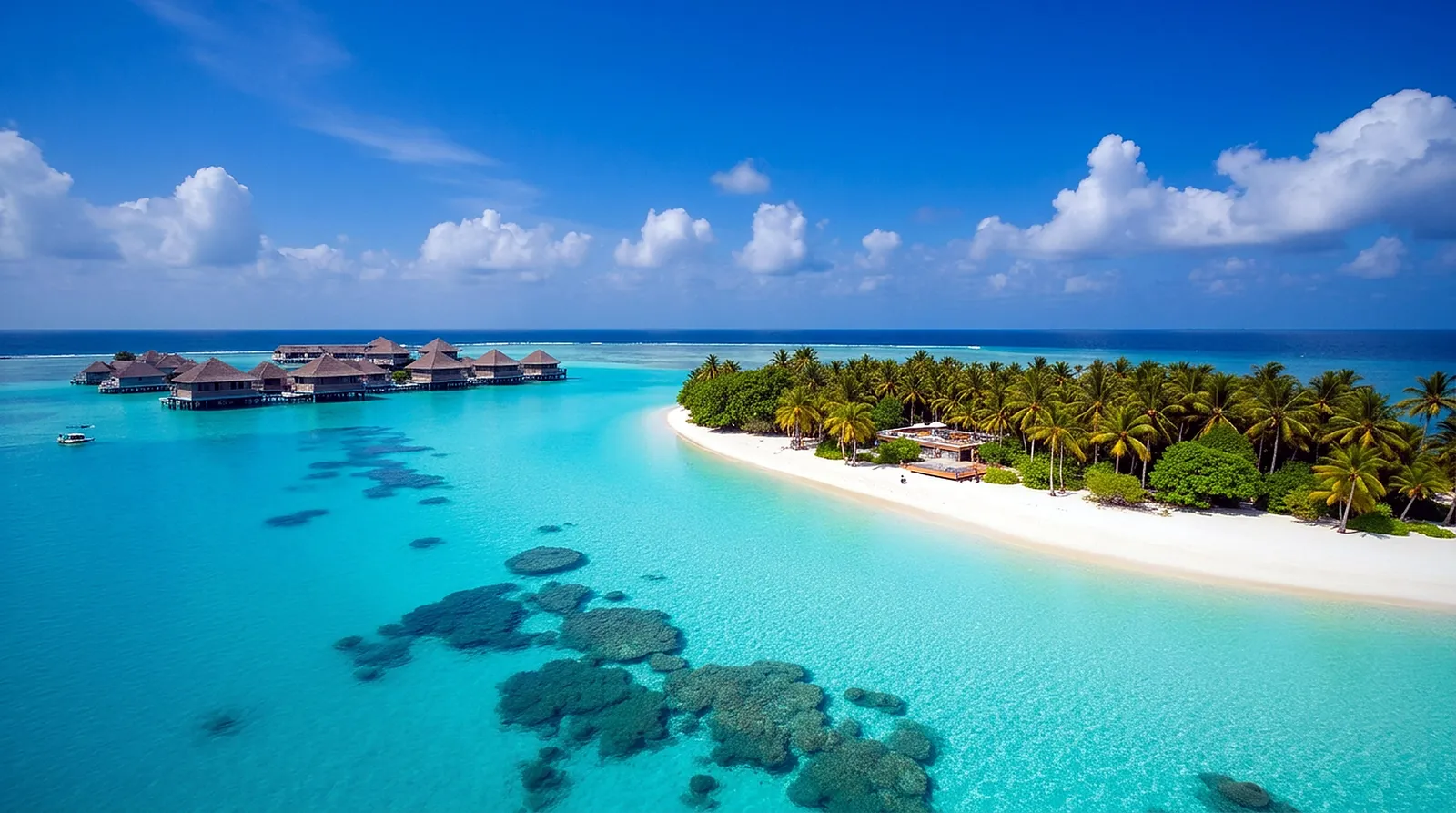
Maldives
Manta rays & whale sharks in crystal-clear atolls
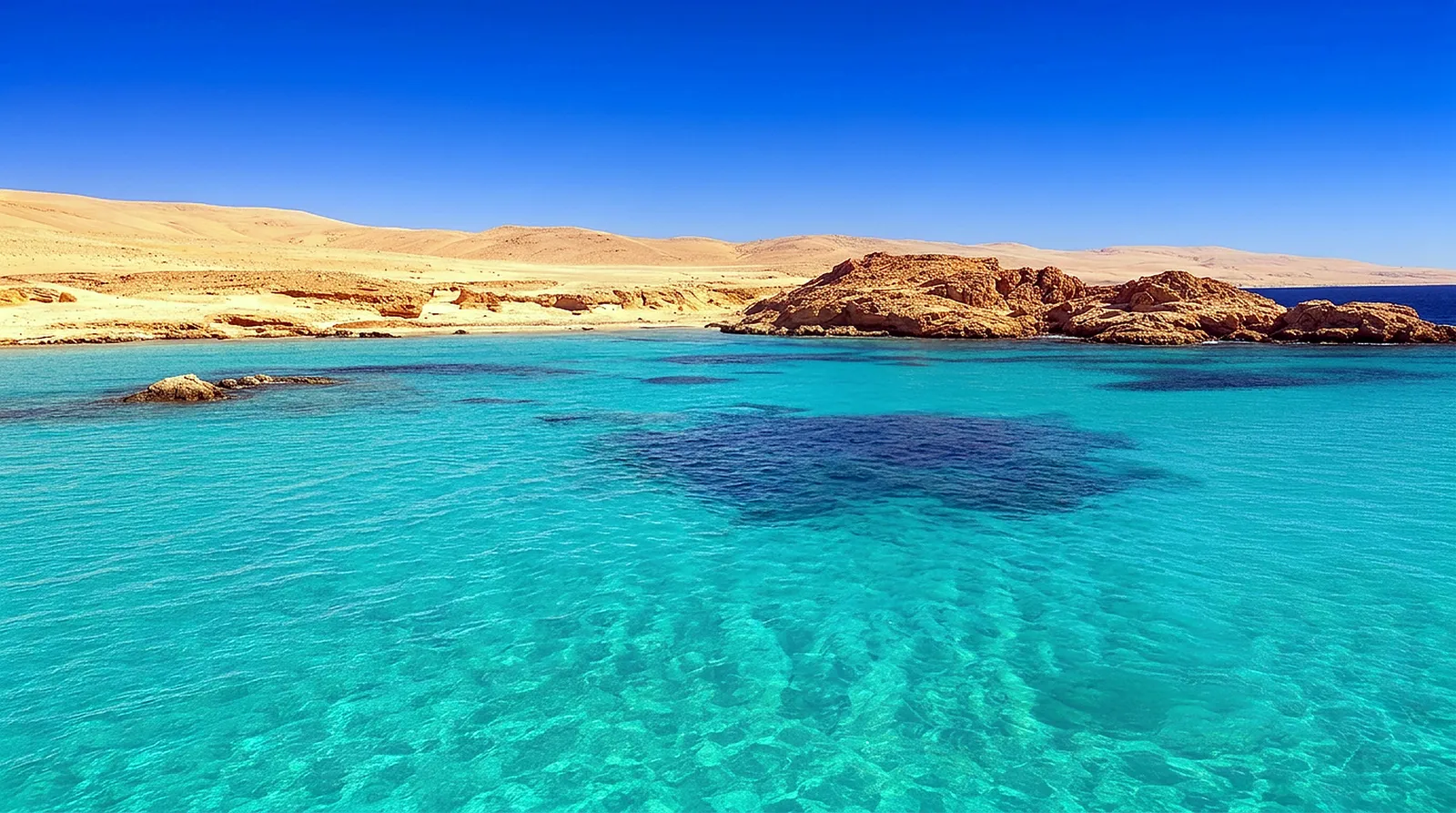
Egypt (Red Sea)
Legendary wrecks, coral walls & hammerhead encounters
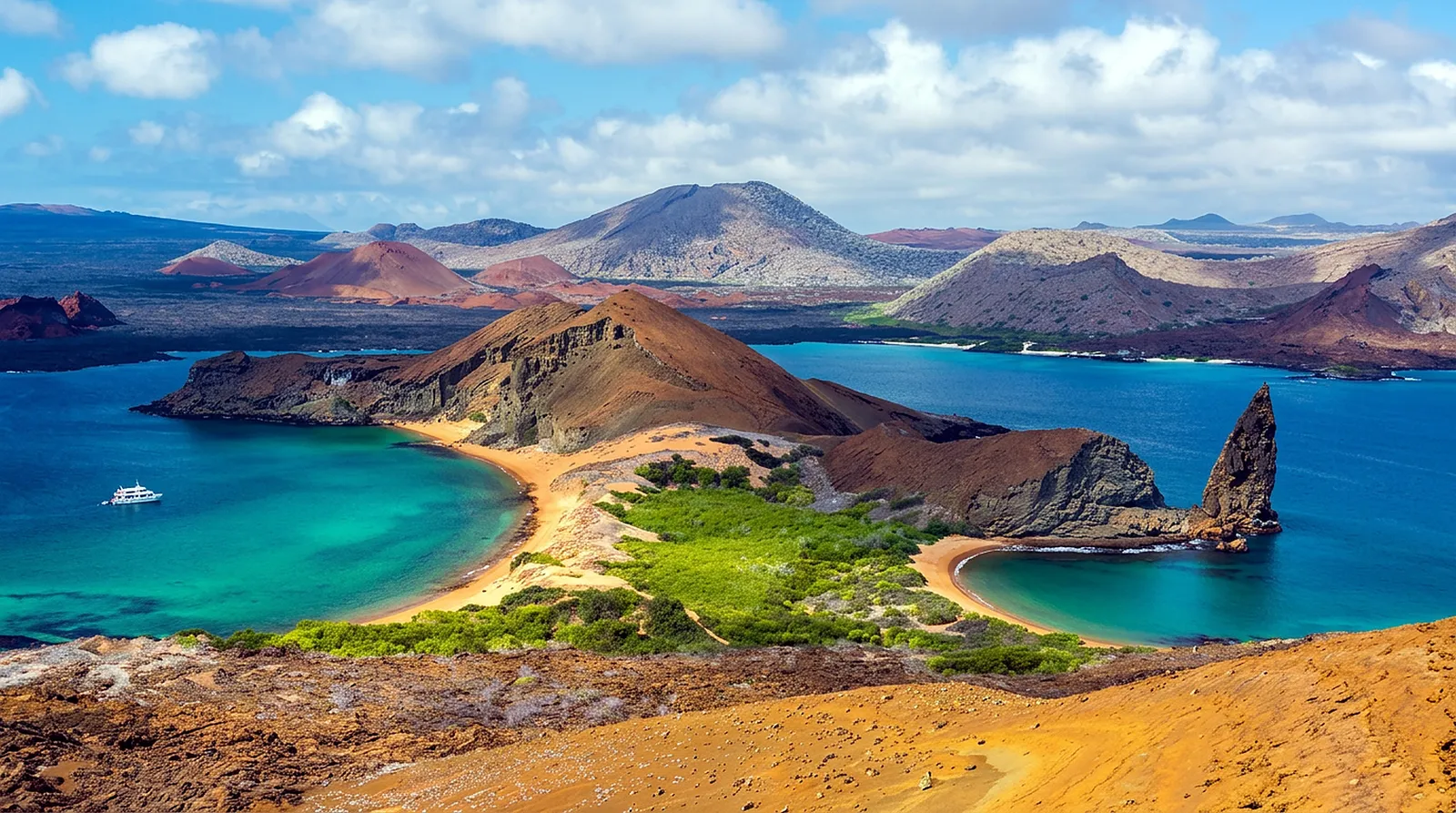
Galápagos
Schooling hammerheads, sea lions & marine iguanas
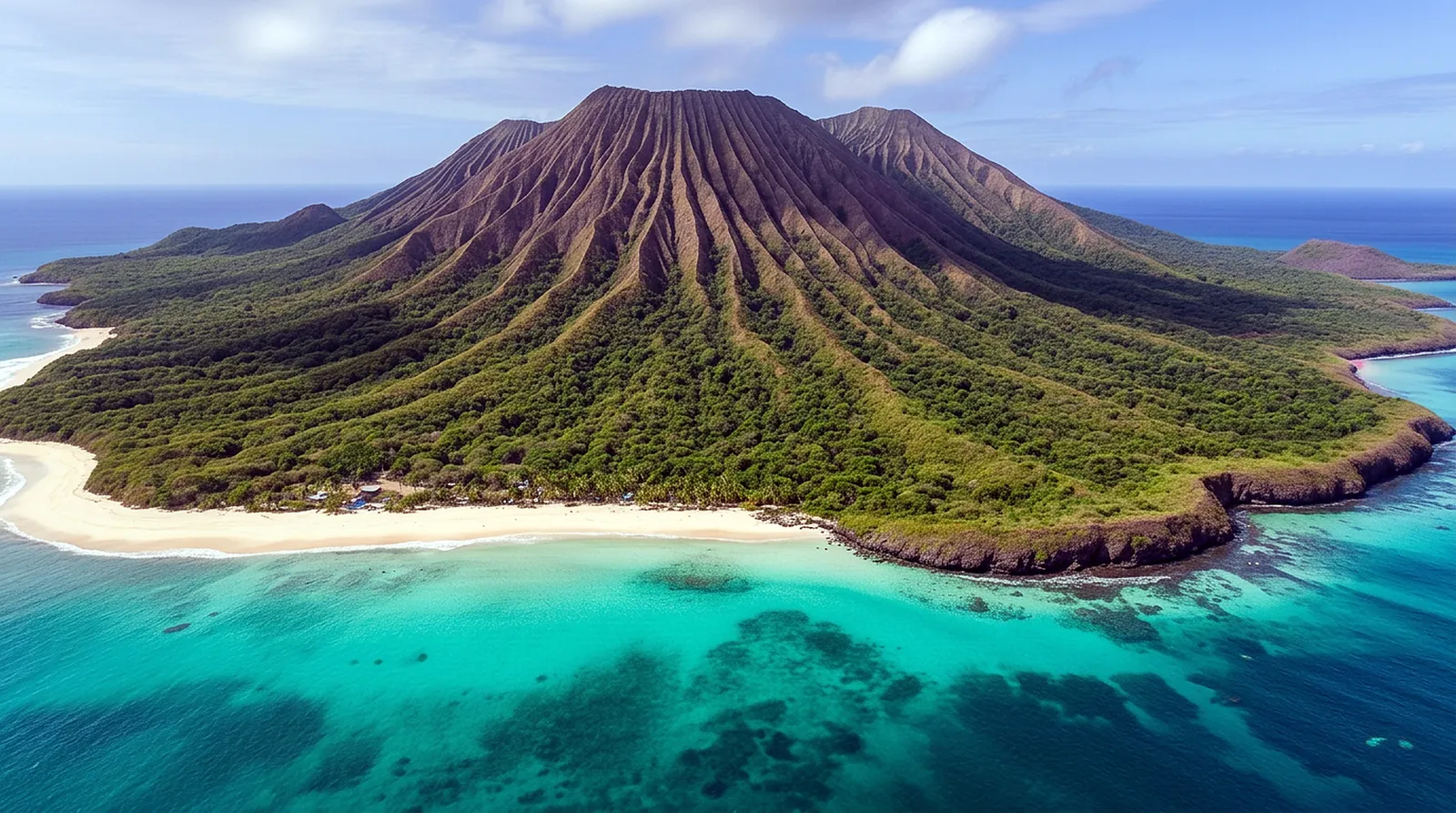
Indonesia
Coral Triangle biodiversity, mantas & macro paradise
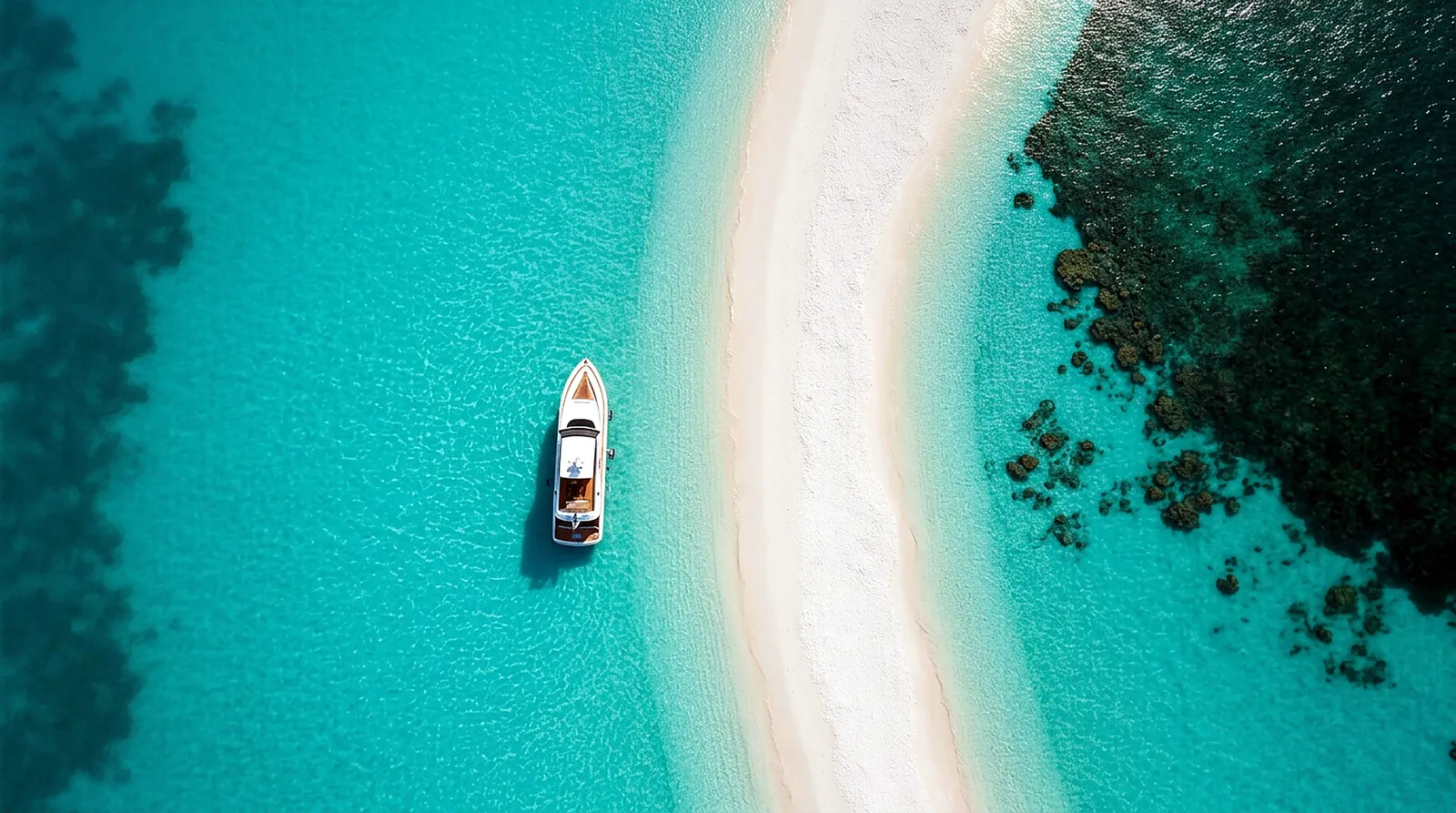
Bahamas
Tiger sharks, blue holes & warm Caribbean waters
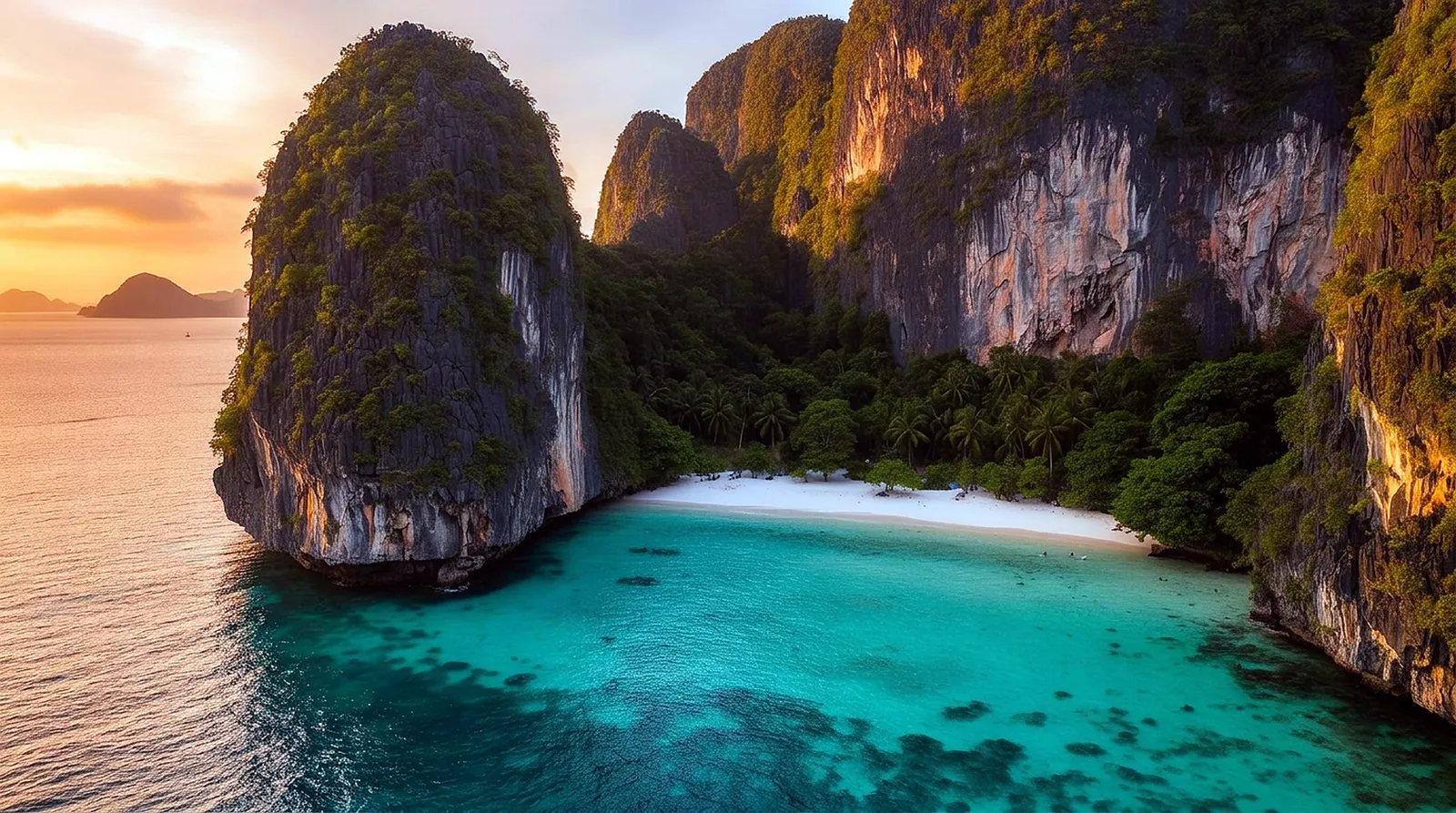
Thailand
Whale sharks at Richelieu Rock, Similan Islands
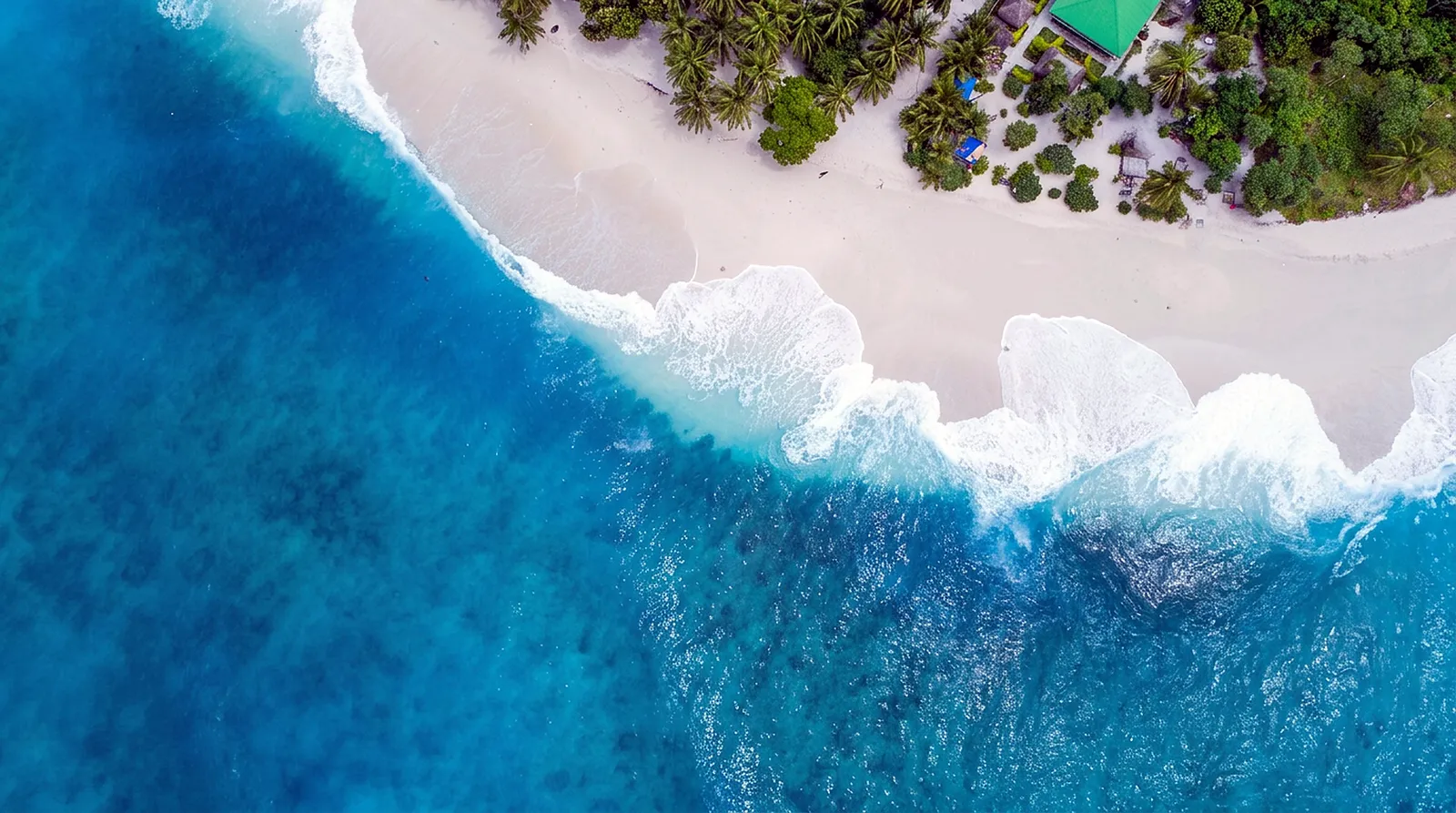
Belize
The Great Blue Hole & Mesoamerican Barrier Reef
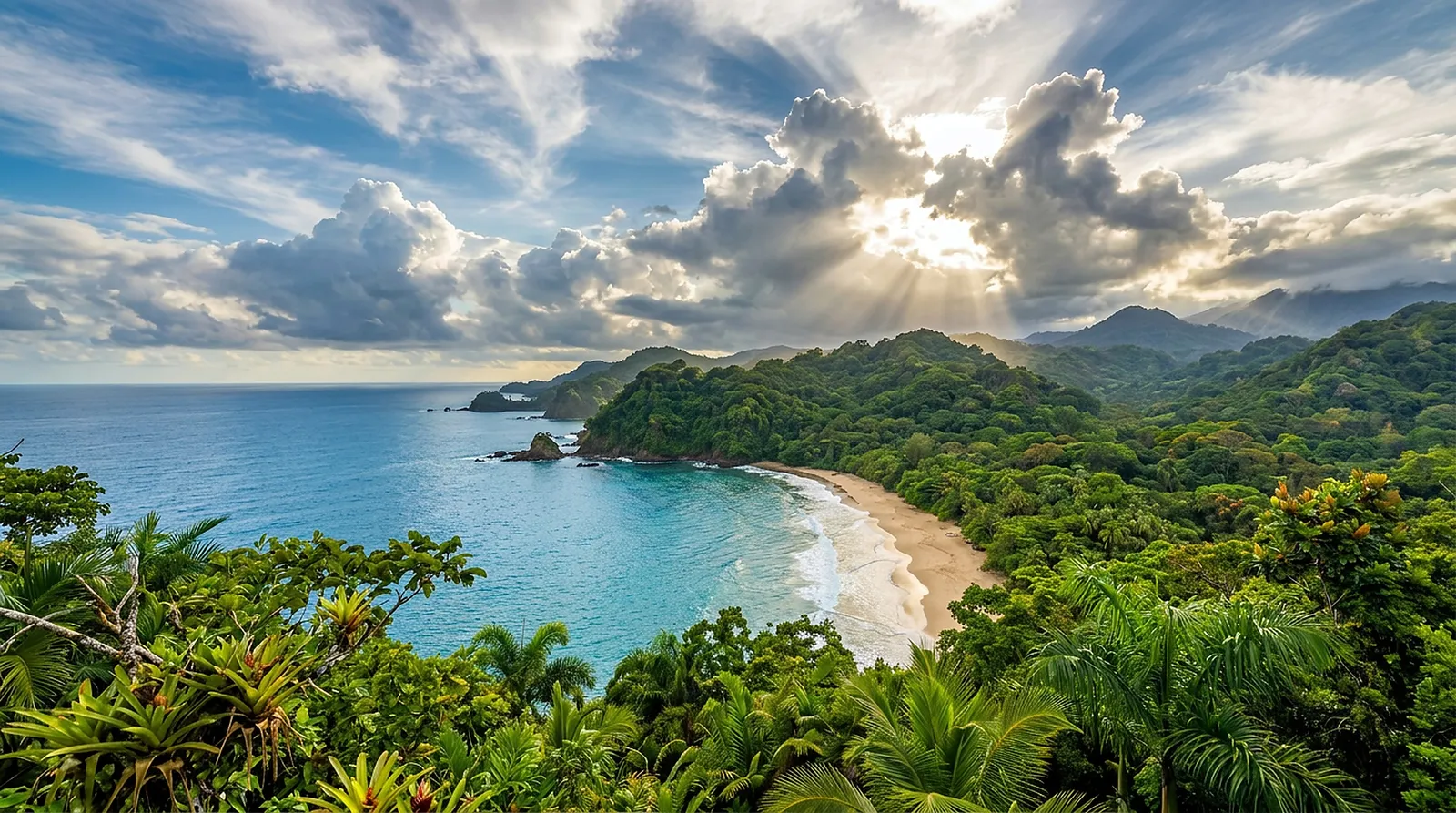
Costa Rica (Cocos)
Remote Pacific island with massive shark aggregations
What to expect on a liveaboard trip
Daily rhythm
Most vessels follow a well-practised routine: a pre-breakfast dive around sunrise, a mid-morning dive, a leisurely lunch while the boat repositions, an afternoon dive, and, for those with energy to spare, a torch-lit night dive after dinner. Between dives you'll find plenty of time to nap, read, or chat with fellow divers on deck.
Safety standards
Every vessel listed on Blue Rides operates under recognised maritime safety regulations and carries emergency oxygen, a well-stocked first-aid station, life rafts, and EPIRBs. Dive guides hold PADI, SSI, or equivalent professional ratings and conduct thorough briefings before every dive.
Dining & cabins
On-board chefs serve three full meals plus snacks and refreshments throughout the day, often catering to vegetarian, vegan, and allergy-specific diets. Cabin categories vary from compact twin-share berths to deluxe suites with sea-view windows, private balconies, and marble-tiled en-suites.
Frequently asked questions
How does a liveaboard differ from a dive resort?
What certification level do I need?
What is typically included in the price?
How many days should I book?
Which season is best for liveaboard diving?
Can non-divers join a liveaboard trip?

Ready to dive in?
Browse our curated selection of liveaboards and find the perfect trip for your next adventure.