Indonesia Liveaboard Diving

Liveaboards in Indonesia

from $160 / day

6 of 71 · Indonesia liveaboard routes, seasons & prices

Naga Biru

Expert PADI training and guided underwater discovery paired with high-speed satellite connectivity.

  • En-Suite bathrooms
  • Aircon Cabins
  • Warm Water Showers

4.8(10 reviews)

12 guestsfrom $273/day
Ecopro Duyung Baru

Discover underwater paradises from Indonesia to the Maldives with three daily dives and authentic full-board service.

  • Cabin Towels
  • Complimentary Toiletries
  • Deck Towels

4.8(10 reviews)

6 guestsfrom $361/day
Jaya

Discover Indonesia's underwater wonders aboard the traditional Jaya Phinisi.

  • Aircon in cabins
  • Charging sockets in cabins
  • Fresh towels in cabins

4.6(67 reviews)

14 guestsfrom $280/day
Wellenreng

An intimate Indonesian Phinisi adventure to the heart of marine biodiversity.

  • En-Suite bathrooms
  • Aircon Cabins
  • Warm Water Showers

4.4(13 reviews)

9 guestsfrom $426/day
Komodo Aggressor

Explore the Underwater Marvels of Indonesia Aboard a Classic Phinisi

  • Individual Balconies in Specific Cabins
  • Daily Cabin Cleaning
  • Temperature-Regulated Cabins

4.8(91 reviews)

16 guestsfrom $312/day
Blue Manta

Explore Indonesia's underwater paradise aboard the spacious and luxurious Blue Manta.

  • En-Suite bathrooms
  • Aircon Cabins
  • Warm Water Showers

4.6(33 reviews)

20 guestsfrom $488/day

Diving in the Coral Triangle: wrecks, walls and manta rays

Stretching over 5,000 kilometers from Sumatra to Papua, Indonesia encompasses more than 17,000 islands and some of the most extraordinary underwater ecosystems on the planet. Situated at the very heart of the Coral Triangle — the global epicenter of marine biodiversity — Indonesia harbors more species of coral and reef fish than anywhere else on Earth.

Komodo National Park, between Flores and Sumbawa, is famous for its powerful currents that fuel spectacular reef life. Manta rays glide through cleaning stations at Makassar Reef, while pinnacles like Batu Bolong and Castle Rock erupt with schools of thousands of fish, patrolled by grey reef sharks and giant trevallies. On land, the legendary Komodo dragons roam the savanna.

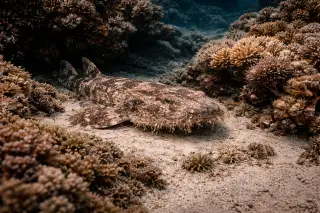
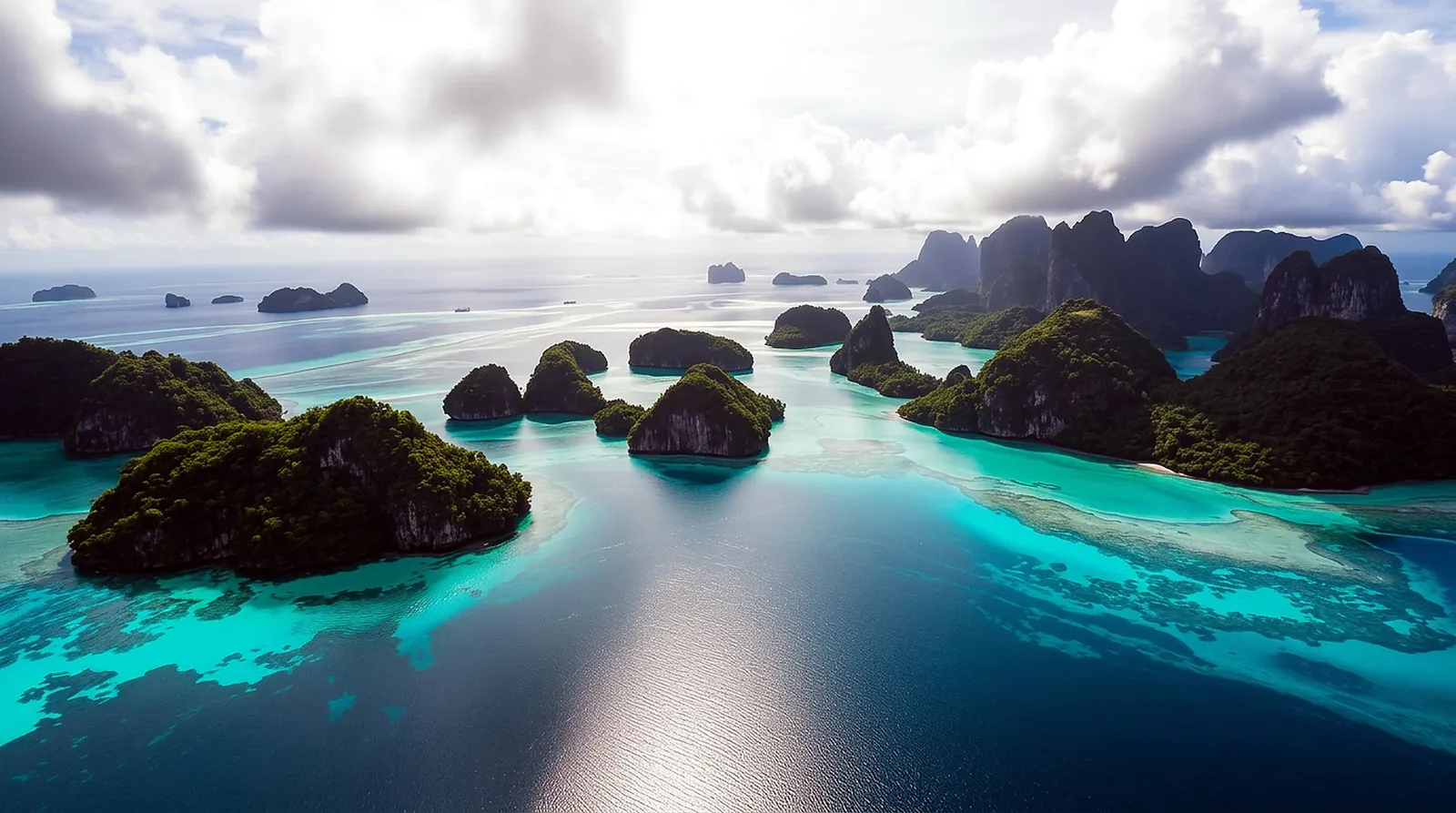
Raja Ampat in West Papua consistently ranks as the most biodiverse marine region ever surveyed — a single dive at Cape Kri once recorded 374 fish species. This remote archipelago of karst islands shelters pristine reefs, endemic walking sharks, tasselled wobbegong sharks, and enormous manta ray aggregations. The iconic Wayag lagoon, with its mushroom-shaped limestone islands rising from turquoise waters, is one of Southeast Asia's most breathtaking landscapes.

Alor, east of Flores, remains one of Indonesia's best-kept secrets. The Pantar Strait delivers nutrient-rich currents that attract hammerhead sharks and thresher sharks, while the volcanic black sand slopes rival Lembeh for macro photography. Pristine coral walls with 40-meter visibility make Alor a paradise for experienced divers seeking unspoiled reefs far from the crowds.

Lembeh Strait in North Sulawesi is the undisputed muck diving capital of the world. The volcanic sand bottom hosts an astonishing concentration of rare critters — mimic octopus, hairy frogfish, wonderpus, flamboyant cuttlefish, and blue-ringed octopus. Nearby Bunaken National Marine Park offers dramatic walls dropping hundreds of meters into the abyss, with exceptional visibility and abundant sea turtles.

Bali and Nusa Penida provide a gateway to Indonesia's underwater world. The USAT Liberty wreck at Tulamben is one of the most accessible wreck dives anywhere, while the cold upwellings at Nusa Penida bring the mysterious Mola Mola (ocean sunfish) to diveable depths from July to October. Manta rays visit the cleaning stations year-round.

The Banda Sea, accessible only by expedition liveaboard, is Indonesia's final frontier. Remote seamounts attract schooling hammerhead sharks, while the volcanic Snake Island (Manuk) hosts hundreds of sea kraits. The historic Spice Islands offer pristine reefs and underwater lava formations from recent eruptions — a truly wild diving experience reserved for the adventurous.

With warm waters averaging 27–29°C, visibility ranging from 15 to 40 meters, and diving available year-round across different regions, Indonesia is not just a dive destination — it is the dive destination.

Why dive a liveaboard in Indonesia

From legendary wrecks and thriving reefs to close-up encounters with iconic marine life, this destination offers the experiences divers dream about. Warm, clear waters and well-organized liveaboard routes make it easy to explore the best sites. These are the highlights that keep divers coming back year after year.

Coral Triangle epicenter

Home to 75% of all known coral species and over 3,000 reef fish species — the highest marine biodiversity on Earth.

World-class manta encounters

Regular encounters with oceanic and reef manta rays at iconic cleaning stations in Komodo, Raja Ampat, and the Banda Sea.

Unmatched macro diving

From pygmy seahorses to blue-ringed octopuses, mimic octopuses, and flamboyant cuttlefish — Indonesia is the global capital of critter diving.

Remote liveaboard expeditions

Multi-day liveaboard itineraries access pristine, rarely-visited reefs across the Banda Sea, Forgotten Islands, and Triton Bay.

Year-round diving

With diverse regions spanning thousands of kilometers, Indonesia offers excellent diving conditions somewhere in the archipelago every month of the year.

Thrilling drift dives

Komodo and Alor deliver some of the world's most exhilarating current dives, attracting pelagics like sharks, tuna, and giant trevally.

Who a liveaboard in the Coral Triangle suits — and who it doesn't

Indonesia is not one dive destination but many: calm muck bays, ripping channels and remote reefs sit thousands of kilometres apart, so the itinerary decides the level.

Beginners

Open Water, from about 20 dives

Sheltered bays in North Sulawesi and the Bali coast: shallow slopes, jetty and muck sites in 5 to 20 metres with little current and short boat rides.

Matching areas:Lembeh StraitBunakenTulamben

Advanced divers

Advanced, from about 50 dives, current experience

Channel and pinnacle diving in Komodo and Alor: strong tidal flow, negative entries and reef hooks are standard practice.

Matching areas:KomodoAlorRaja Ampat

Deep and technical

Deep and Nitrox, dedicated technical charters

The Banda Sea and Halmahera run long open-water crossings to seamounts; the USAT Liberty in Tulamben starts at 5 metres and slides past 30, and rebreather and Trimix trips are organised as private charters, not as standard liveaboard fare.

Matching areas:Banda SeaHalmaheraTulamben

Photo and video

Camera table, charging stations, small groups

The Coral Triangle holds the highest reef-fish diversity on earth; Lembeh is the reference for critter macro, Raja Ampat for wide-angle reefscapes.

Matching areas:Lembeh StraitRaja AmpatAmbon

Best time to dive in Indonesia

Diving in Indonesia is possible year-round, but the best conditions are tied to regional dry and monsoon seasons. The peak season for Komodo is from April to November, offering calm seas and great manta encounters. For Raja Ampat, the ideal window is October to April when biodiversity is at its highest. Remote expeditions to the Banda Sea are timed for the inter-monsoon periods of March-May and September-November to see schooling hammerheads.

Diving Seasons
Excellent
Good

Excellent — Peak Season

Each region has its own peak window: Komodo & Alor shine April–November with calm seas and 25–30m+ visibility. Raja Ampat peaks October–April with rich biodiversity. Banda Sea opens September–December. Bali's Mola Mola season runs July–October.

Good — Shoulder & Transition

Outside peak months, every region still offers solid diving with warm waters (24–30°C), reasonable visibility, and fewer crowds. Conditions vary but remain comfortable — a 3mm or 5mm wetsuit is recommended year-round.

Underwater visibility

32m
(105ft)
23m
(74ft)
13m
(43ft)
Jan
Feb
Mar
Apr
May
Jun
Jul
Aug
Sep
Oct
Nov
Dec

Air & water temperature

33°C 29°C 25°C
28°
30°
29°
30°
29°
31°
29°
31°
28°
31°
27°
30°
27°
29°
27°
29°
28°
30°
28°
31°
29°
31°
29°
30°
Jan
Feb
Mar
Apr
May
Jun
Jul
Aug
Sep
Oct
Nov
Dec
Water
Air (Day)

Recommended wetsuit

3mm
3mm
3mm
3mm
3mm
3mm
3mm
3mm
3mm
3mm
3mm
3mm
Jan
Feb
Mar
Apr
May
Jun
Jul
Aug
Sep
Oct
Nov
Dec
3mm (warm)
Wetsuit Guide

What you'll see diving in the Coral Triangle

The sheer diversity of marine life in Indonesia is unmatched, from the world’s largest to its smallest creatures. Divers can encounter huge aggregations of manta rays in Komodo and Raja Ampat, schooling hammerhead sharks in the Banda Sea, and the rare Mola Mola at Nusa Penida. In contrast, the volcanic sands of Lembeh Strait are the place to find bizarre critters like the mimic octopus, hairy frogfish, and endemic walking sharks.

When to See What

Use this calendar as a guide: the highlighted months show when your chances are usually best. Wildlife follows its own rhythm, so sightings are never guaranteed — but we hope this makes planning a little easier. Indonesia’s most sought-after pelagic encounters follow a distinct seasonal rhythm. The brief expedition windows to the Banda Sea in March-May and September-November are timed for the arrival of schooling hammerhead sharks. Later in the year, from July to October, cold upwellings around Nusa Penida attract the giant and enigmatic ocean sunfish, the Mola Mola.

Species
Jan
Feb
Mar
Apr
May
Jun
Jul
Aug
Sep
Oct
Nov
Dec
Whale Shark
Whale Shark
Reef Manta Ray
Reef Manta Ray
Oceanic Manta Ray
Oceanic Manta Ray
Grey Reef Shark
Grey Reef Shark
Mola Mola
Mola Mola
Napoleon Wrasse
Napoleon Wrasse
Pygmy Seahorse
Pygmy Seahorse
Mimic Octopus
Mimic Octopus
Blue-ringed Octopus
Blue-ringed Octopus
Scalloped Hammerhead
Humpback Whale
Humpback Whale
Wobbegong Shark
Wobbegong Shark
Walking Shark
Walking Shark
Mandarin Fish
Mandarin Fish
Dugong
Dugong
Peak Season
Present
Rare/Absent

Raja Ampat and Komodo: the best dive sites in Indonesia

A liveaboard is the only way to reach Indonesia’s most iconic and remote dive sites, which are scattered across the vast archipelago. Boats navigate to Komodo’s current-rich channels like The Cauldron and Batu Bolong, and to the isolated seamounts of the Banda Sea known for schooling hammerheads. In far-flung Raja Ampat, vessels explore world-renowned sites like Cape Kri and the unique river-like channel known as The Passage.

1

Bunaken Timur

Intermediate
540m / 16131ftBest: April–October-1.5950°, 124.7470°

Bunaken Timur is a renowned dive site situated on the eastern coast of Bunaken Island, forming a key part of the world-famous Bunaken Marine Park in North Sulawesi, Indonesia. This site is celebrated for its dramatic wall, which is richly adorned with hard and soft corals, plunging to a maximum depth of 40 meters. It serves as a prime example of the park's distinctive underwater topography, where reefs often drop sharply into deep basins. The shallow reef top of Bunaken Timur is particularly pristine, offering excellent conditions for snorkeling and supporting a thriving ecosystem. Divers can expect to encounter a healthy population of green and hawksbill turtles, frequently seen navigating the coral-encrusted wall. The site is also known for occasional sightings of larger pelagic species like eagle rays, while macro enthusiasts will find a variety of small critters tucked within the corals. Conditions are generally favorable, with mild to moderate currents and consistent water temperatures. This makes Bunaken Timur accessible and enjoyable for a range of diver experience levels. The excellent visibility, often exceeding 20 meters, further enhances the experience of drifting along this vibrant wall, observing the abundant marine life and intricate coral formations.

Dramatic coral wallPristine shallow reef topAbundant green and hawksbill turtlesDiverse hard and soft coralsOccasional eagle raysRich macro lifeExcellent visibilityWorld-class wall diving
2

Mawali Wreck

Advanced
2540m / 82131ftBest: July–October-4.6515°, 123.8996°

The Mawali Wreck, a Japanese cargo ship, rests on its side in the Lembeh Strait, off the northern coast of Sulawesi. Sunk by Allied forces in 1943 during World War II, this 90-meter long freighter is now a thriving artificial reef, encrusted with diverse hard and soft corals and sea fans. It offers a unique blend of historical exploration and vibrant marine ecosystems. The wreck's topography features the bow section at around 25 meters, while the stern extends deeper to 35-40 meters, making it suitable for advanced divers. The site is characterized by sloping sandy sides that transition into the deeper parts of the Strait, allowing for flexible dive profiles that can accommodate various depths. Marine life thrives on and around the wreck, attracting schools of snappers and batfish, as well as resident lionfish and scorpionfish. Macro enthusiasts will discover an abundance of nudibranchs, ghost pipefish, and mantis shrimp, alongside the famous Bargibanti pygmy seahorses. This rich biodiversity makes it a prime location for detailed observation and underwater photography. Diving the Mawali Wreck typically involves a slow descent along the sloping bottom, allowing ample time to search for critters before reaching the main wreck structure. The dive then proceeds along the wreck, exploring its various sections, with the ascent conducted in a zig-zag pattern back up the slope to maximize marine life encounters. Conditions are generally calm, making for an enjoyable and focused dive experience.

World War II Japanese freighterEncased in corals and sea fansBargibanti pygmy seahorsesAbundant nudibranchsSchools of snappers and batfishMacro photography havenDeep sections for advanced divers
3

Aljui Bay

Beginner
Best: October–April-4.6045°, 123.8996°

Aljui Bay, located in Raja Ampat's remote northern reaches, was discovered as a premier snorkeling and diving destination by chance in 2011. This bay, situated within the broader Raja Ampat archipelago, is globally recognized for its unparalleled marine biodiversity, hosting more documented fish, coral, and invertebrate species per square kilometer than any other location worldwide. The site is characterized by an unusual topography where gorgonian sea fans, typically found at depths of 12-18 meters (40-60 feet), grow robustly even near the surface. The reefs boast an extraordinary array of colors and are considered exceptionally healthy, showcasing coral growth rarely observed elsewhere. While specific seasonal details for Aljui Bay itself are limited, the broader Raja Ampat region, where it is located, experiences optimal diving conditions from October to April, marked by calmer seas, clear waters, and comfortable temperatures. This period also offers peak opportunities for sighting larger marine life across the region. Diving Aljui Bay offers an intimate experience with thriving coral gardens and diverse macro life, making it suitable for both snorkeling and diving enthusiasts. Its protected location within a secluded cove ensures calm conditions, providing a tranquil environment to explore its rich underwater landscape.

Exceptionally healthy coral growthGorgonian sea fans near surfaceRich marine biodiversitySecluded, protected coveVibrant, colorful reefsExcellent snorkeling potential
4

Manuk

ReefIntermediate
Best: March–April, September–November-4.3210°, 129.9800°

Manuk Island, often referred to as the "Island of Snakes," is a remote volcanic outcrop in the Banda Sea, part of Indonesia's 'Ring of Fire'. This isolated location, along with Gunung Api, is particularly famous for its dense aggregations of sea snakes, offering divers a truly unique interaction with these inquisitive creatures year-round. Beyond its reptilian residents, Manuk is a site of significant pelagic activity, situated on a submerged volcanic structure rising from depths of 4,500 to 6,000 meters. The underwater topography of Manuk features steep drop-offs, walls, and sloping reefs that are swept by currents, decorated with pristine hard corals, large sea fans, and giant sponges. The unique geology supports a rich and healthy reef ecosystem, described as what much of the Coral Triangle aspired to before climate change. The combination of deep-water upwellings and volcanic influence creates an environment that attracts a wide range of marine life. While the sea snakes are a primary draw, divers frequently encounter schools of reef fish, groupers, tuna, and various sharks, including hammerheads, especially at sites like Manuk Ridge and Palm Point. Mobula rays are also sighted here. Diving Manuk is typically part of a liveaboard itinerary through the Banda Sea, which is only accessible during specific weather windows due to its open-ocean exposure. These trips often connect Raja Ampat and Komodo, offering an adventurous diving experience for those comfortable with currents and deeper waters. Liveaboard routes typically include Manuk after visiting the central Banda Islands, making it a key highlight of a Banda Sea exploration. The site provides a distinct pelagic diving experience on the edge of a deep-water feature, characterized by clear blue water and the potential for exceptional big animal encounters.

Abundant sea snake aggregationsPotential hammerhead shark sightingsVolcanic island topographyPristine hard coral reefsMobula ray encountersPelagic actionRemote 'Ring of Fire' location

Bucket-list dives worth booking early

An Indonesian liveaboard trip is defined by a series of unforgettable moments found nowhere else on earth. Experiences include watching dozens of manta rays glide into cleaning stations in Komodo, searching for the strange Mola Mola during its brief season at Nusa Penida, and discovering the bizarre critters of Lembeh Strait. Witnessing Raja Ampat’s endemic walking sharks use their fins to crawl across the reef is another truly unique encounter.

Underwater view of the dive site Coral Triangle Heart in Indonesia
1
Year-round

Central Indonesia

Dive at the very center of the Coral Triangle, where more marine species exist than anywhere else on Earth – Indonesia's reefs are the gold standard of biodiversity.

Read more
Underwater view of the dive site Pygmy Seahorse Discovery in Indonesia
2
Year-round

Lembeh Strait

Search for the tiniest seahorses in the world, perfectly camouflaged on sea fans – Indonesia is home to more pygmy seahorse species than anywhere else.

Read more
Underwater view of the dive site Sunfish Season in Indonesia
3
July – October

Nusa Penida

Encounter the enormous and bizarre ocean sunfish (Mola mola) at Crystal Bay and other cleaning stations around Nusa Penida during the cold upwelling season.

Read more
Underwater view of the dive site Manta Ray Cleaning Stations in Indonesia
4
December – April

Komodo & Raja Ampat

Watch giant oceanic manta rays glide in for cleaning at dedicated stations in Komodo and Raja Ampat. Multiple mantas often circle overhead in mesmerizing formations while cleaner wrasse remove parasites.

Read more
Underwater view of the dive site Lembeh Muck Diving Capital in Indonesia
5
Year-round

Lembeh Strait, North Sulawesi

Explore the undisputed world capital of muck diving in Lembeh Strait. Encounter bizarre critters found nowhere else – from hairy frogfish and blue-ringed octopus to flamboyant cuttlefish walking across the volcanic sand.

Read more
Underwater view of the dive site Walking Sharks of Raja Ampat in Indonesia
6
October – April

Raja Ampat, West Papua

Witness the extraordinary epaulette sharks that literally walk across shallow reefs using their pectoral fins. These unique species are endemic to Raja Ampat and represent one of evolution's most fascinating adaptations to reef life.

Read more

Above water: climate, shore trips and extra costs

The adventure in Indonesia continues above the water with landscapes as dramatic as the diving. Most Komodo itineraries include a land excursion to see the legendary Komodo dragons, the world’s largest lizards, roaming the savanna. In Raja Ampat, a highlight is hiking to the iconic viewpoint overlooking the turquoise waters and mushroom-shaped karst islands of the Wayag lagoon, one of Southeast Asia's most breathtaking panoramas.

Borobudur Temple Sunrise

Borobudur Temple Sunrise

Witness a breathtaking sunrise over the world's largest Buddhist temple, a UNESCO World Heritage Site in Central Java. The ancient stupas emerge from morning mist creating an unforgettable spiritual experience.

Ubud Rice Terraces

Ubud Rice Terraces

Explore the iconic Tegallalang rice terraces in Bali, a stunning example of the traditional Balinese cooperative water management system (subak) recognized by UNESCO.

Komodo Dragons Encounter

Komodo Dragons Encounter

Meet the legendary Komodo dragons in their natural habitat on Komodo and Rinca islands. These prehistoric predators, the world's largest lizards, roam freely in Komodo National Park.

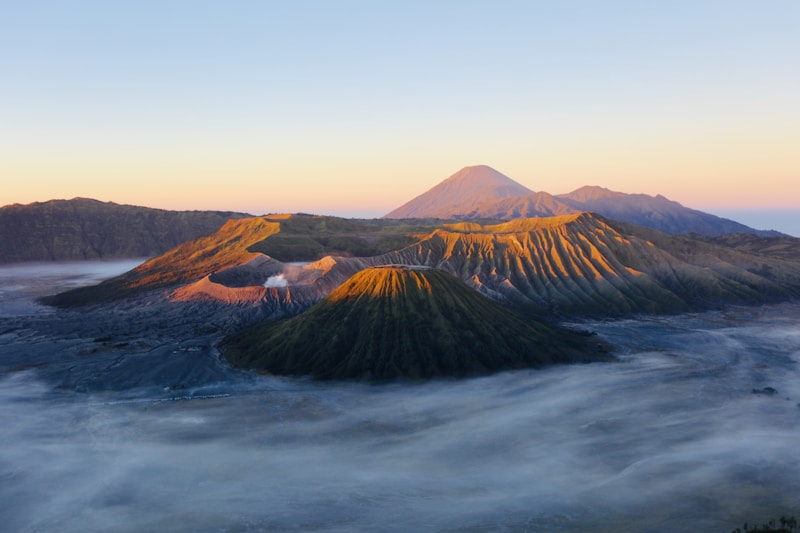
Mount Bromo Volcano

Mount Bromo Volcano

Stand at the rim of the active Mount Bromo volcano in East Java and gaze across the otherworldly Sea of Sand caldera. Best experienced at sunrise when the landscape turns golden.

What a liveaboard in Indonesia costs

The calendar below shows how liveaboard prices shift month by month, so you can see exactly when your money goes furthest. We want every diver to get the best possible value, which is why we highlight the seasons that balance great conditions with the fairest rates.

Indonesia offers a liveaboard for nearly every budget, with nightly rates typically ranging from €150 to €450. The vast fleet includes everything from affordable traditional phinisi schooners to premium modern yachts, which is the main driver of cost differences. Prices also vary based on the season and the remoteness of the itinerary, with expedition-style trips to the Banda Sea or Raja Ampat commanding higher rates than standard Komodo routes.

$160–$551

per day liveaboard

$34–$91

per 2-tank dive trip

$17–$227

hotel per night

Prices reflect typical costs for mid-range to premium options. Budget alternatives may be available.

Getting to Denpasar and Sorong: flights and transfers

Reaching your Indonesian liveaboard typically involves an international flight into a major hub like Bali (DPS) or Jakarta (CGK), followed by a domestic connection. For Komodo trips, you will fly to Labuan Bajo (LBJ), while Raja Ampat departures from Sorong require a flight to Domine Eduard Osok Airport (SOQ). Most nationalities can obtain a 30-day Visa on Arrival, but ensure your passport has at least six months of validity.

Insider tips

🚢

Liveaboards are the best way to reach remote sites like Raja Ampat and Banda Sea — day trips don't exist there.

🚢

Book during shoulder season (April/May or October/November) for 20–30% lower prices on liveaboards.

🤿

Local dive operators in Bali and Komodo are significantly cheaper than international ones — expect €25–€40 per 2-tank dive.

🍽️

Street food costs under €2 per meal. Warungs (local eateries) offer full meals for €3–€5.

✈️

Book domestic flights early via Lion Air, Citilink, or Garuda Indonesia — last-minute fares can be 3x higher.

💡

Raja Ampat requires a Marine Park Entry Permit (TAG) of IDR 1,000,000 (~€60) valid for one year.

Getting there

Ngurah Rai International Airport

Bali (Denpasar)DPS

Main international gateway. Direct flights from Singapore, Kuala Lumpur, Tokyo, Sydney, Dubai, and Europe. Hub for domestic connections to Komodo, Raja Ampat, and Alor.

Soekarno-Hatta International Airport

JakartaCGK

Indonesia's largest airport with global connections. Transit hub for flights to Sorong (Raja Ampat) and Manado (Lembeh/Bunaken).

Komodo Airport

Labuan Bajo (Flores)LBJ

Gateway to Komodo National Park. Daily flights from Bali (1.5h). Most Komodo liveaboards depart from here.

Domine Eduard Osok Airport

Sorong (West Papua)SOQ

Gateway to Raja Ampat. Flights from Jakarta (4h) or Makassar (3h). Liveaboards and ferries to Raja Ampat depart from Sorong harbor.

Mali Alor Airport

Alor (NTT)ARD

Small regional airport. Fly via Kupang (KOE) from Bali. Some liveaboards include Alor in Komodo–Alor crossing itineraries.

Sam Ratulangi International Airport

Manado (North Sulawesi)MDC

Gateway to Bunaken and Lembeh Strait. Direct flights from Singapore, Bali, and Jakarta.

Entry requirements

Most nationalities can obtain a Visa on Arrival (VOA) for 30 days at major Indonesian airports and seaports for IDR 500,000 (~€30). This can be extended once for another 30 days at a local immigration office. Citizens of ASEAN countries and select others receive visa-free entry for 30 days. For stays over 60 days, a social/cultural visa (B211A) must be arranged before arrival. A passport valid for at least 6 months and proof of onward travel are required.

This information is provided as a general guide only. Visa regulations change frequently. Please verify the latest requirements on the official Indonesian immigration website before traveling.

Official Immigration Information →

Frequently asked questions about Indonesia liveaboards

How much should I budget for an Indonesia liveaboard in 2026?
While your liveaboard price covers the essentials, you should also budget for extras when planning for 2026. Plan for national park fees ($45-$100 per person), crew tips (around $200-$350 per guest for a week), and potential nitrox fees ($100-$200), bringing cash in USD, EUR, or IDR for these payments.
When is the best time to go on a liveaboard in Indonesia?
Indonesia offers amazing diving year-round, but the best time depends on where you go. For Raja Ampat's calm seas and peak biodiversity, aim for October to April. Komodo is best from April to November for its famous currents and manta ray encounters, while the remote Banda Sea's hammerhead season falls in two short windows: March-April and September-November.
Do I need advanced certification for an Indonesia liveaboard?
Yes, most operators require an Advanced Open Water certification with a minimum of 50 logged dives. This is because regions like Komodo and Raja Ampat are famous for strong currents where you'll need experience. Some specific itineraries, like those in the Banda Sea or southern Komodo, may even require 100+ dives.
Which ports do Indonesia liveaboards depart from?
Departure ports are spread across the archipelago to access the best dive regions. Liveaboards for Raja Ampat typically depart from Sorong, while Komodo trips almost always sail from Labuan Bajo. For the more remote Banda Sea itineraries, boats usually depart from Ambon or Saumlaki.
What marine life can I see on a liveaboard in Indonesia?
You'll be diving in the Coral Triangle, the global center of marine biodiversity. Expect to see manta rays and sharks in Komodo's current-swept channels, and explore the planet's most diverse reef systems in Raja Ampat. For a chance to witness large schools of hammerhead sharks and other pelagics, a trip to the remote Banda Sea is unforgettable.
What are the safety requirements for an Indonesia liveaboard?
Safety is paramount, and all divers must have comprehensive dive insurance that specifically covers hyperbaric treatment. Be aware that recompression chambers are located in hubs like Bali and Sorong, and an evacuation from a remote dive site can take 12-24 hours. Your insurance policy will be checked before you are allowed to board.
What special gear should I pack for an Indonesia liveaboard?
A reef hook and a personal dive computer are essential items for Indonesia's current-rich dive sites. For wetsuits, a 3mm is usually sufficient for Raja Ampat (28-30°C), but you'll want a 5-7mm suit and hood for southern Komodo, where water temperatures can drop to 20°C. Also, remember to pack a European two-pin power adapter for charging your devices.

Indonesia compared with other liveaboard destinations

Honest, in-depth comparisons to help you decide between destinations, certifications, equipment and dive styles.

Indonesia vs Philippines Liveaboard: Where to Dive in the Coral Triangle?

Indonesia and the Philippines together form the heart of the Coral Triangle — the global epicenter of marine biodiversity. Both countries offer hundreds of islands, world-class macro photography, big-animal encounters and warm tropical water. Yet the two destinations attract slightly different divers: Indonesia is the bigger, more famous brand with iconic regions like Raja Ampat, Komodo and Lembeh. The Philippines is quieter, more affordable, and increasingly popular for thresher sharks, sardines and accessible muck diving. **Indonesia** has roughly 17,500 islands and the most diverse marine fauna on Earth. Its liveaboard fleet is the largest in Southeast Asia, with classic phinisi schooners and modern steel yachts plying routes through Komodo, Raja Ampat, Banda, Alor, Halmahera and the Forgotten Islands. Trip prices range widely — €1,500/week budget phinisis to €6,500/week luxury yachts. **Philippines** has 7,641 islands and a more compact dive scene. Liveaboards focus on Tubbataha (a UNESCO reef in the Sulu Sea), Visayas (Malapascua, Cebu, Bohol) and Coron (wreck diving). The Tubbataha season is short (March–June) which concentrates the best diving into a narrow window. Trip prices typically run 30–40% below comparable Indonesian routes. This guide compares biodiversity, dive style, cost, accessibility and which destination fits which type of diver.

Read comparison

Komodo vs Raja Ampat: Which Indonesian Liveaboard Should You Choose?

Komodo and Raja Ampat are the twin crowns of Indonesian liveaboard diving — both inside the Coral Triangle, both home to the highest marine biodiversity on Earth, and both increasingly featured on bucket lists. The choice between them used to be simple (Raja Ampat was harder to reach, Komodo was easier) but improved flight connections to Sorong have evened the playing field. Today the question is more about what kind of diving experience you want. **Komodo National Park** sits between Flores and Sumbawa in the Lesser Sunda Islands. Strong currents flush the channels between islands, fueling explosive growth of soft corals and massive schools of fish. Komodo divers move fast, often hooking in or drift-diving with manta rays at Karang Makassar, sharks at Castle Rock, and schooling barracuda at Crystal Bay. Topside, Komodo dragons stalk Rinca and Komodo islands — a unique combination no other dive destination offers. **Raja Ampat** lies further east, in West Papua, an archipelago of 1,500+ limestone islands rising from turquoise water. It holds the title of most biodiverse marine ecosystem on the planet: more than 1,500 fish species and 75% of the world's known coral species. Diving here is calmer overall (with notable exceptions like Cape Kri and Blue Magic), focused on macro life, immense schools of bait fish, walking sharks, wobbegongs, and reef tableaus that look painted. This guide breaks down marine life, cost, accessibility, dive difficulty and seasons so you can pick the right Indonesian liveaboard for your next trip.

Read comparison

Liveaboard vs Land-Based Diving: Which Trip Is Right for You?

Choosing between a liveaboard and a land-based dive trip is the most fundamental decision divers face when planning a serious diving holiday. The right answer depends on your priorities: maximum dive count and access to remote sites favor liveaboards; beach time, family flexibility and lower cost favor land-based resorts. Both formats have evolved significantly in the last decade, and the line between them has blurred — luxury dive resorts now offer multi-day expedition trips, while many liveaboards include topside excursions and even spa days. This guide compares the two formats across every meaningful dimension: cost per day, dives per day, marine life access, comfort, social dynamics, family-friendliness, and travel logistics. We'll also cover the hybrid models (resort + day-charter, or 'safari boat' itineraries) that try to capture the best of both worlds. If you're certified, in love with diving and want to maximize bottom time, a liveaboard is almost always the better choice — you can clock 25+ dives in a week and reach sites no day boat can. If you're traveling with non-divers, prefer land-based comfort, or want flexibility to take days off, a resort wins. We'll get into all the nuances below.

Read comparison
Plan your trip

Ready to dive?

Explore our expedition vessels and find your perfect trip to Indonesia