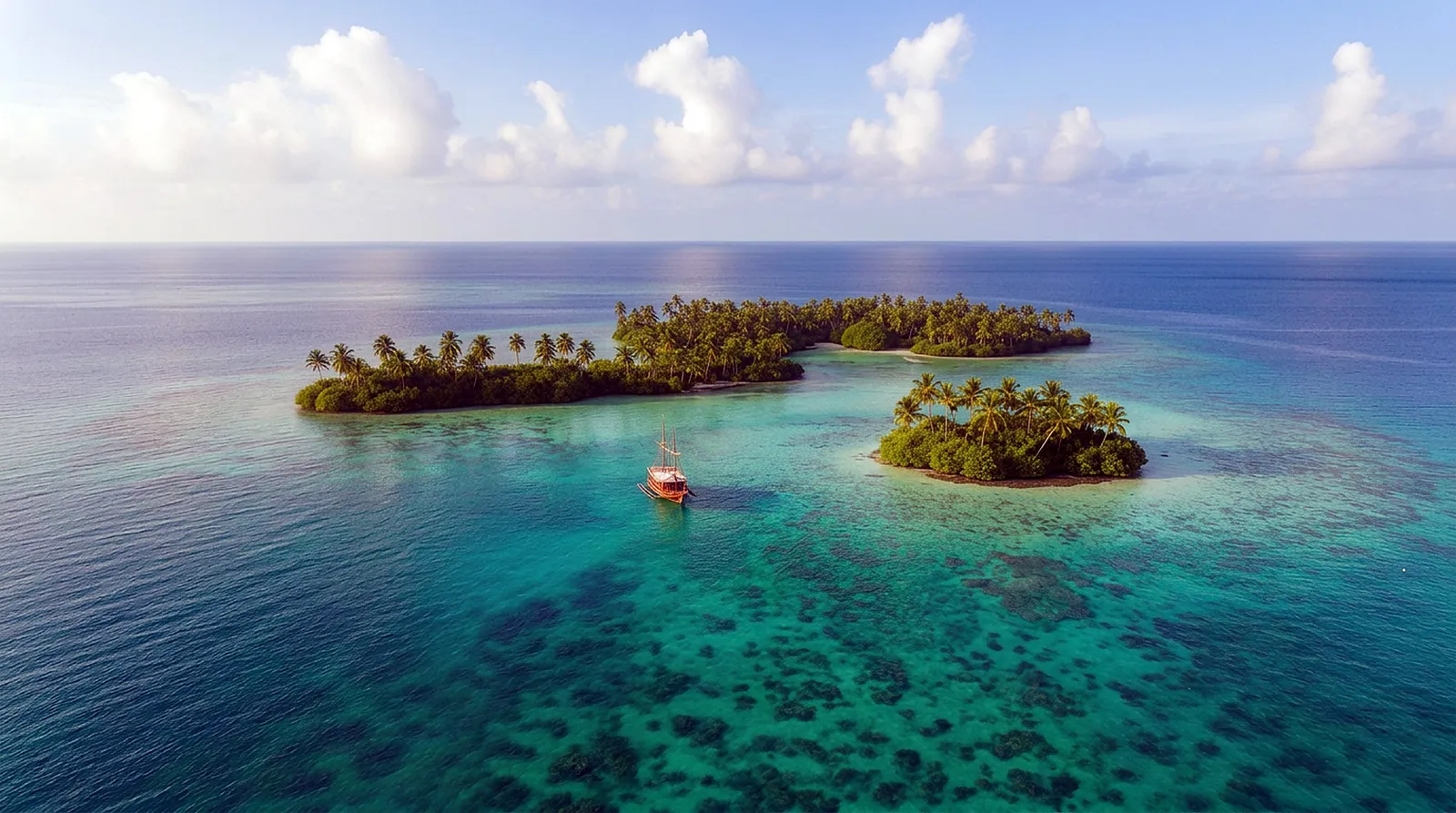
Conditions in March
Diving the Banda Sea in March is a unique proposition, lying squarely in the transition period between the two main monsoon seasons. While many divers flock to this region during the generally calmer months of September to November, March offers entirely different, yet equally rewarding, conditions. You’ll find the sea state can be a mixed bag; typically, you might encounter moderate swells, particularly in the more exposed areas, but many dive sites within sheltered coves and bays remain calm and easily accessible. Wind patterns are shifting, meaning you could experience anything from light breezes to more sustained winds, influencing surface conditions. Water temperatures are beautifully consistent and comfortable, hovering around 27-29°C (81-84°F) throughout the region, making for excellent long dive times without feeling the chill. Visibility, however, is a notable characteristic of March in the Banda Sea. While it won't typically reach the astounding 30-40 meter visibility you find during the peak dry season, you can still expect a very respectable 15-25 meters. This slightly lower visibility is often due to increased plankton blooms, which ironically, are exactly what attract the magnificent pelagic life the Banda Sea is famous for.
Currents in March can be a significant factor, particularly in certain channels and around exposed pinnacles. The Banda Sea is a major migratory pathway, and these currents are vital to the movement of nutrients and marine life. You should be prepared for moderate to strong currents at times, especially when diving deeper or around seamounts. This makes for thrilling drift dives but does necessitate good buoyancy control and experience. Liveaboards operating during this period are expert at reading the conditions and positioning themselves for optimal, safe diving. The air temperature is consistently warm, usually in the low 30s °C (high 80s °F), with occasional tropical downpours that quickly pass. Overall, March in the Banda Sea is for the diver who appreciates dynamic conditions and understands that the rewards, in terms of marine life encounters, are truly exceptional thanks to the prevailing environmental factors.
What you will see
March in the Banda Sea is all about the pelagics, and you are in for an absolute treat. The increased nutrient levels from the shifting monsoons and currents create a veritable buffet for larger marine life, making it a prime time for those awe-inspiring encounters. You should absolutely anticipate thrilling sightings of various shark species. Scalloped hammerhead sharks, in particular, are frequently sighted during this transition period, often in impressive schools around seamounts and drop-offs. Keep your eyes peeled for grey reef sharks, whitetips, and even the occasional thresher shark. Beyond sharks, the Banda Sea is a known highway for many large pelagic species. Giant trevally, dogtooth tuna, and barracuda are common sights, often hunting in large packs, providing incredible action-packed dives. You'll likely witness the sheer power and beauty of these oceanic predators. While not as consistent as sharks, manta rays and mobula rays also pass through the region, often feeding in the current-rich areas.
What truly sets March apart is the potential for some truly extraordinary megafauna encounters. It's during this time that you have a higher chance of witnessing the migration of various whale species, including sperm whales and even blue whales, which traverse these deep waters. While encounters are never guaranteed, the sheer possibility adds an unparalleled level of excitement to each dive and surface interval. Below the surface, while the focus is heavily on the pelagics, the reef systems continue to thrive with vibrant soft and hard corals. You'll still spot an abundance of colorful reef fish, macro subjects like nudibranchs and pygmy seahorses, and a healthy population of turtles. However, it's the large, open-ocean encounters that define a Banda Sea trip in March. The slightly murkier water is a small price to pay for the sheer density and diversity of large marine creatures attracted by the plankton-rich conditions.
Top dive sites this month
When diving the Banda Sea in March, certain sites truly shine due to the conditions and the migratory patterns of marine life. A perennial favorite and often producing incredible pelagic encounters is the area around Gunung Api, or "Fire Mountain". This active volcano rises dramatically from the sea, and its underwater topography creates perfect conditions for schooling hammerheads. The currents here can be robust, but it’s precisely these currents that bring in the nutrient-rich water. You’ll also find pristine hard coral gardens, albeit with a volcanic backdrop, and an impressive array of reef fish. Just be mindful of the volcanic heat vents which sometimes emit warm water, adding to the unique experience.
Another excellent region to explore in March is the cluster of islands around Hatta Island (Pulau Hatta) and its surrounding atolls. These sites often offer slightly more sheltered conditions than Gunung Api, but still benefit from the rich currents flowing through the archipelago. You can anticipate beautiful coral walls, deep pelagic drop-offs, and often schooling fish. Keep an eye out into the blue here, as larger sharks and tuna are frequently spotted. Finally, don't miss the opportunity to dive around the historical Banda Neira area itself, particularly sites like Mandarin City or the various jetties. While not as pelagic-focused, these offer captivating macro life, healthy reefs, and an incredible historical context. The slightly less clear water in March doesn't detract from the beauty of these sites, and the chance of spotting rarer critters might even increase with the plankton.
Practical tips for your trip
Planning your Banda Sea adventure in March means being prepared for an exciting and dynamic dive experience. Given the comfortable water temperatures of 27-29°C (81-84°F), you’ll likely be perfectly comfortable in a 3mm shorty or a full 3mm wetsuit. If you tend to get cold easily or plan on doing multiple long dives each day, a 5mm suit might offer a bit more insulation. This month truly suits experienced divers or advanced open water certified divers who are comfortable with varying current conditions and have excellent buoyancy control. Many of the most rewarding dives for pelagics involve drift diving or deeper excursions, so a strong understanding of your diving limits and proper safety procedures is essential. While adventurous beginners might be able to dive some of the calmer sites, the typical Banda Sea experience in March is tailored more towards those seeking exhilarating pelagic encounters in open ocean conditions. Don’t worry; liveaboard dive guides are experts at assessing your skill level and choosing appropriate dive sites.
Liveaboard availability in March can be a bit more limited compared to the peak season (Sept–Nov), as some operators choose to reposition their vessels. However, Blue Rides has access to the premier liveaboards that operate year-round or specifically during these transitional months, offering exceptional itineraries. It's always best to book well in advance to secure your preferred boat. Beyond your standard dive gear, consider bringing a good quality reef hook (used responsibly and only on dead rock or designated areas) to manage currents, and a dive computer with nitrox capabilities for those longer bottom times. A surface marker buoy (SMB) is also a crucial safety item for signalling after drift dives. On deck, pack light, breathable clothing, good sun protection (hat, sunglasses, reef-safe sunscreen), and a reusable water bottle. Remember, March is a dynamic time in the Banda Sea, promising unparalleled marine life encounters for those ready to embrace the adventure. Be open to flexible itineraries, as dive sites will be chosen daily based on prevailing conditions to maximize your dive experience and safety.
Year-round overview for the Banda Sea
Frequently asked questions
Is March a good month to dive in the Banda Sea?
What can you see diving in the Banda Sea in March?
Should I book a the Banda Sea liveaboard for March or wait?
Find a liveaboard for March
Compare available the Banda Sea liveaboards departing in March.
Search and Book