Conditions in March
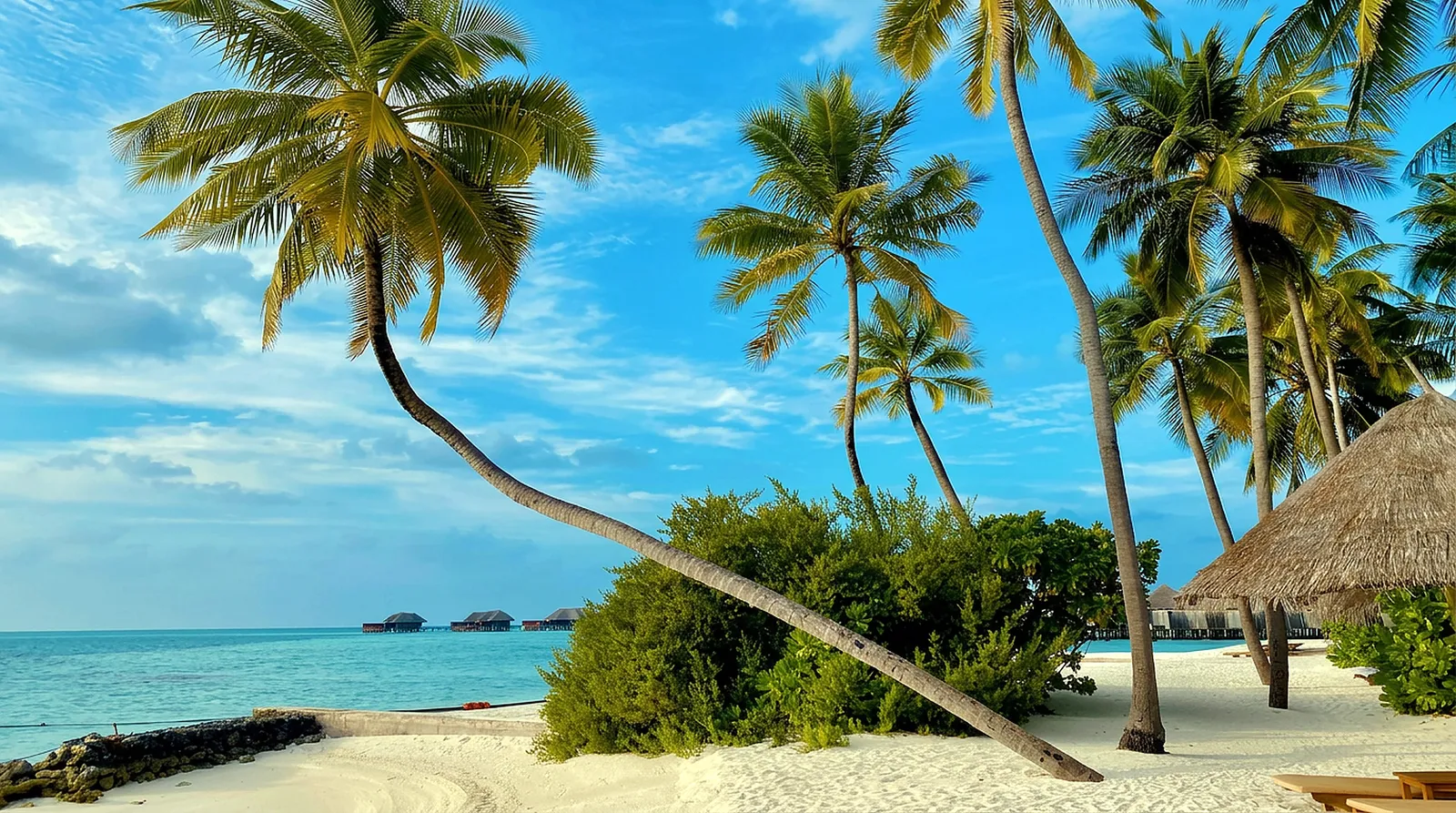
If you’re dreaming of the perfect Caribbean dive escape, March in the Cayman Islands is as close to perfection as it gets. You’re hitting the sweet spot of the dry season. This means topside you can expect day after day of glorious sunshine, low humidity, and beautifully warm air temperatures averaging around 28°C (82°F). The rainy season is a distant memory, and the occasionally gusty winter “Northwesters” have typically calmed down, leaving the seas wonderfully settled. For divers, this translates to smooth boat rides and easy access to all the premier dive regions, including those more exposed sites that can be tricky in other months.
Underwater, the conditions are just as sublime. Get ready for water temperatures that hover consistently between 26-27°C (79-81°F). It’s that perfect balance, warm enough for extended bottom times without getting chilled, yet cool enough that the marine life remains vibrant and active. Most importantly, the visibility in March is simply phenomenal. With minimal rain and runoff from the islands, the water clarity is at its peak. It’s not uncommon to experience visibility that stretches well beyond 30 meters (100+ feet), turning every dive into a high-definition experience. Imagine descending onto a wall and seeing the entire coral-encrusted structure laid out before you in crystal-clear detail.
The currents around the islands are generally mild year-round, and March is no exception. This makes for wonderfully relaxed and stress-free diving. Instead of fighting to hold your position, you can drift gently along the breathtaking walls, focus on your photography, or simply soak in the majesty of the underwater world. This predictability makes the Cayman Islands in March an exceptionally comfortable destination, allowing you to focus on the incredible biodiversity and topography without battling the elements. It’s the kind of effortless diving that lets you completely immerse yourself in the moment.
What you will see
The Cayman Islands’ reputation is built on its incredibly healthy and dramatic reef systems, and in March, they are on full display. The walls of Little Cayman and Grand Cayman are adorned with enormous, brightly colored barrel sponges, intricate sea fans, and thriving hard and soft corals. Weaving through this vibrant tapestry, you’ll find a kaleidoscope of reef fish. Expect to be surrounded by schools of horse-eye jacks, Chromis that glitter like confetti, and processions of sergeant majors. Tarpon, with their huge, silver scales, often patrol the canyons and swim-throughs, while elegant French and Queen angelfish curiously approach divers. The sheer density and health of the fish populations here are a testament to the islands’ long-standing commitment to marine conservation.
While the reef life is spectacular, it’s the larger encounters that often create the most lasting memories. You are almost guaranteed to see graceful Spotted Eagle Rays gliding effortlessly along the walls, often in pairs or small groups. Hawksbill and Green Sea Turtles are also extremely common, placidly munching on sponges or resting on sandy patches. When it comes to sharks, you’re most likely to encounter Caribbean Reef Sharks patrolling the reef edge and Nurse Sharks snoozing under ledges. Of course, the most famous residents are the Southern Stingrays. The world-famous Stingray City offers a unique, shallow-water interaction that is truly unforgettable, but you’ll also find them buried in the sand on many other reef dives. For those diving the deep walls of Little Cayman, keep an eye on the blue; while not a daily occurrence, the clear, cool water of March offers a slightly better chance of a surprise visit from a solitary Scalloped Hammerhead.
Don't forget to look closer, as the macro life is equally rewarding. The sandy patches between coral heads are home to Yellow-headed Jawfish, which cautiously rise from their burrows, sometimes with a mouthful of eggs. Look for tiny Pederson Cleaner Shrimp dancing on anemones, or well-camouflaged scorpionfish waiting patiently for their next meal. Colourful blennies and gobies dart between coral branches, and lucky divers might spot a secretive octopus or a flamboyant flamingo tongue snail on a gorgonian. The sheer variety, from the massive to the minute, ensures that every single dive holds the promise of a new and exciting discovery.
Top dive sites this month
With the calm seas of March opening up the entire archipelago, your dive itinerary can include the absolute best of the best. The undisputed king is Little Cayman’s **Bloody Bay Wall Marine Park**. This is the stuff of legends. The wall here starts in as little as 6 meters (20 feet) of water before plummeting vertically into the abyss. March's flat-calm conditions make the boat journey and the diving here a pleasure. Sites like **Mixing Bowl**, where two distinct wall systems merge, offer an explosion of life, from pelagics in the blue to macro critters on the reef crest. **Great Wall West** is another mind-blowing section, a sheer cliff face decorated with a living tapestry of neon-yellow tube sponges and gigantic corals.
Back on Grand Cayman, the famous **North Wall** is completely in play. While winter winds can make it choppy, March is prime time. Dive sites like **Babylon** and **Ghost Mountain** offer incredible pinnacles and drop-offs that will take your breath away. On the island's sheltered west side, you cannot miss the **USS Kittiwake**. This former submarine rescue vessel was sunk perfectly upright and is an incredible multi-level playground for divers of all certifications. It’s an accessible, fascinating, and highly photogenic wreck. And, of course, no trip is complete without a visit to **Stingray City**, a shallow and interactive experience that is consistently rated as one of the best animal encounters in the world.
Practical tips for your trip
Packing your dive bag for a March trip is straightforward. With water temperatures at a comfortable 26-27°C (79-81°F), a 3mm full wetsuit is the perfect choice for most divers, providing enough warmth for multiple dives a day without restricting movement. If you tend to run warm, a shorty or even just a rash guard might suffice. This month is truly fantastic for divers of every experience level. The calm, current-free conditions and amazing visibility make it an ideal environment for newer divers or those looking to complete a certification. Simultaneously, the profound depths of the walls, intricate wreck penetration possibilities on the Kittiwake, and stunning biodiversity provide more than enough to thrill even the most seasoned and advanced divers.
March is peak season in the Caymans, so liveaboard trips fill up fast. To secure your spot on a vessel that can whisk you between Grand Cayman, Little Cayman, and Cayman Brac, booking well in advance is highly recommended. A liveaboard is by far the most efficient way to experience the legendary diving of all three islands in a single trip. Beyond your dive gear, be sure to pack reef-safe sunscreen, a good hat, and polarized sunglasses for the bright, sunny days. Remember that you are diving within a protected marine park. Perfect your buoyancy skills to avoid any contact with the pristine coral, follow your dive guide’s briefings, and leave nothing but bubbles. This collective respect is what keeps the Cayman Islands a world-class diving destination for all of us to enjoy.
Year-round overview for the Cayman Islands
Frequently asked questions
Is March a good month to dive in the Cayman Islands?
What can you see diving in the Cayman Islands in March?
Should I book a the Cayman Islands liveaboard for March or wait?
Find a liveaboard for March
Compare available the Cayman Islands liveaboards departing in March.
Search and Book