Cayman Islands Liveaboard Diving
Divers Alert Network (DAN) logoFree dive insuranceincluded with every booking

Liveaboards in the Cayman Islands

from $337 / day

1 of 1 · Cayman Islands liveaboard routes, seasons & prices

Cayman Aggressor IV

Discover the finest diving the Cayman Islands has to offer with total security and relaxation.

  • New Linens and Personal Care Kits
  • In-Room Media Screens
  • Suites with Ocean Vistas
18 guestsfrom $337/day

Diving in the Caribbean: wrecks, walls and marine life

The Cayman IslandsGrand Cayman, Cayman Brac, and Little Cayman, sit on the Cayman Ridge, an underwater mountain chain that rises from the 7,000-meter-deep Cayman Trench. This dramatic geology produces the country's signature feature: vertical walls that drop from 12 meters straight into the abyss, often within 100 meters of the shoreline. The result is some of the most consistent and accessible wall diving in the entire Caribbean.

Bloody Bay Wall off Little Cayman is widely considered the best wall dive in the Caribbean. Starting at just 5 meters and falling vertically beyond 600 meters, the wall is encrusted with sponges, sea fans, and black coral. Caribbean reef sharks, turtles, and Nassau groupers patrol the edge, while juveniles shelter in the shallow reef plate above.

Stingray City, in Grand Cayman's North Sound, has become one of the world's most famous shallow-water encounters. Dozens of southern stingrays glide through waist-deep water, descended from animals that once gathered to feed on fish scraps from local boats. The site is suitable for snorkelers and brand-new divers alike, while the deeper Stingray Sandbar offers the same encounter without crowds.

Cayman Brac is renowned for the MV Captain Keith Tibbettsthe only diveable Russian frigate in the Western Hemisphere. Sunk as an artificial reef in 1996, the 100-meter warship now sits broken across a sand bottom from 18 to 30 meters and has been completely colonized by reef life. Nearby reefs and walls offer some of the country's most pristine diving.

Little Cayman's Marine Park protects almost the entire coastline of the island, and the population of just 200 residents means dive sites see remarkably little pressure. Outside Bloody Bay, sites like Mixing Bowl and Donna's Delight combine wall diving with shallow patch reefs hosting healthy populations of Nassau grouper, a species that has collapsed almost everywhere else in the Caribbean.

Grand Cayman's Kittiwake wreck, a former US Navy submarine rescue vessel, sits upright at 18 meters and is one of the most accessible large wrecks anywhere. The island also offers night dives at Sunset Reef where bioluminescence and tarpon hunts create an unforgettable experience. With water temperatures of 26–29°C, visibility frequently above 30 meters, and a marine protection program in place since 1986, the Cayman Islands remain the gold standard for Caribbean wall and wreck diving.
Why dive a liveaboard in the Cayman Islands

From legendary wrecks and thriving reefs to close-up encounters with iconic marine life, this destination offers the experiences divers dream about. Warm, clear waters and well-organized liveaboard routes make it easy to explore the best sites. These are the highlights that keep divers coming back year after year.

Stingray City

World-famous shallow sandbar with dozens of friendly stingrays

Wall diving

Dramatic drop-offs plunging from 6m to over 1,800m

365+ dive sites

Three islands offering incredible variety for all levels

Crystal clarity

Visibility regularly exceeds 30 metres year-round

Who a liveaboard in the Caribbean suits, and who it doesn't

Calm, clear and superbly organised: Cayman is wall diving with excellent infrastructure and a chamber on island.

Beginners

Open Water, from about 20 dives

Seven Mile Beach reefs and Stingray City in about 4 metres are shallow, calm and ideal for first ocean dives.

Matching areas:Seven Mile BeachStingray CityNorth Sound

Advanced divers

Advanced, wall diving

The Bloody Bay Wall on Little Cayman starts around 6 metres and drops vertically into open ocean; buoyancy control matters more than current here.

Matching areas:Bloody Bay WallLittle CaymanCayman Brac

Deep and technical

Deep, Nitrox, wreck penetration

The USS Kittiwake sits upright in roughly 5 to 20 metres, the MV Captain Keith Tibbetts on Cayman Brac at about 12 to 30 metres, and the walls continue far past recreational depth for technical teams.

Matching areas:USS KittiwakeCaptain Keith TibbettsBloody Bay Wall

Photo and video

Wide-angle in exceptional visibility

Visibility regularly exceeds 30 metres; sponge-covered wall faces, the Kittiwake’s open structure and stingray encounters in bright shallow sand.

Matching areas:Bloody Bay WallUSS KittiwakeStingray City

Best time to dive in the Cayman Islands

Diving in the Cayman Islands is superb year-round, with consistently clear water often exceeding 30 meters and temperatures ranging from 26°C to 30°C. The best overall conditions are found during the dry season from November to April, which brings the calmest seas. While the summer months from August to October carry some risk of hurricanes, this period also offers the warmest water and can mean lower prices.

👆 Click any month for detailed conditions
Excellent
Good
Off-Season

Dec – Jun (Peak)

Best visibility up to 40m, calm seas, comfortable temperatures, ideal conditions for wall diving.

Jul – Aug & Nov (Shoulder)

Warmer water, occasional rain, still excellent diving. Good time for tarpon and turtle sightings.

Sep – Oct (Hurricane)

Hurricane season with unpredictable weather. Some operators may limit trips. Best prices of the year.

Underwater visibility

42m
(138ft)
30m
(98ft)
18m
(59ft)
Jan
Feb
Mar
Apr
May
Jun
Jul
Aug
Sep
Oct
Nov
Dec

Air & water temperature

34°C 29°C 24°C
26°
27°
26°
27°
26°
28°
27°
29°
28°
30°
29°
31°
29°
32°
30°
32°
30°
31°
29°
30°
28°
29°
27°
28°
Jan
Feb
Mar
Apr
May
Jun
Jul
Aug
Sep
Oct
Nov
Dec
Water
Air (Day)

Recommended wetsuit

5mm
5mm
5mm
3mm
3mm
3mm
3mm
3mm
3mm
3mm
3mm
3mm
Jan
Feb
Mar
Apr
May
Jun
Jul
Aug
Sep
Oct
Nov
Dec
3mm (warm)
5mm (moderate)
Wetsuit Guide

What you'll see diving in the Caribbean

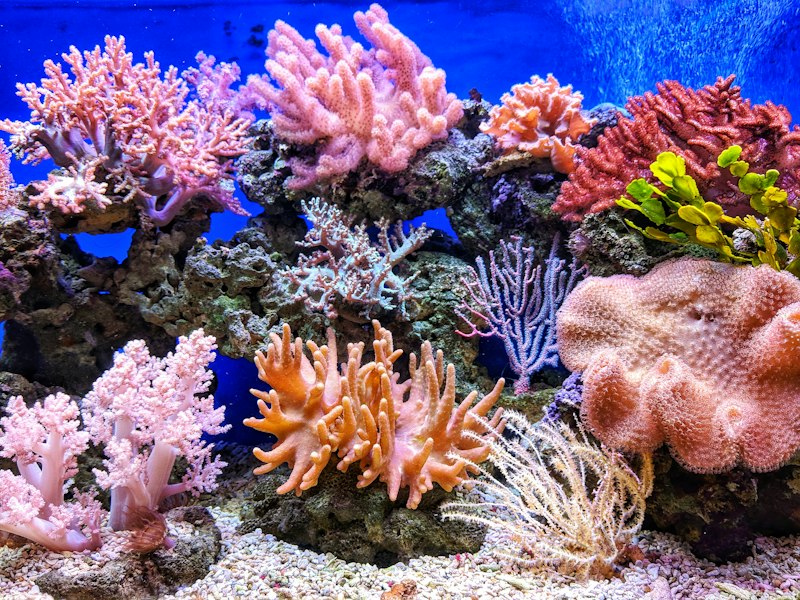
Cayman's healthy reefs and protected waters support a rich variety of Caribbean marine life, from vibrant sponges and corals on the walls to abundant fish. Divers can expect encounters with hawksbill and green turtles, Caribbean reef sharks, and impressive schools of tarpon. Little Cayman is a sanctuary for the Nassau grouper, and Grand Cayman's North Sound is world-famous for its incredible gatherings of southern stingrays at Stingray City.

When to See What

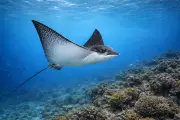
Use this calendar as a guide: the highlighted months show when your chances are usually best. Wildlife follows its own rhythm, so sightings are never guaranteed, but we hope this makes planning a little easier. While charismatic species like southern stingrays and Caribbean reef sharks are seen all year, some encounters follow a seasonal rhythm. The winter months from December to April are prime time for spotting eagle rays and Nassau groupers, while large schools of tarpon are more common from March to June.

Species
Jan
Feb
Mar
Apr
May
Jun
Jul
Aug
Sep
Oct
Nov
Dec
Whale Shark
Whale Shark
?
?
?
?
?
?
?
?
?
?
?
?
Humpback Whale
Humpback Whale
?
?
?
?
?
?
?
?
?
?
?
?
Coral
Coral
?
?
?
?
?
?
?
?
?
?
?
?
Soft Coral
Soft Coral
?
?
?
?
?
?
?
?
?
?
?
?
Oceanic Manta Ray
Oceanic Manta Ray
?
?
?
?
?
?
?
?
?
?
?
?
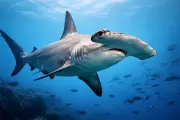
Great Hammerhead
Great Hammerhead
?
?
?
?
?
?
?
?
?
?
?
?
Tiger Shark
Tiger Shark
?
?
?
?
?
?
?
?
?
?
?
?
Scalloped Hammerhead
?
?
?
?
?
?
?
?
?
?
?
?
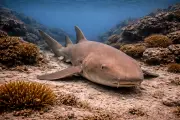
Nurse Shark
Nurse Shark
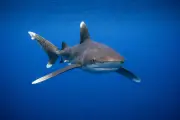
Oceanic Whitetip Shark
?
?
?
?
?
?
?
?
?
?
?
?
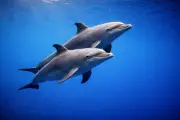
Bottlenose Dolphin
Bottlenose Dolphin
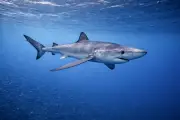
Blue Shark
Blue Shark
?
?
?
?
?
?
?
?
?
?
?
?
Silky Shark
Silky Shark
?
?
?
?
?
?
?
?
?
?
?
?
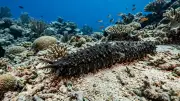
Sea Cucumber
Sea Cucumber
?
?
?
?
?
?
?
?
?
?
?
?
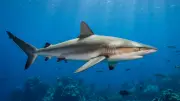
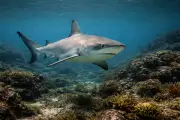
Caribbean Reef Shark
Eagle Ray
Eagle Ray
★
★
★
★
★
★
Best chances
Possible sightings
−
Unlikely sightings
?
Season data missing

Bloody Bay Wall and USS Kittiwake: the best dive sites in the Cayman Islands

A liveaboard is the only way to experience the full diversity of the Cayman Islands, from Grand Cayman's wrecks to the pristine walls of the sister islands. You will dive the legendary Bloody Bay Wall off Little Cayman, a sheer drop-off starting at just 5 meters, which is considered the Caribbean's best wall dive. The itinerary also includes the MV Captain Keith Tibbetts on Cayman Brac, the only diveable Russian frigate in the Western Hemisphere, and the accessible USS Kittiwake.

© EsriSource: Esri, Maxar, Earthstar, GIS Community · Labels © Esri, HERE, Garmin, FAO, NOAA, USGS
1
12–15m / 39–49ftBest: December–April19.5423°, -80.8223°

Parrot's Reef is a notable dive site found along Grand Cayman's South coast, distinct from the more frequently dived West and North Walls. This area is characterized by its shallower wall top, typically ranging from 12 to 15 meters (40-50 feet), making it particularly appealing for divers who appreciate extensive reef exploration and smaller marine inhabitants. The site shines when northerly winds make other areas less accessible, offering divers a sheltered and engaging alternative. The topography features flourishing coral reefs that provide a habitat for a diverse array of tropical fish and invertebrates. Unlike the dramatic drop-offs of the North Wall, Parrot's Reef presents a gentler underwater landscape, fostering an environment where intricate coral structures and macro subjects thrive. This makes it an ideal location for observation and underwater photography. While specific seasonality for marine life at Parrot's Reef isn't detailed, the Cayman Islands generally offer excellent conditions year-round for tropical species. The site is a haven for reef and macro lovers, where encounters with colorful fish and smaller creatures are common. The consistent warm waters of the Caribbean Current further support a healthy and active ecosystem at Parrot's Reef. Diving here provides a more relaxed experience, often with fewer boats compared to the busier West Wall. Operators typically schedule visits to the South coast when wind conditions favor this sheltered side, ensuring calm waters and optimal diving enjoyment. This strategic rotation allows divers to experience varied underwater environments around Grand Cayman, with Parrot's Reef offering a unique perspective on the island's southern marine biodiversity.

South coast reef explorationRich macro lifeHealthy coral formationsCalm, sheltered conditionsIdeal for reef and macro loversLess crowded dive site
2

Angelfish Reef

ReefBeginner
8–17m / 26–56ftBest: November–April19.6730°, -80.0510°

Angelfish Reef, situated southwest of Norman Island in the British Virgin Islands, and also identified as a site near George Town in Grand Cayman, is a captivating dive location celebrated for its distinctive underwater topography. The reef features a fascinating network of canyons and ridges, interspersed with coral fingers and sandy patches, creating a complex yet navigable environment for divers. Its shallow depths, averaging 8 meters and reaching a maximum of 17 meters, make it particularly accessible for divers of all experience levels. The site is famously named for its prolific angelfish population, including Queen, Blue, Gray, and French angels, alongside the beautiful Rock Beauty. Beyond these iconic residents, the reef’s vibrant ecosystem supports a wide array of marine life. Divers can frequently encounter stingrays and eagle rays gliding over the sandy bottoms, spotted drums, triplefin blennies, sea horses, various crustaceans, anemones, snake eels, moray eels, turtles, lobsters, and even nurse sharks. The shallow waters are adorned with a rainbow of gorgonians attached to white sand patches, complementing the diverse array of corals that thrive here. Visibility is generally excellent, enhancing the experience of exploring the intricate landscapes and observing the tiny creatures that hide within small crevices and among the lush coral formations. Angelfish Reef is considered ideal for novice divers, snorkelers, and freedivers due to its mild currents, manageable depths, and abundant marine biodiversity. The straightforward navigation allows for a relaxing exploration, emphasizing critter spotting and immersive reef observation, making it a highlight for those seeking a tranquil and richly populated underwater experience.

Canyons and ridges topographyAbundant angelfish speciesFrequent ray sightingsVibrant gorgonian gardensDiverse macro lifeShallow, easy divingExcellent visibility
3

Aquarium

ReefBeginner
40–60m / 131–197ftBest: December–April19.3444°, -81.3323°

Aquarium is a well-regarded dive site located in the West Bay region of Grand Cayman, known for its pristine waters and rich marine ecosystems. This area is characterized by its dynamic underwater topography, featuring extensive vertical wall drop-offs that begin in relatively shallow depths, alongside intricate coral formations and sand channels. The dive site offers consistent visibility, often exceeding 80 feet, providing excellent conditions for observing the abundant marine life. Divers can explore healthy coral gardens teeming with schooling fish and various invertebrates. The dramatic drop-offs into the deep blue Caribbean Sea create a thrilling backdrop for exploration. While specific seasonal marine life details for Aquarium are not provided, Grand Cayman generally offers regular encounters with sea turtles, rays, and tropical fish. The relatively calm sea conditions and predictable currents make it an accessible site for certified divers looking for both relaxing exploration and dramatic wall diving. DiveTech operates boat dives to this site, highlighting its appeal for experienced divers seeking clear waters and stunning formations.

West Bay wall drop-offsVibrant coral fingersAbundant schooling fishCrystal-clear watersExcellent visibilityDynamic sand channels
4

Julie’s Wall

WallIntermediate
17–30m / 56–98ftBest: March–June19.5373°, -80.7783°

Julie’s Wall is a standout dive site located in the East End of Grand Cayman, an area cherished for its remote and unspoiled nature. This site is celebrated for its rich coral formations and consistently clear waters, offering a serene yet vibrant underwater experience. Unlike many other locations, Julie's Wall features a distinctive overhanging section, a geological rarity shared only with Breaker’s Cutback. The topography begins with the top of the wall at approximately 17 meters (55 feet), adorned with black sponge outcroppings before descending. The overhang provides a reduced light environment, which encourages the growth of large, vibrantly colored sponges typically found in deeper waters. Below this, the wall slopes gently into the depths, revealing a labyrinth of coral and rock formations. Marine life at Julie's Wall is abundant and diverse throughout the year. Divers frequently encounter a variety of reef inhabitants, including pufferfish, parrotfish, moray eels, and turtles. Larger pelagic species such as eagle rays and reef sharks are also occasional visitors, especially along the deeper sections of the wall. The excellent visibility here, often ranging from 15 to 30 meters, enhances the viewing of both macro and pelagic subjects. Access to Julie's Wall is exclusively by boat, typically departing from resorts on the East Coast. Dive conditions are generally mild, with little to no surge and mild currents, making it suitable for intermediate divers. The site offers both shallower sections for extended bottom time and deeper areas along the wall for more experienced divers.

Overhanging wall featureLush coral coverageVibrant sponge growthExcellent visibilityDiverse reef fishOccasional eagle raysRemote East End location

Bucket-list dives worth booking early

A Cayman Islands liveaboard trip is defined by three iconic experiences that span the islands. The first is plunging over the sheer drop of Bloody Bay Wall on Little Cayman, a site renowned as the Caribbean's premier wall dive. Next is exploring the massive, intact USS Kittiwake wreck off Grand Cayman, followed by the unforgettable shallow-water encounter with dozens of friendly southern stingrays at the world-famous Stingray City.

Underwater view of the dive site Stingray City Experience in the Cayman Islands
1
Year-round

North Sound, Grand Cayman

Wade into the crystal-clear shallows of the North Sound and interact with dozens of friendly Southern stingrays – the most famous shallow-water wildlife encounter in the Caribbean.

Read more
Underwater view of the dive site USS Kittiwake Wreck in the Cayman Islands
2
Year-round

Seven Mile Beach

Explore the purposely sunk USS Kittiwake, a 77-meter submarine rescue vessel resting in just 20 meters of water, now transformed into a thriving artificial reef.

Read more
Underwater view of the dive site Bloody Bay Wall in the Cayman Islands
3
Year-round

Little Cayman

Plunge over the dramatic Bloody Bay Wall on Little Cayman, one of the Caribbean's most spectacular drop-offs, descending from 6 meters to over 1,800 meters.

Read more

Above water: climate, shore trips and extra costs

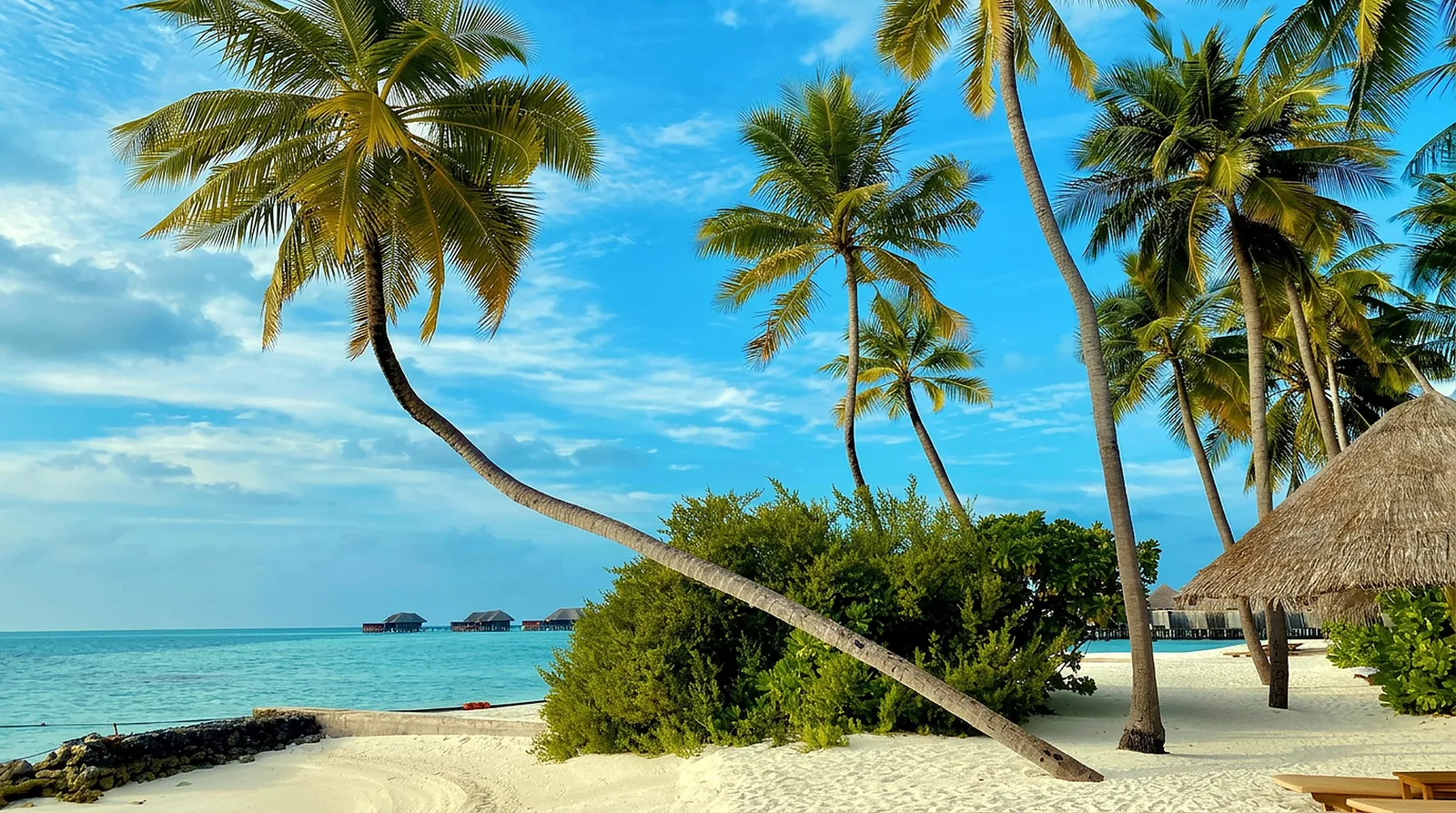
Between dives, the Cayman Islands offer a polished and beautiful topside experience. You can relax on the world-famous white sands of Seven Mile Beach or hike the dramatic limestone bluff on Cayman Brac. In Grand Cayman, visit the Queen Elizabeth II Botanic Park to see the rare Blue Iguana, or explore the colorful capital of George Town for duty-free shopping and a taste of local culture.

Seven Mile Beach

Seven Mile Beach

One of the Caribbean's most celebrated stretches of sand, Seven Mile Beach offers crystal-clear turquoise waters and powdery white sand.

Cayman Turtle Centre

Cayman Turtle Centre

A world-class marine park where visitors can interact with green sea turtles at various life stages.

Stingray City

Stingray City

Stand waist-deep in warm Caribbean waters as friendly southern stingrays glide around you.

Crystal Caves

Crystal Caves

Explore a spectacular underground world of ancient caverns adorned with stunning stalactites and stalagmites.

What a liveaboard in the Cayman Islands costs

The calendar below shows how liveaboard prices shift month by month, so you can see exactly when your money goes furthest. We want every diver to get the best possible value, which is why we highlight the seasons that balance great conditions with the fairest rates.

The Cayman Islands is a premium dive destination, and liveaboard prices reflect the high quality of the diving and service. While more expensive than some other Caribbean options, trips offer excellent value with comfortable vessels and packed dive schedules covering all three islands. Prices fluctuate seasonally, with the best deals often found during the summer hurricane season from August to October, while the peak dry season and holidays command higher rates.

$337

per day liveaboard

$150–$250

per 2-tank dive trip

$200–$400

hotel per night

Prices reflect typical costs for mid-range to premium options. Budget alternatives may be available.

Getting to Grand Cayman and Cayman Brac: flights and transfers

Reaching your liveaboard is straightforward, with most travelers flying into Owen Roberts International Airport (GCM) on Grand Cayman. The airport receives direct flights from major hubs in the US, Canada, and London, including Miami and Toronto. Most nationalities, including citizens of the US, UK, and EU, do not require a visa for short stays, though a valid passport is required.

Insider tips

🚢

Book early for peak season – Liveaboards fill up 6-12 months ahead

🍽️

September offers best deals – Lowest prices but monitor weather forecasts

🚢

Consider land-based diving – Day trips from George Town are more affordable than liveaboards

✈️

Fly midweek – Tuesday & Wednesday flights often 15-25% cheaper

💰

Compare Grand Cayman vs. Sister Islands – Little Cayman and Cayman Brac offer better rates

🎒

Bring your own gear – Rental equipment fees add up quickly over a multi-day trip

Getting there

Owen Roberts International Airport

Grand Cayman • GCM

Direct flights from Miami, New York, London, Toronto, and major US cities

Charles Kirkconnell International Airport

Cayman Brac • CYB

Inter-island flights from Grand Cayman

Entry requirements

Citizens of the US, Canada, UK, EU, and most Commonwealth countries do not require a visa for stays up to 30 days. A valid passport and return ticket are required.

This information is provided without guarantee. Please visit the official website for the latest entry requirements.

Official Immigration Information →

Frequently asked questions about liveaboards in the Cayman Islands

How much does a Cayman Islands liveaboard cost in 2026?
The cost for a Cayman Islands liveaboard in 2026 varies based on the boat's amenities and the season you choose to travel. While specific prices are listed on each trip, you'll find it convenient that US dollars are widely accepted for any expenses. You can easily compare liveaboards and find one that fits your budget on our site.
When is the best time for a Cayman Islands liveaboard trip?
Diving is excellent year-round, but the dry season from December to April offers the calmest seas and visibility that regularly exceeds 30 meters. For warmer water (28–29 °C), consider the summer months, but be mindful that hurricane season runs from June to November, with the highest risk in September and October.
Do I need advanced certification for Cayman Islands liveaboards?
An Advanced Open Water certification is highly recommended to fully experience what the Cayman Islands have to offer. The diving is famous for its spectacular vertical walls, like Bloody Bay Wall, which often descend beyond the 18m/60ft limit of an Open Water diver. This certification will ensure you don't miss out on the most iconic deep sites.
Which port do Cayman Islands liveaboards depart from?
Most liveaboards that explore the incredible Sister Islands of Little Cayman and Cayman Brac depart from a port on Grand Cayman. The specific marina and boarding details will always be provided in your final booking confirmation. This makes arranging your flights and transfers to the boat simple and convenient.
What are the top dive sites on a Cayman Islands liveaboard?
Liveaboards focus on the remote and pristine Sister Islands, home to some of the most famous dive sites in the Caribbean. You'll dive the legendary Bloody Bay Wall and Jackson's Bight on Little Cayman, which feature breathtaking vertical drops into the deep. Expect stunning coral, dramatic swim-throughs, and world-class visibility.
What should I pack for a liveaboard diving trip to the Cayman Islands?
A 3mm wetsuit is generally sufficient for the water temperatures year-round. Definitely pack a dive torch to explore the many fascinating swim-throughs and crevices in the walls. And of course, bring an underwater camera to capture the spectacular scenery and your memories of the trip.
Is tipping expected on a Cayman Islands liveaboard?
While tipping is customary in restaurants on shore, it is typically optional but very much appreciated on liveaboards for excellent service from the crew. For payments, the local currency is the Cayman Islands dollar (KYD), but US dollars are accepted everywhere, making transactions easy for visitors.

The Cayman Islands compared with other liveaboard destinations

Honest, in-depth comparisons to help you decide between destinations, certifications, equipment and dive styles.

Liveaboard vs Land-Based Diving: Which Trip Is Right for You?

Choosing between a liveaboard and a land-based dive trip is the most fundamental decision divers face when planning a serious diving holiday. The right answer depends on your priorities: maximum dive count and access to remote sites favor liveaboards; beach time, family flexibility and lower cost favor land-based resorts. Both formats have evolved significantly in the last decade, and the line between them has blurred — luxury dive resorts now offer multi-day expedition trips, while many liveaboards include topside excursions and even spa days. This guide compares the two formats across every meaningful dimension: cost per day, dives per day, marine life access, comfort, social dynamics, family-friendliness, and travel logistics. We'll also cover the hybrid models (resort + day-charter, or 'safari boat' itineraries) that try to capture the best of both worlds. If you're certified, in love with diving and want to maximize bottom time, a liveaboard is almost always the better choice — you can clock 25+ dives in a week and reach sites no day boat can. If you're traveling with non-divers, prefer land-based comfort, or want flexibility to take days off, a resort wins. We'll get into all the nuances below.

Read comparison

Cayman Islands vs. Honduras: Your Liveaboard Dive Showdown

Choosing your next liveaboard adventure in the Caribbean can be a delightful dilemma, especially when considering two iconic destinations like the Cayman Islands and Honduras. Both offer exceptional underwater experiences, but cater to slightly different preferences and dive styles. The Cayman Islands, comprising Grand Cayman, Cayman Brac, and Little Cayman, are renowned for their pristine visibility, dramatic wall dives, and world-class infrastructure. It’s a destination often associated with ease of access and consistently excellent conditions, making it a favorite for divers seeking a polished, comfortable experience. Conversely, Honduras, particularly the Bay Islands of Roatán, Utila, and Guanaja, offers a more rugged, adventurous vibe with its vibrant reef systems, unique marine life encounters, and a reputation for affordability, especially for those looking to extend their stay or combine diving with other activities. While both are situated in the warm waters of the Caribbean, their distinct characteristics in terms of marine biodiversity, dive site types, and overall travel experience warrant a closer look to help you decide which liveaboard journey best suits your diving aspirations.

Read comparison

Cayman Islands vs. Turks & Caicos: Which Caribbean Liveaboard Is for You?

Choosing your next Caribbean liveaboard adventure can be tough, especially when faced with two world-class contenders like the Cayman Islands and Turks & Caicos. Both offer spectacular diving, warm turquoise water, and top-tier service, but they deliver distinctly different underwater experiences. It's a classic head-to-head: the iconic, sheer walls of Cayman versus the wild, shark-rich reefs of Turks & Caicos. The Cayman Islands, particularly Little Cayman and Cayman Brac, are legendary for their breathtaking wall diving. Imagine plunging over a ledge into the gin-clear abyss, with vertical drop-offs decorated in sponges and corals, descending thousands of feet. It’s a polished, accessible, and visually stunning destination, famed for sites like Bloody Bay Wall and the unique Stingray City interaction. Turks & Caicos, on the other hand, offers a more rugged and remote feel. Your liveaboard will explore the uninhabited cays and deep-water passages that act as highways for marine life. The main draw here is the healthy population of Caribbean reef sharks that patrol the reefs of French Cay and West Caicos. Add the magic of migrating humpback whales in the winter, and you have a destination that promises thrilling, big-animal encounters.

Read comparison
Plan your trip

Ready to dive?

Explore our expedition vessels and find your perfect trip to Cayman Islands

4.8246 Reviews