Conditions in August
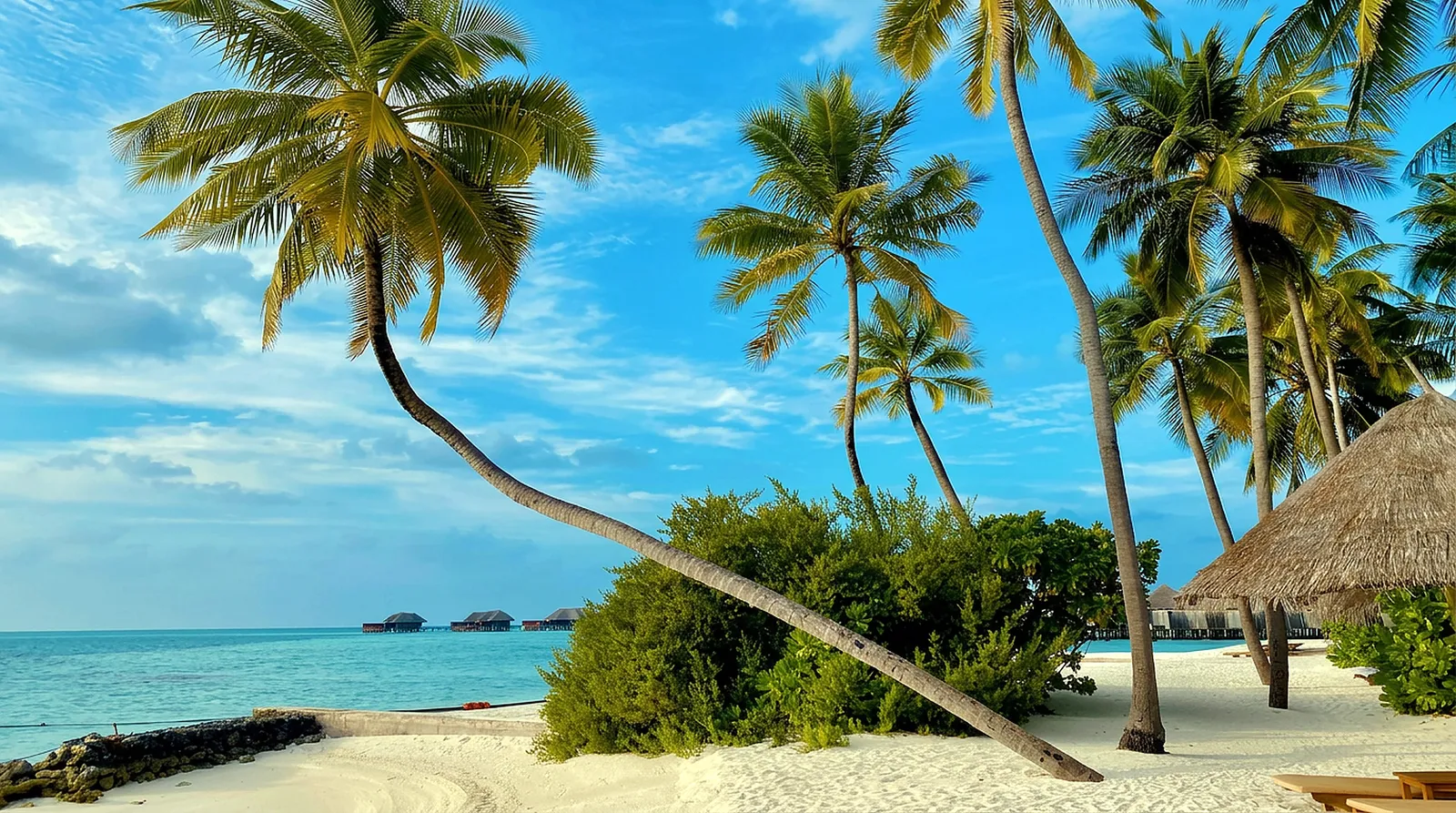
If you love warm water and calm seas, August in the Cayman Islands is calling your name. This is the heart of the Caribbean summer, and the diving conditions are often as good as they get. The water temperature climbs to a balmy 29-30°C (84-86°F), meaning you can leave your thick wetsuit at home and enjoy blissful, long dives. The sea is frequently flat and glassy, especially on the legendary North Walls of Grand Cayman and Little Cayman, which can be churned up by winter winds. This summer calm opens up a world of possibilities, allowing easy access to virtually every dive site the islands have to offer.
Visibility during this period is typically phenomenal. With the settled seas, you can expect gin-clear water, often pushing beyond 30 meters (100 feet). You’ll feel like you’re flying as you glide over deep walls and intricate reef systems. Currents remain characteristically mild across most sites, making for relaxed and easy-going dives. Now, we have to be real about one thing: August is peak hurricane season. While the chances of a storm directly impacting your trip are statistically low, it is a possibility. Days are usually hot, sunny, and humid, often punctuated by a brief, intense afternoon rain shower that quickly passes. The key is to be prepared, not deterred. The reward for braving the possibility of a storm is often a week of absolutely perfect, crowd-free diving conditions.
What you will see
Think of August as a time of abundance in the Cayman waters. The healthy reefs, for which the islands are famous, are teeming with life. On nearly every dive, you can expect to see hawksbill and green turtles gliding gracefully by or munching on sponges. The iconic walls are patrolled by majestic spotted eagle rays, often seen in pairs or small groups soaring in the blue. Of course, no trip is complete without a visit to the world-famous Stingray City, where you can get up close and personal with dozens of friendly southern stingrays in shallow, crystal-clear water. It’s a truly unforgettable and joyful encounter.
Summer brings unique spectacles. Massive, shimmering schools of silversides pack into the many grottos and swim-throughs, blacking out the daylight. This all-you-can-eat buffet attracts predators, and watching huge tarpon and horse-eye jacks smash through the bait balls is a thrilling, high-action experience. Along the reef edges and deep walls, you’ll find resident Caribbean reef sharks cruising the perimeter, and sleepy nurse sharks resting under coral ledges. The reefs themselves are a kaleidoscope of color, with huge populations of angelfish, parrotfish, and grouper going about their day.
For a truly magical experience, time your trip around the full moon in late August. This is when the annual coral spawning often occurs. A few nights after the full moon, the corals release their gametes in a synchronized, mass event. Witnessing this underwater blizzard on a night dive is a bucket-list moment for any diver. A liveaboard gives you the best flexibility to be in the right place at the right time for this incredible natural wonder. Even the macro life is superb, so keep an eye out for cleaner shrimp, arrow crabs, and the occasional well-camouflaged seahorse.
Top dive sites this month
The calm seas of August grant you an all-access pass to the Cayman’s most sought-after dive sites. This is the prime time to explore Grand Cayman's North Wall, which is often too rough to dive in the winter months. Sites like Babylon and Trinity Caves become easily accessible, revealing their breathtaking beauty. Imagine descending down a sheer, vertical face adorned with enormous barrel sponges and vibrant gorgonian sea fans, dropping off into the deep blue abyss. The health and scale of this wall system are simply mind-blowing.
Over on Little Cayman, you have the holy grail: Bloody Bay Wall. Protected and pristine, this marine park is consistently ranked as one of the best dive destinations in the world, and in August, it’s typically like a swimming pool. Descend on sites like Mixing Bowl, where two wall systems collide, creating an explosion of marine life. The wall here starts in just 6 meters (20 feet) of water and plummets vertically for thousands of feet. For wreck lovers, the calm conditions are perfect for exploring the USS Kittiwake on Grand Cayman, a fantastic multi-level artificial reef, or the deeper, more imposing MV Captain Keith Tibbetts, a 100-meter (330-foot) Russian frigate off Cayman Brac.
Practical tips for your trip
Packing your dive bag for an August trip is easy. With water temperatures hitting 30°C (86°F), you can dive in a simple rash guard and shorts. However, for multiple dives a day, a 3mm shorty or even a full suit is a great idea to stay comfortable and warm from your first dive to your last. The conditions are absolutely ideal for divers of all levels. The lack of current and clear, warm water make it a paradise for beginners and photo enthusiasts, while the access to dramatic walls and deep wrecks will keep the most experienced diver completely captivated.
This time of year is considered the shoulder season, which can be a huge advantage for you. Liveaboards often have better availability, and you’ll enjoy world-class dive sites with fewer other boats around. Now for the most important tip: because it’s hurricane season, comprehensive travel insurance is not optional, it's essential. Ensure your policy explicitly covers trip cancellations and interruptions due to weather events like named storms. Pack plenty of high-SPF, reef-safe sunscreen, a good hat, polarized sunglasses, and a light rain jacket. Plan ahead, be prepared, and you’ll be rewarded with some of the most spectacular diving the Caribbean has to offer.
Year-round overview for the Cayman Islands
Frequently asked questions
Is August a good month to dive in the Cayman Islands?
What can you see diving in the Cayman Islands in August?
Should I book a the Cayman Islands liveaboard for August or wait?
Find a liveaboard for August
Compare available the Cayman Islands liveaboards departing in August.
Search and Book