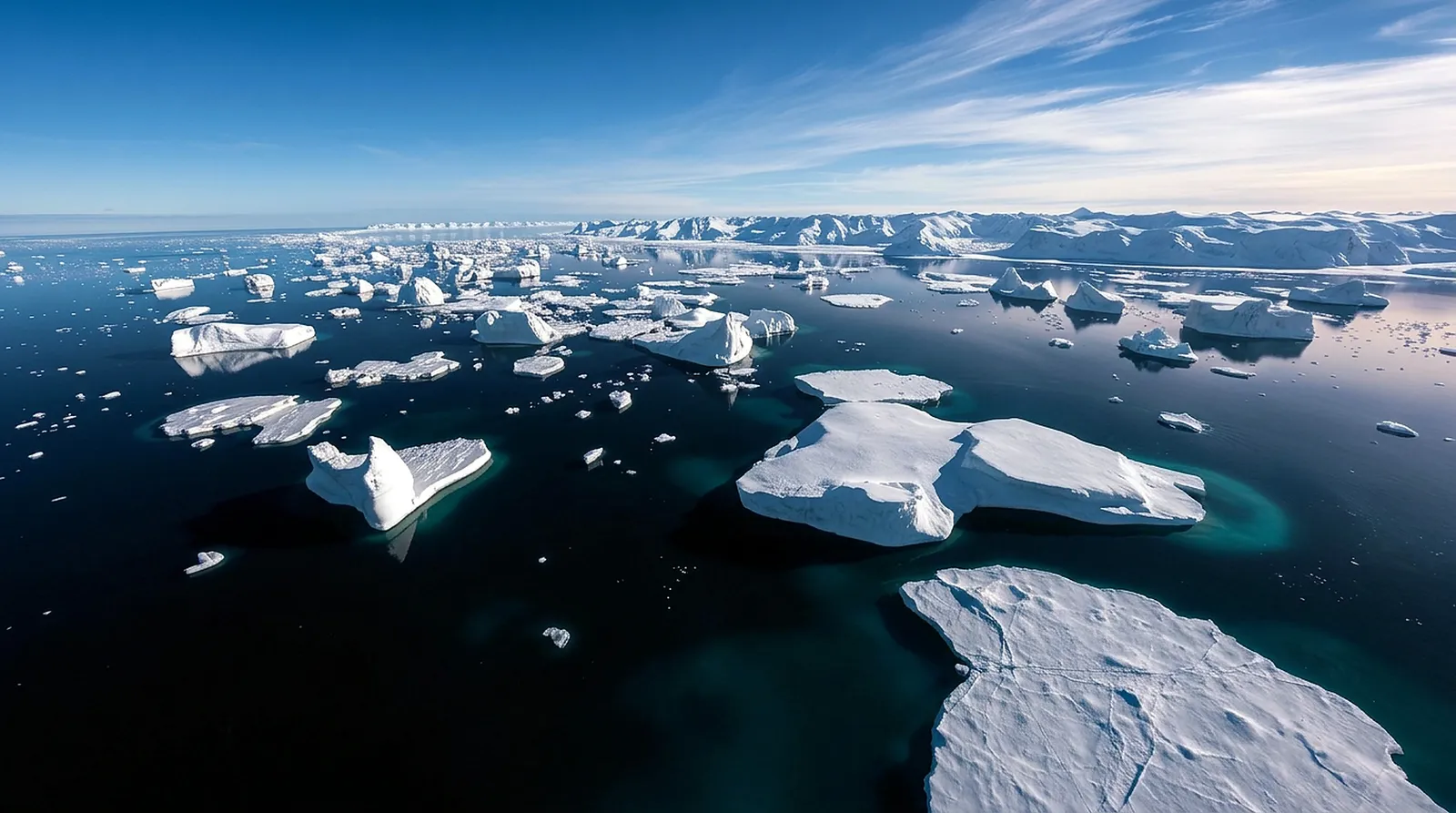
Conditions in August
Antarctica in August is a challenging and truly unique proposition for divers, as it falls squarely within the Antarctic winter. This means you'll be experiencing the continent at its most raw and magnificent, before the main tourist season really kicks into gear. Expect average air temperatures to hover around -15°C to -30°C (5°F to -22°F) on land, with strong katabatic winds making it feel even colder. The sea ice cover is extensive, creating a breathtaking landscape of icebergs, growlers, and a vast, unbroken expanse of white. This extensive ice cover also means that dive operations are significantly more intricate and often involve ice cutting to access dive sites, or operating from specialized ice-strengthened vessels capable of navigating through the frozen seascape.
Water temperatures during August are consistently cold, typically ranging from -1.5°C to 1°C (29.3°F to 33.8°F). This is bone-chillingly cold, even for drysuit diving, so excellent thermal protection is paramount. Visibility, however, can be surprisingly good. Without the plankton blooms that characterize the warmer months, the water can be exceptionally clear, often exceeding 20-30 meters (65-100 feet), offering spectacular views of the underwater ice formations and the life beneath. Currents are generally manageable within the sheltered bays and inlets where diving typically occurs, but weather conditions can change rapidly, with strong winds and swells capable of whipping up in open waters. This unforgiving environment demands experienced divers and a professional, well-equipped liveaboard operation.
What you will see
Diving in Antarctica in August offers a chance to witness marine life adapting to and thriving in the extreme cold. You won't find tropical pelagics here, but rather a robust ecosystem perfectly suited to these icy conditions. This is an incredible time for encounters with various species of seals. Weddell seals, known for their inquisitive nature and often found resting on ice floes or hauled out on shore, are magnificent to observe both above and below the water. You might see them gracefully hunting for fish or simply observing you with their large, dark eyes. Leopard seals, formidable predators, are also present, often patrolling the ice edges; while magnificent to see, maintaining a respectful distance is key. Crabeater seals, despite their name, feed mainly on krill and are abundant, often seen lounging on their icy platforms.
Beneath the ice, the world truly comes alive. The frigid waters support a fascinating array of invertebrates. You’ll discover vibrant soft corals, anemones, and sponges clinging to rocks and ice formations, creating a colorful contrast to the stark environment above. Antarctic jellyfish, though cold water species, can be found. Keep an eye out for various species of Antarctic fish, such as the icefish and cod icefish, perfectly adapted to their environment with antifreeze proteins in their blood. While large whale aggregations are more common in the warmer months when krill is abundant, you might still encounter minke whales or Orcas (killer whales) hunting seals along the ice edges, offering a truly unforgettable experience. Penguins, while not typically seen underwater in August (as many are nesting or molting on land), are a constant presence from the surface.
Top dive sites this month
Diving in Antarctica during August is heavily dependent on ice conditions and the specific capabilities of your liveaboard. However, certain regions offer more consistent access and incredible opportunities. The Antarctic Peninsula remains the primary focus. Specifically, the sheltered channels and bays around the South Shetland Islands, such as those near Deception Island, are often explored. Deception Island, a volcanic caldera, offers relatively warmer shallow waters due to geothermal activity, and its unique underwater topography, including volcanic vents and shipwrecks, provides a fascinating contrast. The ice-strengthened vessels can often push into areas like Paradise Harbor or Neko Harbour, known for their stunning glacial backdrops and excellent opportunities for seal encounters.
Further along the Peninsula, sites like Port Lockroy, known for its historic British base and penguin colony, might be accessible depending on ice. The focus during this month is often on sites offering maximal protection from harsh weather and accessible leads through the ice. The captains and expedition leaders will expertly navigate to the best available locations each day, always prioritizing safety and the most rewarding diving opportunities in this truly wild frontier.
Practical tips for your trip
Diving Antarctica in August is exclusively for experienced drysuit divers. You absolutely must be comfortable and proficient in your drysuit, including excellent buoyancy control and familiarity with all aspects of cold-water diving, before considering this trip. A thick undersuit (e.g., 400g or heated vest) is not just recommended, it's essential. You'll likely be wearing at least 7-9mm gloves, a hood, and even heated garments to combat the extreme cold. A redundant air source and excellent personal cold-water diving skills are paramount. This is an advanced expedition, suited for adventurous divers who thrive in challenging environments and understand the inherent risks.
Liveaboard availability in August is extremely limited, with only a handful of specialized ice-strengthened vessels operating. These trips are typically longer, often 15-20 days, allowing for comprehensive exploration of the region despite potential weather and ice delays. Book well in advance, as these unique itineraries sell out quickly. What to pack extends beyond your dive gear: think extreme cold weather clothing for topside excursions – multiple layers of merino wool, down parkas, waterproof and windproof outerwear, warm hats, gloves, and insulated boots are mandatory. Be aware that this is an expedition into a remote and wild environment; flexibility, patience, and a sense of adventure are crucial, as itineraries can change instantly due to ice or weather conditions. Embrace the journey; it’s an unparalleled experience.
Year-round overview for Antarctica
Frequently asked questions
Is August a good month to dive in Antarctica?
What can you see diving in Antarctica in August?
Should I book a Antarctica liveaboard for August or wait?
Find a liveaboard for August
Compare available Antarctica liveaboards departing in August.
Search and Book