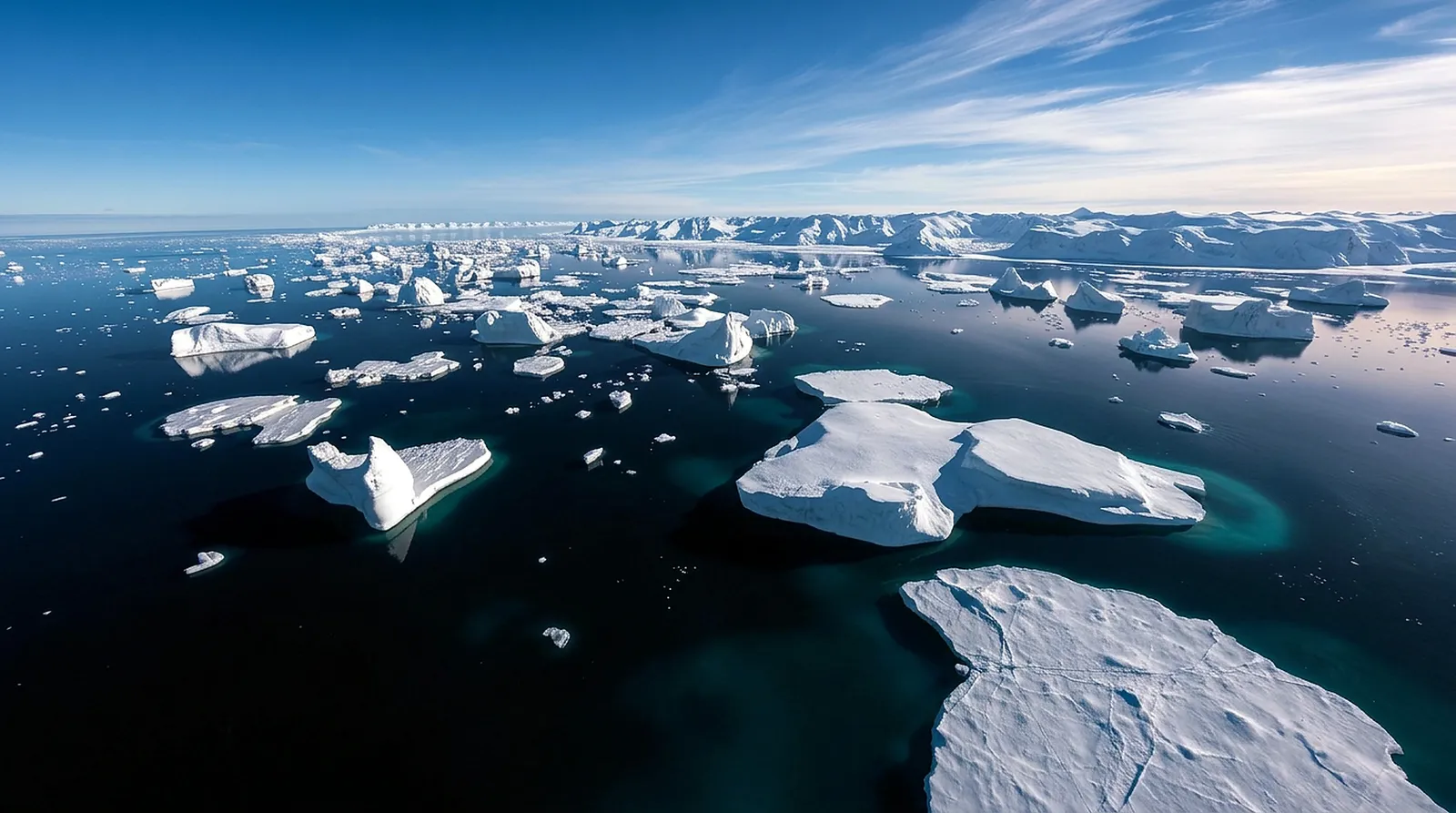
Conditions in July
Diving in Antarctica during July presents a truly unique, and undeniably challenging, experience. Unlike the typical Antarctic summer season (November to March), July falls squarely within the austral winter. This means you’re looking at considerably more extreme conditions. Expect truly frigid air temperatures, often plummeting well below zero degrees Celsius (32°F), and frequently accompanied by strong, biting winds. The sea state can be highly unpredictable, with calm, glassy waters interspersed with powerful swells and icy chop. Ocean currents, while not as consistently strong as in some tropical regions, can still be a factor, particularly around narrow channels and straits, requiring diligent awareness from divers and dive guides alike. Due to the limited daylight hours and potential for snow and ice, visibility can be variable. However, when conditions align, you can be treated to astonishingly clear waters, often exceeding 20 meters (65 feet).
Water temperatures in July are, as you might expect, extremely cold. You’ll be consistently diving in waters hovering around -1°C to 2°C (30°F to 35°F). This is not for the faint of heart, and proper insulation is absolutely critical. The days are much shorter, with only a few hours of twilight each day, and the sun, when it does make an appearance, remains low on the horizon, casting a dramatic, ethereal light. This low light, combined with the often-overcast skies, gives the diving a stark, almost otherworldly feel. While these conditions might sound daunting, for the intrepid diver, they offer an unparalleled opportunity to witness Antarctica in its most pristine and untouched state, largely free from the larger crowds of the summer high season.
What you will see
Diving in July dramatically shifts your potential marine life encounters compared to the busier summer months. While the migratory baleen whales like humpbacks and blues have largely departed for warmer waters, you’ll find a heightened presence of true Antarctic residents. This is an incredible time to witness the agile and powerful leopard seals, often seen hunting or resting on ice floes. Weddell seals, known for their charming, curious nature, are particularly active, and their haunting underwater calls are a frequent accompaniment to your dives. You'll also encounter crabeater seals and the occasional southern elephant seal. The waters are teeming with Antarctic silverfish, a primary food source for many species, creating a vibrant ecosystem even in the extreme cold.
While you won't see manta rays, pelagic sharks, or large schools of tropical fish here, the focus shifts to the resilient and specialized creatures of the polar environment. You’ll frequently spot various species of Antarctic nudibranchs, hydroids, and colorful encrusting sponges and soft corals clinging to the rocky seafloor. The ice architecture itself becomes a major draw, with incredible formations of ancient ice providing dramatic backdrops for your encounters. Keep an eye out for the elusive Antarctic cod and various small crustaceans that form the base of the food web. The true stars, however, are the penguins – while less frequently seen underwater compared to summer, you might be lucky enough to spot Adelie or Gentoo penguins darting through the water, a truly unforgettable sight.
Top dive sites this month
During the austral winter, accessing many dive sites can be more challenging due to increased ice cover, yet certain regions and specific sites remain prime for exploration. Port Lockroy, famously home to the British Antarctic Survey base, offers fantastic opportunities for shore dives around the historical structures and its resident Gentoo penguin colony, where you can often spot penguins feeding in the shallows under the ice edge. The waters here can offer excellent visibility, with the chance to see various invertebrates clinging to the rocks.
Another excellent region for winter diving is the Lemaire Channel, often called the "Kodak Gap" for its breathtaking scenery. While navigating through might require stronger ice-breaking capabilities, the rewards are immense. Diving around the towering cliffs and icebergs within the channel can yield encounters with crabeater seals and leopard seals resting on the surrounding ice. Further south, the sheltered bays and coves around the Palmer Archipelago, particularly near Wiencke Island and Anvers Island, provide several reliable dive spots. Here, you can explore the rich biodiversity beneath the ice, from vibrant sea stars and anemones to curious juvenile fish. While ice conditions dictate exact accessibility daily, these areas are generally considered among the most consistently diveable throughout the Antarctic winter for those liveaboards equipped to handle the ice.
Practical tips for your trip
Diving in Antarctica in July is unequivocally for experienced cold-water divers. This is not a month for beginners; you need to be proficient and comfortable in a drysuit. A minimum of a 7mm wetsuit is simply not sufficient – a properly fitted, well-maintained drysuit is absolutely essential, along with thick undersuits, heated vests (if available), and insulated hoods, gloves (dry gloves are highly recommended), and boots. Ensure your drysuit experience is extensive before considering this expedition. Furthermore, you should have experience diving in challenging conditions, as currents can be strong, and surface conditions often rough.
Liveaboard availability during July is significantly reduced compared to the summer season, with only a handful of expedition-style vessels operating. These trips often cater to a niche clientele seeking the most extreme and authentic Antarctic experience. Book well in advance due to limited availability. When packing, think layers, and then more layers. Thermal base layers, fleece mid-layers, and waterproof, windproof outer shells are crucial. Don't forget multiple pairs of wool socks, spare dry gloves, and warm hats for surface excursions. Be aware that itineraries can change rapidly due to ice and weather conditions, so flexibility and an adventurous spirit are key. Satellite communication will be your primary link to the outside world, and medical facilities are extremely limited, so ensure you have comprehensive travel insurance that covers extreme activities and evacuation. This month offers an unparalleled opportunity to witness Antarctica in its majestic, frozen grandeur, but it demands respect for its unforgiving environment.
Year-round overview for Antarctica
Frequently asked questions
Is July a good month to dive in Antarctica?
What can you see diving in Antarctica in July?
Should I book a Antarctica liveaboard for July or wait?
Find a liveaboard for July
Compare available Antarctica liveaboards departing in July.
Search and Book