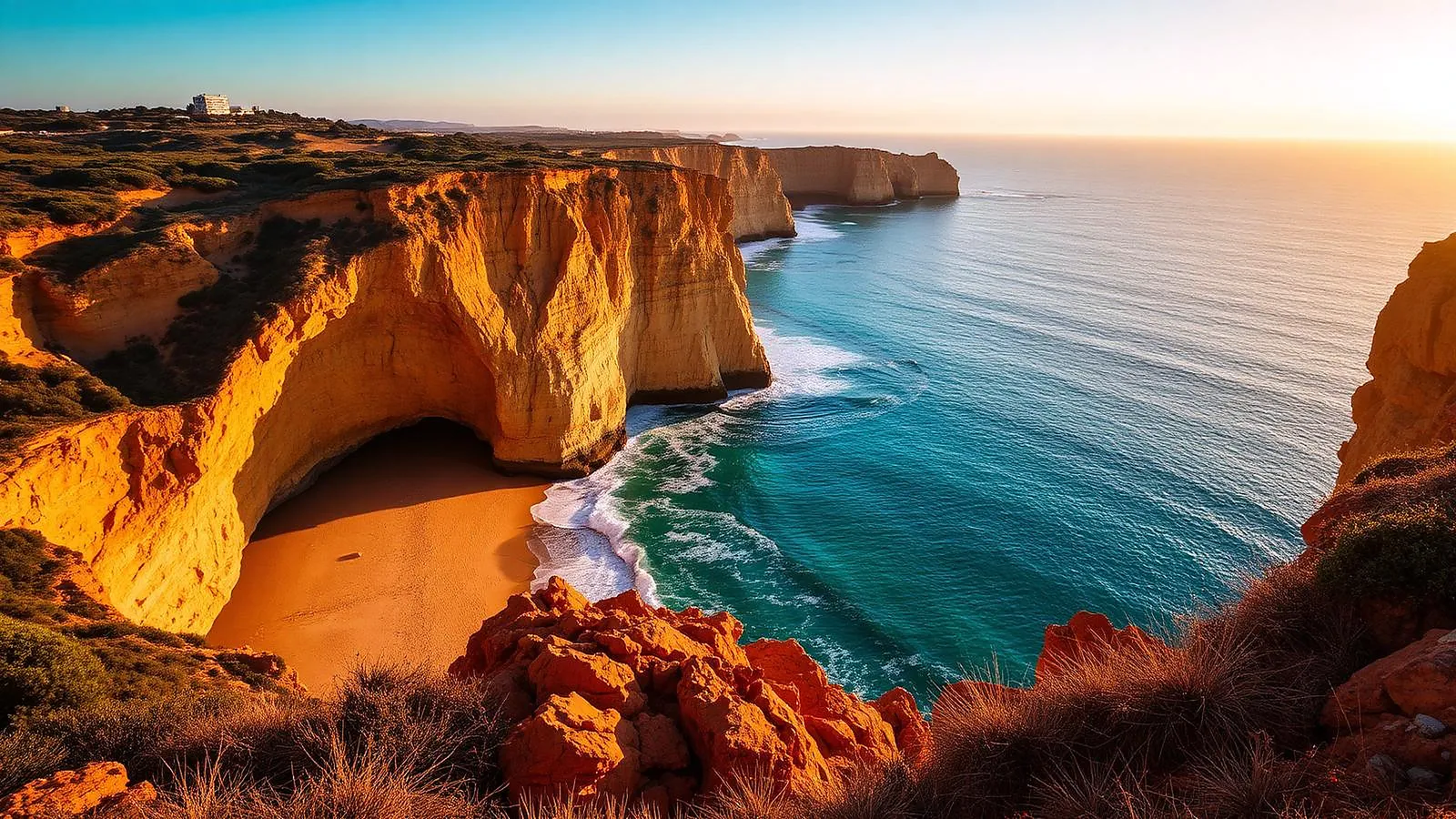
Conditions in July
July in the Azores is a fantastic time to experience the archipelago's unique underwater world, though it's important to set your expectations for conditions. The weather above water is generally warm and sunny, with average air temperatures hovering around 22-25°C (72-77°F). This makes surface intervals incredibly pleasant. However, this is the Atlantic Ocean, and conditions can change quickly, so don't be surprised by a passing shower or a bit of wind.
Underwater, July marks the peak of the warmer water season, with sea temperatures around the islands ranging from a comfortable 22-25°C (72-77°F) near the surface, dipping slightly cooler at depth. You might still encounter thermoclines, especially on deeper dives, so a full 5mm or even a 7mm wetsuit is advisable for comfort on multiple dives. Visibility is typically excellent, often exceeding 20-30 meters (65-100 feet), thanks to the clear oceanic waters. However, strong currents can be a feature of Azorean diving, particularly around offshore seamounts and pinnacles. These currents are often what attract the larger pelagics, so while they require experienced divers, they are also part of the reward.
Sea state in July is generally calmer than in the winter months, but as with any open ocean destination, swells can occur, particularly when traveling to offshore sites like the Princess Alice Bank. Liveaboards are well-equipped to handle these conditions, but if you're prone to seasickness, it's wise to come prepared. The prevailing winds are usually from the northeast, but local variations around the islands mean you can almost always find a sheltered spot for diving if needed.
What you will see
Diving in the Azores in July is synonymous with pelagic encounters. This is prime time for spotting some of the ocean's most magnificent creatures. Mobula rays are a common and spectacular sight, often seen in large schools gracefully gliding through the water. While less common than mobulas, the chance of encountering oceanic manta rays also increases during the summer months, especially around offshore seamounts where they come to feed and clean.
For shark enthusiasts, July offers excellent opportunities. Blue sharks are frequently sighted around chumming operations, providing unforgettable close encounters in their natural environment. Additionally, look out for shortfin mako sharks, another powerful pelagic predator that can be spotted in the deeper waters. The Azores are also a significant whale and dolphin sanctuary, and while underwater encounters are less common and strictly regulated, surface sightings are almost guaranteed on boat transfers to dive sites. You might spot sperm whales, pilot whales, and several species of dolphins.
Beyond the majestic pelagics, the volcanic reefs of the Azores teem with life. You'll find a rich diversity of fish species, including large groups of barracuda, amberjacks, and various types of bream and wrasse. Macro life is less of a focus here, but you'll still find some interesting nudibranchs and crustaceans nestled amongst the volcanic rock formations. Keep an eye out for triggerfish, octopuses, and moray eels peeking out from their rocky hideouts. The dramatic volcanic landscapes, with their caves, arches, and drop-offs, provide a stunning backdrop to all this marine activity.
Top dive sites this month
For an unparalleled pelagic experience in July, the Princess Alice Bank is an absolute must-visit. Located about 90km southwest of Faial, this remote seamount is a magnet for mobula rays, often seen in massive aggregations. It's also one of the prime locations for encountering oceanic manta rays and various shark species. The dive here is typically a drift dive along the bank, presenting a diverse and thrilling pelagic show. Due to its exposed location, it requires good weather and confident divers, but the rewards are immense.
Closer to the islands, the Ilhéu das Cabras near Terceira offers stunning wall dives and healthy reef ecosystems, with a good chance of seeing larger fish and some pelagic visitors, especially around the deeper sections and channels between the islets. For unique volcanic topography and caves, the Cemitério das Âncoras (Anchor Graveyard) near São Miguel, and the Gruta dos Carapaus (Jackfish Cave) near Pico are excellent choices, often revealing schools of jackfish, barracuda, and resident moray eels. The visibility around these sites is generally phenomenal in July, enhancing the experience of exploring these dramatic underwater landscapes. Lastly, for shark diving experiences, particularly with blue sharks, the open ocean "chumming" trips departing from Faial or Pico are incredibly popular and successful during this month.
Practical tips for your trip
Given the water temperatures in July, a 5mm wetsuit is generally sufficient for most divers, especially if you're doing one or two dives a day. However, if you plan to do multiple dives daily or are prone to getting cold, a 7mm suit or adding a hooded vest would be a wise choice. Gloves and boots are also recommended for comfort and protection on rocky entries or around volcanic terrain. The Azores are best suited for intermediate to advanced divers, primarily due to the potential for strong currents and the nature of offshore seamount diving. While there are some shallower, more sheltered sites ideal for less experienced divers, to truly appreciate what the Azores offer, some experience with drift diving and managing currents is beneficial.
Liveaboard availability in July is at its peak as this is the high season. Booking well in advance is highly recommended to secure your preferred vessel and itinerary, especially for popular routes visiting Princess Alice Bank. What to pack? Beyond your diving gear, bring layers for variable weather, a good quality reef-safe sunscreen, a wide-brimmed hat, and seasickness medication if you think you might need it for offshore excursions. A dry bag for boat trips is also very useful. Be aware that the Azores are a natural, wild destination, and while encounters with marine life are common, they are never guaranteed. Embrace the adventure and the unique, rugged beauty of these Atlantic islands, both above and below the surface.
Year-round overview for Portugal (Azores)
Frequently asked questions
Is July a good month to dive in Portugal (Azores)?
What can you see diving in Portugal (Azores) in July?
Should I book a Portugal (Azores) liveaboard for July or wait?
Find a liveaboard for July
Compare available Portugal (Azores) liveaboards departing in July.
Search and Book