Conditions in October
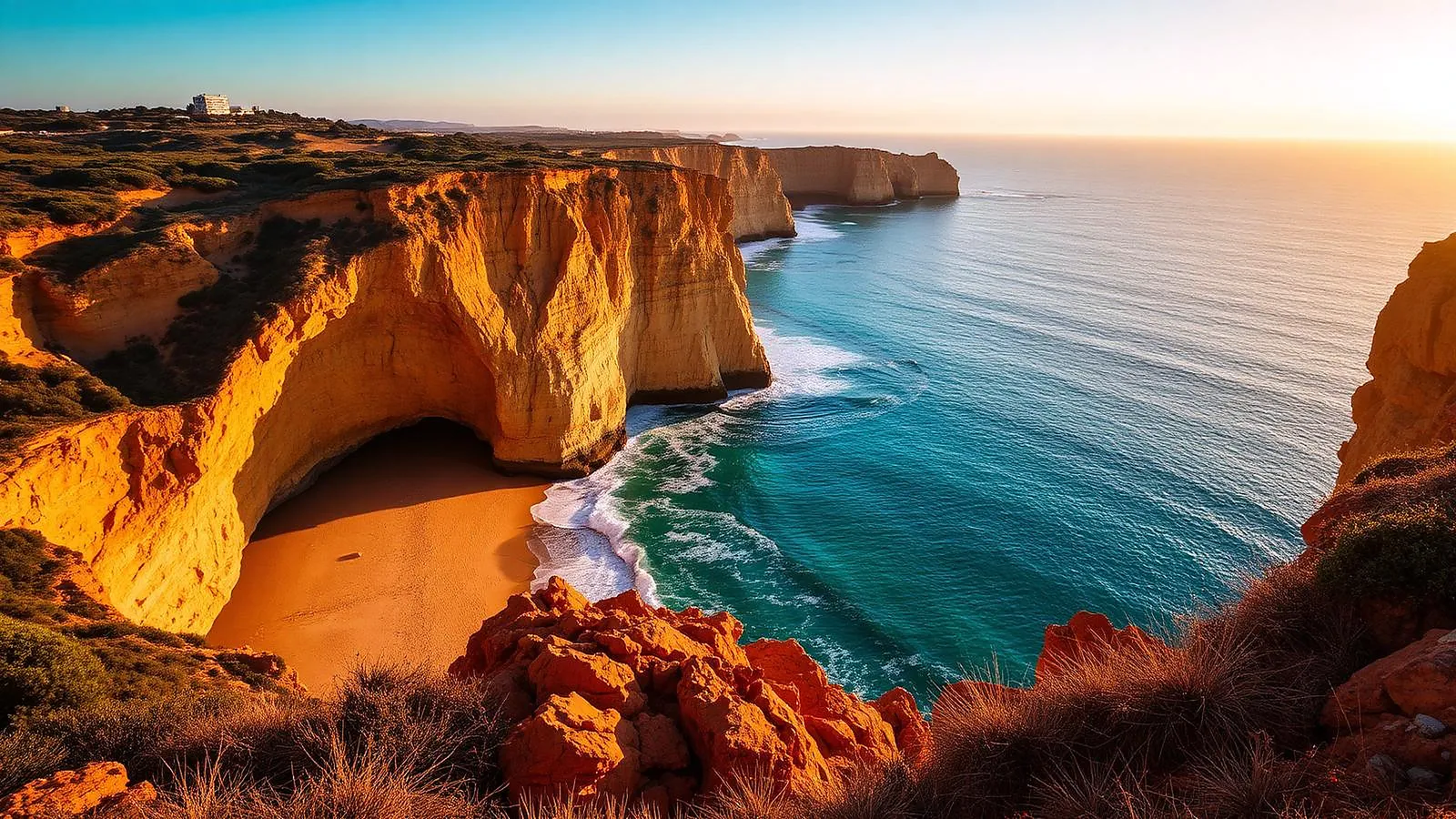
October in the Azores, an archipelago renowned for its dramatic volcanic landscapes and abundant marine life, offers a captivating, albeit transitional, diving experience. While the peak summer crowds have thinned, you’re still in for some fantastic underwater adventures, though you should be prepared for changing conditions. Expect air temperatures to be pleasantly mild, generally ranging from 18-22°C (64-72°F). However, the weather can be a bit more unpredictable than in July or August, with a higher chance of rain and occasional stronger winds. This means sea states can vary from calm and inviting to choppier, particularly if you’re venturing to more exposed offshore sites. It’s always best to check local forecasts and listen to your dive operator's advice, as they will have the most up-to-date information on sea conditions.
Underwater, the water temperature begins its gentle descent from the summer highs, but it generally remains quite comfortable for most divers. You can anticipate water temperatures to be in the range of 21-23°C (70-73°F) at the beginning of the month, gradually dropping to around 19-21°C (66-70°F) by the end of October. This gradual cooling, combined with the often nutrient-rich waters, contributes to the remarkable biodiversity you’ll encounter. Visibility is typically good to excellent, often exceeding 20-30 meters (65-100 feet) on a good day. However, occasional plankton blooms or increased swell can temporarily reduce visibility. Currents can be present and vary in strength depending on the dive site and tidal movements, so a good level of buoyancy control is always beneficial.
What you will see
October in the Azores is a fantastic time for encountering pelagic species. While the very peak of manta and whale shark season might be winding down from its summer crescendo, you still have excellent chances to witness these majestic creatures. Mobula rays (often specifically the sicklefin devil ray, Mobula tarapacana, and less commonly, the giant devil ray, Mobula mobular) are still present, often seen in impressive schools, especially around the seamounts. Shark sightings remain a significant draw, with blue sharks (Prionace glauca) and sometimes mako sharks (Isurus oxyrinchus) still frequenting the offshore dive sites. These magnificent hunters are a highlight for many divers visiting the archipelago, offering exhilarating encounters in the deep blue.
Beyond the iconic pelagics, the Azores' diverse volcanic topography creates incredible habitats for a wide range of marine life. You’ll find flourishing rocky reefs adorned with vibrant gorgonians and sponges, providing shelter for numerous species of fish, including barracuda, groupers, amberjacks, and various wrasses. Keep an eye out for larger schooling fish formations, which can be truly spectacular. Macro enthusiasts will also find plenty to admire; look closely among the rocks for nudibranchs, various crab species, and octopuses. The unique environment of the Azores, where warm currents from the Gulf Stream meet cooler Atlantic waters, creates a biodiverse hotspot, and October is still very much part of this rich tapestry of marine life.
Top dive sites this month
For offshore pelagic encounters, particularly for blue sharks and mobula rays, the famous Princess Alice Bank is a must-visit. Located about 90 kilometers southwest of Pico Island, this seamount rises from depths of over 1000 meters to just 35 meters below the surface, creating an oceanic oasis that attracts an incredible array of marine life. While the journey can be weather-dependent in October, the rewards are often unparalleled. Another prime location for pelagic interactions, closer to shore, is the Hirondelle Bank, off the coast of Faial. This seamount is another hotspot for mobula rays and has also seen frequent blue shark encounters. Its slightly shallower depths compared to Princess Alice can sometimes offer a more accessible option depending on sea conditions.
Closer to the islands, for an astonishing mix of volcanic topography and reef life, sites like the Gruta dos Camarões (Shrimp Grotto) near Horta, Faial, offer dramatic cave formations adorned with interesting invertebrates, including its namesake shrimp. For impressive rock formations, arches, and schooling fish, the Ilhéus da Madalena (Madalena Islets) off Pico Island are consistently rewarding. Here, you’ll navigate through striking underwater landscapes and encounter a vibrant reef ecosystem. Finally, for a touch of historical intrigue combined with diverse marine life, the wreck of the Terceirense near Terceira Island provides an excellent artificial reef habitat, teeming with fish and offering fascinating penetration opportunities for suitably qualified divers. These sites offer a broad range of experiences catering to different interests and conditions you might encounter in October.
Practical tips for your trip
Given the water temperatures of 19-23°C (66-73°F) in October, most divers will be comfortable in a 5mm or 7mm full wetsuit. If you tend to get cold easily or plan for multiple dives a day, a 7mm suit, possibly with a hood or a semi-dry suit, would be a good choice. While the Azores offer some fantastic beginner-friendly dive sites closer to shore, many of the signature pelagic encounters at the seamounts involve deeper dives and stronger currents, making them more suitable for advanced divers with good buoyancy control and experience in drift diving. However, don't be deterred if you're newer to diving; there are still plenty of amazing sites to explore that are well within recreational limits. Always discuss your experience level with your chosen dive center.
Liveaboard availability in the Azores is more limited compared to other major dive destinations, with most operations focusing on day trips from the various islands. However, some specialized liveaboards do operate, often offering itineraries that focus on the iconic seamounts. In October, as the peak season tapers off, you might find slightly more availability and potentially better deals on accommodations and diving packages, but it's still advisable to book in advance, especially if you have specific dates in mind. When packing, besides your standard dive gear, remember to include layers for changing weather topside, including a reliable waterproof jacket. A good quality camera with appropriate housing will be invaluable for capturing the stunning scenery above and below water. Be aware that travel between islands often involves short flights or ferries, which can sometimes be affected by rougher seas or visibility in October, so factor in potential delays when planning your itinerary.
Year-round overview for Portugal (Azores)
Frequently asked questions
Is October a good month to dive in Portugal (Azores)?
What can you see diving in Portugal (Azores) in October?
Should I book a Portugal (Azores) liveaboard for October or wait?
Find a liveaboard for October
Compare available Portugal (Azores) liveaboards departing in October.
Search and Book