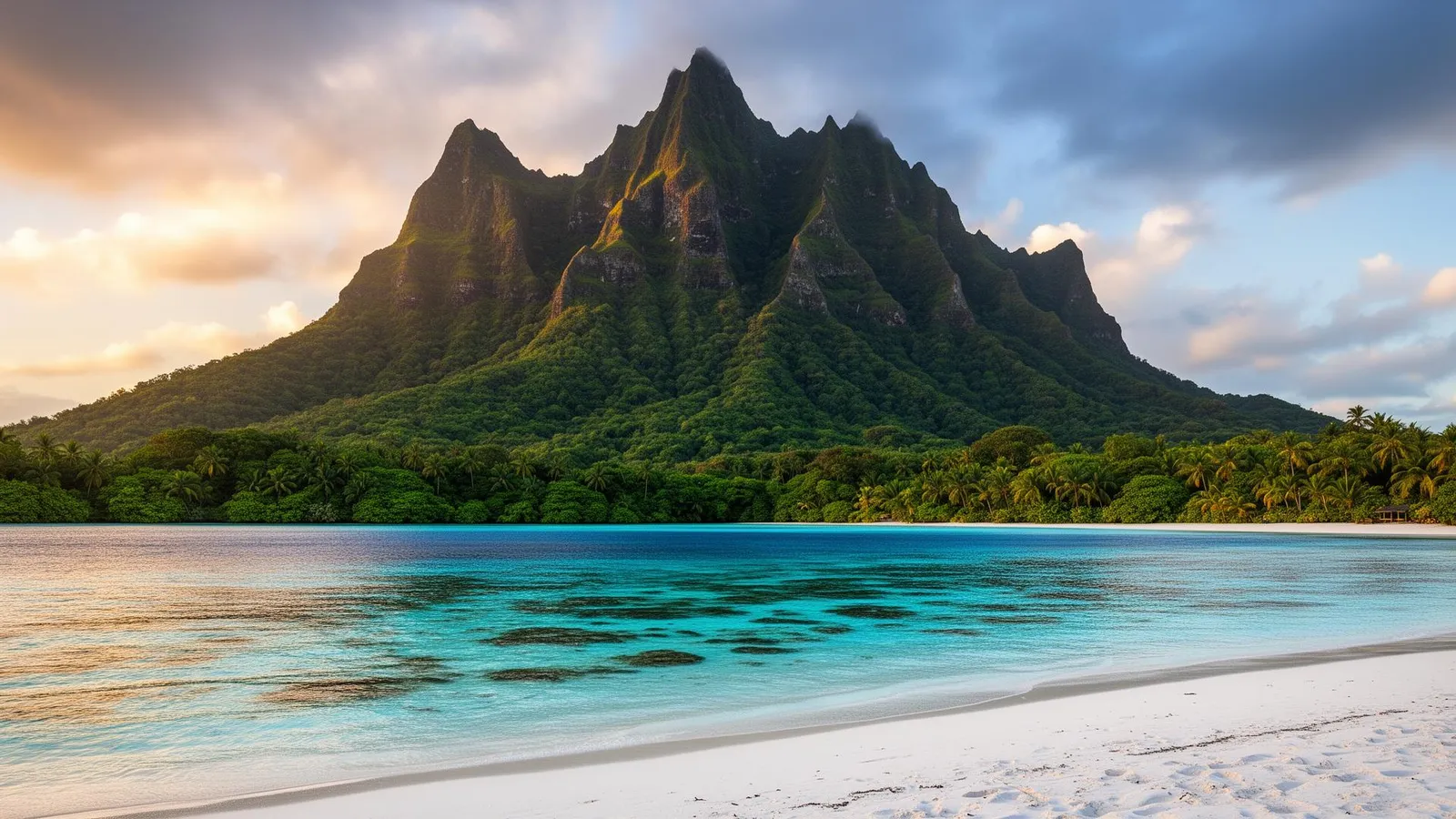
Conditions in October
October in French Polynesia? You've picked a fantastic time to dive into this Pacific paradise! You're catching the tail end of the dry season, which generally means some of the best conditions you could ask for. Think sunshine, clear skies, and a gentle breeze to keep things comfortable both above and below the surface. Air temperatures during October hover delightfully between 26°C and 30°C (79°F to 86°F), so you'll be feeling tropical warmth all day long.
The sea state is typically calm and inviting, especially around the protected lagoons. This is a huge plus for those of you who might be prone to seasickness or just prefer a smoother boat ride between dive sites. Out in the passes and open ocean, you might encounter a bit more swell, but generally, it's still very manageable. Water temperatures are truly blissful, consistently sitting around 26°C to 28°C (79°F to 82°F). This means you won't be shivering, even on longer dives, and you’ll likely be comfortable in a relatively thin wetsuit.
Visibility is where October truly shines. With fewer rain showers washing sediment into the ocean, you can expect phenomenal underwater clarity. Picture yourself peering into 30 to 40 meters (100 to 130 feet) of crystal-clear water, sometimes even more! You'll often be able to spot marine life from a distance, giving you ample time to get into position for that perfect shot or just marvel at the scene unfolding before you. While there can be currents, especially in the famous passes of the Tuamotus, these are often precisely what attracts the big pelagics to the area, making for exhilarating drift dives. Your dive guides will brief you thoroughly and manage these currents expertly.
What you will see
October in French Polynesia is prime time for encountering a stunning variety of marine life, with a particular emphasis on the larger, more sought-after species. The vibrant, healthy reefs are always teeming with a kaleidoscope of reef fish, from playful clownfish to graceful angelfish and curious parrotfish. But let's be honest, you're here for the big stuff, right? And French Polynesia, especially in October, delivers in spades.
This month is excellent for shark encounters. We're talking large schools of grey reef sharks patrolling the passes, often numbering in the dozens, sometimes hundreds. You'll also frequently spot blacktip reef sharks, whitetip reef sharks, and if you're lucky, the majestic silvertip shark. In some specific locations, the elusive tiger shark and hammerheads make appearances too, adding an extra thrill to your dives. You might also spot lemon sharks resting on sandy bottoms. Outside of the adrenaline-pumping shark action, October is also a good month to potentially witness humpback whales with their calves, though by mid-month, they start their migration away. Keep an eye out for them breaching and tail-slapping at the surface!
Mantas are another big draw, and while they can be seen year-round, October often provides excellent conditions for encountering them. Look for both oceanic and reef mantas gracefully cruising over cleaning stations or feeding on plankton-rich currents. You'll also encounter plenty of healthy, colorful hard and soft corals, giant humphead wrasse, Napoleons, barracuda, tuna, and various species of rays. For macro enthusiasts, while French Polynesia isn't as renowned for its tiny critters as some other destinations, you can still find nudibranchs, flatworms, and various crustaceans if you take the time to look closely amongst the coral formations.
Top dive sites this month
When planning your October dive trip to French Polynesia, there are a few iconic locations that simply shine this time of year, primarily within the Tuamotu Archipelago, which is famous for its exhilarating drift dives and pelagic action. First up is the legendary Fakarava. Its southern pass, Tumakohua (often called the "Tetamanu Pass"), is one of the best places on Earth to witness the famous "shark wall," where hundreds of grey reef sharks congregate. The northern pass, Garuae, is equally impressive, offering thrilling drifts among huge schools of fish, barracuda, and more sharks. October offers superb visibility and consistent currents perfect for experiencing these passes.
Rangiroa is another must-visit, boasting the Tiputa Pass and Avatoru Pass. These passes are world-renowned for their strong currents that funnel nutrient-rich water into the lagoon, attracting a phenomenal array of pelagic life. In October, you can expect to see incredible numbers of grey reef sharks, bottlenose dolphins (which sometimes interact playfully with divers), massive schools of jacks, barracuda, and eagle rays. The visibility here is often astounding, allowing you to appreciate the sheer scale of the marine congregations. Don't forget Tiputa's "aquarium" inside the lagoon, perfect for a relaxed dive or snorkel with diverse reef fish.
Practical tips for your trip
Considering the wonderful water temperatures of 26°C to 28°C (79°F to 82°F) in October, you'll likely be very comfortable in a 3mm shorty wetsuit, or even a full 3mm suit if you get cold easily or plan on multiple dives a day. Some hardy divers might even be fine in a rash guard, but we recommend at least 3mm for protection against corals and potential stingers. This month is fantastic for both experienced divers and those looking to advance their skills. While the Tuamotu passes are known for strong currents, suitable for advanced divers comfortable with drift dives, many areas within the lagoons offer shallower, gentler dives perfect for beginners or those seeking a more relaxed experience. Liveaboards operating in French Polynesia are generally top-notch and book up quickly, especially during optimal months like October. We strongly advise booking your liveaboard well in advance – think 6-12 months ahead – to secure your spot and preferred cabin.
What to pack? Beyond your usual dive gear (don't forget your certification cards and logbook!), definitely pack reef-safe sunscreen, a wide-brimmed hat, polarized sunglasses, and light, breathable clothing. A good quality underwater camera is a must – you'll want to capture those epic shark encounters and vibrant reef scenes! Don't forget motion sickness medication if you're prone to it, just in case of choppier seas on crossing days. Be aware that remote atolls often have limited infrastructure, so come prepared with any specialty items you might need. Power adapters (local standard is Type A/B for French Polynesia, 110V) and a small medical kit are always good ideas. Finally, embrace the laid-back Polynesian pace of life – things operate on "island time," so relax and enjoy the journey!
Year-round overview for French Polynesia
Frequently asked questions
Is October a good month to dive in French Polynesia?
What can you see diving in French Polynesia in October?
Should I book a French Polynesia liveaboard for October or wait?
Find a liveaboard for October
Compare available French Polynesia liveaboards departing in October.
Search and Book