Conditions in January
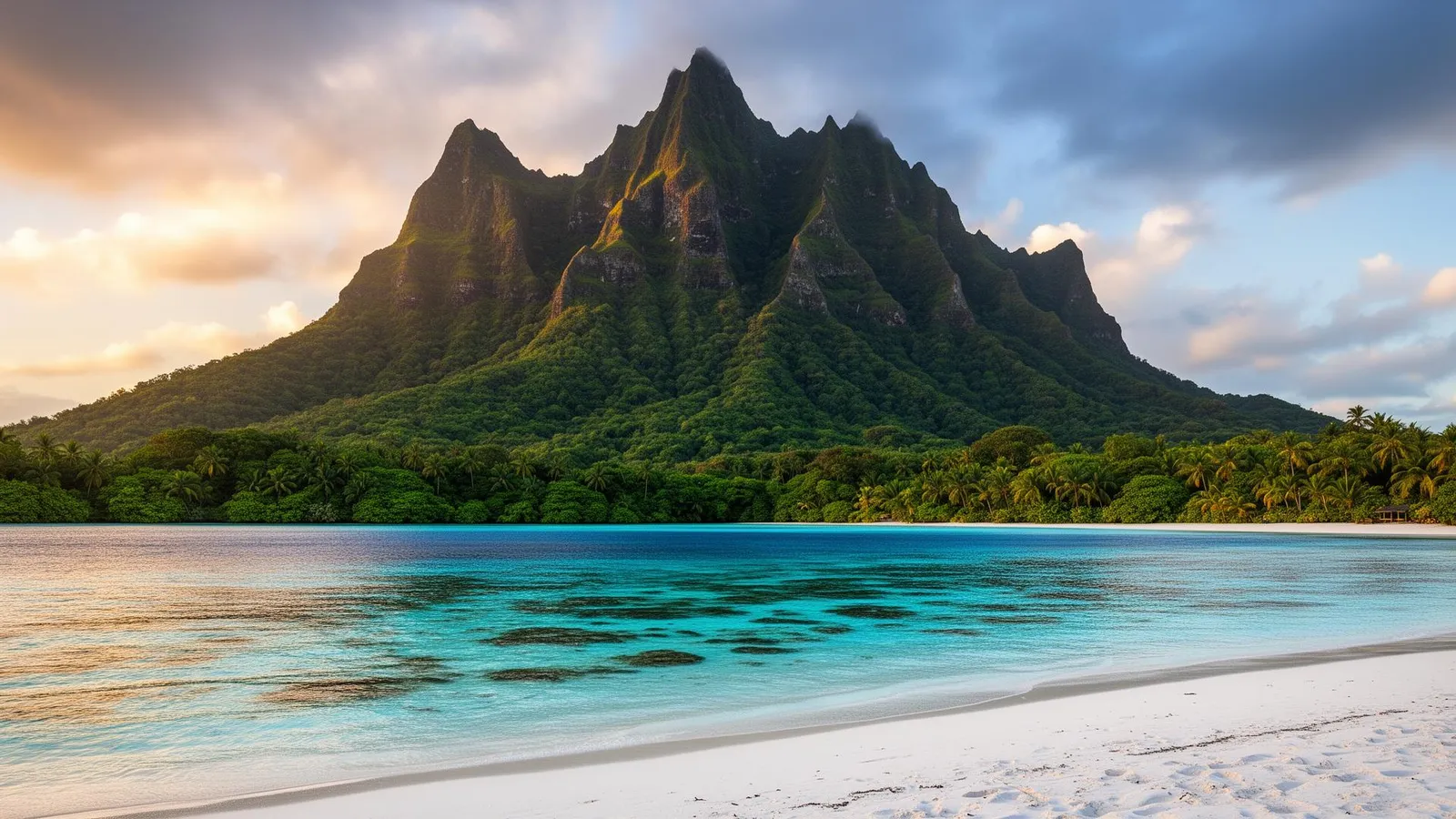
Picture this: It's January, and you're dreaming of escaping the winter blues. French Polynesia calls, and while it's a tropical paradise year-round, January brings its own unique flavor to the diving experience. We're right smack in the middle of the "wet season," which might sound a little off-putting, but trust me, it’s not what you think. While you can expect more frequent downpours, these are often short, intense bursts that quickly give way to sunshine. Don’t imagine days on end of drizzle; think dramatic skies and lush, vibrant landscapes.
The air temperature during January hovers comfortably around 28-30°C (82-86°F), keeping everything feeling wonderfully warm. Water temperatures are equally delightful, typically ranging from a balmy 27-29°C (81-84°F). This means you’ll be super comfortable in just a 3mm shorty or even a rash guard for most dives. Visibility, while still excellent, can be slightly reduced compared to the drier months due to increased rainfall and potential nutrient runoff. You’re still looking at a fantastic 20-30 meters (65-100 feet) on average, which is nothing to sniff at, but don’t expect the crystal-clear 40+ meter visibility you might find in the peak dry season.
Currents in French Polynesia, particularly in the famous passes, are a constant and often exhilarating feature regardless of the season. January is no exception. These currents are the lifeblood of the coral reefs, bringing in nutrients and attracting the big pelagics that make these waters so famous. Expect strong incoming and outgoing currents, especially around new and full moons, making drift diving a common and exciting experience. While some passes might feel a bit more energetic with increased rainfall potentially affecting water flow, experienced divers will thrive on the thrill.
What you will see
January in French Polynesia is an absolute feast for the eyes, especially if you’re a fan of big animals and intense action. The "wet season" doesn't deter the pelagics; in fact, for many species, it's prime time. This is when the shark action really heats up. Think schools of grey reef sharks, blacktip reef sharks, whitetip reef sharks, and even the occasional silvertip or oceanic whitetip. You’ll see them patrolling the passes in impressive numbers, particularly in the Tuamotu Atolls. It’s not uncommon to encounter several dozen, sometimes even hundreds, on a single dive. The nutrient-rich waters brought by potential increased rainfall can sometimes concentrate baitfish, leading to spectacular feeding frenzies you won’t soon forget.
While humpback whales have largely departed by January, other large marine life steps into the spotlight. Eagle rays and manta rays are present year-round, and January offers fantastic opportunities to glide alongside these majestic creatures. Cleaning stations are active, and you might spot mantas circling gracefully overhead. For those who love macro life, don't despair! The vibrant coral reefs are teeming with smaller wonders – nudibranchs, colorful reef fish, moray eels, and octopus are always there to be discovered. Keep an eye out for Napoleon wrasse, barracuda, and jacks in the blue.
One of the true highlights for January divers, especially in the Tuamotus, is the sheer density and diversity of schooling fish. Massive schools of snappers, fusiliers, and surgeonfish create living walls of color that move in mesmerizing synchronicity. The passes become highways for these fish, and wherever there are fish, there are usually sharks and other predators. The increased nutrients can also contribute to a bustling ecosystem, making every dive feel like a front-row seat to an underwater drama.
Top dive sites this month
If you're diving French Polynesia in January, the Tuamotu Atolls should be at the very top of your list. These remote atolls are legendary for their diving, and January conditions only amplify their appeal. Fakarava, in particular, with its famous Garuae Pass (the largest pass in French Polynesia), is an absolute must-do. This is where you'll witness the unparalleled "wall of sharks" – hundreds of grey reef sharks congregating, providing an almost overwhelming experience. The nutrient flow through this pass, even with increased rain, attracts an incredible density of marine life, making every drift dive an adrenaline-pumping adventure.
Another stellar choice in the Tuamotus for January is Rangiroa. Its Tiputa Pass and Avatoru Pass are world-renowned for their swift currents and the phenomenal shark action they bring. You’ll encounter massive schools of snappers, barracuda, and jacks, alongside resident bottlenose dolphins that often interact playfully with divers. These passes are consistently good year-round, but the lively January conditions mean the action is virtually guaranteed. Don't forget explore further afield to places like Tikehau, known for its healthy coral gardens and abundant fish life, where eagle rays and manta rays are frequent visitors. For those seeking something a little different, consider exploring the shallower lagoons as well, which are less affected by currents and offer vibrant reef diving with plenty of macro opportunities.
Practical tips for your trip
Given the warm water temperatures of 27-29°C (81-84°F) in January, a 3mm wetsuit or even a 5mm shorty will be more than sufficient for comfort on your dives. Many hardy divers might even opt for just a rash guard. Remember, you'll be doing multiple dives a day, so a little thermal protection helps prevent chill over time. This month is particularly well-suited for advanced divers who are comfortable with drift diving and managing strong currents, especially in the Tuamotu passes. While resorts might offer shallower, calmer dives for beginners, the true magic of January diving here lies in embracing the fast-paced action of the passes.
Liveaboard availability in January can be good as it's technically still considered part of the "shoulder" or "low" season, offering a potentially more intimate experience with fewer crowds. However, it's wise to book your liveaboard well in advance, especially popular ones that run dedicated Tuamotu itineraries, as word about the fantastic shark action gets around! What to pack? Lightweight, quick-drying clothing is essential due to the humidity and potential for rain. Reef-safe sunscreen, a good wide-brimmed hat, insect repellent for evenings, and a reliable waterproof bag for your valuables are also must-haves. Be aware that while rain showers are common, they are usually warm and refreshing, and the sun always comes out. Embrace the tropical downpours as part of the unique January charm – they often lead to stunning double rainbows and dramatic photo opportunities! Always keep an eye on weather forecasts, but generally, dive operations in French Polynesia are well-versed in navigating the January conditions safely and efficiently.
Year-round overview for French Polynesia
Frequently asked questions
Is January a good month to dive in French Polynesia?
What can you see diving in French Polynesia in January?
Should I book a French Polynesia liveaboard for January or wait?
Find a liveaboard for January
Compare available French Polynesia liveaboards departing in January.
Search and Book