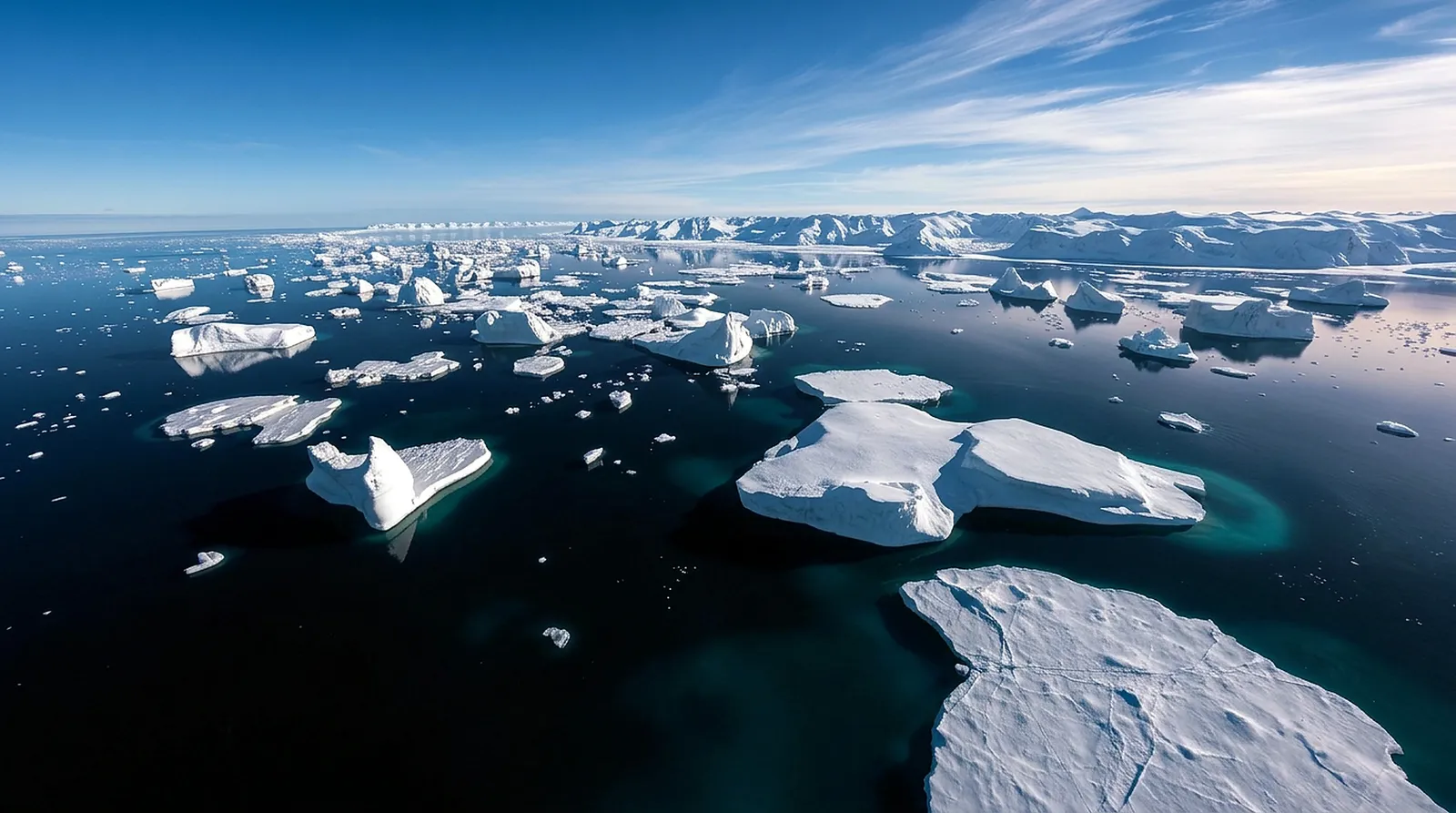
Conditions in January
So, you're dreaming of diving in Antarctica? January is an absolutely prime time to turn that dream into a reality. The Austral summer is in full swing, offering the most favorable conditions for exploration, both above and below the waves. Ice conditions are at their most navigable, meaning your liveaboard can access areas that might be locked away earlier or later in the season. You'll find long daylight hours, often stretching to 20 hours or more, providing ample opportunity for dives and topside excursions. This extended daylight not only enhances visibility but also contributes to magnificent photographic opportunities.
Weather-wise, while Antarctica is never "warm," January offers the mildest temperatures of the year. Expect air temperatures to hover around 0°C (32°F), occasionally dipping slightly below or rising a few degrees above. It can still be breezy, so proper layering for topside activities is essential. Sea state is generally more forgiving during January, particularly in the sheltered bays and channels of the Antarctic Peninsula. However, you are still in the Southern Ocean, so be prepared for the possibility of choppier waters on crossings of the Drake Passage or in more exposed areas.
Underwater, the water temperatures are cold, as you'd expect, ranging from a frigid 0°C to 2°C (32°F to 36°F). This demands robust thermal protection. Visibility can be surprisingly good, often reaching 15 to 30 meters (50 to 100 feet) in calm areas, especially when there's less sediment stirred up. Currents are generally milder inside bays and fjords, but can pick up in narrower channels or during tidal movements. Your dive guides will always assess conditions carefully to ensure your safety and enjoyment.
What you will see
Diving in Antarctica in January is an unparalleled experience, offering encounters with an incredible array of polar marine life. This is a time of intense activity as the summer brings an abundance of food, drawing creatures from the smallest crustaceans to the largest whales. You'll be mesmerized by the sheer diversity and density of life. Prepare to spend time with various species of seals; Weddell seals are often curious and may approach divers, crabeater seals are abundant, and leopard seals, while best observed from a respectful distance, are a majestic sight. Penguin colonies are bustling, and while you won't dive directly with them for their safety, you'll hear their calls and see them porpoising overhead.
Below the surface, the sea floor bursts with vibrant life. Expect to see bizarre and beautiful invertebrates such as giant isopods, nudibranchs, and an astonishing variety of sea stars and anemones that cling to the rocky seafloor. Jellyfish drift by in graceful motion, and occasionally, you might spot Antarctic cod or other hardy fish species perfectly adapted to these extreme conditions. The underwater landscapes themselves are dramatic, with ice formations acting as natural sculptures, creating ever-changing cave-like structures and walls that plummet into the depths.
January is also an excellent month for whale sightings, both above and below the surface, though underwater encounters are rare and strictly opportunistic for safety reasons. Humpback whales, minke whales, and orcas are frequently seen feeding in the nutrient-rich waters during this time. While you won't be diving with them, their presence is a constant reminder of the vibrant ecosystem you’re immersed in. Keep an eye out during your zodiac cruises and from the deck of your liveaboard for their awe-inspiring breaches and tail flukes.
Top dive sites this month
While specific dive sites are often chosen by the liveaboard captain based on prevailing ice and weather conditions, January's accessibility allows for exploration of many incredible locations along the Antarctic Peninsula. Port Lockroy, known for its historic British base and bustling Gentoo penguin colony, offers fantastic muck diving-like experiences below the surface, with diverse invertebrates and often playful seals. The surrounding bays and islands often provide sheltered conditions for excellent visibility and calm dives.
The waters around Deception Island, a flooded caldera, are another highlight allowing for dives within an active volcano. Here, you often find unique geothermal activity that impacts the underwater landscape and provides a home for specific species. Further south, the dramatic ice formations and nutrient-rich waters of the Lemaire Channel and Pleneau Bay (often dubbed "Iceberg Alley") provide stunning backdrops for dives, with opportunities to explore beneath the icebergs themselves (controlled and safe conditions permitting), revealing incredible blue hues and thriving ecosystems on their undersides. Expect to see plenty of seals and a rich benthic community in these areas.
Practical tips for your trip
First and foremost, your thermal protection needs to be top-notch for diving in 0°C to 2°C (32°F to 36°F) water. A drysuit is absolutely mandatory, and not just any drysuit; ideally, choose one with thick thermal undergarments (at least 200 or 300g thinsulate equivalent), a good hood (7-9mm), thick gloves (5-7mm dry gloves are best), and insulated boots. You'll want spare dry gloves and hood too, just in case. Don't forget about your regulators – make sure they are cold-water rated (e.g., DIN connections preferred) and bring two separate first stages for redundancy.
January is suitable for experienced drysuit divers. While you don't need to be an expert, comfort and proficiency in a drysuit are crucial due to the cold and often overhead environment presented by ice. Beginners to drysuit diving should gain significant experience in less extreme conditions before attempting Antarctica. Liveaboard availability in January can be tight as it's peak season, so book well in advance – often a year or more out. Pack plenty of warm layers for topside excursions (fleeces, waterproof outer shells), sunscreen (the reflection off the snow and water is intense), good sunglasses, and a wide-brimmed hat. Remember to bring multiple backup batteries for your camera equipment, as cold drains them quickly. Be aware that trips to Antarctica are expeditionary in nature; itineraries are always subject to changes based on ice, weather, and sea conditions, ensuring safety and the best possible experience. Embrace the adventure!
Year-round overview for Antarctica
Frequently asked questions
Is January a good month to dive in Antarctica?
What can you see diving in Antarctica in January?
Should I book a Antarctica liveaboard for January or wait?
Find a liveaboard for January
Compare available Antarctica liveaboards departing in January.
Search and Book