Conditions in January
So, you're eyeing a dive trip to Honduras's Bay Islands in January? Excellent choice! January kicks off the dry season, making it a particularly appealing time to visit this Caribbean gem. You’ll generally find clear, sunny skies and calm seas, a welcome escape from winter elsewhere. Air temperatures hover comfortably between 25-28°C (77-82°F), so it’s perfect for relaxing on deck between dives.
Underwater, the conditions are equally inviting. Water temperatures generally range from a balmy 26-28°C (79-82°F) on the surface, dropping just a degree or two at deeper depths. This means you’ll be comfortable for multiple dives without getting too chilly. Visibility during January is typically outstanding, often exceeding 30 meters (100 feet), allowing for fantastic photographic opportunities and breathtaking wide-angle views of the reef systems.
Currents around the Bay Islands are generally mild to moderate, especially within the protected reef systems, making it suitable for a variety of diving experiences. There might be some stronger currents around the outer walls or more exposed sites, but your liveaboard crew will always brief you thoroughly and choose sites appropriate for the daily conditions and group experience levels. You’re in for some truly stunning diving experiences.
What you will see
January in the Bay Islands, particularly around Utila and Roatán, is a fantastic time for marine life encounters. While whale sharks are known to frequent Utila almost year-round, January often sees an increase in sightings as the plankton blooms become more prevalent. Keep your eyes peeled on open water transits between dive sites, as these gentle giants are often spotted cruising near the surface. You might also encounter schools of majestic spotted eagle rays gliding gracefully through the water, especially on deeper wall dives.
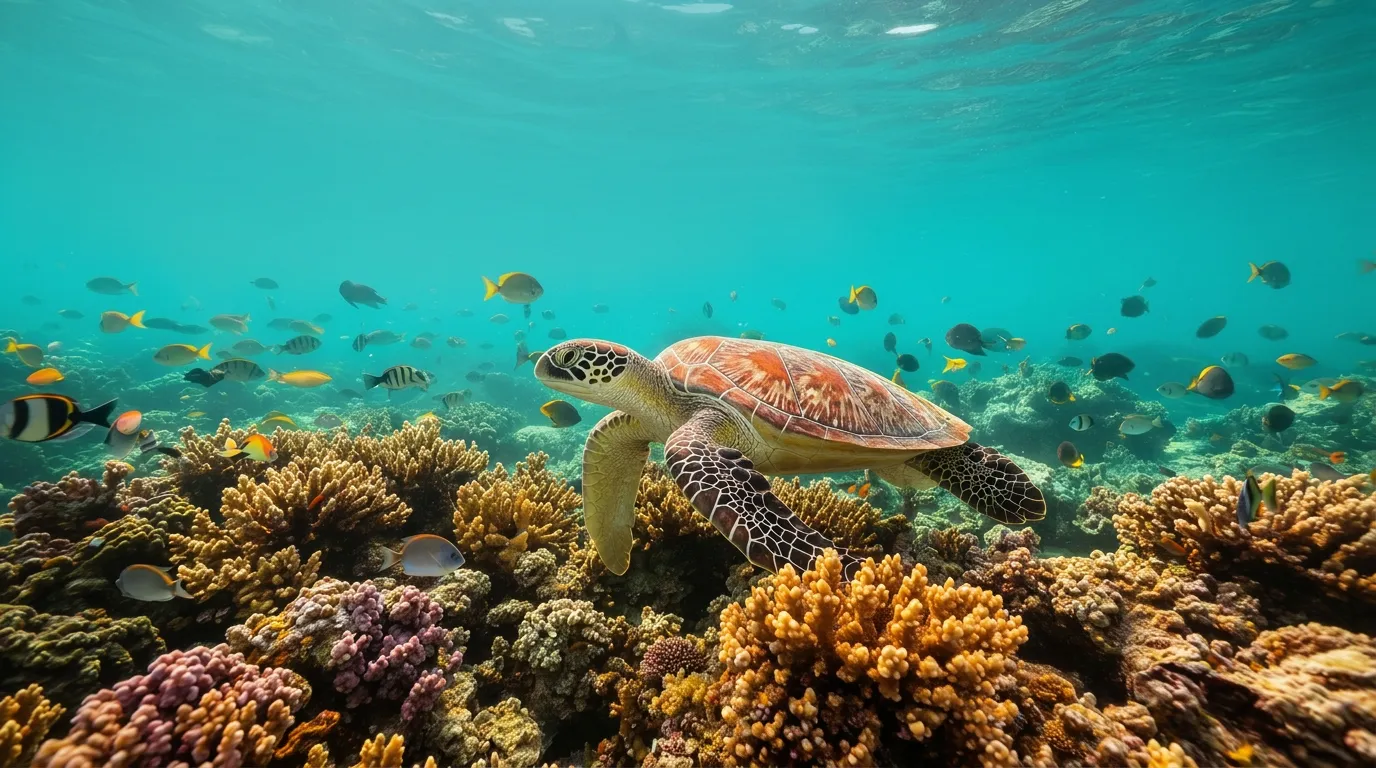
The reefs themselves are teeming with vibrant life. Expect to see large numbers of schooling fish like horse-eye jacks, barracudas, and snapper. The healthy coral ecosystems, including extensive stands of brain coral, elkhorn, and pillar coral, provide shelter for an incredible array of reef fish, from colourful parrotfish and angelfish to flitting damselfish and creole wrasse. You’ll also spot plenty of green sea turtles and hawksbill turtles munching on sponges or resting on coral heads.
For those who appreciate the smaller stuff, the Bay Islands don't disappoint. Look closely among the corals and sandy patches for fascinating macro life: nudibranchs in a dazzling array of colours, various species of crabs and shrimp, and maybe even a shy seahorse or cryptic frogfish if you have a keen eye and a good dive guide. While large pelagics like manta rays can be seen, they are less predictable than the whale sharks and spotted eagle rays. Nonetheless, the sheer biodiversity here means every dive offers something new and exciting.
Top dive sites this month
When diving the Bay Islands in January, several sites absolutely shine. For incredible wall diving and the chance for pelagics, you’ll definitely want to explore the famous Mary's Place in Roatán. This iconic site is renowned for its dramatic, deep crevices and swim-throughs formed by volcanic activity, often hosting schools of jacks and a strong chance for eagle rays cruising by. Its unique topography makes for a truly memorable dive.
Over in Utila, Utila Banks is a must-visit, especially for its reputation as a whale shark hotspot. While sightings are never guaranteed, the deeper waters around the banks offer a greater chance of encountering these magnificent filter feeders. The reef structures here are also vibrant, with healthy corals and an abundance of reef fish. Don’t miss Lighthouse Reef near Utila as well; it’s a beautiful outer reef with great visibility and frequently visited by schools of snapper and barracuda, and occasionally spotted eagle rays. For something a little different, The Odysessy Wreck off Roatán is a fantastic artificial reef, home to incredible amounts of marine life that thrives on and around the sunken cargo ship, offering thrilling penetration opportunities for suitably certified divers. And for sheer reef health and diversity, Half Moon Bay Wall in Roatán provides a stunning drift dive along a vibrant wall, showcasing the incredible biodiversity of the Caribbean reef system.
Practical tips for your trip
Given the comfortable water temperatures of 26-28°C (79-82°F) in January, a 3mm shorty or a full 3mm wetsuit will be perfectly adequate for most divers. If you tend to get cold easily or plan on doing multiple dives a day on a liveaboard, a 5mm suit might provide that extra comfort, but it's rarely necessary for warmth. January is truly fantastic for all levels of divers, from beginners just starting their underwater journey to advanced divers seeking thrilling wall dives and pelagic encounters. The calm conditions and excellent visibility make it particularly welcoming for those new to diving or looking to build their confidence.
Liveaboard availability in January can be a bit tight, especially around the holiday season and as the dry season kicks off, so we highly recommend booking your Blue Rides liveaboard well in advance to secure your preferred itinerary and cabin. Don't forget to pack light, breathable clothing for above deck, high-factor reef-safe sunscreen, a wide-brimmed hat, and polarized sunglasses – the Caribbean sun can be intense! Remember to bring any personal medications you might need. Electricity is typically 110V (North American standard) so bring adapters if necessary. While credit cards are accepted in many places, having some local currency (Honduran Lempira) or small US dollar bills for tips and smaller purchases can be handy. Embrace the relaxed island pace, stay hydrated, and get ready for some genuinely memorable diving in one of the Caribbean's premier destinations!
Year-round overview for Honduras
Frequently asked questions
Is January a good month to dive in Honduras?
What can you see diving in Honduras in January?
Should I book a Honduras liveaboard for January or wait?
Find a liveaboard for January
Compare available Honduras liveaboards departing in January.
Search and Book