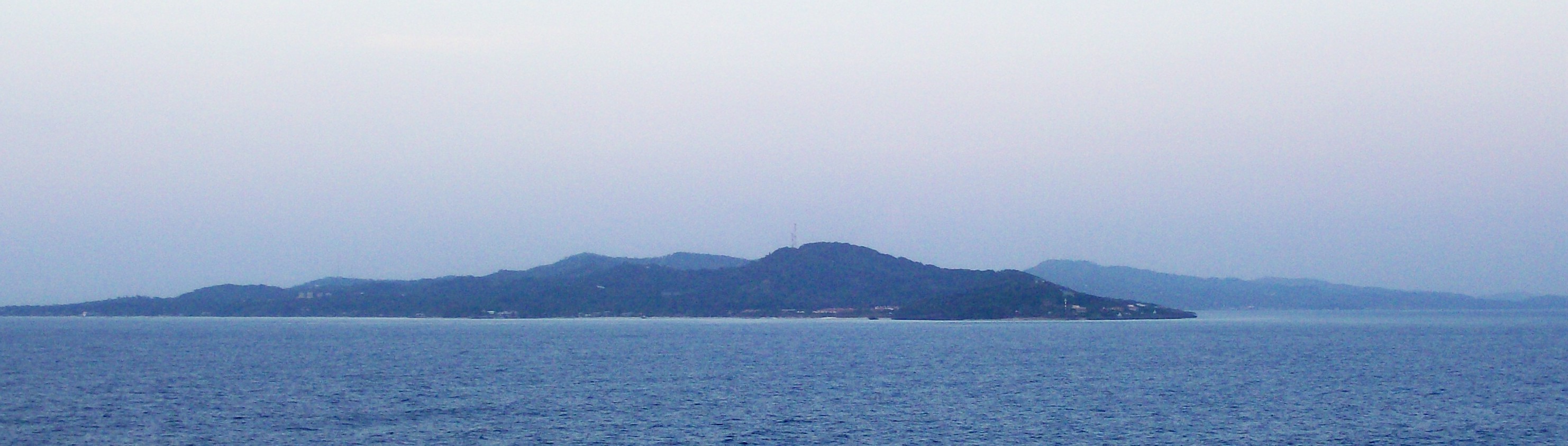
Honduras Liveaboard Diving

Liveaboards in Honduras

from $309 / day

1 of 1 · Honduras liveaboard routes, seasons & prices

Roatan Aggressor

Explore Honduras' vibrant reefs aboard the Roatan Aggressor, your gateway to the Bay Islands' underwater world.

  • Individual Cabin Storage
  • Warm Towel Service
  • In-Cabin Hairdryers

4.6(139 reviews)

18 guestsfrom $309/day

Diving in the Caribbean: wrecks, walls and whale sharks

Stretching along the world's second-largest barrier reef, the Bay Islands of Honduras offer a Caribbean diving experience defined by pristine reefs and dramatic topography. Exploring this vast ecosystem by boat unlocks access to the most remote corners of Roatán and Utila, far from the reach of day-trippers. A Honduras liveaboard provides the ultimate platform for discovering the sheer diversity of the Mesoamerican Barrier Reef, from shallow, sunlit coral gardens to plunging vertical walls that drop into the deep blue.

The diving here is a tale of two islands. Utila has earned its reputation as the Caribbean's whale shark capital, with reliable sightings of these gentle giants, especially from March to May. Roatán, meanwhile, is revered for its spectacular wall dives and healthy reef system. Exploring the best dive sites Honduras has to offer means descending through the famous crevasse at Mary's Place, navigating swim-throughs at Coco's Sea Mount, and watching for Caribbean reef sharks and squadrons of eagle rays patrolling the blue. The reefs teem with life, from enormous barrel sponges to schools of Creole wrasse.

The ideal season for a Honduras diving adventure is from March through September, when seas are typically calm and underwater visibility can reach 30 meters (100 feet). Water temperatures remain a comfortable 26-29°C (79-84°F) year-round. This destination is perfectly suited for divers with intermediate to advanced experience who are comfortable with walls, potential currents, and deep blue encounters. It’s the definitive trip for those wanting to immerse themselves in the region's top sites without compromise.

Why dive a liveaboard in Honduras

From legendary wrecks and thriving reefs to close-up encounters with iconic marine life, this destination offers the experiences divers dream about. Warm, clear waters and well-organized liveaboard routes make it easy to explore the best sites. These are the highlights that keep divers coming back year after year.

Whale shark capital

Utila is one of the world's most reliable spots for whale shark encounters year-round

Mesoamerican Reef

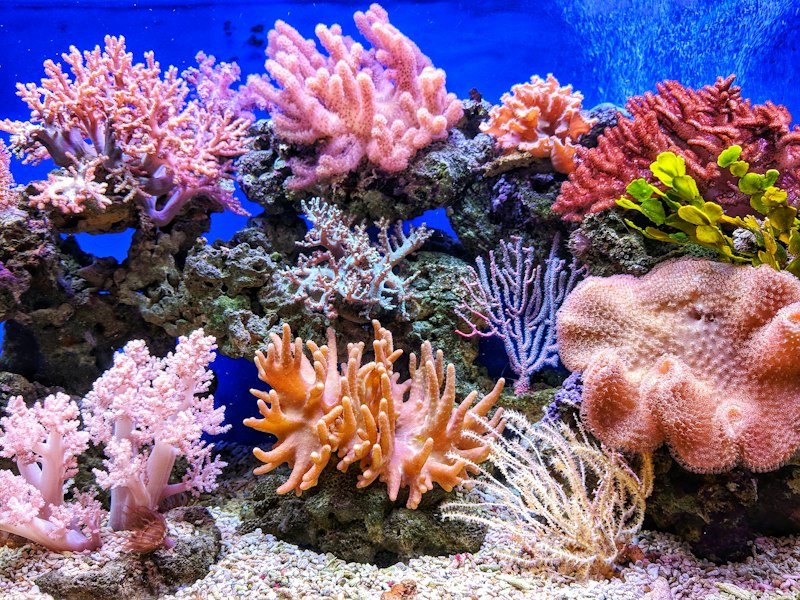
Dive the second-largest barrier reef system on Earth with pristine coral formations

Dramatic wall dives

Roatán's walls plunge from shallow coral gardens into the deep blue Caribbean

Best value Caribbean

World-class diving at some of the lowest prices in the Caribbean

Who a liveaboard in the Caribbean suits — and who it doesn't

The Bay Islands are among the cheapest places in the world to certify, with Roatán and Utila offering easy reef and a whale-shark season.

Beginners

Open Water, training destination

Utila and Roatán run high-volume, low-cost training on shallow, sheltered reef minutes from shore.

Matching areas:UtilaRoatán West EndHalf Moon Bay

Advanced divers

Advanced, wall dives and wrecks

Roatán’s walls drop steeply from about 15 metres, and the Prince Albert and El Aguila wrecks sit at roughly 20 to 30 metres.

Matching areas:Mary’s PlaceEl Aguila wreckCayos Cochinos

Deep and technical

Deep, Nitrox, some technical operators

The wall systems continue well past recreational depth and Utila hosts technical and sidemount instruction; the Bay Islands have hyperbaric chambers on Roatán and Utila.

Matching areas:Roatán wallsUtila seamountsCayos Cochinos

Photo and video

Macro on the walls, seasonal whale sharks

Utila’s whale-shark season peaks around March to April and August to October; the Roatán walls give sponge and seafan wide-angle year round.

Matching areas:UtilaMary’s PlaceRoatán

Best time to dive in Honduras

Honduras offers excellent diving year-round, but the peak season from March to September provides the best conditions with calm seas and visibility up to 30 meters. This period includes the prime months for whale shark sightings around Utila, from March to May. The green season, from October to February, sees fewer crowds and offers the chance to spot humpback whales, though with occasional rain and slightly cooler water.

👆 Click any month for detailed conditions
Excellent
Good
Off-Season

Nov – May (Peak)

Tiger sharks at Tiger Beach, hammerheads off Cat Island, best visibility up to 40m, calm seas.

Jun & Oct (Shoulder)

Reef sharks, nurse sharks, dolphins. Slightly rougher seas but still diveable.

Jul – Sep (Hurricane)

Many operators pause. If open, expect reduced visibility and unpredictable weather.

Underwater visibility

37m
(121ft)
30m
(98ft)
23m
(75ft)
Jan
Feb
Mar
Apr
May
Jun
Jul
Aug
Sep
Oct
Nov
Dec

Air & water temperature

34°C 30°C 25°C
27°
28°
27°
28°
27°
29°
28°
30°
28°
31°
29°
31°
29°
32°
29°
32°
29°
31°
28°
30°
28°
29°
27°
28°
Jan
Feb
Mar
Apr
May
Jun
Jul
Aug
Sep
Oct
Nov
Dec
Water
Air (Day)

Recommended wetsuit

3mm
3mm
3mm
3mm
3mm
3mm
3mm
3mm
3mm
3mm
3mm
3mm
Jan
Feb
Mar
Apr
May
Jun
Jul
Aug
Sep
Oct
Nov
Dec
3mm (warm)
Wetsuit Guide

What you'll see diving in the Caribbean

Diving in Honduras offers reliable encounters with iconic Caribbean marine life along the Mesoamerican Barrier Reef. The main attraction is the whale shark, with frequent sightings around Utila, especially from March through May. Divers can also expect to see Caribbean reef sharks, squadrons of eagle rays, and both hawksbill and green turtles. The reefs themselves are vibrant, characterized by enormous barrel sponges and schools of Creole wrasse.

When to See What

Use this calendar as a guide: the highlighted months show when your chances are usually best. Wildlife follows its own rhythm, so sightings are never guaranteed — but we hope this makes planning a little easier. The seasonal rhythm of Honduras is defined by its largest visitors. The best time for whale shark encounters around the island of Utila is during the spring and summer, with a peak from March to May. In contrast, the winter months of October through February offer the chance of spotting migrating humpback whales.

Species
Jan
Feb
Mar
Apr
May
Jun
Jul
Aug
Sep
Oct
Nov
Dec
Whale Shark
Whale Shark
Caribbean Reef Shark
Eagle Ray
Eagle Ray
Sennet
Sennet
Rainbow Runner
Rainbow Runner
Needlefish
Needlefish
Numbfish
Numbfish
Painted Tunicate
Painted Tunicate
Pilotfish
Pilotfish
Porkfish
Porkfish
Purple Tunicate
Purple Tunicate
Remora
Remora
Scad
Scad
Sea Hare
Sea Hare
Sea Slug
Sea Slug
Peak Season
Present
Rare/Absent

Mary's Place and CoCo View Wall: the best dive sites in Honduras

A liveaboard is the ideal way to experience the signature dive sites of both Roatán and Utila on a single itinerary. You can explore Roatán’s famous wrecks like the El Aguila and descend through the dramatic volcanic fissure at Mary's Place. The boat then allows easy access to more remote sites like the offshore seamount of Black Hills near Utila, a pinnacle known for attracting dense schools of fish and eagle rays.

1

Cisnero's Point

ReefIntermediate
940m / 30131ftBest: March–May, July–August16.3094°, -86.5173°

Cisnero's Point is a recognized dive site situated within Roatan's extensive and protected reef system, officially named by the Roatan Marine Park. Its location on the Mesoamerican Barrier Reef, the second-longest barrier reef globally, ensures a rich and healthy underwater environment. This particular site is one of Honduras's signature dive locations, contributing to the Bay Islands' reputation for diverse topography and marine life. Diving here typically involves exploring vibrant coral gardens and other reef structures. Roatan's dive sites, including Cisnero's Point, feature dramatic walls, pristine shallow reefs, and cracks and crevices that divers can investigate. The depth range for diving in the Bay Islands, generally, extends from 9 to 40 meters (30 to 130 feet), providing ample space for exploration. The site supports a wide array of marine life thanks to the healthy ecosystem. While specific species for Cisnero's Point aren't detailed in the provided sources, the broader Roatan area is known for diverse fish populations and other marine creatures, including opportunities to spot turtles, octopuses, and even whale sharks seasonally. The consistent water temperatures contribute to a thriving environment. Diving is a year-round activity in Roatan, with summer months often offering exceptionally clear and calm conditions. Liveaboard trips to this region typically offer multiple dives per day, including night dives, maximizing the opportunity to experience the site.

Roatan Marine Park recognized siteMesoamerican Barrier Reef locationVibrant coral gardensRich biodiversity
2

Shallow El Aquario

ReefBeginner
824m / 2679ftBest: March–October16.3035°, -86.5977°

Shallow El Aquario is a prominent wall dive located off West End Roatan, characterized by a mooring situated on a shallow top reef at approximately 8 meters. From this initial point, a short swim leads to the main wall, which boasts extensive coral formations, large sponges, and diverse reef structures. The site's topography allows for flexible dive planning, accommodating both stationary dives and drift profiles, making it suitable for divers who prefer clear routes and wall diving. The dive site is part of the Mesoamerican Barrier Reef System, providing a healthy and vibrant underwater ecosystem. Divers can expect consistent visibility and warm water temperatures throughout the year, with optimal conditions typically observed during the dry season from March to October. While the site's name might suggest a purely shallow experience, the wall truly defines the dive, offering depths beyond 18 meters. The rich marine biodiversity here includes various reef fish, turtles, and rays, making every dive an engaging encounter with Caribbean marine life. This site is ideal for certified divers seeking a classic Roatan wall dive experience with adaptable current conditions.

Shallow top reef mooringExtensive coral wallLarge sponges and plate coralsFlexible drift or stationary divingVariety of reef fishGreen and Hawksbill turtlesWest End Roatan location
3

Overheat

ReefIntermediate
830m / 2698ftBest: March–October, August–September16.3312°, -86.6450°

Overheat Reef is an intermediate dive site located off Roatán, Honduras, renowned for its vibrant Caribbean reef system. It's part of the extensive Mesoamerican Barrier Reef, which is the second-largest coral reef system globally. This site is particularly noted for its healthy hard coral formations, including brain, star, and elkhorn corals, which create a thriving habitat for numerous marine species. The topography of Overheat Reef primarily consists of a barrier reef, with depths reaching up to 18 to 20 meters, though a wall extends down to 30 meters. Divers will encounter a sandy patch at 8 meters, ideal for macro life and beginner training, which then slopes towards the deeper wall. The site is accessible via boat and is also suitable for drift dives, navigation dives, and night dives. Throughout the year, divers can observe a bustling community of reef fish, such as queen and French angelfish, trumpetfish, and various groupers and barracudas frequenting cleaning stations. Critters like nudibranchs, sea hares, crabs, conch, and lobsters are abundant, especially in the sandy patches and among rocks. While sea turtles and eagle rays are occasionally seen, the primary focus is on the rich coral and reef fish diversity. The typical dive at Overheat Reef involves exploring the coral formations and searching for macro life, often maintaining a depth range of 12-25 meters for about 50-60 minutes. The moderate depth and generally gentle currents make it a comfortable dive, suitable for those with intermediate experience looking to enjoy a classic Caribbean reef environment.

Healthy hard coral formationsVibrant reef fish communityCleaning stationsMacro life in sandy patchesWall descending to 30 metersSuitable for night divesGentle currentsBrain, star, elkhorn corals
4

The Church

ReefIntermediate
560m / 16197ftBest: October–January, May16.3107°, -86.5816°

The Church is a vibrant reef dive situated on the island of Roatan, part of the Bay Islands in Honduras. This site is distinguished by its dramatic underwater topography, which includes canyons, trenches, and expansive reefs. These formations are a result of the Cayman Trench, which runs off the coast of Roatan, shaping spectacular dive environments. The site features a diverse range of marine life inhabiting its lush coral structures, impressive sponges, and crevices. You can expect to encounter a variety of iridescent fish species, alongside larger pelagic visitors such as manta rays and, seasonally, even elusive whale sharks. The reefs are also home to rare black coral, adding to the visual spectacle. The water temperatures here are consistently warm, ranging from 27 to 31 degrees Celsius, with visibility typically excellent, often extending between 24 and 45 meters. While generally clear, visibility can decrease slightly during the rainy season. This site is suitable for divers looking to explore varied reef formations and encounter a rich array of Caribbean marine fauna. Diving here is often part of liveaboard itineraries, offering a unique opportunity to explore the underwater landscape of the Bay Islands. Divers can typically enjoy the site through liveaboard operations, often involving multiple dives over several days to fully appreciate the region's offerings. The combination of healthy reefs, diverse marine life, and unique geological features makes for a rewarding diving experience.

Dramatic reef formationsLush coral structuresImpressive spongesIridescent fish speciesRare black coralSeasonal manta raysSeasonal whale sharks

Bucket-list dives worth booking early

A diving trip to Honduras is defined by a few unforgettable experiences. The ultimate highlight is snorkeling alongside gentle whale sharks near Utila, with encounters most reliable between March and May. Another iconic moment is descending through the deep, coral-lined volcanic fissure at Mary's Place on Roatán. These moments are set against the backdrop of exploring the diverse walls of the Mesoamerican Barrier Reef.

Underwater view of the dive site Whale Shark Season in Honduras
1
March – May

Utila

Snorkel with whale sharks around Utila during their seasonal visits, making Honduras one of the most affordable and reliable whale shark destinations in the world.

Read more
Underwater view of the dive site Mesoamerican Reef in Honduras
2
Year-round

Roatán

Dive the second-largest barrier reef in the world, with dramatic walls, swim-throughs, and an abundance of Caribbean marine life surrounding the Bay Islands.

Read more
Underwater view of the dive site Mary's Place Crevice in Honduras
3
Year-round

Roatán

Descend into the dramatic volcanic fissure of Mary's Place on Roatán, where narrow canyons adorned with sponges and corals create an otherworldly dive experience.

Read more

Above water: climate, shore trips and extra costs

Consider extending your trip to explore Honduras's rich culture and natural beauty on land. Before or after your liveaboard, you can visit the magnificent Mayan ruins at Copán, a designated UNESCO World Heritage site. Alternatively, stay on Roatán to relax on the white sands of West Bay Beach or discover the mainland's lush Pico Bonito National Park, accessible from La Ceiba.

Copán Mayan Ruins

Copán Mayan Ruins

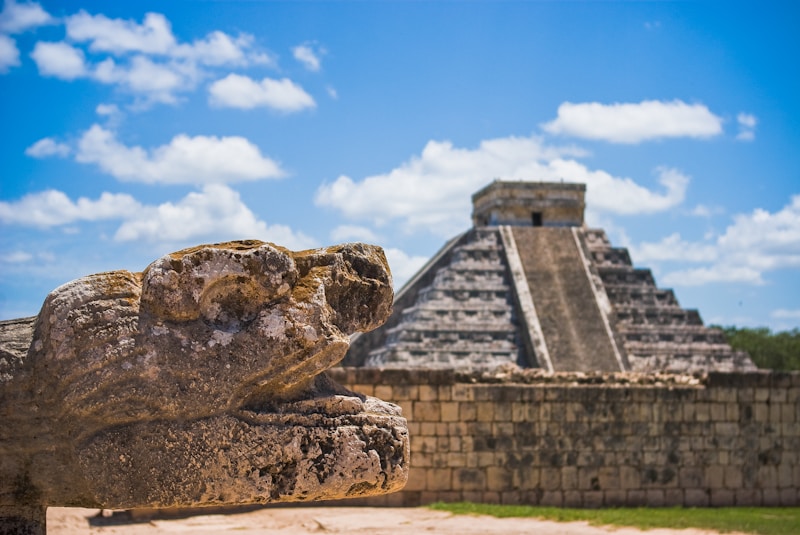
One of the most impressive Mayan archaeological sites, known for its elaborate stelae, hieroglyphic stairway, and beautifully preserved ball court. A UNESCO World Heritage Site.

Roatán Beach Life

Roatán Beach Life

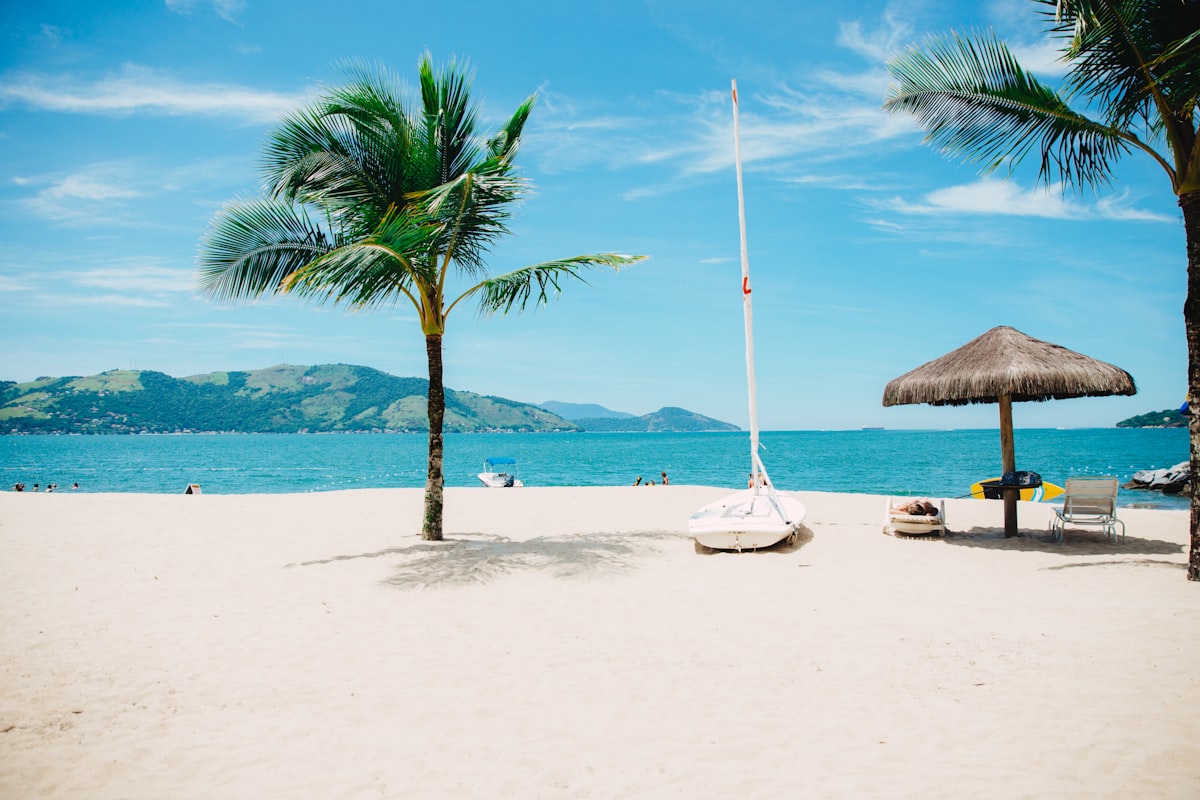
West Bay Beach is consistently rated among the Caribbean's best beaches with powdery white sand, crystal-clear water, and vibrant beachside restaurants.

West End Village

West End Village

Roatán's charming dive town with colorful Caribbean architecture, excellent restaurants, lively bars, and a relaxed island atmosphere perfect for post-dive evenings.

Pico Bonito National Park

Pico Bonito National Park

A mainland gem with cloud forest, cascading waterfalls, incredible birdwatching, and hiking trails through one of Honduras' most biodiverse protected areas.

What a liveaboard in Honduras costs

The calendar below shows how liveaboard prices shift month by month, so you can see exactly when your money goes furthest. We want every diver to get the best possible value, which is why we highlight the seasons that balance great conditions with the fairest rates.

Honduras stands out as one of the Caribbean’s most affordable liveaboard destinations, offering excellent value for diving on the Mesoamerican Barrier Reef. Prices are seasonal, with the highest demand and rates during the peak season from March to September, which aligns with the best weather and whale shark encounters. For potentially lower prices and fewer divers, consider traveling during the green season from October to February.

$309–$309

per day liveaboard

$34–$57

per 2-tank dive trip

$34–$136

hotel per night

Prices reflect typical costs for mid-range to premium options. Budget alternatives may be available.

Getting to Roatán and La Ceiba: flights and transfers

Getting to your liveaboard is straightforward, with most international travelers flying into Roatán International Airport (RTB). The airport receives direct flights from major US hubs including Miami (MIA), Houston (IAH), and Atlanta (ATL). From there, transfers to the marinas are a short taxi or shuttle ride away. Most visitors from the US, UK, and EU can enter Honduras visa-free for up to 90 days.

Insider tips

💰

Utila is one of the cheapest places in the world to get PADI certified – packages start around $280

🏨

Book dive-and-stay packages on Utila for significant savings vs. booking separately

🍽️

Eat at local comedores (family restaurants) for meals under $3-5

🚌

Travel by collectivo buses between towns on the mainland for under $1

🏨

Stay in hostels or guesthouses on Utila from as low as $10-15/night

📅

Visit during shoulder season (May or November) for lower prices and fewer crowds

💧

Buy water and snacks at local pulperías instead of tourist shops

✈️

Take the ferry instead of flying between La Ceiba and the Bay Islands

Getting there

Roatán International Airport

Roatán, HondurasRTB

Direct flights from Houston (IAH), Miami (MIA), Dallas (DFW), and Atlanta (ATL)

La Ceiba Airport

La Ceiba, HondurasLCE

Domestic hub for connections to Utila and mainland

Entry requirements

Citizens of the US, Canada, UK, EU, Australia, and most Western countries can enter Honduras visa-free for up to 90 days. A valid passport with at least 6 months validity is required. The CA-4 agreement applies (Guatemala, El Salvador, Honduras, Nicaragua share a 90-day limit).

This information is provided without guarantee. Please check the official Honduran immigration website for the latest entry requirements.

Official Immigration Information →

Frequently asked questions about Honduras liveaboards

When is the best time to dive in Honduras?
Diving conditions in Honduras change throughout the year. Check our month-by-month best-time-to-dive guides to plan around peak visibility, weather and marine life encounters.
Do I need a liveaboard to dive in Honduras?
A liveaboard gives you access to remote dive sites in Honduras that day boats cannot reach, plus 3–5 dives per day in maximum comfort. For the best dives in Honduras, a liveaboard is the recommended choice.
What certification do I need to dive in Honduras?
Most Honduras liveaboards require Open Water as a minimum, with Advanced Open Water and 30+ logged dives recommended for currents and deeper sites. Some expert routes require Tech or 100+ dives.
How much does a Honduras liveaboard cost?
Liveaboard prices in Honduras typically range from €1,500 to €6,000+ per week depending on vessel category, route length and season. Browse the boats below for live pricing.
Do I need a visa for Honduras?
Visa requirements vary by your nationality. Always check the latest entry rules with the destination's official government source before booking flights.
Is diving in Honduras safe for beginners?
Many Honduras sites are beginner-friendly, but some routes feature strong currents or deep walls suited only to experienced divers. Check each vessel's recommended experience level.

Honduras compared with other liveaboard destinations

Honest, in-depth comparisons to help you decide between destinations, certifications, equipment and dive styles.

Liveaboard vs Land-Based Diving: Which Trip Is Right for You?

Choosing between a liveaboard and a land-based dive trip is the most fundamental decision divers face when planning a serious diving holiday. The right answer depends on your priorities: maximum dive count and access to remote sites favor liveaboards; beach time, family flexibility and lower cost favor land-based resorts. Both formats have evolved significantly in the last decade, and the line between them has blurred — luxury dive resorts now offer multi-day expedition trips, while many liveaboards include topside excursions and even spa days. This guide compares the two formats across every meaningful dimension: cost per day, dives per day, marine life access, comfort, social dynamics, family-friendliness, and travel logistics. We'll also cover the hybrid models (resort + day-charter, or 'safari boat' itineraries) that try to capture the best of both worlds. If you're certified, in love with diving and want to maximize bottom time, a liveaboard is almost always the better choice — you can clock 25+ dives in a week and reach sites no day boat can. If you're traveling with non-divers, prefer land-based comfort, or want flexibility to take days off, a resort wins. We'll get into all the nuances below.

Read comparison

Belize vs Honduras: The Ultimate Liveaboard Showdown

Choosing your next Caribbean liveaboard adventure often comes down to two titans of the Mesoamerican Barrier Reef: Belize and Honduras. Both offer world-class diving, warm water, and stunning underwater landscapes, but they deliver distinctly different experiences. A trip to one is not a substitute for the other. Belize is the home of icons. Its liveaboard itineraries focus on the remote, offshore atolls—Turneffe, Glover's Reef, and most famously, Lighthouse Reef, where the legendary Great Blue Hole awaits. This is a trip for divers seeking wild, uncrowded sites, dramatic wall diving, and the thrill of crossing a major geological wonder off their bucket list. Honduras, centered around the Bay Islands of Roatán and Utila, offers a different flavor of excellence. Here, the reefs are vibrant, accessible, and teeming with life. Known for its healthy coral, plentiful macro critters, and as a global hotspot for whale shark encounters, Honduras provides consistently fantastic diving with a more relaxed vibe and better value. The choice isn't about which is better, but which is better for you, right now.

Read comparison

Cayman Islands vs. Honduras: Your Liveaboard Dive Showdown

Choosing your next liveaboard adventure in the Caribbean can be a delightful dilemma, especially when considering two iconic destinations like the Cayman Islands and Honduras. Both offer exceptional underwater experiences, but cater to slightly different preferences and dive styles. The Cayman Islands, comprising Grand Cayman, Cayman Brac, and Little Cayman, are renowned for their pristine visibility, dramatic wall dives, and world-class infrastructure. It’s a destination often associated with ease of access and consistently excellent conditions, making it a favorite for divers seeking a polished, comfortable experience. Conversely, Honduras, particularly the Bay Islands of Roatán, Utila, and Guanaja, offers a more rugged, adventurous vibe with its vibrant reef systems, unique marine life encounters, and a reputation for affordability, especially for those looking to extend their stay or combine diving with other activities. While both are situated in the warm waters of the Caribbean, their distinct characteristics in terms of marine biodiversity, dive site types, and overall travel experience warrant a closer look to help you decide which liveaboard journey best suits your diving aspirations.

Read comparison
Plan your trip

Ready to dive?

Explore our expedition vessels and find your perfect trip to Honduras