Dive sites worldwide: the atlas with 2,000+ spots

Explore the world's best dive sites and find the liveaboard that takes you there.

Liveaboard-onlyAlso reachable by day boat / shore
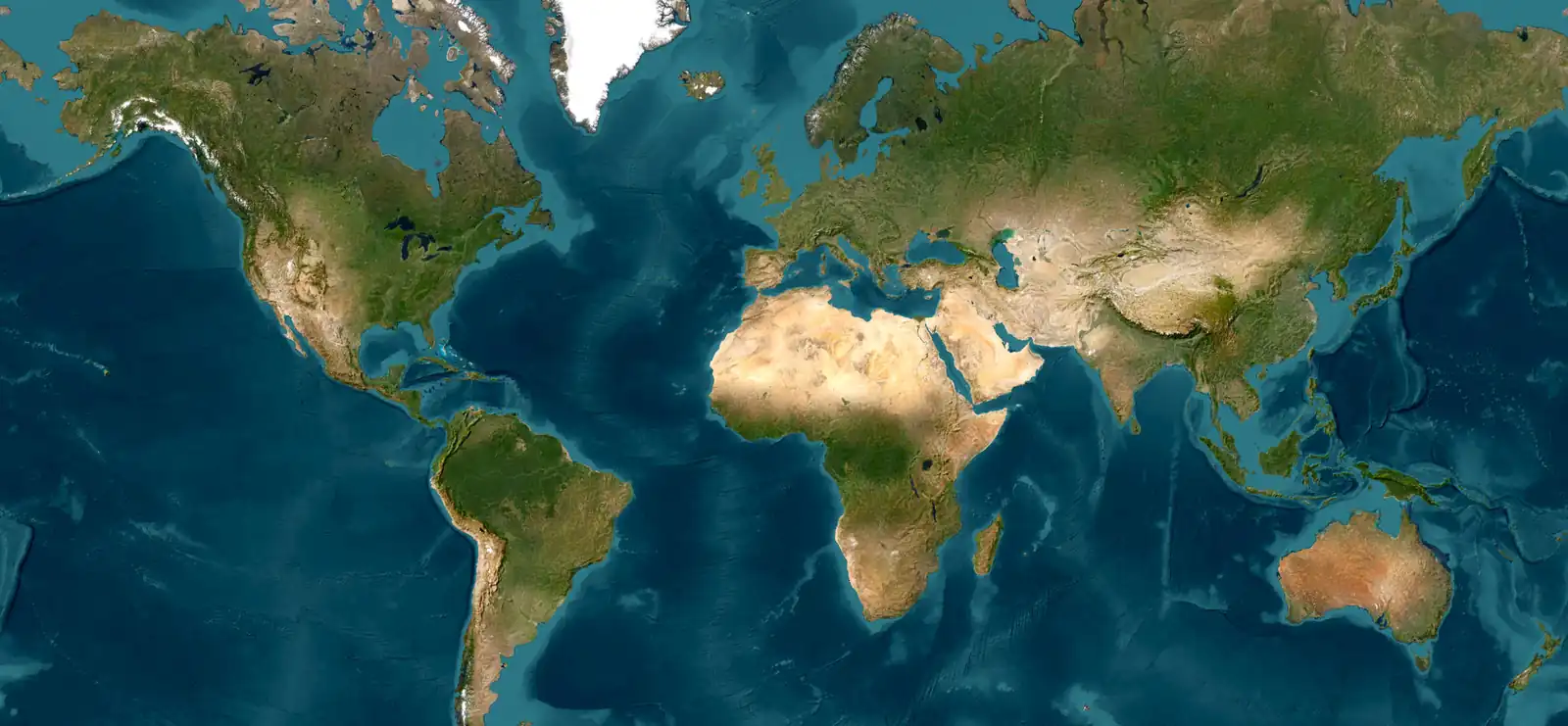
© Esri — Source: Esri, Maxar, Earthstar, GIS Community · Labels © Esri — HERE, Garmin, FAO, NOAA, USGS

How this dive site atlas is organised

Explore the most complete collection of dive sites on the planet — right here on this page. Search by country or region, filter by experience level, dive type, access and current, or find the exact marine life you want to encounter — from whale sharks and mantas to wrecks, walls and caves. Every site page shows seasonality, depth, how to get there and which liveaboards or day boats can take you there.

Editor's selection

Highlights from our rankings

Our editorial ranking of the greatest dives on the planet — wrecks, walls, shark plateaus and cenotes. Cross-checked against the major published lists, regardless of whether you reach them by liveaboard, day boat or from shore.

See all rankings

  1. The SS Thistlegorm is one of the world's most renowned shipwrecks, a British cargo vessel sunk during World War II. It lies in the Strait of Gubal, a narrow passage connecting the…

    Suitable for
    Advanced
    Current
    Strong
    Access
    Liveaboard or dayboat
    Depth
    18–30 m
    Theme
    Wreck
  2. 2

    Blue Corner

    Micronesia

    Blue Corner, located off the southwest reefs of Palau's Ngemelis Island, stands as one of the world's premier dive destinations, frequently listed among the best globally.

    Suitable for
    Intermediate
    Current
    Strong
    Access
    Liveaboard only
    Depth
    15–30 m
    Theme
    Drift / Wall
  3. 3

    Darwin's Arch

    Galápagos

    Darwin's Arch, now marked by two columns after the arch's natural collapse in 2021, remains a legendary dive site in the northern Galápagos archipelago, about 1000km offshore.

    Suitable for
    Advanced
    Current
    Strong
    Access
    Liveaboard only
    Depth
    13–28 m
    Theme
    Pinnacle / Wall
  4. The Great Blue Hole, a globally renowned marine sinkhole, lies approximately 70 km offshore from Ambergris Caye, situated within the Lighthouse Reef Atoll in Belize.

    Suitable for
    Advanced
    Current
    Strong
    Access
    Liveaboard or dayboat
    Depth
    10–40 m
    Theme
    Cave & cavern / Wall
  5. 5

    SS Yongala

    Australia

    The SS Yongala, resting off the Queensland coast in the Great Barrier Reef Marine Park, is renowned globally as a top wreck dive destination.

    Suitable for
    Advanced
    Current
    Strong
    Access
    Liveaboard or dayboat
    Depth
    14–30 m
    Theme
    Wreck
  6. Richelieu Rock, often celebrated as Thailand's premier dive site, is a majestic, isolated pinnacle located within Surin National Park in the northern Andaman Sea.

    Suitable for
    Advanced
    Current
    Strong
    Access
    Shore / dayboat
    Depth
    5–35 m
    Theme
    Cave & cavern / Pinnacle
  7. 7

    Bajo Alcyone

    Costa Rica

    Bajo Alcyone, a submerged seamount near Cocos Island, stands as a world-renowned dive site.

    Suitable for
    Advanced
    Current
    Strong
    Access
    Liveaboard only
    Depth
    25–40 m
    Theme
    Drift / Seamount
  8. 8

    Cape Kri

    Raja Ampat, Indonesia

    Cape Kri, situated off the northern tip of Kri Island in Raja Ampat's Dampier Strait, is a legendary dive site renowned for its exceptional marine biodiversity.

    Suitable for
    Advanced
    Current
    Ripping
    Access
    Liveaboard only
    Depth
    5–40 m
    Theme
    Drift / Reef
  9. Ras Mohammed National Park, located at the southern tip of the Sinai Peninsula, is Egypt's oldest and most well-preserved national park, renowned for its exceptional biodiversity and dramatic underwater topography.

    Suitable for
    Intermediate
    Current
    Strong
    Access
    Liveaboard or dayboat
    Depth
    5–40 m
    Theme
    Drift / Reef
  10. 10

    Fujikawa Maru

    Micronesia

    The Fujikawa Maru, a 133-meter Japanese cargo and passenger vessel, rests upright in Chuuk Lagoon, offering one of the most celebrated wreck dives globally.

    Suitable for
    Beginner
    Current
    Moderate
    Access
    Liveaboard only
    Depth
    5–37 m
    Theme
    Wreck
  11. The USAT Liberty, a 120-meter American cargo ship, is arguably Bali's most famous dive site, offering an unparalleled underwater experience from beginner to experienced divers.

    Suitable for
    Beginner
    Current
    Moderate
    Access
    Shore / dayboat
    Depth
    5–30 m
    Theme
    Wreck
  12. 12

    Roca Partida is arguably one of the most extraordinary dive sites globally, a remote volcanic rock in the Revillagigedo Archipelago, approximately 400 km off Mexico's Pacific coast.

    Suitable for
    Advanced
    Current
    Strong
    Access
    Liveaboard or dayboat
    Depth
    10–40 m
    Theme
    Cave & cavern / Seamount
  13. 13

    Batu Bolong

    Komodo, Indonesia

    Batu Bolong, meaning "Hollow Rock" in Bahasa Indonesian, is a renowned dive site in Komodo National Park, situated in the central Lintah Strait between Komodo Island and Tatawa Besar.

    Suitable for
    Advanced
    Current
    Strong
    Access
    Liveaboard or dayboat
    Depth
    10–30 m
    Theme
    Drift / Pinnacle
  14. Elphinstone Reef, locally known as Sha'ab Abu Hamra, is an iconic dive site in the Red Sea, located approximately 12 kilometers offshore from Marsa Alam.

    Suitable for
    Advanced
    Current
    Ripping
    Access
    Liveaboard or dayboat
    Depth
    1–100 m
    Theme
    Reef / Wall
  15. The Brothers Islands, comprising Big Brother and Little Brother, are an iconic dive destination in the Egyptian Red Sea, located approximately 100 kilometers offshore.

    Suitable for
    Advanced
    Current
    Strong
    Access
    Liveaboard or dayboat
    Depth
    5–40 m
    Theme
    Cave & cavern / Reef
  16. 16

    Hanifaru Bay

    Maldives

    Hanifaru Bay, located in the Baa Atoll UNESCO Biosphere Reserve, northwest of Malé, Maldives, is a shallow, keyhole-shaped lagoon known globally for its spectacular aggregations of manta rays and whale sharks.

    Suitable for
    Intermediate
    Current
    Strong
    Access
    Liveaboard or dayboat
    Depth
    3–5 m
    Theme
    Reef
  17. 17

    Maaya Thila

    Maldives

    Maaya Thila, a protected Marine Reserve located in the North Ari Atoll of the Maldives, is a prominent pinnacle dive site.

    Suitable for
    Advanced
    Current
    Strong
    Access
    Liveaboard or dayboat
    Depth
    6–30 m
    Theme
    Drift / Cave & cavern
  18. 18

    Blue Magic

    Raja Ampat, Indonesia

    Blue Magic, nestled in the Dampier Strait of Raja Ampat, stands as a premier dive site globally, celebrated for its high-energy pelagic encounters and rich marine biodiversity.

    Suitable for
    Advanced
    Current
    Strong
    Access
    Liveaboard only
    Depth
    8–30 m
    Theme
    Drift / Pinnacle
  19. 19

    Tubbataha Reef

    Philippines

    Tubbataha Reefs Natural Park is a remote UNESCO World Heritage site situated in the heart of the Sulu Sea, approximately 150 kilometers southeast of Puerto Princesa, Palawan.

    Suitable for
    Intermediate
    Current
    Ripping
    Access
    Liveaboard only
    Depth
    5–40 m
    Theme
    Reef / Wall
  20. The Great White Wall, a world-renowned dive site in Fiji, is located within the Somosomo Strait, a narrow channel between Vanua Levu and Taveuni.

    Suitable for
    Advanced
    Current
    Strong
    Access
    Liveaboard or dayboat
    Depth
    12–60 m
    Theme
    Wall
  21. Cenote Dos Ojos, Spanish for "Two Eyes," is one of the most iconic and visually stunning cenotes in Mexico's Yucatán Peninsula.

    Suitable for
    Intermediate
    Current
    No current
    Access
    Liveaboard or dayboat
    Depth
    5–10 m
    Theme
    Cave & cavern / Cenote
  22. Daedalus Reef, known locally as Abu Kizan, is a remote outpost in the Red Sea, located about 80 km offshore from Marsa Alam.

    Suitable for
    Advanced
    Current
    Strong
    Access
    Liveaboard or dayboat
    Depth
    5–40 m
    Theme
    Reef / Wall
  23. 23

    Wolf Island

    Galápagos

    Wolf Island, also known as Wenman, stands as one of the premier dive destinations globally, located more than 100 miles northwest of Isabela Island in the Galápagos archipelago.

    Suitable for
    Advanced
    Current
    Strong
    Access
    Liveaboard only
    Depth
    10–40 m
    Theme
    Wall
  24. 24

    Monad Shoal

    Philippines

    Monad Shoal is a submerged island positioned at the edge of a deep drop-off, approximately 200 meters, near Malapascua Island in the Philippines.

    Suitable for
    Advanced
    Current
    Strong
    Access
    Liveaboard or dayboat
    Depth
    12–50 m
    Theme
    Reef / Wall
  25. The Boiler is a world-renowned dive site located at Socorro Island, part of Mexico's Revillagigedo Archipelago, often referred to as Mexico's "Little Galapagos." This remote…

    Suitable for
    Advanced
    Current
    Strong
    Access
    Shore / dayboat
    Depth
    15–30 m
    Theme
    Pinnacle

Browse by place

The World's Top Diving Regions

Filter the world's dive sites by country and region and pick the corner of the ocean you actually want to be in. Start wide with a dive region, then narrow down to the country that fits your travel window. Every page holds its sites, its season, its ports and the liveaboards that take you there.

By country

Egypt Liveaboard Diving67 sitesEgypt
Indonesia Liveaboard Diving83 sitesIndonesia
Maldives Liveaboard Diving91 sitesMaldives
Mexico Liveaboard Diving178 sitesMexico
See all countries

By region

What should your dive adventure look like?

Wrecks, walls, drifts, caves, pinnacles, muck and big-animal reefs — pick the kind of diving you actually travel for and we show you the sites that deliver it. Every dive type page lists its strongest destinations, the certification level and current you should be comfortable with, and the season when conditions peak. Wreck divers can jump straight to the Red Sea and Truk Lagoon, macro shooters to Lembeh and Anilao, and drift lovers to Komodo, Palau and the Maldives channels.

Browse dive sites

Dive sites A–Z: Start with these 20

A first look at the atlas itself: twenty dive sites with their position on the world map and a short, factual summary of what you actually see down there. Use the search box to jump straight to a reef, wreck or wall by name — every site page holds depths, currents, level, season and the liveaboards that dive it.

Search by name — or by theme keyword like wreck, drift, cave, reef, muck or big fish. Results are grouped by country.

3 Fathom Wall

Cayman Islands

3 Fathom Wall is an exciting and fish-filled dive site located in the Cayman Islands, specifically at the intersection of the renowned Bloody Bay Wall.

Suitable for
Intermediate
Current
Mild
Access
Liveaboard only
Depth
≤ 3000 m
Theme
Reef

3 Riff

Dominican Republic

While specific details for a dive site named "3 Riff" are not present in the provided sources, general diving conditions and characteristics for the Dominican Republic…

Suitable for
Advanced
Current
Mild
Access
Dayboat
Depth
30–55 m
Theme
Reef

3 Rocks

Dominican Republic

The dive site known as 3 Rocks is located off the coast of Sosúa in Puerto Plata, Dominican Republic, offering an accessible and lively underwater experience.

Suitable for
Beginner
Current
Mild
Access
Dayboat
Depth
2–8 m
Theme
Reef

4 Amigos

Honduras

4 Amigos is a notable dive site located in the Bay Islands of Honduras, an area renowned for its extensive Mesoamerican Barrier Reef System, which is the world's second-longest.

Suitable for
Intermediate
Current
Moderate
Access
Liveaboard or dayboat
Depth
9–40 m
Theme
Reef

The dive site known as "6 Toed Cat" is not a recognized dive location in Mexico; rather, it refers to the polydactyl felines, many with six toes, that inhabit the Ernest Hemingway Home and Museum in Key West, Florida.

Suitable for
Beginner
Current
Mild
Access
Liveaboard or dayboat
Depth
Theme
Reef

7th Heaven

Maldives

7th Heaven is a vibrant channel reef located in the South Ari Atoll of the Maldives.

Suitable for
Intermediate
Current
Strong
Access
Liveaboard only
Depth
10–30 m
Theme
Reef / Drift

Aaron's Backyard is a noted dive site within the Roatan Marine Park in Honduras, part of the extensive Mesoamerican Barrier Reef System.

Suitable for
Intermediate
Current
Moderate
Access
Liveaboard or dayboat
Depth
9–40 m
Theme
Reef

Abdi Reis

Turkey

Abdi Reis is a highly regarded dive site situated near the Datça Peninsula in Turkey's Aegean Sea, specifically located within Abdi Reis Cove, near Yildiz Island.

Suitable for
Intermediate
Current
Moderate
Access
Liveaboard or dayboat
Depth
≤ 33 m
Theme
Reef / Wall

Abila

Alor

Abila is a captivating sloping reef dive site located in Alor, a region celebrated for its pristine coral and rich marine biodiversity.

Suitable for
Beginner
Current
Mild
Access
Liveaboard only
Depth
Theme
Reef

Abu Dabbab stands out as one of the Red Sea's most celebrated dive destinations, particularly notable for being a rare location where divers can encounter the endangered dugong.

Suitable for
Beginner
Current
Strong
Access
Shore / dayboat
Depth
3–20 m
Theme
Reef

Abu Galawa

Saudi Arabia

Abu Galawa is a prominent dive site within Saudi Arabia's Red Sea, specifically located among the Seven Sisters reefs near Yanbu.

Suitable for
Intermediate
Current
Strong
Access
Liveaboard or dayboat
Depth
5–40 m
Theme
Reef / Wall

Abu Galawa Kebir is a premier dive site located in the southern Red Sea, situated on the northwestern edge of the extensive Fury Shoal reef system.

Suitable for
Beginner
Current
Strong
Access
Liveaboard or dayboat
Depth
3–18 m
Theme
Wreck

Abu Nuhas, often called the "ship's graveyard" of the Red Sea, is a triangular coral reef situated at the northern edge of the Strait of Gubal.

Suitable for
Beginner
Current
Strong
Access
Liveaboard or dayboat
Depth
4–24 m
Theme
Wreck

Abyss

Madagascar

The dive site known as "Abyss" is not specifically mentioned or described in the provided sources.

Suitable for
Intermediate
Current
Moderate
Access
Liveaboard or dayboat
Depth
18–50 m
Theme
Reef

Acuario

Dominican Republic

Acuario is a popular, shallow reef dive site located in the Dominican Republic, offering an accessible underwater experience.

Suitable for
Beginner
Current
Moderate
Access
Liveaboard or dayboat
Depth
12–14 m
Theme
Reef

Adabanko Reef is an inviting dive site situated approximately two kilometers off the coast of Kuşadası in Turkey's Aegean Sea.

Suitable for
Beginner
Current
Moderate
Access
Liveaboard or dayboat
Depth
5–40 m
Theme
Reef

Adakule Cave is a notable boat-access dive site located near Kuşadası, Turkey, offering an engaging experience centered around two distinct underwater caverns.

Suitable for
Beginner
Current
Mild
Access
Dayboat
Depth
9–30 m
Theme
Cave & cavern

Addie's Garden is one of 350 dive and snorkel sites located around Roatan, Honduras, within the Mesoamerican Barrier Reef System.

Suitable for
Intermediate
Current
Moderate
Access
Liveaboard or dayboat
Depth
Theme
Reef

Addu Kandu

Maldives

Addu Kandu, also known as Addu Channel, is a significant natural waterway situated within the Addu Atoll, which is the southernmost atoll in the Maldives.

Suitable for
Advanced
Current
Strong
Access
Liveaboard only
Depth
Theme
Drift
See all dive sites2000+ dive sites

Dive safety

Decompression chambers

A decompression (hyperbaric) chamber is a pressure vessel in which a diver breathes pure oxygen at raised pressure. It is the only effective treatment for decompression sickness and arterial gas embolism, and the distance to the nearest working chamber is part of every serious dive plan — especially on liveaboards in remote waters. We keep a source-backed directory of the chambers that actually serve the dive regions we sell, sorted by country with addresses and published phone numbers. Check it before you book a remote itinerary, and always dive with valid diving accident insurance.

1.
Decompression sickness (DCS)
Nitrogen bubbles form in blood and tissue after a too-fast ascent or a missed decompression stop.
2.
Recompression
The chamber raises ambient pressure again so the bubbles shrink and dissolve.
3.
Hyperbaric oxygen
Pure O2 at 2–3 bar washes nitrogen out and re-oxygenates undersupplied tissue.
4.
Time matters
The earlier the treatment starts, the better the outcome — evacuation time is the critical factor.
5.
Insurance
A treatment series costs several thousand USD. Diving accident cover (DAN or equivalent) is mandatory on most liveaboards.
Find a chamber near your destination60 verified chambers in 30 diving countries

How to read this atlas

How we rate dive sites: Levels, current and access

Ratings on dive portals are usually decoration. Ours are definitions — so a badge means the same thing in Egypt and in Antarctica. Every dive site in this atlas carries the same three labels: the certification level it realistically demands, the current you should expect on an average day, and how you actually get there — liveaboard, day boat or shore. Read the three cards below once and you can scan any site page in seconds and know whether it fits your logbook.

Certification level

Open Water
Max 18 m, no meaningful current, direct ascent possible.
Advanced
To 30 m, mild to moderate current, boat entry, some navigation.
Advanced + current
Negative entry, reef hook or drift SMB, 30+ logged dives expected.
Technical
Beyond 40 m, overhead, or decompression obligation by design.

Current scale

None
You can hold position without effort.
Mild
Noticeable, easily finned against.
Moderate
Drift dive; the boat follows your SMB.
Strong
Negative entry, hook or hard descent on a line.
Ripping
Down-currents possible; guides brief an abort plan.

Access

Liveaboard only
No day boat operates in range.
Liveaboard & day boat
Both work; the liveaboard buys you the first slot of the day.
Shore access
Divable without a boat.
Sources
Operator route plans, marine park permits and our own trip reports.

FAQ

Everything you want to know about dive sites

The questions divers ask us most before they pick a dive site — access, certification level, current, season and cost. Every answer reflects how the sites in this atlas are actually dived by bookable operators, not a generic brochure. If a site needs a liveaboard, a permit or 30 logged dives, you will read it here first. For destination-specific detail, open the country or site page.

Which dive sites can only be reached by liveaboard?
Sites with no day-boat access at all — among them the Brothers Islands and Daedalus in Egypt, Tubbataha in the Philippines, Cocos Island, Darwin and Wolf in the Galápagos and the whole Banda Sea. Filter the atlas by Access → Liveaboard only to see all of them.
How many dives do I need before a strong-current site?
Plan on 30+ logged dives, a current-diving or drift specialty and a reef hook. Strong-current sites use negative entries and hard descents on a line — the skill you actually need is a calm, fast descent, not depth.
Can I dive Tubbataha, Cocos or Darwin without a liveaboard?
No. All three lie far offshore inside protected marine parks with no day-boat range and no shore access. A liveaboard permit is the only legal way to dive them.
What is the best month to dive?
There is no global best month — there is a best region per month. Use the season planner above: the peak cells show where visibility, sea state and big-animal odds line up in the month you can actually travel.
How do you decide which sites make the atlas?
A site enters the atlas when it is dived by a real, bookable operator, has a verifiable position and offers something a diver would plan a trip around. We drop duplicate names and unnamed practice reefs.
Do I need to pay marine park or permit fees?
Often yes, and they are almost never included in the cabin price. Egypt's offshore parks run roughly 150–200 € per week, Komodo, Raja Ampat, Tubbataha and Galápagos each charge their own park or permit fee, usually payable on board in cash. Budget for it separately.
Is nitrox available at every dive site?
Nitrox depends on the boat, not the site. Most modern liveaboards have a membrane or banked nitrox, sometimes free, sometimes as a weekly supplement. On deep or repetitive-profile sites like the Red Sea offshore reefs or Socorro it is worth booking in advance.
How cold is the water and which wetsuit do I need?
Tropical sites sit around 26–30 °C and a 3 mm suit is enough. Thermoclines change that fast: Socorro and Galápagos drop to 18–22 °C, Komodo's southern sites to 22 °C. For those a 5 mm suit with a hood, or a semi-dry, is the realistic choice.
What visibility can I expect?
Offshore reefs and open-ocean seamounts typically give 25–40 m. Nutrient-rich sites that attract mantas and sharks — Komodo south, the Galápagos or plankton season in the Maldives — trade clarity for animals and often sit at 10–20 m. Both are normal, not a bad day.
Are shark and manta sightings guaranteed?
No serious operator guarantees them. What the atlas gives you is the seasonal probability: hammerhead months on Daedalus and Wolf, manta aggregations in Hanifaru or Socorro, whale sharks in Cenderawasih. Diving inside the peak window is the only real way to raise your odds.
Is dive insurance required?
Most remote sites and liveaboard itineraries require proof of diving insurance that covers hyperbaric treatment and evacuation — DAN or an equivalent policy. Assume it is mandatory for any offshore or marine-park site and carry the certificate with you.
How deep are most of these dive sites?
The majority of atlas sites are dived in the 15–30 m range, which keeps them inside recreational limits with sensible no-deco time. Sites tagged Technical go beyond 40 m, into overhead or into planned decompression and are listed as such — such as deeper wrecks and the walls off Truk Lagoon.
Plan your trip

Ready to dive these sites?

Choose a destination or search every available vessel to find the liveaboard that dives the sites you want to see.