About Abu Galawa Kebir
Abu Galawa Kebir is a premier dive site located in the southern Red Sea, situated on the northwestern edge of the extensive Fury Shoal reef system. This site is renowned for its strikingly clear waters, abundant coral formations, and diverse marine ecosystem, making it a compelling destination for divers of all experience levels. Its name, meaning "Father of the Big Lagoon," aptly describes the sheltered, shallow lagoon that defines much of the site. The topography here features a series of vibrant coral pinnacles and expansive shallow reef formations, providing a home to numerous hard and soft coral species like staghorn, brain, and table corals, as well as colorful sea fans and sponges. Divers can explore various canyons and crevices, encountering schools of tropical fish. The site also boasts the wreck of the Tien Hsing, a Chinese steam tug that ran aground in 1943, now heavily encrusted with corals, blurring the lines between reef and wreck. Marine life at Abu Galawa Kebir is rich and varied, including common sightings of butterflyfish, angelfish, snappers, barracudas, and trevallies. Larger species such as groupers, moray eels, and even occasional reef sharks also inhabit the area. The excellent visibility and shallow depths contribute to its appeal for underwater photography. As a favorite overnight mooring for southern Red Sea liveaboards, the calm lagoon also provides an ideal setting for relaxed evening and night dives. Whether you are a novice or an experienced diver, Abu Galawa Kebir provides a rare combination of safety, beauty, and genuine underwater exploration. The site's pristine condition, with healthy coral communities showing no signs of bleaching, confirms its status as a reliable choice for experiencing authentic Red Sea reef diving.
Highlights
Coral-encrusted Tien Hsing wreckShallow, protected lagoonHealthy hard and soft coralsDiverse reef fish speciesOccasional reef shark sightingsExcellent visibilityNight diving opportunities
Season calendar
Best months to dive here
Jan
Feb
Mar
Apr
May
Jun
Jul
Aug
Sep
Oct
Nov
Dec
Excellent
Good
Dive site facts: Abu Galawa Kebir
- Depth
- 5–25 m
- Typical dive
- 12–20 m, 50–60 min
- Current
- Mild to occasional moderate
- Visibility
- 20–30 m
- Water temperature
- 21–30°C
- Entry
- Liveaboard tender / day boat
- Level
- All levels
- Dive type
- Reef, wreck, macro, coral gardens
- Night dive
- Possible
- Region / port
- Fury Shoals / Southern Red Sea
- Coordinates
- 24.15, 35.6167
Conditions & Currents
Currents at Abu Galawa Kebir are generally mild within the protected lagoon areas, making it suitable for divers of various experience levels. However, outside the immediate shelter of the reef, particularly at the northern edge where it meets the open Red Sea, currents can become noticeable. Divers should be aware that conditions are influenced by the tidal cycle, with the most favorable diving conditions typically occurring during slack tide, the period between high and low tide when currents are minimal. Visibility generally ranges from 20 to 30 meters, often exceeding 25 meters, providing clear views of the extensive reef and the Tien Hsing wreck. Surface conditions are usually calm within the lagoon, offering easy entry and exit from liveaboards or day boats, which often moor overnight here for protected stays. While strong winds can occasionally create choppier surface conditions i
Marine life & sighting chances

Angelfish
common
Butterflyfish
common
Parrotfish
common
Triggerfish
common
Barracuda
occasional
Trevallies
occasional
Groupers
occasional
Moray eels
common
Reef shark
occasional
Sea turtles
occasional
Octopuses
occasional
Cuttlefish
occasionalDive profile & how the dive runs
Dives at Abu Galawa Kebir typically begin from a tender or zodiac, transporting divers from the liveaboard to a sheltered entry point within the lagoon. The primary focus is often the wreck of the Tien Hsing, which lies between 5 and 18 meters, making it accessible even for open-water divers. You'll descend onto the coral-encrusted bow, exploring its structure and observing the abundant marine life that has made it home. From the wreck, you can navigate towards the surrounding coral gardens and pinnacles within the shallow lagoon, generally staying between 5 and 20 meters. This area features a vibrant display of hard and soft corals, with numerous crevices and small canyons to explore. The dive often follows a relaxed, meandering route, allowing ample time for observation and photography. Due to the site's sheltered nature and relatively shallow profile, it's common to complete the entire dive, including the safety stop, within the reef's protection, making for a comfortable and extended bottom time. Exit is typically back to the tender for return to the main vessel.
Underwater photography
Abu Galawa Kebir is an excellent site for underwater photography, particularly for wide-angle and macro shots. The clear, shallow waters and ample natural light provide ideal conditions for capturing the vibrant coral formations and the heavily encrusted Tien Hsing wreck. For wide-angle, a rectilinear wide-angle lens (e.g., 16-35mm or 10-17mm fisheye) will be effective for showcasing the wreck in its entirety and the expansive coral gardens. The colorful hard and soft corals, including staghorn and brain corals, make for spectacular reefscapes. For macro photography, focus on the intricate details of the corals, small reef fish, and the elusive octopuses or cuttlefish often found hiding within the reef. Utilizing strobes is highly recommended to bring out the true colors of the corals and marine life, especially when shooting wide-angle on the wreck. Pay attention to your buoyancy, as maintaining good trim helps protect the fragile corals and keeps stirred-up sediment to a minimum, ensuring clear shots. The site's protected lagoon also offers great opportunities for ambient light photography, particularly on sunny days.
Combine with nearby dive sites
- Abu Galawa Soghayar
Known as the "small" lagoon, featuring its own sailboat wreck and clouds of glassfish.
- Sataya Reef (Dolphin Reef)
Famous for resident spinner dolphins, offering encounters in their natural habitat.
- Daedalus Reef
An offshore reef known for pelagic encounters, including hammerhead sharks and healthy corals.
- Zabargad Island
One of the Red Sea's largest islands, offering diverse diving with healthy corals and potential turtle sightings.
- Elphinstone Reef
A legendary reef known for its dramatic drop-offs and encounters with oceanic whitetip and hammerhead sharks.
Getting there & logistics
Access to Abu Galawa Kebir is predominantly via liveaboard safaris operating in the southern Red Sea. These trips typically depart from ports like Marsa Alam or Hamata. Marsa Alam International Airport (RMF) serves as the most convenient arrival point, with transfers to the departure ports often included in liveaboard packages. Day trips are also available from Marsa Alam, involving a two-hour road transfer to Hamata port, followed by an 80-minute boat journey to the reef. Liveaboards offer the advantage of overnight mooring in the sheltered lagoon, allowing for relaxed evening and night dives. Most itineraries combine Abu Galawa Kebir with other world-class reefs within the Fury Shoals system, such as Sataya Reef and Sha'ab Claude, ensuring a comprehensive dive experience of the Deep South. Trip lengths for liveaboards can range from 7 to 10 days, providing ample opportunity to explore multiple sites.
Safety & environment
Diving at Abu Galawa Kebir is generally considered safe due to its protected lagoon and moderate depths. However, standard Red Sea diving safety protocols apply. It is essential to carry valid dive insurance, including coverage for emergency medical evacuation, as the nearest recompression chamber is in Marsa Alam, approximately 80 minutes sailing time away from Hamata. While the lagoon currents are mild, divers should remain vigilant for stronger currents on the northern outer edges of the reef and plan dives accordingly with an experienced guide. Always dive within your certified limits and maintain good buoyancy control to avoid damaging the pristine corals. Never attempt wreck penetration unless specifically trained and accompanied by a qualified guide. Proper hydration is crucial, especially during warmer months. Always adhere to your dive computer's limits and perform safety stops. Liveaboard crews are typically well-versed in emergency procedures, but understanding your own responsibilities is paramount.
Who it suits — and who it doesn't
Suited for
- Open Water divers
- Underwater photographers
- Wreck enthusiasts
- Night dive specialists
- Divers seeking healthy coral reefs
Less suited for
- Technical divers seeking extreme depths
- Divers exclusively seeking large pelagic action
- Those who dislike wrecks
- Divers prone to seasickness in open water (though the site itself is sheltered)
FAQ
Abu Galawa Kebir FAQ
What is Abu Galawa Kebir known for?
Abu Galawa Kebir is primarily known for its unique combination of a vibrant coral reef and the historically significant wreck of the Tien Hsing. This Chinese steam tug, which sank in 1943, is now heavily adorned with colorful hard and soft corals. The site also features a sheltered, shallow lagoon teeming with diverse reef fish, making it a popular spot for both photography and relaxed diving.
Is Abu Galawa Kebir suitable for beginners?
Yes, Abu Galawa Kebir is highly suitable for divers of all experience levels, including beginners. The site's protected lagoon ensures generally calm conditions and relatively shallow depths, typically ranging from 5 to 25 meters. This makes it an ideal location for new divers to gain confidence while still enjoying rich marine life and exploring the coral-encrusted wreck without encountering challenging currents or complex dive profiles.
What is the Tien Hsing wreck?
The Tien Hsing is a Chinese steam tug that ran aground at Abu Galawa Kebir in 1943. Over the decades, the wreck has transformed into an artificial reef, becoming completely overgrown with a stunning array of hard and soft corals. It lies at accessible depths, making it a captivating subject for divers interested in both maritime history and vibrant marine ecosystems.
How deep is the diving at Abu Galawa Kebir?
The diving at Abu Galawa Kebir ranges from shallow coral gardens starting at about 5 meters down to a maximum of approximately 25 meters. The wreck of the Tien Hsing is found between 5 and 18 meters, keeping most of the dive within recreational limits. This depth profile makes the site accessible and enjoyable for Open Water certified divers and above.
Can you penetrate the wreck?
While the Tien Hsing wreck is largely intact and heavily covered in coral, sources do not explicitly detail safe or recommended penetration points. Divers should assume that wreck penetration requires specialized training and guidance, and should only attempt it if a qualified instructor or guide familiar with the specific wreck structure deems it safe and is leading the entry. For most divers, observing the exterior and the marine life around it offers a complete experience.
How do you get to Abu Galawa Kebir?
Abu Galawa Kebir is typically accessed via liveaboard trips operating in the southern Red Sea, usually departing from ports such as Marsa Alam or Hamata. Day trips are also an option from Marsa Alam, involving a road transfer to Hamata followed by a boat journey. Liveaboards often integrate this site into longer itineraries exploring the Fury Shoals, benefiting from its sheltered lagoon for overnight stays.
What marine life will I see at Abu Galawa Kebir?
Divers at Abu Galawa Kebir can expect to encounter a wide variety of reef fish, including colorful angelfish, butterflyfish, parrotfish, and triggerfish. Schools of barracudas and trevallies are also seen, alongside larger residents like groupers and moray eels. Occasional sightings of reef sharks, sea turtles, octopuses, and cuttlefish add to the site's rich biodiversity, all set against a backdrop of healthy hard and soft corals.
Why dive Abu Galawa Kebir from a liveaboard?
Abu Galawa Kebir is one of Egypt's signature dive sites. A liveaboard sleeps you on the water and puts you in the water for three to four guided dives per day, including dawn and night dives that day-boat operators rarely offer. You skip the daily commute back to port and reach quieter, less-crowded sites in the same region on a single trip.
Below are the liveaboards that include Abu Galawa Kebir on their Egypt itineraries.
Liveaboards diving Abu Galawa Kebir
These liveaboards may visit Abu Galawa Kebir on selected itineraries — the exact dive sites depend on departure, weather and conditions.
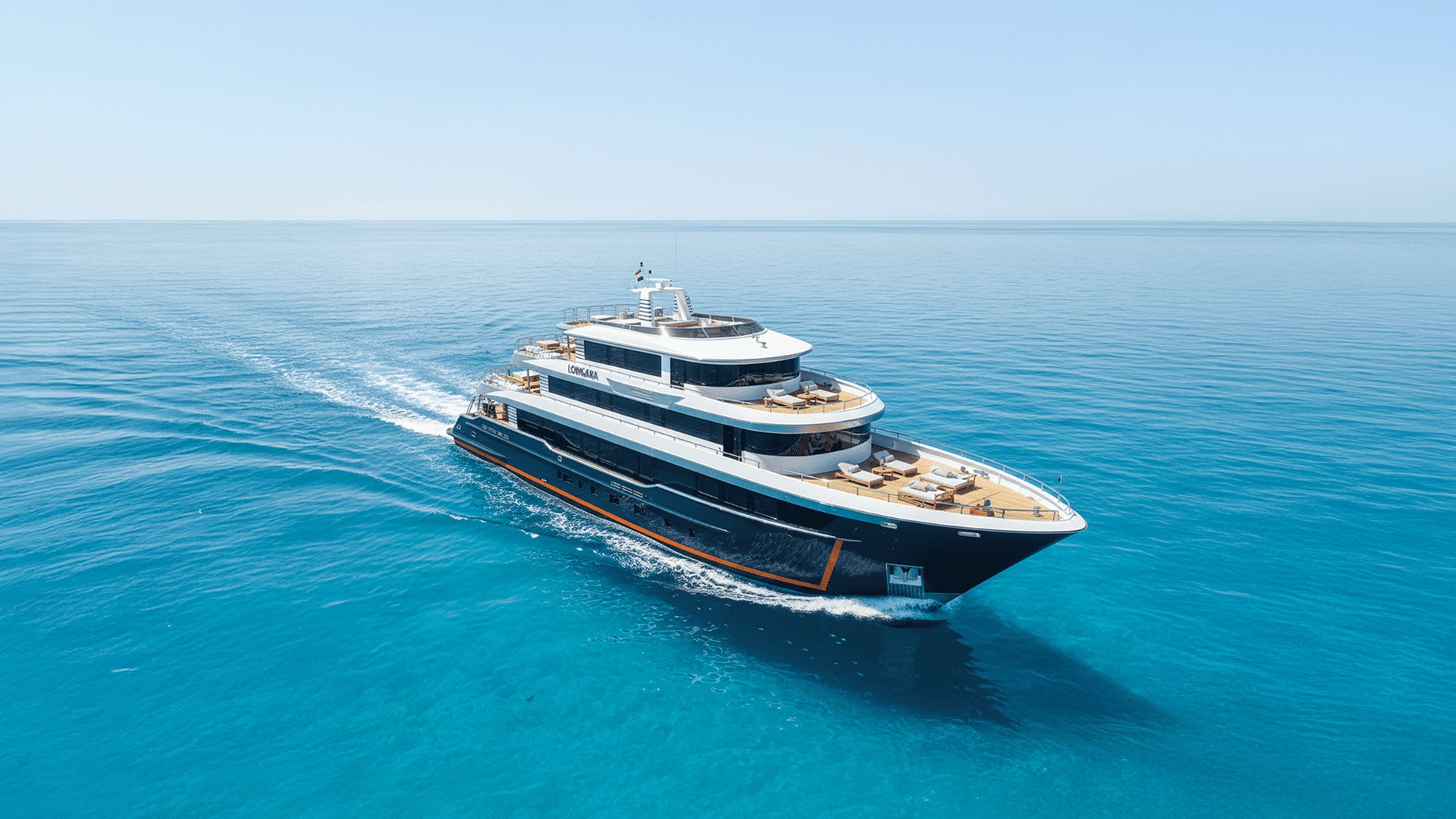
DUNE Longara
Egypt
30 guests
$150/day
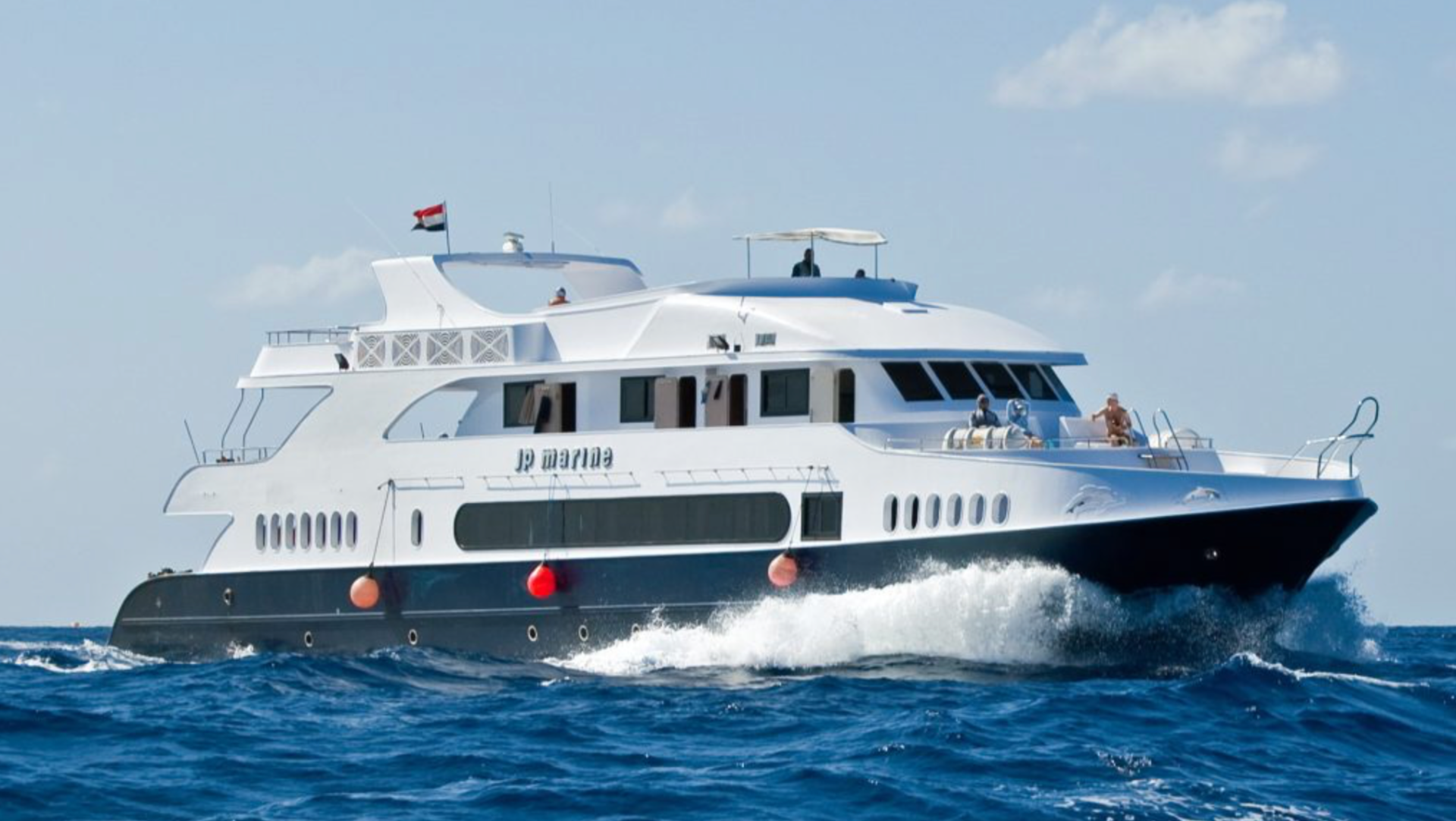
JP Marine
Egypt
28 guests
$109/day
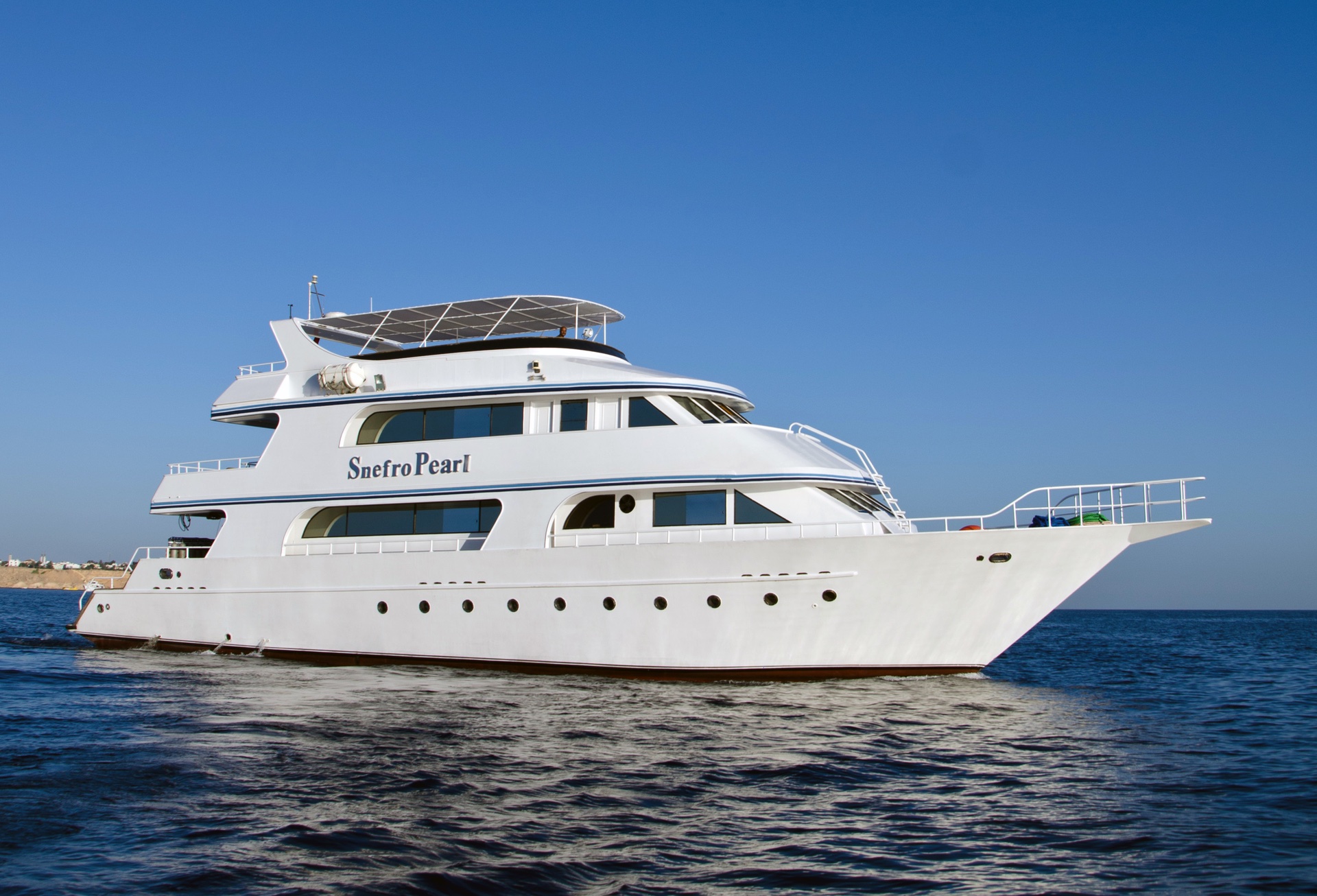
Snefro Pearl
Egypt
12 guests
$150/day
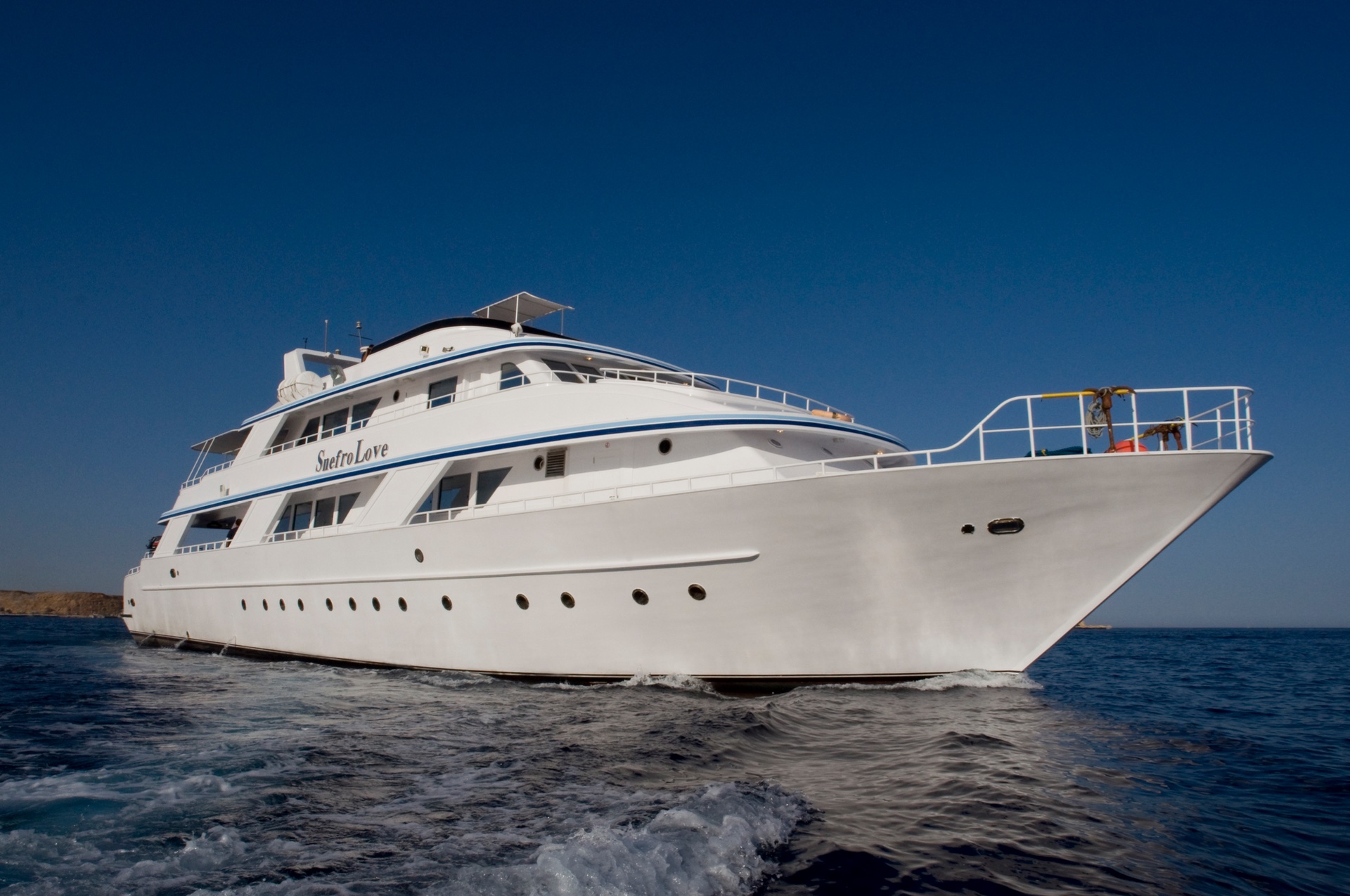
Snefro Love
Egypt
20 guests
$154/day
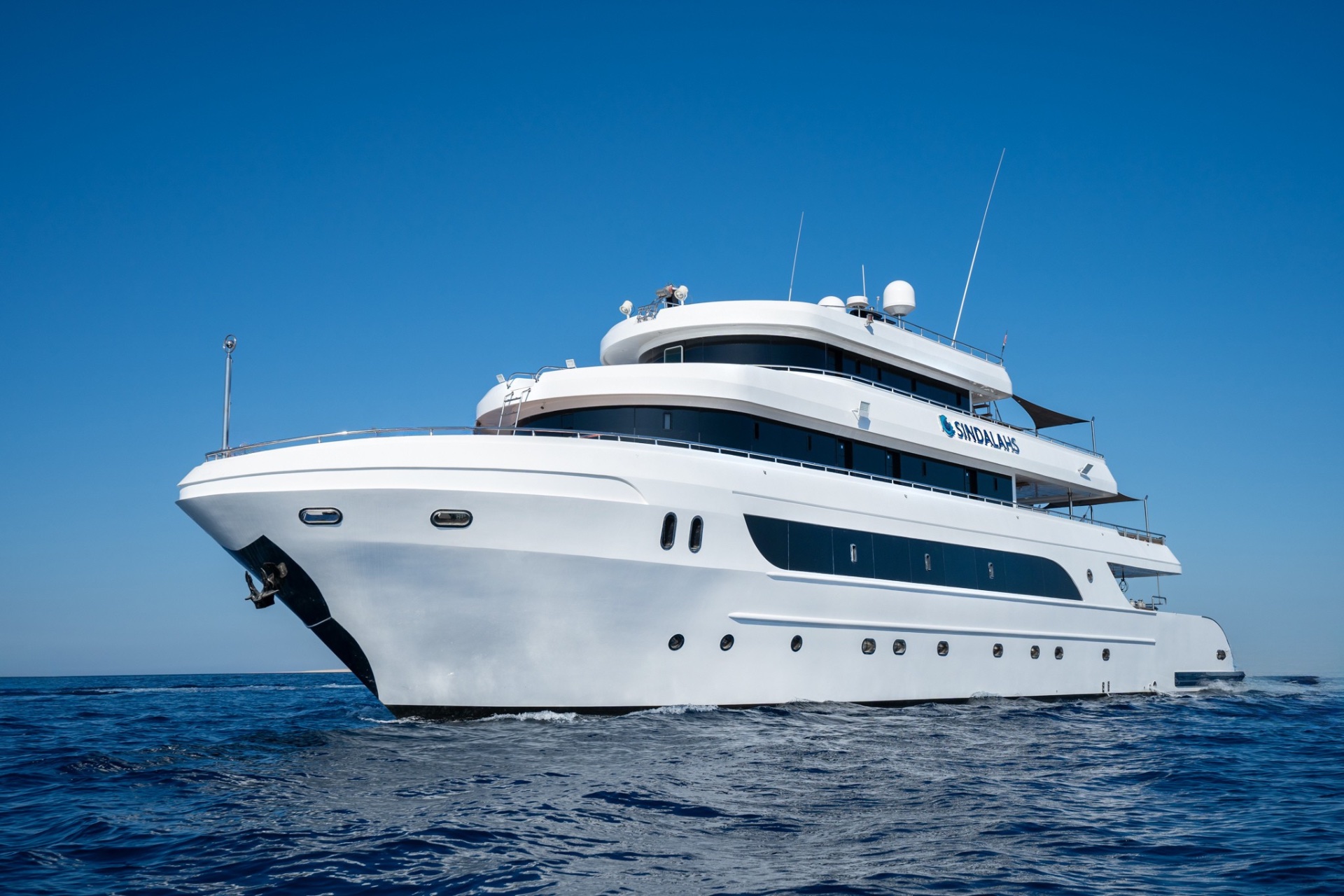
Sindalahs
Egypt
26 guests38 m
$155/day
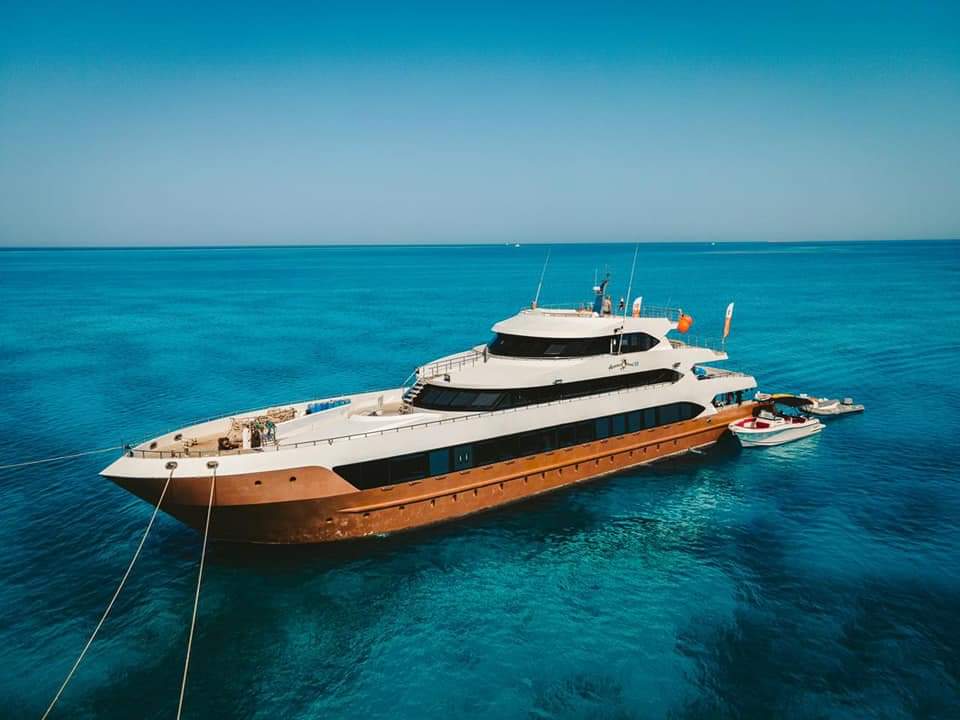
Hammerhead II
Egypt
20 guests
$173/day
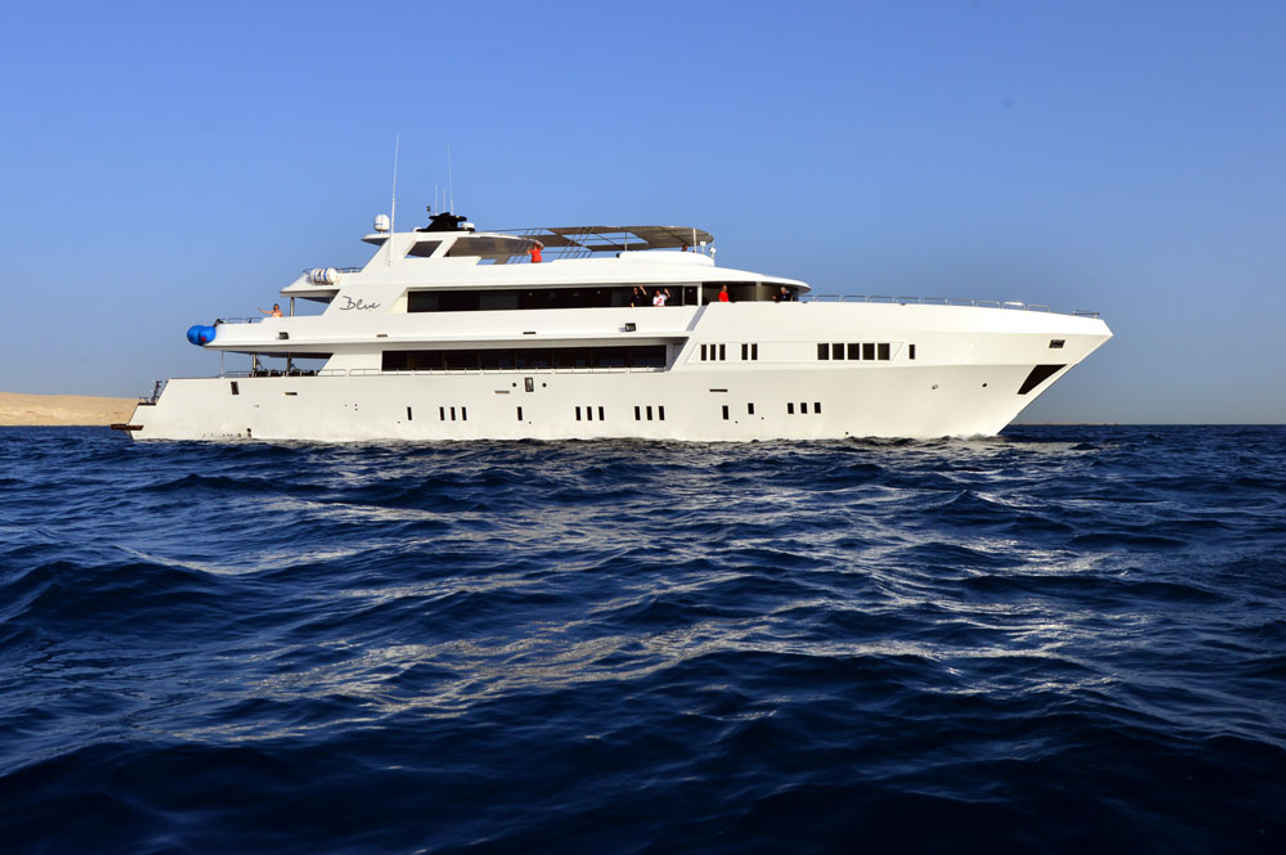
Blue Liveaboard
Egypt
24 guests43 m
$173/day
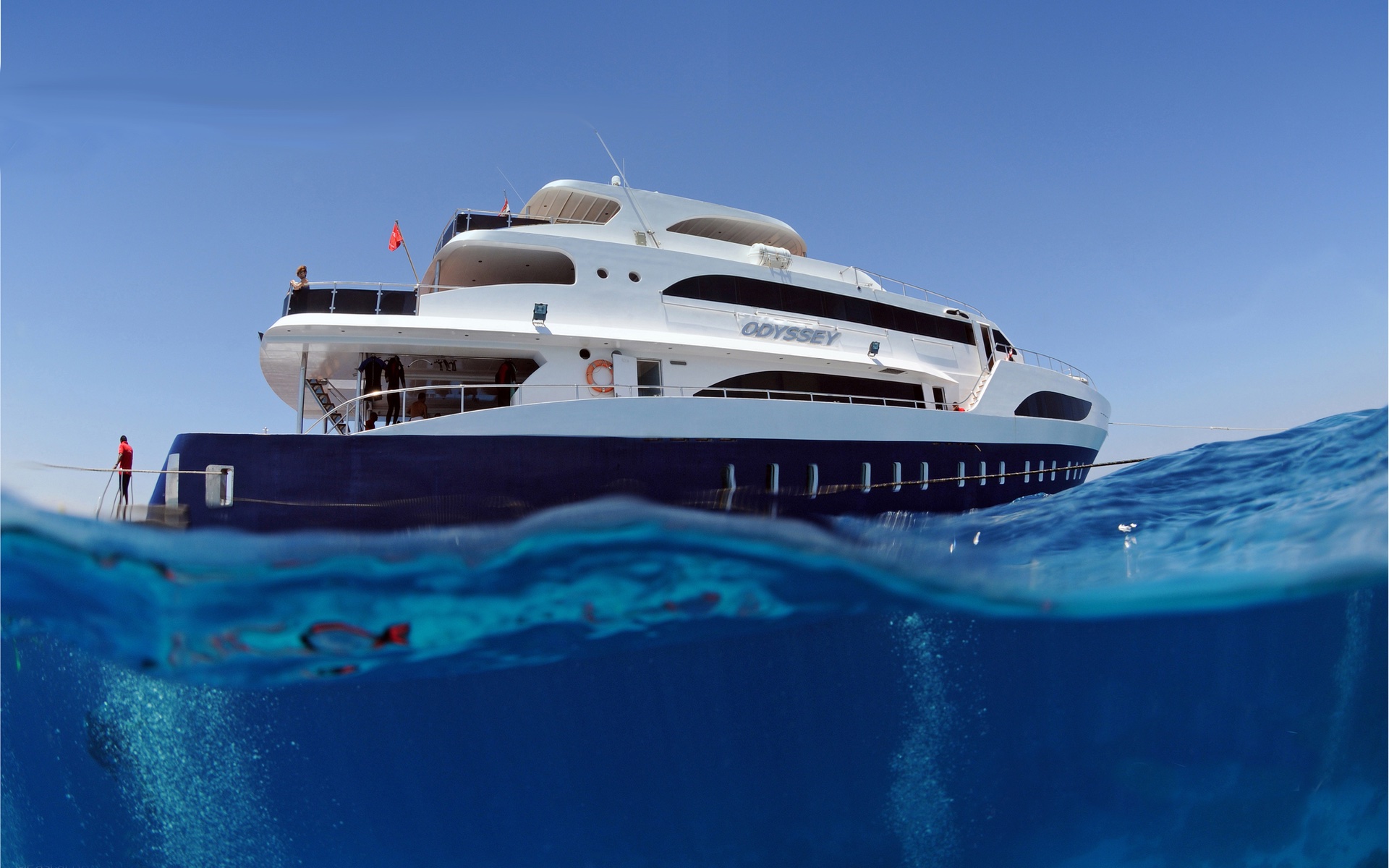
Odyssey
Egypt
26 guests40 m
$186/day
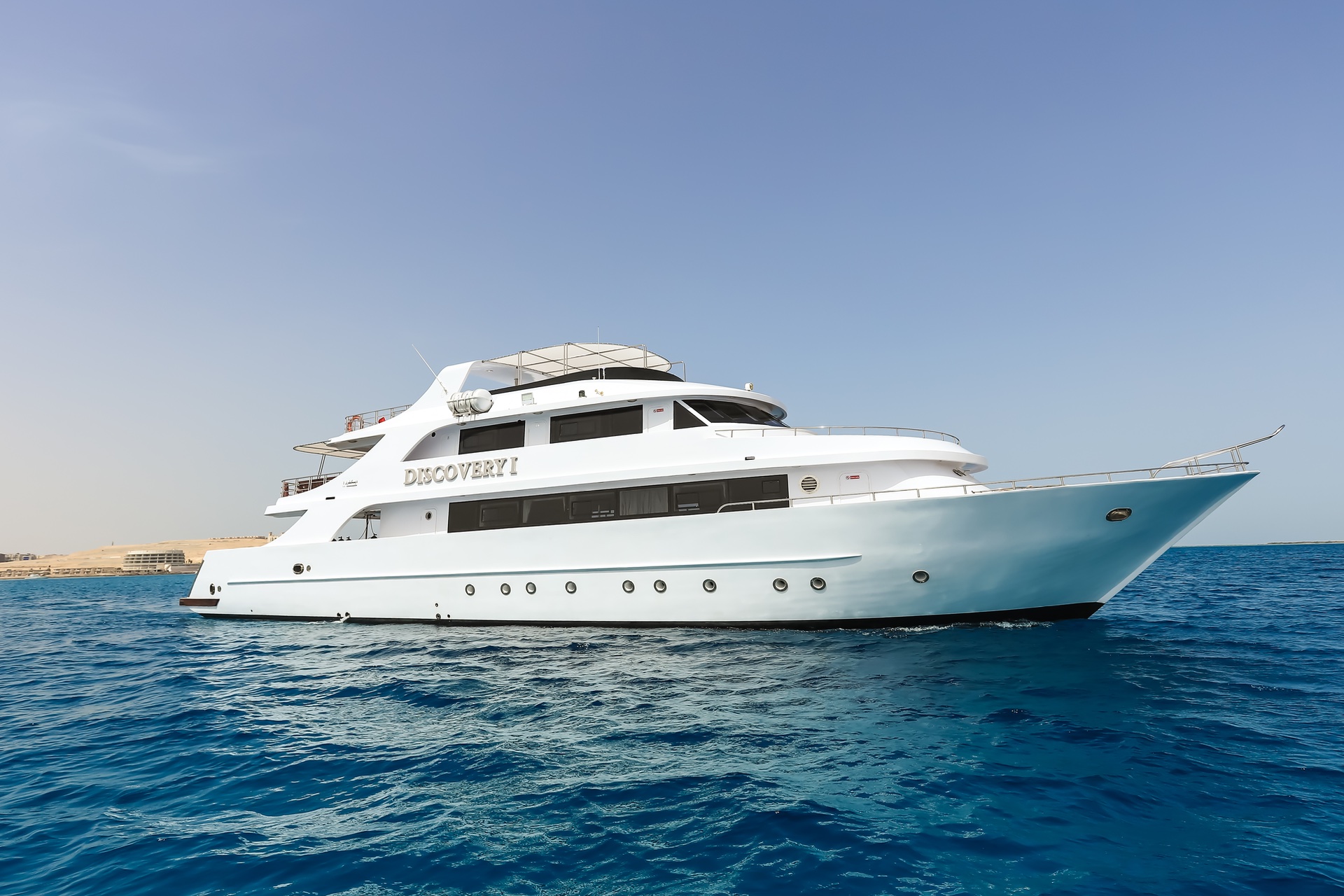
Discovery I
Egypt
20 guests
$104/day
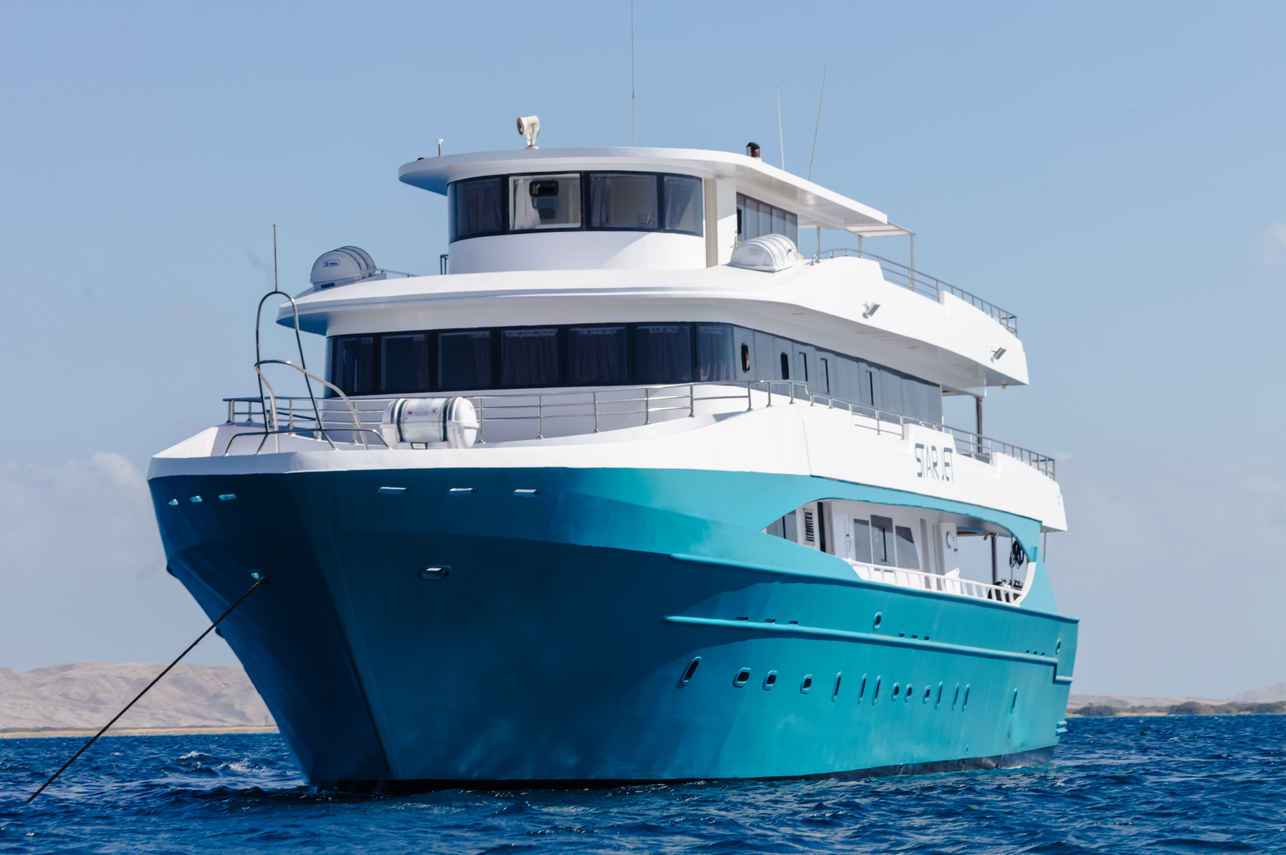
Star Jet
Egypt
28 guests35 m
$145/day
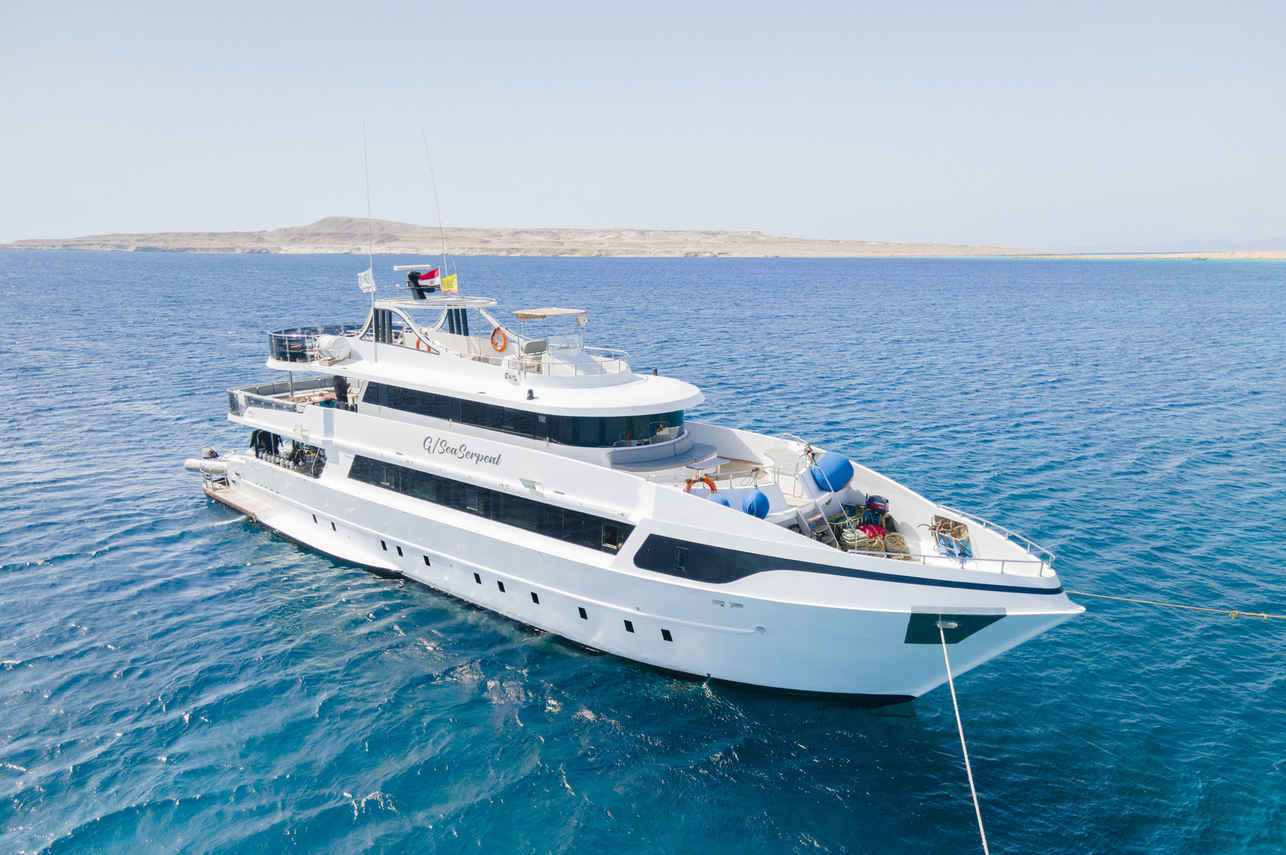
SS Serena Dreams
Egypt
18 guests33 m
$160/day
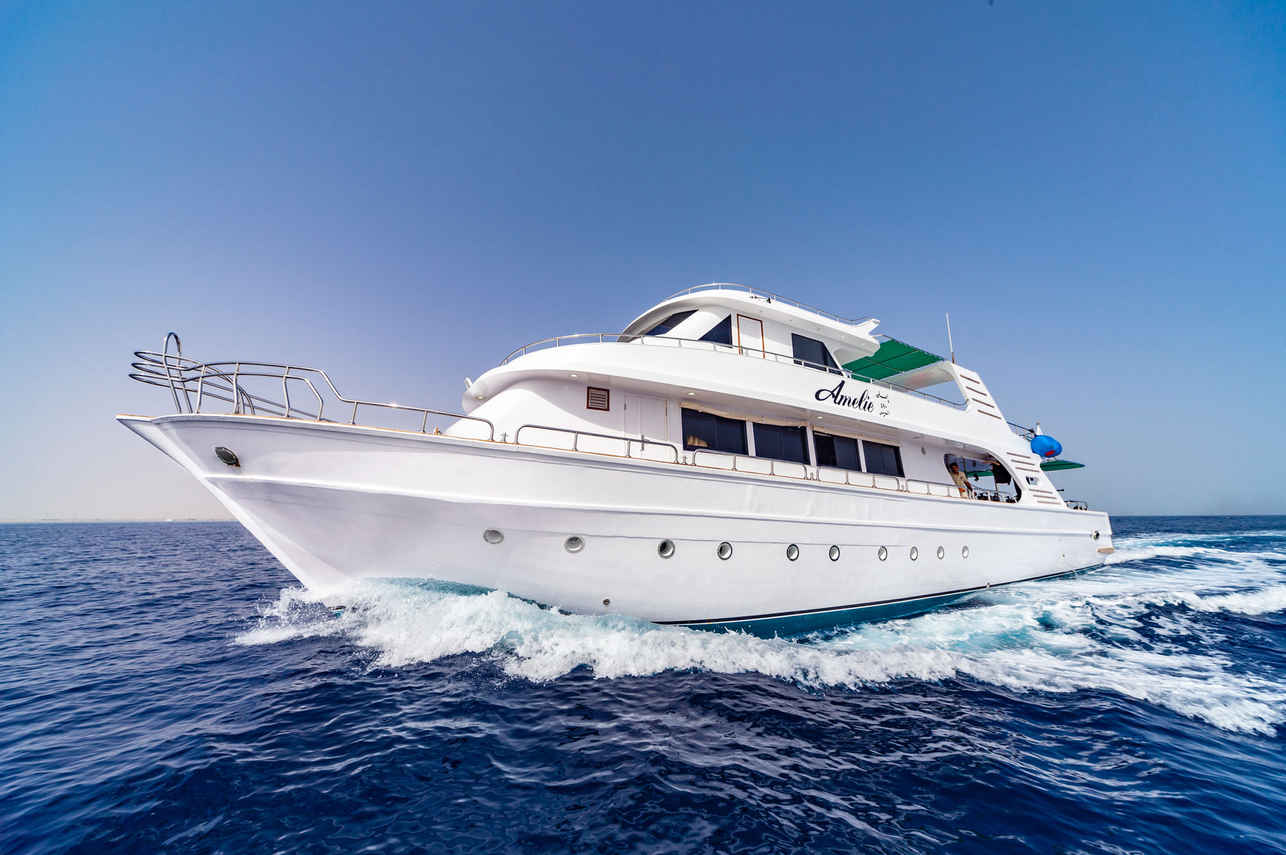
Amelie
Egypt
12 guests23 m
$115/day
Dive sites similar to Abu Galawa Kebir
Same character, same waters — six more sites divers love for the exact same reasons.Compare seasons, access and liveaboard routes — then pick the site that fits your trip best.
The Lara is the remnant of a 137-meter cargo vessel that became stranded on the northern edge of Jackson Reef in 1982. Initially, the ship rested intact on the reef, but it was…
- Suitable for
- Advanced
- Current
- Strong
- Access
- Liveaboard only
- Depth
- 45–55 m
- Theme
- Wreck
© Esri — Maxar, Earthstar, GIS
Big Brother
Egypt
Big Brother Island, a prominent pinnacle in the southern Red Sea, rises from significant depths approximately 60 miles off the Egyptian coast near El-Quseir.
- Suitable for
- Advanced
- Current
- Strong
- Access
- Liveaboard only
- Depth
- 8–85 m
- Theme
- Drift / Wreck
© Esri — Maxar, Earthstar, GIS
Mohamed Hasabella
Egypt
The Mohamed Hasabella is the wreck of a fishing boat located in the waters off Hurghada, Egypt.
- Suitable for
- Advanced
- Current
- Moderate
- Access
- Dayboat
- Depth
- 25–33 m
- Theme
- Wreck
© Esri — Maxar, Earthstar, GIS
The Khanka, often called the “Russian Wreck,” is believed to be a Russian spy ship, specifically a MOMA (Project 861M) Class vessel with an “SSV” (Sudno Svyazyy, or communications vessel) designation on its hull.
- Suitable for
- Intermediate
- Current
- Moderate
- Access
- Liveaboard only
- Depth
- ≤ 24 m
- Theme
- Wreck
© Esri — Maxar, Earthstar, GIS
SS Thistlegorm
Egypt
The SS Thistlegorm is one of the world's most renowned shipwrecks, a British cargo vessel sunk during World War II. It lies in the Strait of Gubal, a narrow passage connecting the…
- Suitable for
- Advanced
- Current
- Strong
- Access
- Liveaboard or dayboat
- Depth
- 18–30 m
- Theme
- Wreck
The Giannis D, a Greek cargo ship, sank in April 1983 after running aground on the northwestern corner of Sha'ab Abu Nuhas, a prominent reef known as the "ship graveyard" in the Strait of Gubal.
- Suitable for
- Advanced
- Current
- Moderate
- Access
- Liveaboard or dayboat
- Depth
- 6–27 m
- Theme
- Wreck / Reef