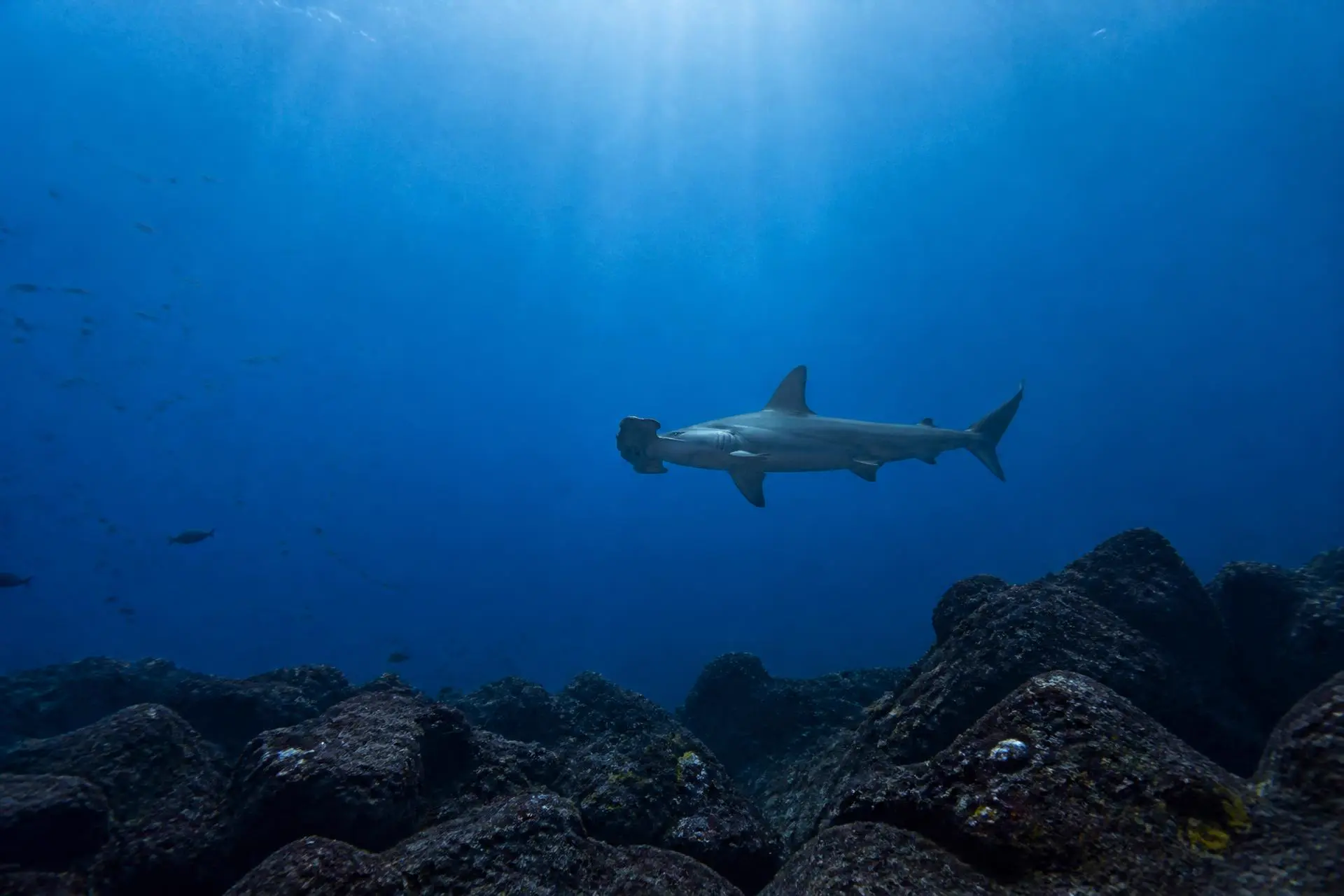
Dive Sites in the Eastern Pacific
Hammerhead schools, playful sea lions and volcanic upwellings full of life. This is wild diving at its best, and we'll help you find your moment.
Diving in the Eastern Pacific
Countries
Diving countries in the Eastern Pacific region
The Eastern Pacific spans several diving countries, each with its own liveaboard routes and signature sites. Click a country to see every dive site we cover there and the boats that visit them.
Dive by type
Dive sites by type
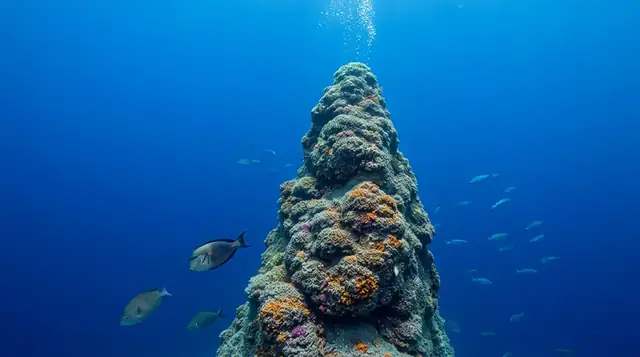
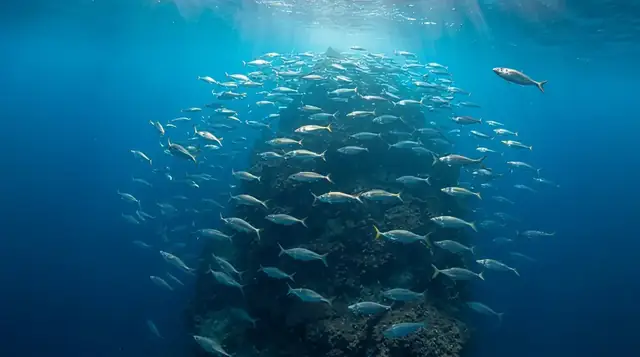
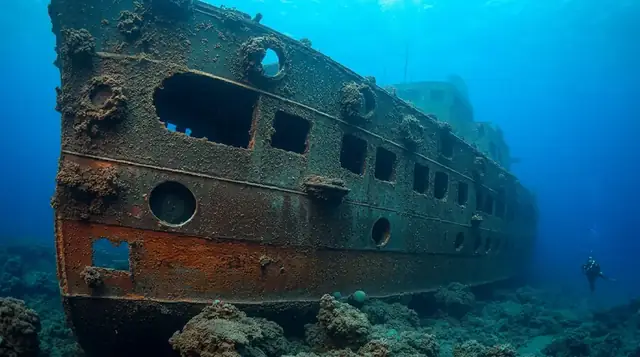
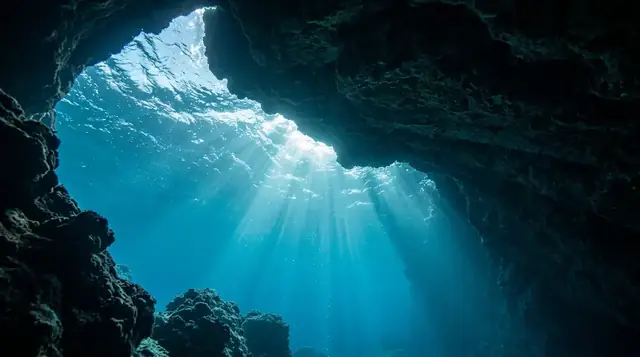
Wrecks, walls, drift dives, caves and pinnacles in the Eastern Pacific, filter by the kind of diving you prefer. Each type links to a dedicated theme page with the best sites worldwide.
Marine life
Marine life highlights
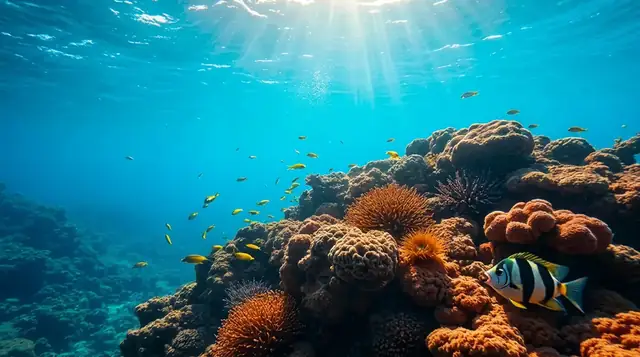
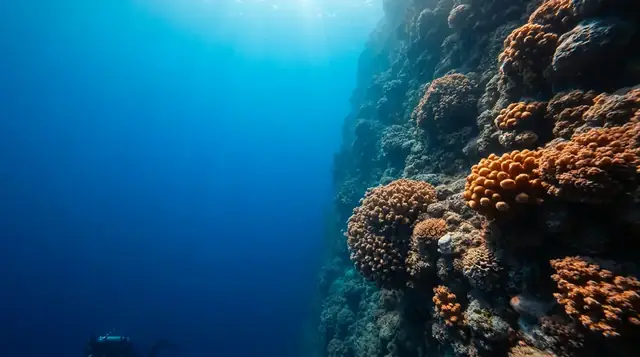
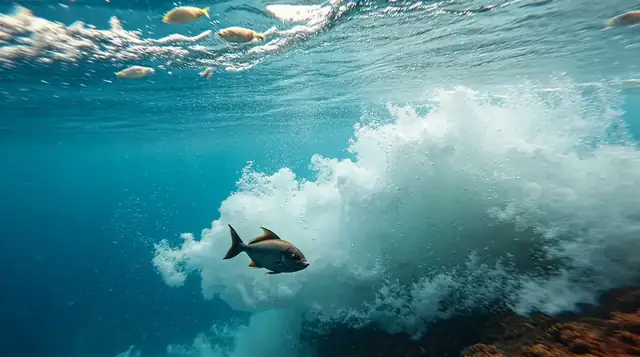
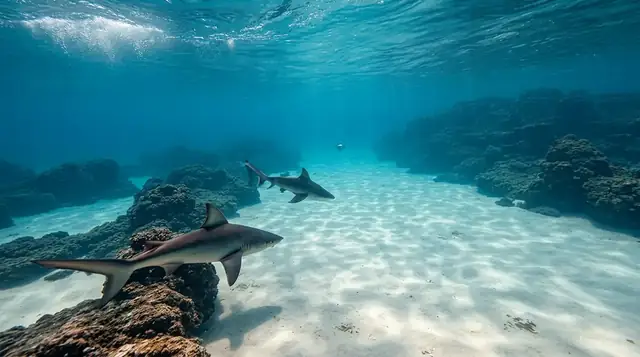
The animals that make diving in the Eastern Pacific worth it: sharks, rays, turtles, pelagics and macro highlights logged on these sites. Choose a species to find the dive sites and liveaboards where you are most likely to see it.
Explore the sites
Dive sites in the Eastern Pacific
Explore 155 dive sites in the Eastern Pacific, from legendary wall dives and drift dives to coral gardens, wrecks and shark cleaning stations. Every site shows depth, current, access, marine life and the liveaboard itineraries that visit it, so you can compare and book the trip that matches your experience level.
155 dive sites
Guadalupe Island
Mexico
Guadalupe Island, a remote volcanic outpost situated approximately 240 kilometers off the Pacific coast of Baja California, was renowned as the world's premier destination for great white shark encounters.
- Suitable for
- Beginner
- Current
- Strong
- Access
- Liveaboard or dayboat
- Depth
- ≤ 15 m
- Theme
- —
Silverado is a renowned dive site located within the extraordinary marine ecosystem of Cocos Island, approximately 500 kilometers southwest of mainland Costa Rica.
- Suitable for
- Advanced
- Current
- Strong
- Access
- Liveaboard only
- Depth
- 15–40 m
- Theme
- Seamount
Roca O'Neal
Mexico
Roca O'Neal, also referred to as Hammerhead Central, is a prominent dive site located off Socorro Island in Mexico's Revillagigedo Archipelago.
- Suitable for
- Advanced
- Current
- Strong
- Access
- Liveaboard only
- Depth
- 15–40 m
- Theme
- Pinnacle
Bajo del Diablo
Costa Rica
Bajo del Diablo, also known as Devil’s Pinnacle, is widely regarded as one of the premier dive sites within Costa Rica's Caño Island Biological Reserve.
- Suitable for
- Advanced
- Current
- Strong
- Access
- Liveaboard only
- Depth
- 10–20 m
- Theme
- Pinnacle
Conditions & practicalities
Diving in the Eastern Pacific: seasons, conditions and logistics
155 dive sites in the Eastern Pacific, here is what the season data says about the best months, water temperature, visibility and currents, plus how divers usually get there and which fees to budget for.
- Best months
- Jun–Dec
- Water temperature
- 18–29 °C
- Visibility
- 15–35 m
- Currents
- Moderate, Expect noticeable water movement on channels, pinnacles and outer reefs. Drift technique, an SMB and a guided descent turn these into easy, relaxed dives.
- Getting there
- Most divers fly into the nearest international airport and continue by transfer or domestic flight to the departure port; liveaboards usually leave the evening before day one.
- Permits & fees
- Marine park fees, port taxes and nitrox are rarely included in the trip price, budget a few hundred dollars extra and check the visa rules before booking.
FAQ
Diving in the Eastern Pacific: your questions
When is the best time to dive in the Eastern Pacific?
How good is the visibility in the Eastern Pacific?
How strong are the currents and which level do I need in the Eastern Pacific?
Do I need a liveaboard to dive in the Eastern Pacific?
How many dive sites are there in the Eastern Pacific and where are they?

Ready to dive these sites?
Choose a destination or search every available vessel to find the liveaboard that dives the sites you want to see.