About Dos Amigos
Big Dos Amigos is one of the premier dive sites located on the southern side of Cocos Island, approximately 342 miles off Costa Rica's Pacific coast. This site is renowned for its dramatic underwater topography, notably a large rock formation featuring an arch that extends down to 34 meters (110 feet) and a 60-foot pinnacle situated off its southeast side. These structures attract a remarkable concentration of pelagic species, making Cocos Island a world-class destination for advanced divers. The dive at Big Dos Amigos typically explores depths ranging from 18 to 40 meters (60 to 131 feet), circling the prominent arch and pinnacle. The arch itself provides refuge and hunting grounds for various marine life, while the surrounding open water is a highway for larger pelagics. Divers can expect to encounter diverse ecosystems, from rocky ledges to sandy bottoms, each hosting different species. Marine life sightings at Big Dos Amigos are consistently impressive, with frequent encounters of whitetip and hammerhead sharks, rays, snappers, groupers, and lobsters. During the rainy season, from May to November, there is an increased likelihood of observing schooling hammerhead sharks. The site also commonly features rainbow runners, yellowtail snapper, and bigeye jacks, often moving in large schools. Given its depth profile and sometimes strong currents, Big Dos Amigos is best suited for experienced divers. Currents can reach up to 2 knots, requiring careful entry and positioning, often involving holding onto rocks. Dives are typically conducted from tenders, and while night diving is not offered at Cocos Island, multiple daytime dives are standard for liveaboard itineraries.
Highlights
Underwater arch to 34 meters60-foot pinnacleSchooling hammerhead sharksWhitetip shark encountersLarge pelagic speciesSnappers and groupersRainbow runnersBigeye jacks
Season calendar
Best months to dive here
Jan
Feb
Mar
Apr
May
Jun
Jul
Aug
Sep
Oct
Nov
Dec
Excellent
Good
Dive site facts: Dos Amigos
- Depth
- 10–30 m
- Typical dive
- 25 m, 50–60 min
- Current
- Strong
- Visibility
- 15–30 m
- Water temperature
- 22–24°C
- Entry
- Tender / Negative entry
- Level
- Advanced, current experience
- Dive type
- Pelagic, drift, cleaning station
- Night dive
- Not permitted
- Region / port
- Cocos Island, Costa Rica
- Coordinates
- 5.525, -87.105
Conditions & Currents
Currents at Big Dos Amigos can be significant, sometimes reaching speeds of up to 2 knots. These currents typically necessitate advanced diving skills, including the ability to hold steady on rocks to observe marine life without being swept away. Divers should be prepared for varying current directions and strengths, which can change rapidly. All dives are conducted from tenders, allowing for precise entry and exit strategies tailored to prevailing conditions.
Marine life & sighting chances


Whitetip reef shark
common
Eagle ray
occasional
Schooling jack
common
Snapper
commonYellowtail snapper
common
Rainbow runner
common
Lobster
occasionalBlue-striped snapper
common
Pacific Creolefish
common
Whale shark
wet season · occasional
Manta ray
wet season · occasional
Galapagos shark
occasional
Silky shark
occasionalDive profile & how the dive runs
A typical dive at Dos Amigos begins with a swift descent, often a negative entry, to quickly reach the protected deeper sections of the cleaning stations. Divers commonly experience a mild drift, guided by the current, moving between Dos Amigos Grande and Dos Amigos Pequena. At Dos Amigos Grande, a large swim-through allows groups to enter, leading to a cleaning station at 30 meters where motionless hammerheads can be observed. The ascent involves exploring the archway formation and shallower walls, which are rich with yellowtail snappers and rainbow runners. For Dos Amigos Pequena, the dive starts over a volcanic slope, navigating surge to reach cleaning stations. The site is shaped like an inverted cone, populated by jacks, blue-striped snappers, and Pacific Creolefish. Safety stops are advised away from the rocks to avoid strong surge.
Underwater photography
Dos Amigos offers fantastic opportunities for wide-angle photography, especially when capturing the schooling hammerheads and the dramatic archway of Dos Amigos Grande. A fisheye or wide-angle lens is essential for conveying the scale of the pelagic action and the impressive topography. Given the frequent strong currents, maintaining good buoyancy is crucial for stable shots. External strobes are highly recommended to bring out color and detail, particularly in deeper sections or when shooting into the sun. Be mindful of ethical distance when photographing cleaning stations to avoid disturbing marine life, especially the hammerheads. An underwater flashlight or torch will be useful for highlighting lobsters and other inhabitants within the crevices of the reef walls.
Combine with nearby dive sites
- Bajo Alcyone
Bajo Alcyone, a submerged seamount near Cocos Island, stands as a world-renowned dive site.
- Dirty Rock
Dirty Rock, an iconic dive site at Cocos Island, is primarily known as an exceptional location to encounter schooling hammerheads.
- Manuelita
Manuelita is a renowned dive site located off Cocos Island, a UNESCO World Heritage site situated approximately 500 km off Costa Rica's…
- Silverado
Silverado is a renowned dive site located within the extraordinary marine ecosystem of Cocos Island, approximately 500 kilometers southwest…
- Viking Rock
Viking Rock, situated off Cocos Island, provides a serene and captivating dive experience, often serving as a peaceful counterpoint to the…
- Shark Fin Rock
Shark Fin Rock is a prominent dive site within the UNESCO World Heritage Site of Cocos Island, located approximately 312 to 342 miles…
Getting there & logistics
Access to Dos Amigos is exclusively via liveaboard from Puntarenas, Costa Rica, after flying into San José (SJO). The boat journey to Cocos Island takes approximately 36 hours. Typical liveaboard trips span 7 to 10 nights, offering around 7 full days of diving. A Cocos Island National Park fee of approximately $490 per person, plus a $30 chamber fee, is required. It's crucial to arrive in San José at least one day before liveaboard departure. These trips are often combined with other Cocos Island sites like Bajo Alcyone and Dirty Rock.
Safety & environment
Diving at Dos Amigos and Cocos Island generally requires a high level of dive experience due to strong currents, deep dives, and remote location. The nearest hyperbaric chamber is 36 hours away in San José, making dive insurance and comprehensive travel insurance mandatory for all divers. Evacuation can be complex and time-consuming. Site-specific hazards include unpredictable currents, potential surge near rock formations, and deep profiles, necessitating excellent air management and buoyancy control. Always follow your dive guide's instructions closely, maintain appropriate distance from marine life, and never enter overhead environments without specialized training and equipment.
Who it suits — and who it doesn't
Suited for
- Experienced pelagic divers
- Advanced Open Water certified divers
- Divers comfortable with strong currents
- Underwater photographers
- Shark enthusiasts
Less suited for
- Beginner divers
- Divers prone to seasickness
- Those without current diving experience
- Divers uncomfortable with deep profiles
- Individuals seeking calm, shallow dives
FAQ
Dos Amigos FAQ
What kind of marine life can I expect to see at Dos Amigos?
Dos Amigos is famous for its abundant pelagic life, most notably large schools of scalloped hammerhead sharks, which frequent cleaning stations. You can also expect to encounter whitetip reef sharks, eagle rays, and huge schools of jacks and snappers. Occasional sightings of whale sharks, manta rays, and other large marine species are possible, especially during the wet season.
What are the diving conditions like at Dos Amigos?
Diving at Dos Amigos typically involves strong currents and occasional surge, particularly near the rock formations and closer to the surface. The average depth is around 25 meters, with maximum depths reaching 30 meters. Water temperatures usually range from 22-24°C, with thermoclines possible at depth. Visibility generally sits between 20-25 meters but can vary with plankton blooms.
Is Dos Amigos suitable for all levels of divers?
No, Dos Amigos is considered an advanced dive site due to its strong currents, deep profiles, and often challenging conditions. Divers should have an Advanced Open Water certification and be comfortable and experienced with drift diving and managing currents. It is not recommended for beginner divers or those without prior experience in similar environments.
How do I get to Dos Amigos and Cocos Island?
Cocos Island, including Dos Amigos, is exclusively accessible via liveaboard boats that depart from Puntarenas, Costa Rica. The journey to the island is a long one, typically taking around 36 hours each way. Divers usually fly into San José (SJO) and then transfer to Puntarenas to board their liveaboard vessel.
Are there any specific safety considerations for diving at Dos Amigos?
Due to its remote location and challenging conditions, safety is paramount at Dos Amigos. Comprehensive dive and travel insurance are mandatory. Divers must be proficient in buoyancy control, air management, and comfortable with deep dives and strong currents. Always adhere strictly to your dive guide's instructions and ensure all equipment is in excellent working order.
What is the best time of year to dive Dos Amigos for pelagic encounters?
The wet season, spanning from June to November, is widely considered the best time for encountering large pelagic species such as hammerhead sharks, manta rays, and whale sharks at Dos Amigos. While rainfall is higher and visibility might be slightly reduced, the nutrient-rich waters attract an incredible abundance of marine life.
Why dive Dos Amigos from a liveaboard?
Dos Amigos is one of Costa Rica's signature dive sites. A liveaboard sleeps you on the water and puts you in the water for three to four guided dives per day, including dawn and night dives that day-boat operators rarely offer. You skip the daily commute back to port and reach quieter, less-crowded sites in the same region on a single trip.
Below are the liveaboards that include Dos Amigos on their Costa Rica itineraries.
Liveaboards diving Dos Amigos
These liveaboards may visit Dos Amigos on selected itineraries — the exact dive sites depend on departure, weather and conditions.
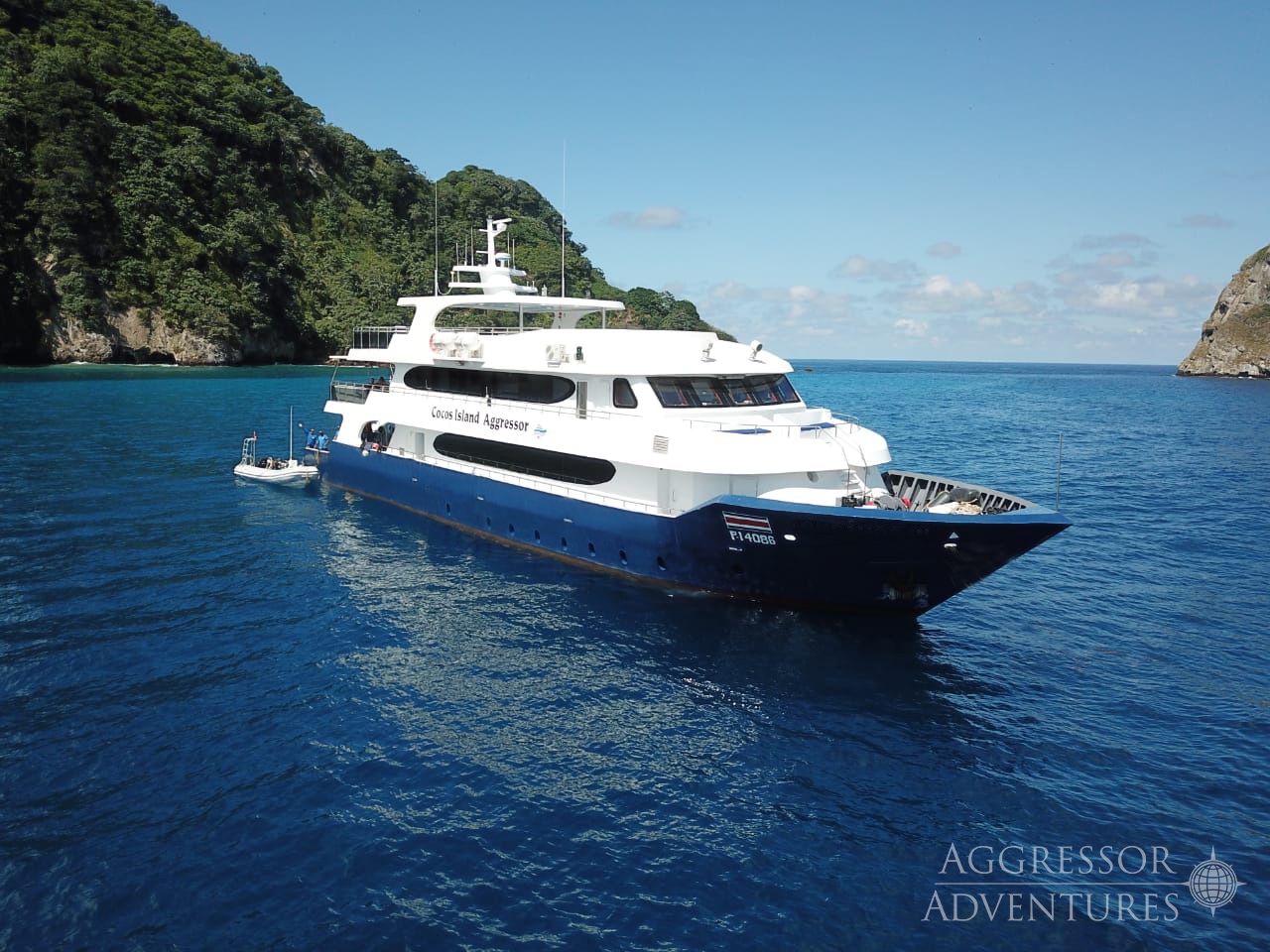
Cocos Aggressor
Costa Rica
22 guests37.8 m
$636/day
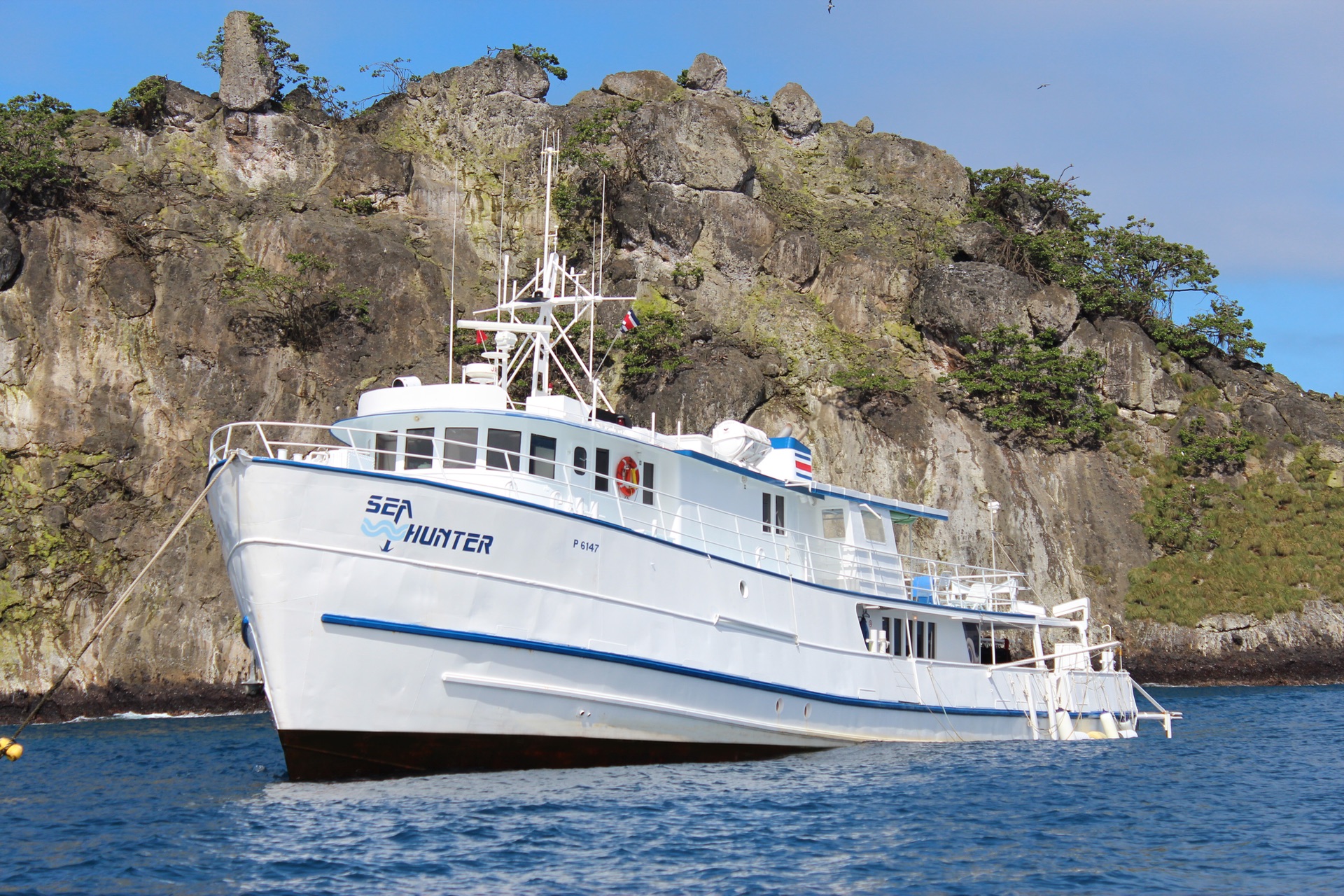
Sea Hunter
Costa Rica
20 guests
$690/day
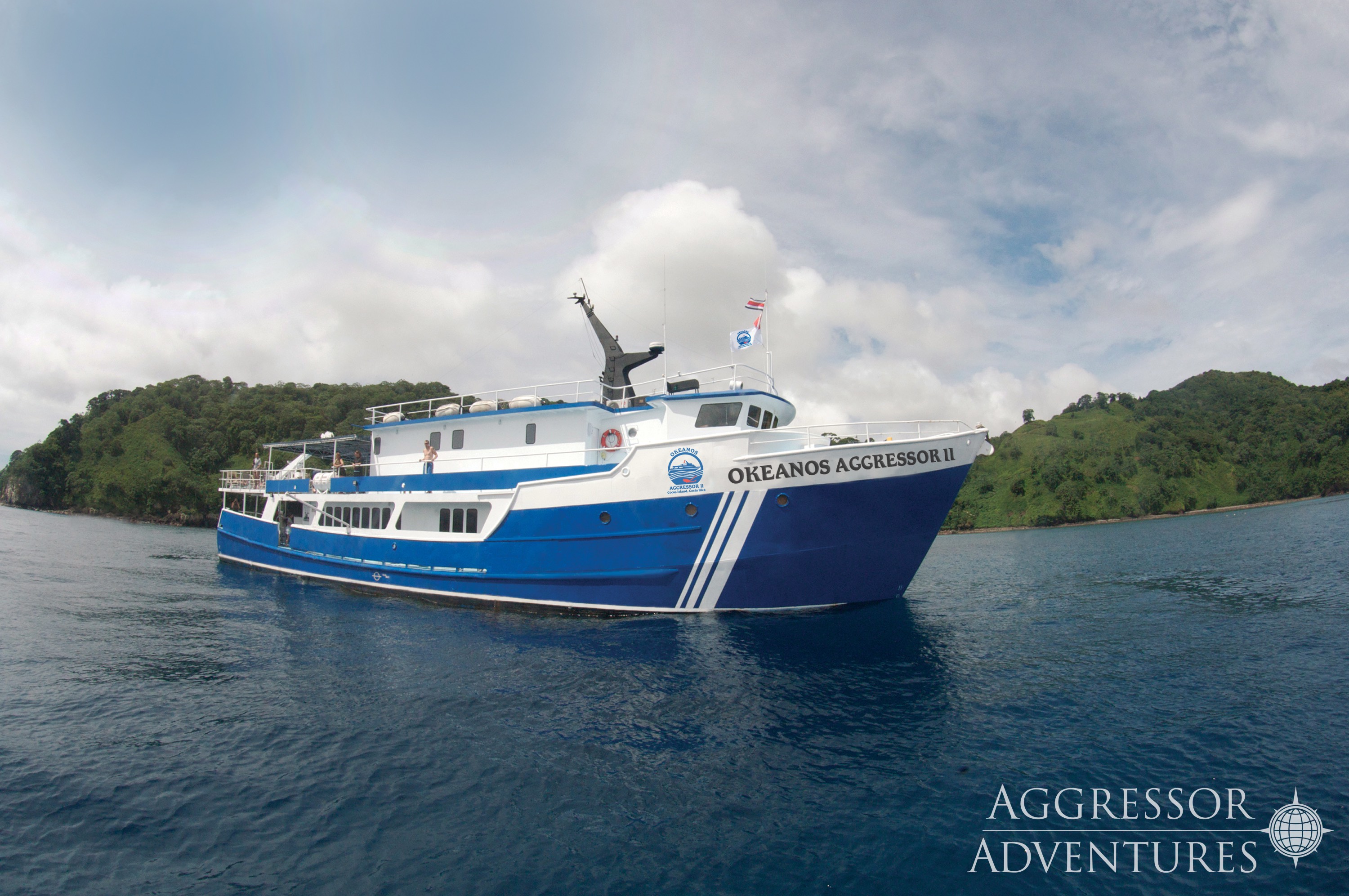
Okeanos Aggressor II
Costa Rica
24 guests36.6 m
$504/day
Dive sites similar to Dos Amigos
Same character, same waters — six more sites divers love for the exact same reasons.Compare seasons, access and liveaboard routes — then pick the site that fits your trip best.
© Esri — Maxar, Earthstar, GIS
Bajo Negro
Costa Rica
Bajo Negro, or Black Rock, is a captivating dive site located within the Bat Islands in Santa Rosa National Park, off Costa Rica's Pacific coast.
- Suitable for
- Advanced
- Current
- Strong
- Access
- Shore / dayboat
- Depth
- 20–30 m
- Theme
- Pinnacle / Seamount
© Esri — Maxar, Earthstar, GIS
Dos Sombreros
Costa Rica
Dos Sombreros is a renowned dive site located offshore from Playa Flamingo, forming part of the Catalina Islands chain in Costa Rica's North Pacific region.
- Suitable for
- Intermediate
- Current
- Moderate
- Access
- Dayboat
- Depth
- 12–25 m
- Theme
- Pinnacle
© Esri — Maxar, Earthstar, GIS
Submerged Rock
Costa Rica
Submerged Rock is a distinctive dive site located off Cocos Island, approximately 500 km (340 miles) west of mainland Costa Rica.
- Suitable for
- Advanced
- Current
- Strong
- Access
- Liveaboard only
- Depth
- 15–20 m
- Theme
- Pinnacle
© Esri — Maxar, Earthstar, GIS
Devil's Rock
Costa Rica
Devil's Rock is a prominent dive site located in Costa Rica's Caño Island Biological Reserve, positioned to the northwest as an extension of the larger Bajo del Diablo platform.
- Suitable for
- Advanced
- Current
- Strong
- Access
- Liveaboard or dayboat
- Depth
- 18–35 m
- Theme
- Reef / Pinnacle
© Esri — Maxar, Earthstar, GIS
Black Rock
Costa Rica
Black Rock, also known as Bajo Negro, is a remote and challenging pinnacle dive site situated within the Bat Islands, part of Costa Rica's Santa Rosa National Park.
- Suitable for
- Advanced
- Current
- Strong
- Access
- Dayboat
- Depth
- 20–30 m
- Theme
- Reef / Pinnacle