About Bahía de los Ángeles
Bahía de los Ángeles, nestled in the northern Sea of Cortez, is a remarkable dive destination primarily known for its seasonal aggregations of whale sharks. This area is celebrated by divers for its unique blend of protected bay diving and rich pelagic encounters, making it a focal point for marine enthusiasts seeking large animal interactions. The bay itself is a sheltered haven, providing calmer conditions compared to some more exposed sites in the Gulf of California. The dive topography often features rocky reefs and diverse underwater landscapes that support a wide array of marine species. Depths can vary, allowing for both shallow, exploratory dives within the bay and deeper excursions to nearby pinnacles or seamounts that attract larger pelagic species. While specific depths for Bahía de los Ángeles are not extensively detailed, its location within the wider Sea of Cortez ecosystem suggests typical recreational diving depths. The primary draw to Bahía de los Ángeles is the presence of juvenile whale sharks, which gather here between October and December, drawn by seasonal plankton blooms. This period also coincides with continued sightings of mobula rays and other pelagic fish schools. Beyond the megafauna, the area is home to year-round residents like various reef fish, octopuses, and nudibranchs, contributing to a vibrant ecosystem. Diving here is often combined with liveaboard itineraries exploring the Midriff Islands or as a remote northern extension of resort-based trips. The experience is characterized by its focus on wildlife observation, particularly snorkeling with whale sharks, in a relatively remote and pristine marine environment. Access to this region typically involves a journey to more northern departure points, emphasizing its wild and unspoiled nature.
Highlights
Seasonal whale shark aggregationsRemote northern Sea of CortezPlankton-rich watersProtected bay environmentDiverse pelagic encounters
Season calendar
Best months to dive here
Jan
Feb
Mar
Apr
May
Jun
Jul
Aug
Sep
Oct
Nov
Dec
Excellent
Good
Nov – Apr (Peak)
Socorro season open (Nov–May) for giant mantas and hammerheads. Cozumel bull sharks Dec–Mar. Cenotes excellent year-round. Best overall conditions.
May – Oct (Transition & Sea of Cortez)
Socorro closing, Cozumel still good. Whale sharks arrive at Isla Mujeres Jun–Sep. From August, the Sea of Cortez comes alive: Midriff Islands offer massive sea lion colonies and schooling mobulas. September and October bring world-class diving around La Paz and Cabo Pulmo with whale sharks, hammerheads, and bull sharks on the Explore Baja route.
Dive site facts: Bahía de los Ángeles
- Depth
- 3–15 m
- Current
- Moderate
- Water temperature
- 21–28°C
- Entry
- Tender
- Level
- All levels
- Dive type
- Big animals, reef, macro
- Night dive
- Possible
- Region / port
- Northern Sea of Cortez
- Coordinates
- 28.95, -113.56
Conditions & Currents
Information specifically on currents within Bahía de los Ángeles is not detailed in the provided sources. However, as part of the Midriff Islands region in the northern Sea of Cortez, dive conditions can be varied. The broader Midriffs are known to have currents, which are responsible for bringing nutrient-rich waters that support abundant marine life. Divers should anticipate the potential for moderate to strong currents at some sites, especially those more exposed to open water, though sheltered areas within the bay may offer calmer conditions. Visibility can fluctuate with these currents and plankton blooms, especially during whale shark season, which might temporarily reduce clarity for the chance of incredible encounters. Entry and exit procedures would typically be managed from a tender, suitable for varying surface conditions.
Marine life & sighting chances

Whale shark
October–December · common
Mobula ray
May–July, October–December · common
California sea lion
Year-round · common
Dolphin
July–November · occasional
Orca
July–September · occasional
Nudibranch
Year-round · common
Octopus
Year-round · common
Scorpionfish
Winter/Spring · occasional
Blue-spotted jawfish
occasional
Orange-throat pike blenny
occasional
Leopard grouper
occasionalDive profile & how the dive runs
Dives in Bahía de los Ángeles primarily revolve around seasonal whale shark encounters, often conducted as snorkeling or free-diving experiences in the open water north of the bay. For actual scuba diving, the profile would explore the rocky reefs and pinnacles within the protected bay or surrounding Midriff Islands. Entry is typically from a panga (small boat), with divers descending to explore the reef structure. Dive depths might range from shallow reef tops to deeper areas around submerged rocks, seeking out macro life and reef fish. Safety stops would be conducted in the blue water near the ascent line, overseen by the dive guide. The emphasis is on gentle drifts or stationary observation, depending on the site and marine life present.
Underwater photography
Bahía de los Ángeles offers prime wide-angle photography opportunities, especially during the whale shark season from October to December. A fisheye lens is essential for capturing the immense size of whale sharks and their interactions with swimmers. Strong strobes can help balance natural light and illuminate subjects, especially in areas where plankton might affect visibility. For other marine life, such as playful sea lions, a wide-angle lens with good close-focusing capabilities is beneficial. During cooler months, or when seeking smaller critters on rocky reefs, switch to macro mode for nudibranchs, jawfish, and blennies. Maintain excellent buoyancy and respect all marine park regulations regarding distance from wildlife; a no-touch, no-chase approach is crucial for sustainable encounters.
Combine with nearby dive sites
Getting there & logistics
Bahía de los Ángeles is situated in a remote part of the northern Sea of Cortez. Access is typically via liveaboard vessels, often departing from more southern hubs like La Paz or Puerto Peñasco, or as a more remote extension of day-trip operations. Liveaboards frequently run seasonal 7-night trips that include Bahía de los Ángeles and the Midriff Islands. The nearest major international airport for the region is generally Los Cabos International Airport (SJD) for southern departures, or potentially Phoenix Sky Harbor International Airport (PHX) for those traveling to Puerto Peñasco. Marine park fees and conservation permits are usually handled by dive operators and are often included in trip costs. This site is commonly combined with exploring other Midriff Islands and offers a wilder, less developed experience.
Safety & environment
While specific details for Bahía de los Ángeles are not provided, safety protocols in the remote northern Sea of Cortez emphasize preparedness. Divers should carry personal insurance that covers diving accidents and emergency evacuations. The nearest recompression chamber would likely be in La Paz or potentially closer, but emergency medical assistance and evacuation from such remote locations can be complex and time-consuming. Operators adhere to strict regulations for marine park conduct, especially during whale shark encounters, focusing on safe observation distances and group sizes. Buoyancy control is paramount to protect the fragile ecosystem. Divers should be aware of varying sea conditions and potential currents, and ensure their fitness level matches the demands of liveaboard diving in a more exposed environment.
Who it suits — and who it doesn't
Suited for
- Experienced divers seeking pelagic encounters
- Photographers focused on wide-angle marine life
- Divers interested in remote, wild environments
- Whale shark enthusiasts
- Liveaboard adventurers
Less suited for
- Beginner divers without current experience
- Divers seeking easy, shallow reef dives only
- Travelers sensitive to long travel times to remote areas
- Divers expecting constant warm, crystal-clear conditions
FAQ
Bahía de los Ángeles FAQ
When is the best time to see whale sharks at Bahía de los Ángeles?
The prime season for whale shark encounters in Bahía de los Ángeles is typically from October through December. During these months, juvenile whale sharks gather in the bay to feed on rich plankton blooms, offering fantastic snorkeling and diving opportunities.
What kind of marine life can I expect to see besides whale sharks?
Beyond the impressive whale sharks, you can expect to encounter mobula rays, playful California sea lions, and various schools of pelagic fish. The rocky reefs also host octopuses, nudibranchs, and a diverse range of reef fish, including jawfish and blennies.
Is Bahía de los Ángeles suitable for beginner divers?
While the Sea of Cortez generally caters to all levels, Bahía de los Ángeles is quite remote and often involves liveaboard travel to the Midriff Islands. Some sites might have currents. Whale shark encounters are often snorkeling, but specific dive sites could require more experience depending on conditions. It is best suited for experienced divers or those comfortable with varied conditions.
How do I get to Bahía de los Ángeles for diving?
Accessing Bahía de los Ángeles typically involves a liveaboard trip, often departing from cities like La Paz or Puerto Peñasco, which can be reached via international flights. These liveaboards provide comprehensive itineraries that explore the northern Sea of Cortez and the Midriff Islands, including Bahía de los Ángeles.
What is the water temperature like at Bahía de los Ángeles?
Water temperatures in the northern Sea of Cortez vary by season. During the peak whale shark season from October to December, the water is generally warm, although it starts to cool by December. From July to September, temperatures can reach up to 30°C (86°F), while winter months (January-March) see cooler temperatures around 19-20°C (66-68°F).
Why dive Bahía de los Ángeles from a liveaboard?
Bahía de los Ángeles is one of Mexico's signature dive sites. A liveaboard sleeps you on the water and puts you in the water for three to four guided dives per day, including dawn and night dives that day-boat operators rarely offer. You skip the daily commute back to port and reach quieter, less-crowded sites in the same region on a single trip.
Below are the liveaboards that include Bahía de los Ángeles on their Mexico itineraries.
Liveaboards diving Bahía de los Ángeles
These liveaboards may visit Bahía de los Ángeles on selected itineraries — the exact dive sites depend on departure, weather and conditions.
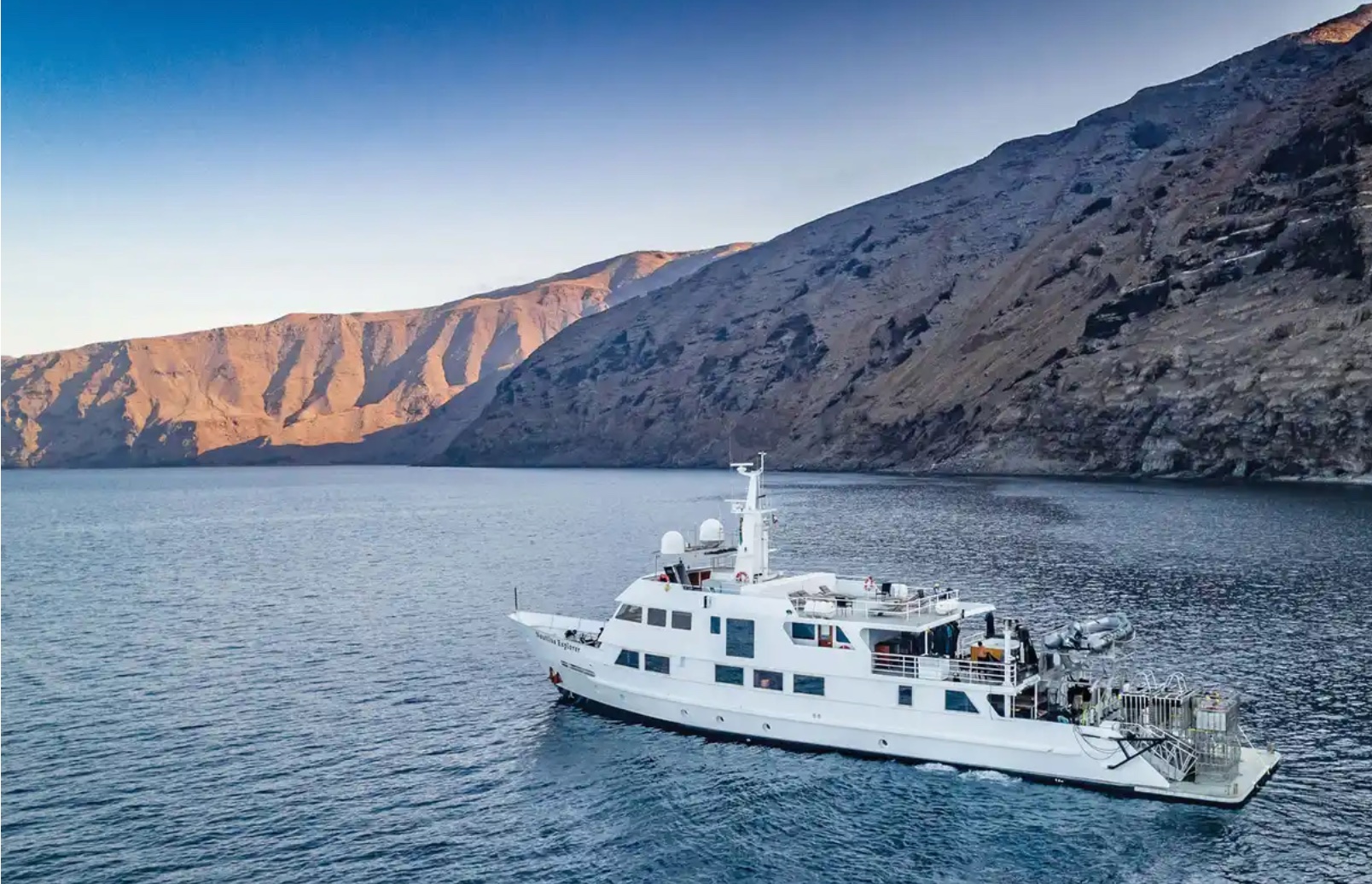
Nautilus Explorer
Mexico
25 guests45 m
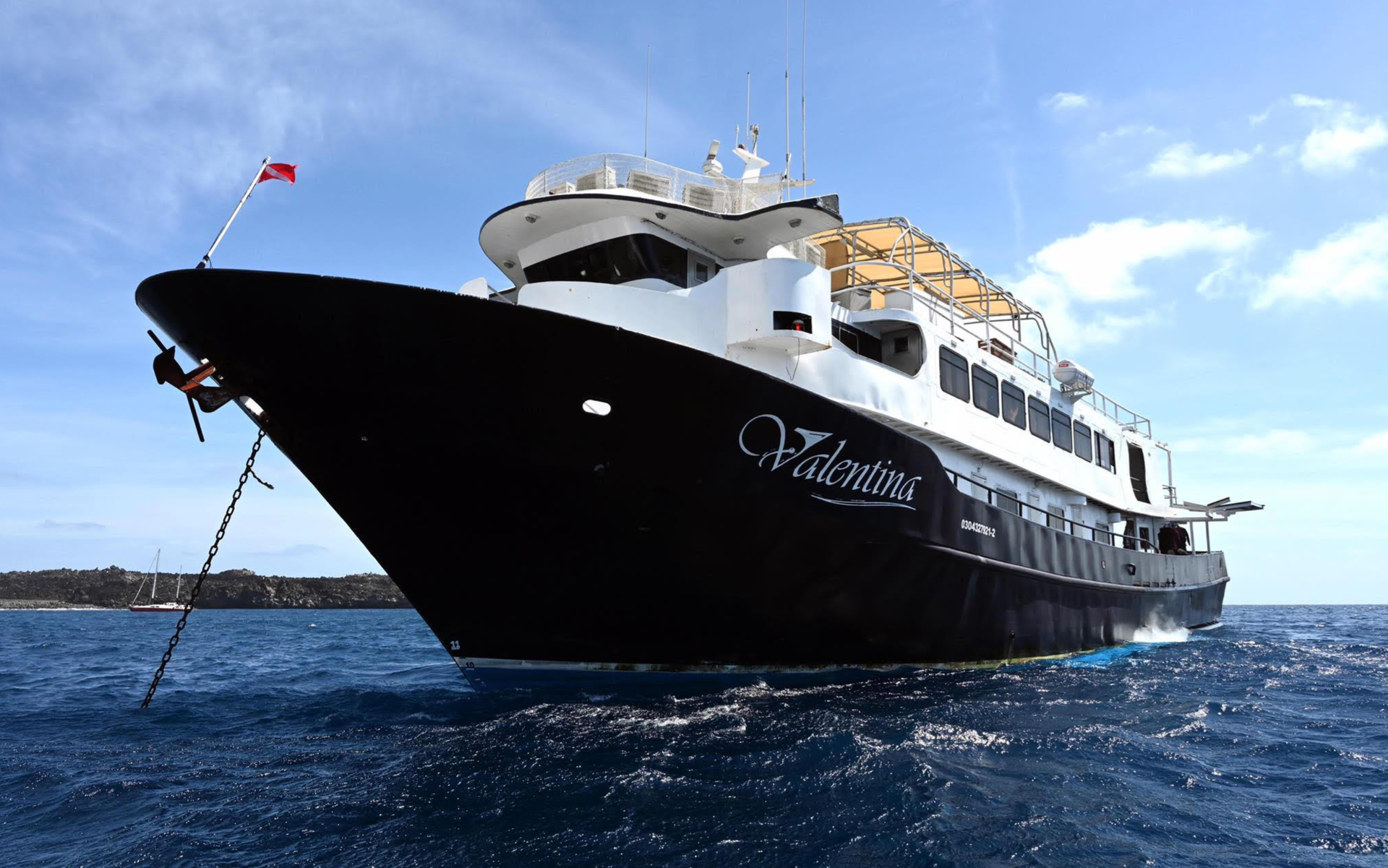
Valentina
Mexico
20 guests38 m
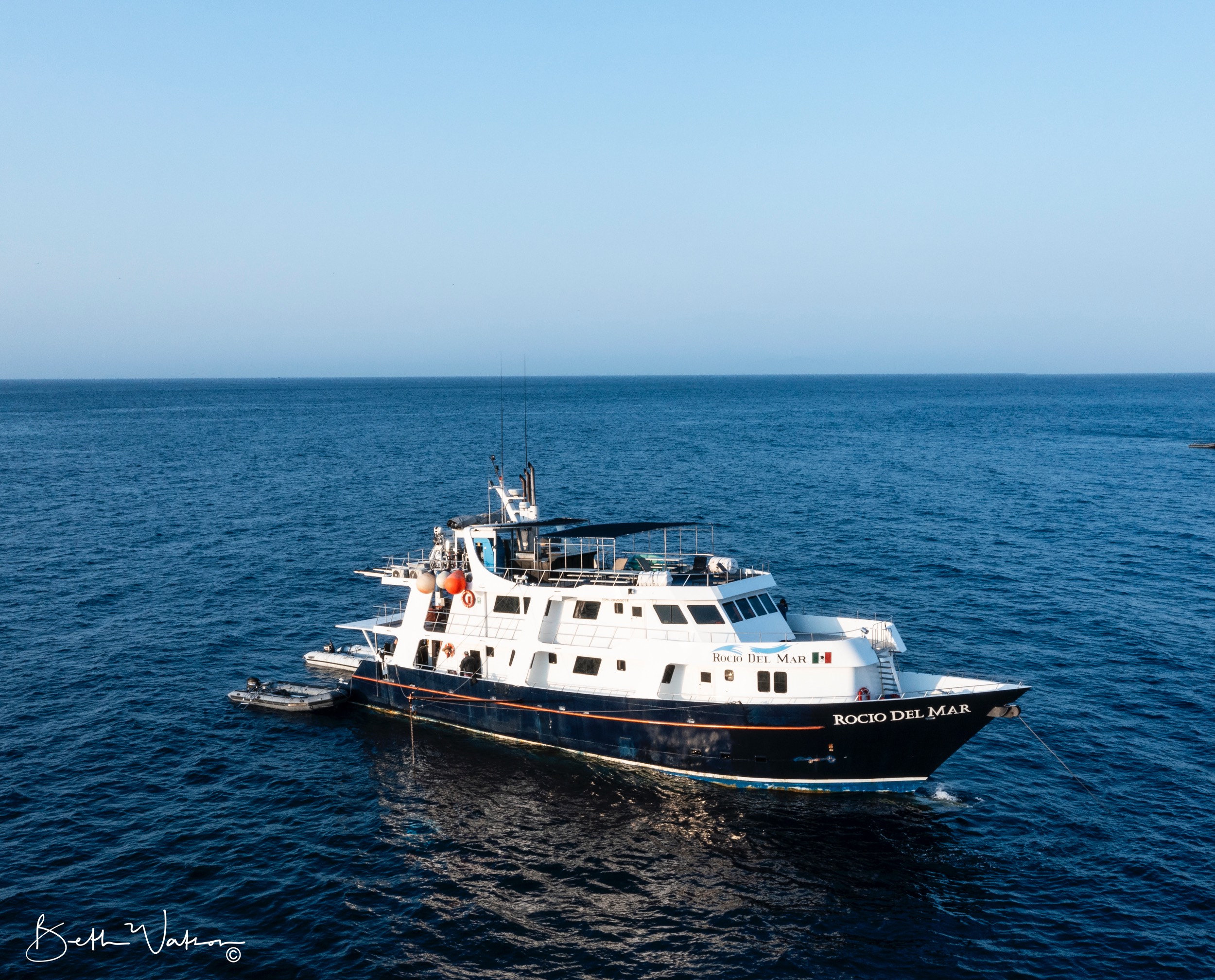
Rocio del Mar
Mexico
20 guests34 m
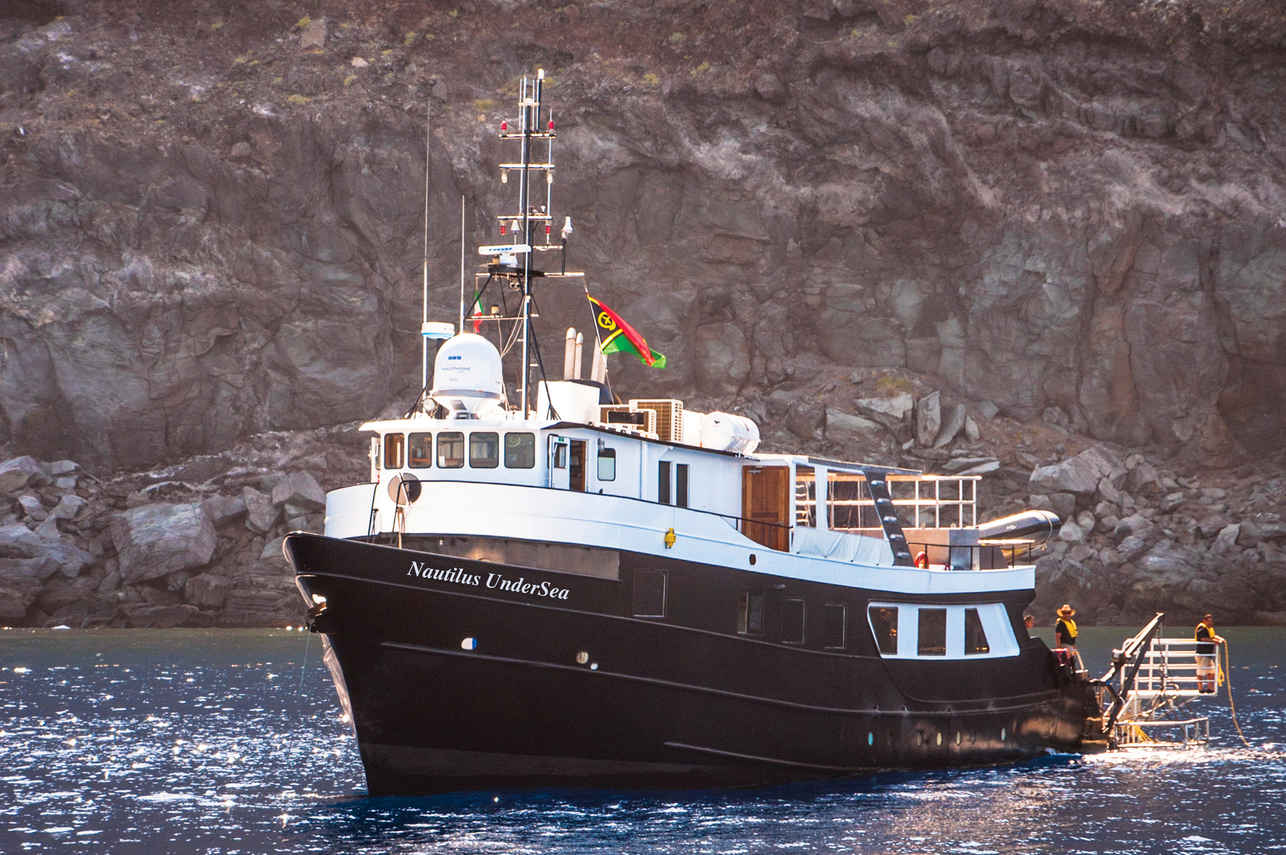
Nautilus Under Sea
Mexico
19 guests32 m
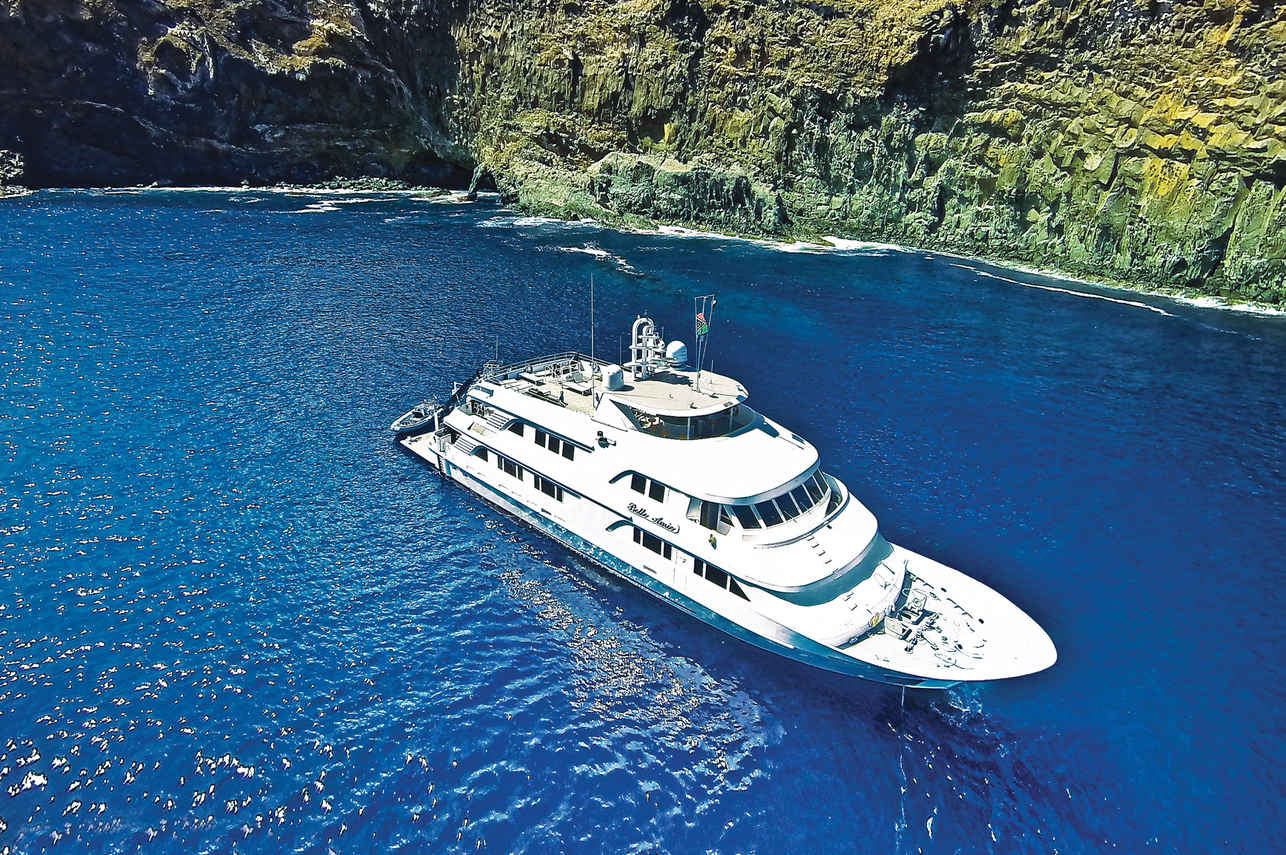
Nautilus Belle Amie
Mexico
32 guests45 m
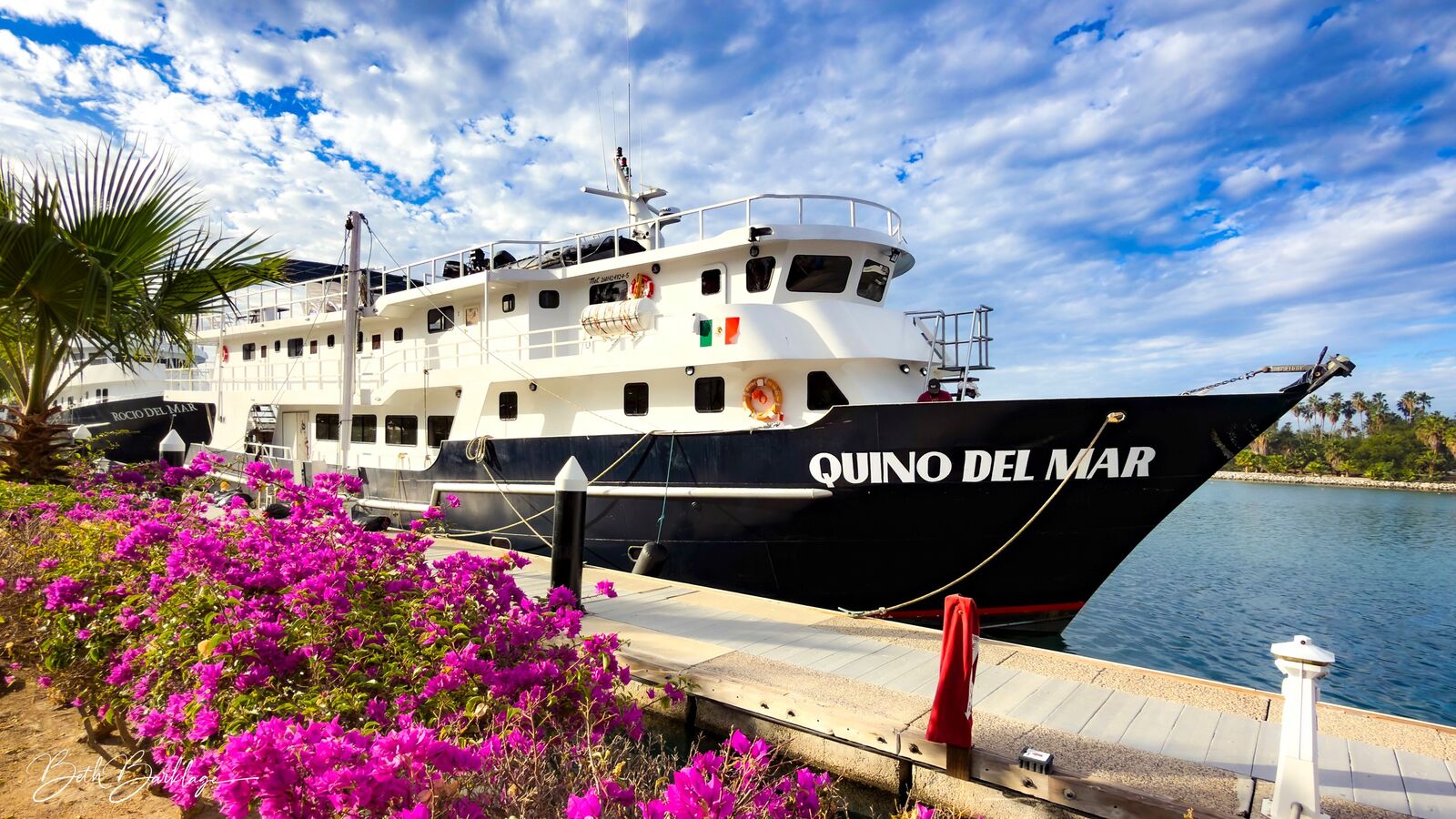
Quino del Mar
Mexico
20 guests36 m
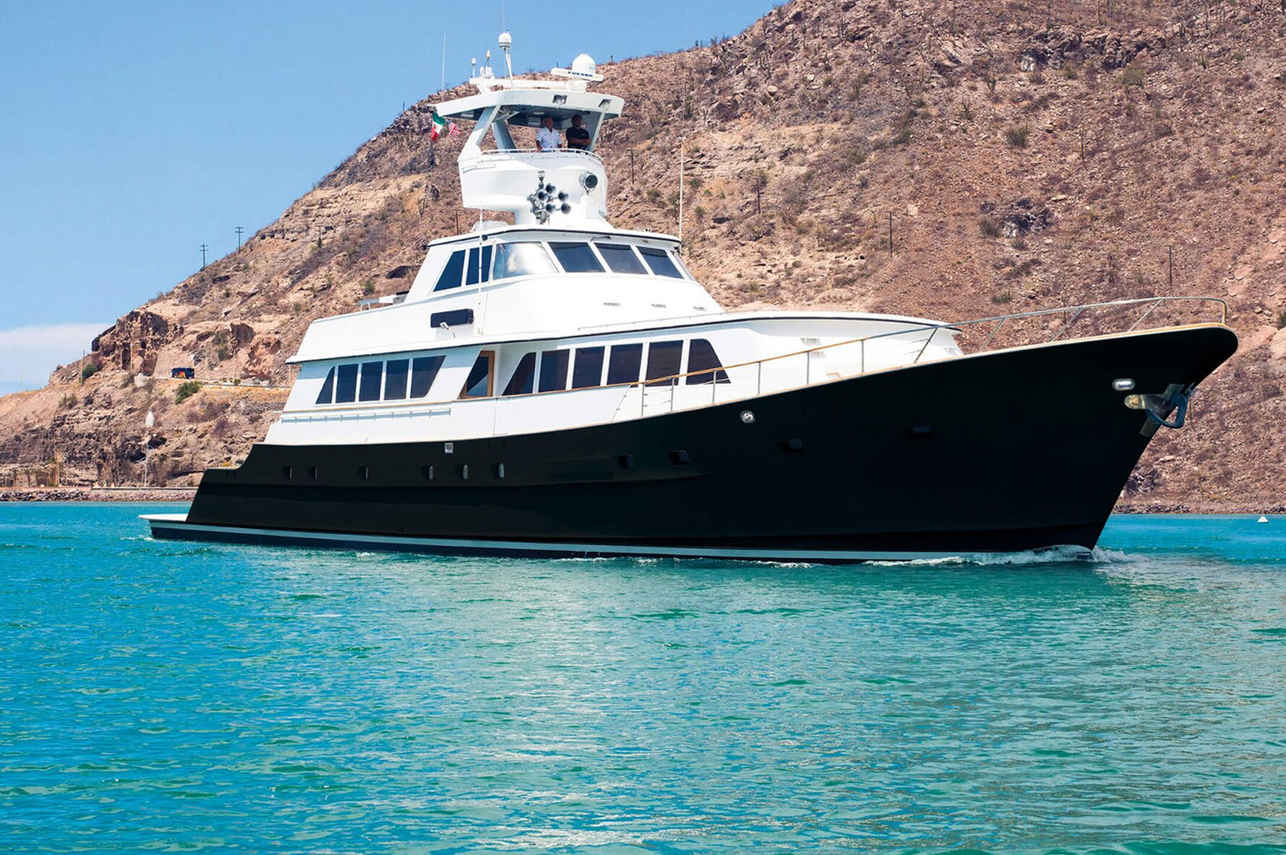
Nautilus Gallant Lady
Mexico
12 guests35 m
Dive sites similar to Bahía de los Ángeles
Same character, same waters — six more sites divers love for the exact same reasons.Compare seasons, access and liveaboard routes — then pick the site that fits your trip best.
© Esri — Maxar, Earthstar, GIS
Agustín Melgar shipwreck
Mexico
The Agustín Melgar, also known as the C-54, is a 56-meter (185-foot) former minesweeper that rests on a sandy bottom at 24 meters (80 feet) south of Puerto Escondido within the Loreto Bay National Park.
- Suitable for
- Intermediate
- Current
- Mild
- Access
- Liveaboard only
- Depth
- 12–24 m
- Theme
- Wreck
Arco Iris, or "Rainbow" in Spanish, is a prominent dive site located near Brumel Island (Penahuaste), approximately 8km north of Playa Potrero in Costa Rica.
- Suitable for
- Beginner
- Current
- Moderate
- Access
- Dayboat
- Depth
- 9–30 m
- Theme
- Reef
© Esri — Maxar, Earthstar, GIS
Bahía de La Paz
Mexico
Bahía de La Paz serves as the capital of Baja California Sur and the primary gateway to the Sea of Cortez, a region famously dubbed the "world's aquarium" by Jacques Cousteau due to its exceptional biodiversity.
- Suitable for
- Advanced
- Current
- Mild
- Access
- Dayboat
- Depth
- 17–27 m
- Theme
- Big animals / Reef
© Esri — Maxar, Earthstar, GIS
Bajo Alcyone
Costa Rica
Bajo Alcyone, a submerged seamount near Cocos Island, stands as a world-renowned dive site.
- Suitable for
- Advanced
- Current
- Strong
- Access
- Liveaboard only
- Depth
- 25–40 m
- Theme
- Drift / Seamount
© Esri — Maxar, Earthstar, GIS
Bajo de la Ballena
Mexico
El Bajo, often referred to as Bajo de la Ballena, is a prominent seamount situated approximately eight miles northeast of La Paz, Mexico.
- Suitable for
- Advanced
- Current
- Strong
- Access
- Liveaboard or dayboat
- Depth
- 18–35 m
- Theme
- Pinnacle
© Esri — Maxar, Earthstar, GIS
Bajo del Diablo
Costa Rica
Bajo del Diablo, also known as Devil’s Pinnacle, is widely regarded as one of the premier dive sites within Costa Rica's Caño Island Biological Reserve.
- Suitable for
- Advanced
- Current
- Strong
- Access
- Liveaboard only
- Depth
- 10–20 m
- Theme
- Pinnacle