About C-59 Wreck
The C-59 Wreck is a former navy vessel, deliberately sunk to become an artificial reef off the coast of La Paz, Mexico. This site is a popular destination for recreational wreck diving within the Sea of Cortez, offering an approachable experience for divers looking to explore a sunken ship. Its history as a naval minesweeper adds to its intrigue. The wreck rests on the seabed at depths ranging from approximately 18 to 24 meters, with its upper structures being shallower and accessible to standard recreational divers. The site features an exterior route suitable for most certified divers, while interior penetration should only be attempted by those with appropriate wreck training and equipment. The structure has swim-throughs, making it engaging for exploration. Marine life has extensively colonized the C-59, transforming its hull and superstructure into a vibrant habitat. Divers frequently encounter schools of reef fish, various moray eels, and octopuses. Occasionally, green turtles and different ray species are spotted around the wreck. The Sea of Cortez itself is renowned for its diverse marine ecosystem, hosting a wide array of fish species. Access to the C-59 Wreck is exclusively by boat, typically departing from La Paz. Dive quality, including water clarity and surface conditions, can vary daily depending on local weather. This site is commonly dived as part of a two-tank trip, often combined with other local sites like Los Islotes.
Highlights
Artificial reef minesweeperExterior wreck explorationSwim-through opportunitiesMoray eels and octopusesSchools of reef fishOccasional green turtlesSea of Cortez marine life
Season calendar
Best months to dive here
Jan
Feb
Mar
Apr
May
Jun
Jul
Aug
Sep
Oct
Nov
Dec
Excellent
Good
Dive site facts: C-59 Wreck
- Depth
- 18–24 m
- Current
- Moderate
- Entry
- Liveaboard only
- Level
- Intermediate
- Dive type
- Wreck, Reef
- Region / port
- Mexico
- Coordinates
- 24.3980° N, 110.3705° W
Conditions & Currents
As an offshore wreck site, conditions at the C-59 Wreck can be subject to day-to-day variations in water clarity and surface chop, influenced by weather and sea state. While currents are not explicitly detailed, the site is generally considered suitable for Open Water and Advanced Open Water divers, implying conditions are typically manageable. Visibility can fluctuate, affecting the overall dive experience. Due to its nature as a wreck, divers should always maintain appropriate wreck-diving awareness and avoid entering overhead environments without specialized training and equipment. All access to the site is by boat from La Paz, with practical access dependent on dive operator scheduling and daily assessments of conditions.
Why dive C-59 Wreck from a liveaboard?
C-59 Wreck is one of Mexico's signature dive sites. A liveaboard sleeps you on the water and typically offers several guided dives per day (the exact number depends on the vessel and itinerary), including dawn and night dives that day-boat operators rarely offer. You skip the daily commute back to port and reach quieter, less-crowded sites in the same region on a single trip.
Liveaboards diving C-59 Wreck
These liveaboards may visit C-59 Wreck on selected itineraries, the exact dive sites depend on departure, weather and conditions.
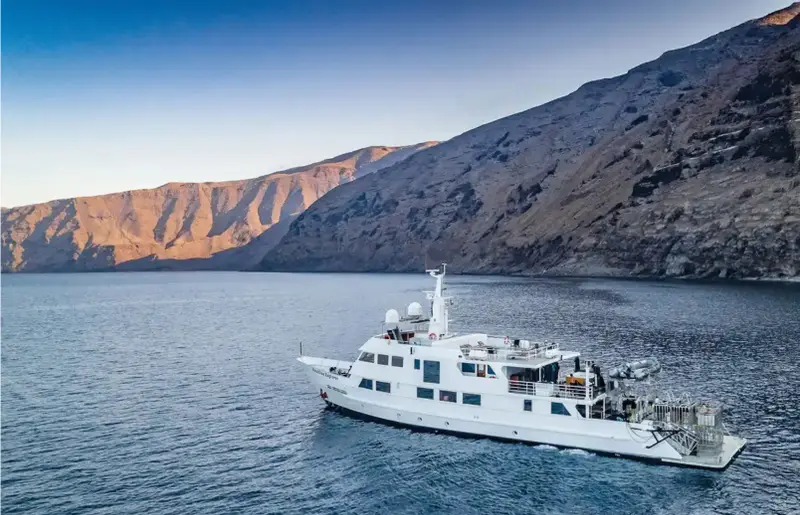
Nautilus Explorer
Mexico
25 guests45 m
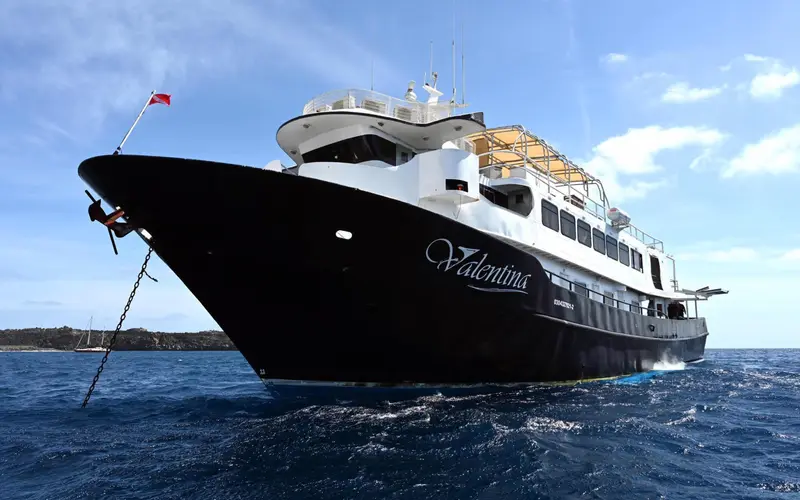
Valentina
Mexico
20 guests38 m
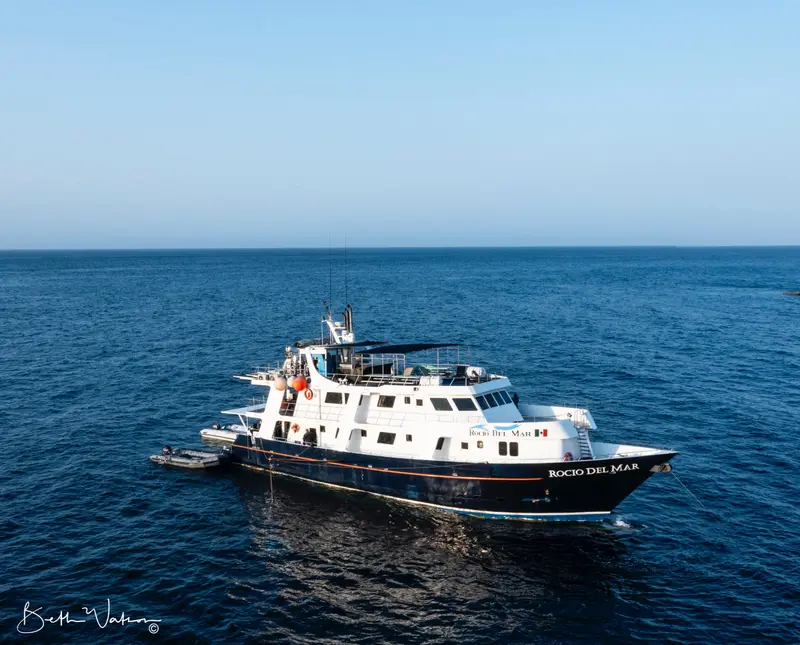
Rocio del Mar
Mexico
20 guests34 m
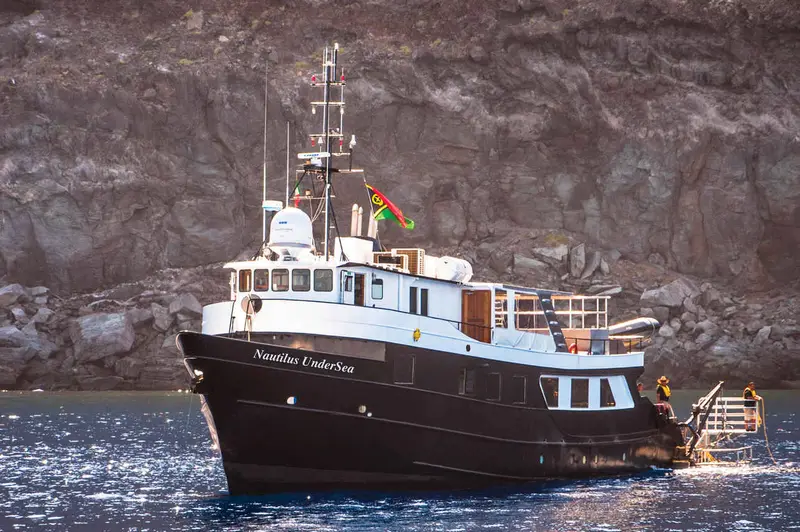
Nautilus Under Sea
Mexico
19 guests32 m
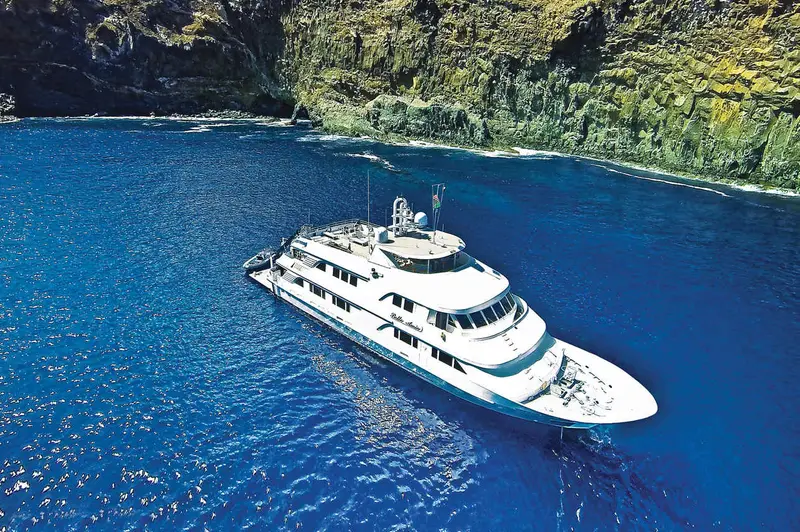
Nautilus Belle Amie
Mexico
32 guests45 m
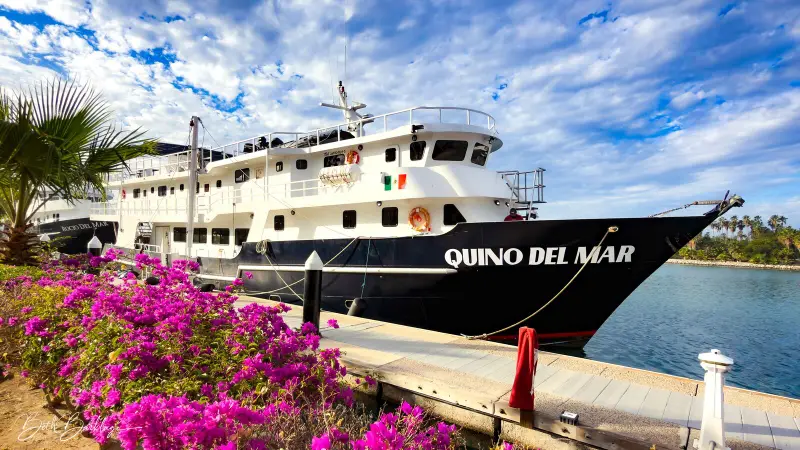
Quino del Mar
Mexico
20 guests36 m
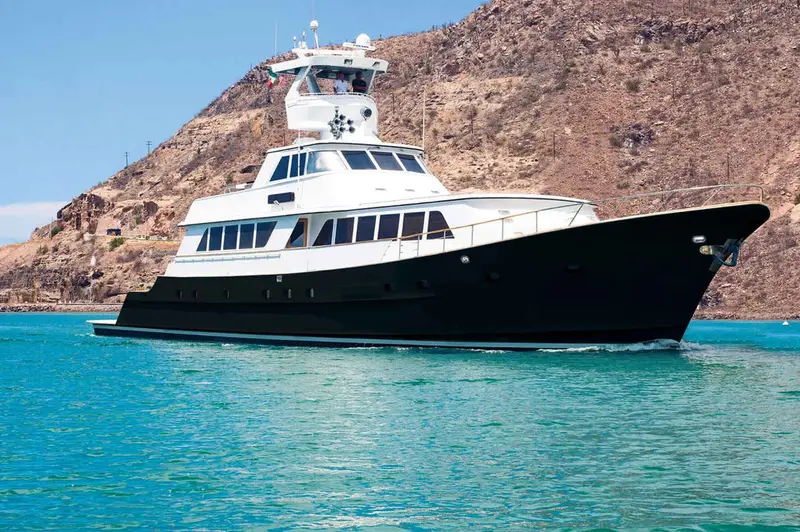
Nautilus Gallant Lady
Mexico
12 guests35 m
Dive sites similar to C-59 Wreck
Same character, same waters, six more sites divers love for the exact same reasons.Compare seasons, access and liveaboard routes, then pick the site that fits your trip best.
© EsriMaxar, Earthstar, GIS
Bahía de los Ángeles
Mexico
Bahía de los Ángeles, nestled in the northern Sea of Cortez, is a remarkable dive destination primarily known for its seasonal aggregations of whale sharks.
- Suitable for
- Intermediate
- Current
- Moderate
- Access
- Liveaboard only
- Depth
- 3–15 m
- Theme
- Reef
© EsriMaxar, Earthstar, GIS
Bajo Sandia
Mexico
Bajo Sandia is a notable dive site situated within the Loreto Bay National Park, a UNESCO World Heritage Site in the Sea of Cortez, off the coast of Baja California Sur, Mexico.
- Suitable for
- Intermediate
- Current
- Mild
- Access
- Liveaboard only
- Depth
- —
- Theme
- Reef
© EsriMaxar, Earthstar, GIS
Brumel Deep
Costa Rica
Brumel Deep, a prominent dive site just a 20-minute boat ride from Flamingo Marina, offers a protected environment, making it an excellent choice when stronger winds affect the main Catalina Islands.
- Suitable for
- Intermediate
- Current
- Mild
- Access
- Dayboat
- Depth
- ≤ 30 m
- Theme
- Reef
© EsriMaxar, Earthstar, GIS
Cuatro Piedras
Costa Rica
Cuatro Piedras, part of the volcanic Catalina Islands off Costa Rica's Pacific coast, is named for its unique rock formations.
- Suitable for
- Intermediate
- Current
- Moderate
- Access
- Dayboat
- Depth
- 7–28 m
- Theme
- Reef / Pinnacle
© EsriMaxar, Earthstar, GIS
El Arenal - Santiago
Galápagos
El Arenal, located near Darwin Island in the northern Galapagos Archipelago, is considered one of the world's premier dive sites.
- Suitable for
- Intermediate
- Current
- Strong
- Access
- Liveaboard only
- Depth
- 3–18 m
- Theme
- Reef