About El Arenal - Santiago
El Arenal, located near Darwin Island in the northern Galapagos Archipelago, is considered one of the world's premier dive sites. It is celebrated for its abundant and diverse marine life, making it a dream destination for experienced divers seeking significant pelagic encounters. The site's remote location necessitates liveaboard access, contributing to its untouched and pristine underwater environment. Divers here can expect to witness an extraordinary congregation of large marine species, including various shark species and rays, drawn by the rich, nutrient-filled waters of the Galapagos. The topography at El Arenal is primarily characterized by rocky ledges and slopes, which transition into deeper sand areas. While specific depth details for El Arenal itself are not explicitly outlined, Darwin Island diving conditions typically involve depths suitable for advanced divers. The marine ecosystem thrives here due to the unique convergence of ocean currents, creating a highly productive environment. This productivity supports a vast food chain, from microscopic plankton to apex predators, leading to frequent sightings of larger animals. Marine life sightings are consistently spectacular, featuring schools of hammerhead sharks, Galapagos sharks, and silky sharks. Whale sharks are a seasonal highlight, especially between June and October. Beyond sharks, divers frequently encounter large schools of jacks, tuna, and moray eels, alongside manta rays and various tropical fish. The dynamic conditions, including strong currents, contribute to the site's rich biodiversity but also demand advanced diving skills. Diving El Arenal is an immersive experience tailored for those who can navigate demanding underwater conditions. The remote nature of the site means multiple dives are often conducted over several days, allowing ample opportunity to explore its prolific marine environment. This site exemplifies the unique and powerful draw of the Galapagos' northern dive locations f
Highlights
World-class pelagic encountersHammerhead shark schoolsWhale shark sightings (seasonal)Strong, nutrient-rich currentsRemote liveaboard destinationDiverse large marine species
Season calendar
Best months to dive here
Jan
Feb
Mar
Apr
May
Jun
Jul
Aug
Sep
Oct
Nov
Dec
Good
Dive site facts: El Arenal - Santiago
- Depth
- 3–18 m
- Current
- Very strong and unpredictable
- Visibility
- Variable
- Water temperature
- 22–27°C
- Entry
- Tender
- Level
- Advanced to expert
- Dive type
- Pelagic, drift
- Night dive
- Not specified
- Region / port
- Northern Galapagos Archipelago
- Coordinates
- -0.22, -90.585
Conditions & Currents
Diving at El Arenal is characterized by very strong and unpredictable currents, demanding advanced diving skills. Divers often need to cling to rocks to maintain position and avoid being swept away, making current experience essential. Visibility can be variable due to the high nutrient content in the water, which, while supporting abundant marine life, can sometimes reduce optical clarity. Water temperatures are generally temperate, ranging from 22°C to 25°C between May and November, and slightly warmer from December to April at 24°C to 27°C, as the cold Humboldt Current has less influence this far north. Entry and exit are typically from liveaboard tenders, requiring swift and coordinated maneuvers in potentially choppy surface conditions. The challenging conditions contribute to the site's rich marine biodiversity, attracting large pelagic species that thrive in these dynamic waters,
Marine life & sighting chances

Hammerhead sharks
Year-round, larger schools June-October · common
Whale sharks
June-October · common
Galapagos sharks
Year-round · common
Silky sharks
Year-round · common
Manta rays
Year-round · occasional
Tuna
Year-round · common
Moray eels
Year-round · common
Dolphins
Year-round · occasional
Angelfish
Year-round · common
Parrotfish
Year-round · common
Marine iguanas
Year-round · occasional
Sea lions
Year-round · occasionalDive profile & how the dive runs
Diving at El Arenal typically begins with a negative entry from a liveaboard tender, quickly descending to avoid surface currents. The dive often follows the contours of the submarine topography, which consists of rocky ledges and slopes. Divers usually navigate against the prevailing current initially, aiming to position themselves in areas known for pelagic activity, such as pinnacles or drop-offs where currents are strongest. Maintaining good buoyancy and often holding onto stable rock formations is crucial due to the powerful water movement. The maximum depth for encounters with large pelagics like hammerheads is often around 25-30 meters. The dive plan is largely dictated by current direction and marine life sightings, with the group moving along with the current when appropriate. Turning points are usually determined by air consumption and bottom time, rather than a fixed structure. Safety stops are often conducted in mid-water, potentially using a descent line or being picked up by the tender at the end of the drift, with careful attention to managing ascent rates in dynamic conditions.
Underwater photography
Capturing the magnificent pelagic action at El Arenal requires careful planning and robust equipment. Wide-angle lenses are essential for photographing schools of hammerheads, whale sharks, and manta rays, which are the primary draw here. Due to strong currents, stability can be challenging, so practice maintaining a steady position while operating your camera. Consider using strobes to bring out color and detail in subjects, especially against the often-variable visibility. Be prepared for rapid changes in subject distance and light conditions. Buoyancy control and spatial awareness are paramount to avoid damaging the delicate marine environment or interfering with other divers, particularly when drifting. Patience is key, as marine life appears unpredictably; be ready to capture fleeting moments of large animal encounters. For smaller macro subjects, this site is less suited, focusing instead on grand, wide-angle opportunities.
Combine with nearby dive sites
- Wolf Island
Another northern Galapagos site known for extreme conditions and abundant pelagic encounters, often combined with Darwin Island on liveaboard itineraries.
- Gordon Rocks
A renowned site near Santa Cruz for hammerhead shark sightings, offering challenging currents similar to northern sites.
- Punta Vicente Roca
Located on Isabela Island, this site is known for unique cold-water species like mola mola and seahorses, and occasional hammerhead sightings.
- Cousin's Rock
A popular site near Santiago Island, famous for its pinnacle attracting various sharks, rays, and sea lions.
Getting there & logistics
Accessing El Arenal requires a liveaboard trip, as it is located in the remote northern part of the Galapagos Archipelago, near Darwin Island. The primary international gateway is Guayaquil (GSP) or Quito (UIO) in Ecuador, followed by a domestic flight to Baltra Island (GPS) in the Galapagos. Liveaboard itineraries typically range from 7 to 10 days, with the vessel providing all transit to the remote dive sites. Upon arrival at Baltra, you will transfer directly to your liveaboard. A Galapagos National Park entrance fee is required, along with a transit control card. These trips are all-inclusive, covering diving, accommodation, and meals, but personal equipment rental and nitrox may be extra. Due to the travel distances, these dive sites are usually grouped with Wolf Island and other northern destinations on dedicated dive safaris.
Safety & environment
Diving at El Arenal presents significant challenges due to very strong and unpredictable currents, making it suitable only for advanced to expert divers. A high level of physical fitness, excellent buoyancy control, and prior experience with strong currents are essential. Divers must always follow the instructions of their dive guide, who will assess conditions and dictate the dive plan. The nearest recompression chamber is located on Santa Cruz Island, making evacuation a lengthy process. Comprehensive dive insurance, including coverage for medical emergencies and evacuation, is mandatory for all divers. Surface signaling devices, such as SMBs and whistles, are crucial, given the potential for drift and the remote location. Group adherence and buddy system protocols are vital to ensure safety in this demanding environment.
Who it suits — and who it doesn't
Suited for
- Advanced divers with extensive current experience
- Photographers seeking large pelagic subjects
- Divers comfortable with remote liveaboard travel
- Those looking for high-adrenaline drift dives
- Enthusiasts of big marine animal encounters
Less suited for
- Novice or open water certified divers
- Divers uncomfortable with strong currents
- Those prone to seasickness on choppy waters
- Individuals seeking calm, shallow reef dives
- Divers without comprehensive dive insurance
FAQ
El Arenal - Santiago FAQ
What kind of marine life can I expect at El Arenal?
El Arenal is renowned for its incredible pelagic encounters. You can expect to see large schools of hammerhead sharks, Galapagos sharks, and silky sharks. During the peak season from June to October, whale sharks are a frequent highlight, along with manta rays, tuna, and various other large fish species.
How challenging are the diving conditions at El Arenal?
The diving conditions at El Arenal are considered very challenging, primarily due to exceptionally strong and often unpredictable currents. Divers must be advanced or expert level, possess excellent buoyancy control, and have prior experience with drift diving and managing powerful water movements. It is not suitable for beginners.
What is the best time of year to dive El Arenal for whale sharks?
The prime season for whale shark sightings at El Arenal, and generally in the northern Galapagos, is during the cool, dry season, which runs from June to October. This period features stronger currents and an abundance of nutrients, attracting these majestic creatures to the area.
Is El Arenal accessible for day trips, or does it require a liveaboard?
Due to its remote location near Darwin Island in the far northern Galapagos Archipelago, El Arenal is exclusively accessible via liveaboard dive cruises. Day trips are not feasible for this site, as it requires significant travel time from the central islands. Liveaboard itineraries typically combine El Arenal with other remote sites like Wolf Island.
What water temperature can I expect while diving El Arenal?
Water temperatures at El Arenal vary by season. From May to November, during the cool season, temperatures typically range from 22°C to 25°C. In the warmer, wet season from December to April, temperatures can be slightly higher, between 24°C and 27°C, as the influence of the cold Humboldt Current is less pronounced in the far north.
Why dive El Arenal - Santiago from a liveaboard?
El Arenal - Santiago is one of Galápagos's signature dive sites. A liveaboard sleeps you on the water and puts you in the water for three to four guided dives per day, including dawn and night dives that day-boat operators rarely offer. You skip the daily commute back to port and reach quieter, less-crowded sites in the same region on a single trip.
Below are the liveaboards that include El Arenal - Santiago on their Galápagos itineraries.
Liveaboards diving El Arenal - Santiago
These liveaboards may visit El Arenal - Santiago on selected itineraries — the exact dive sites depend on departure, weather and conditions.
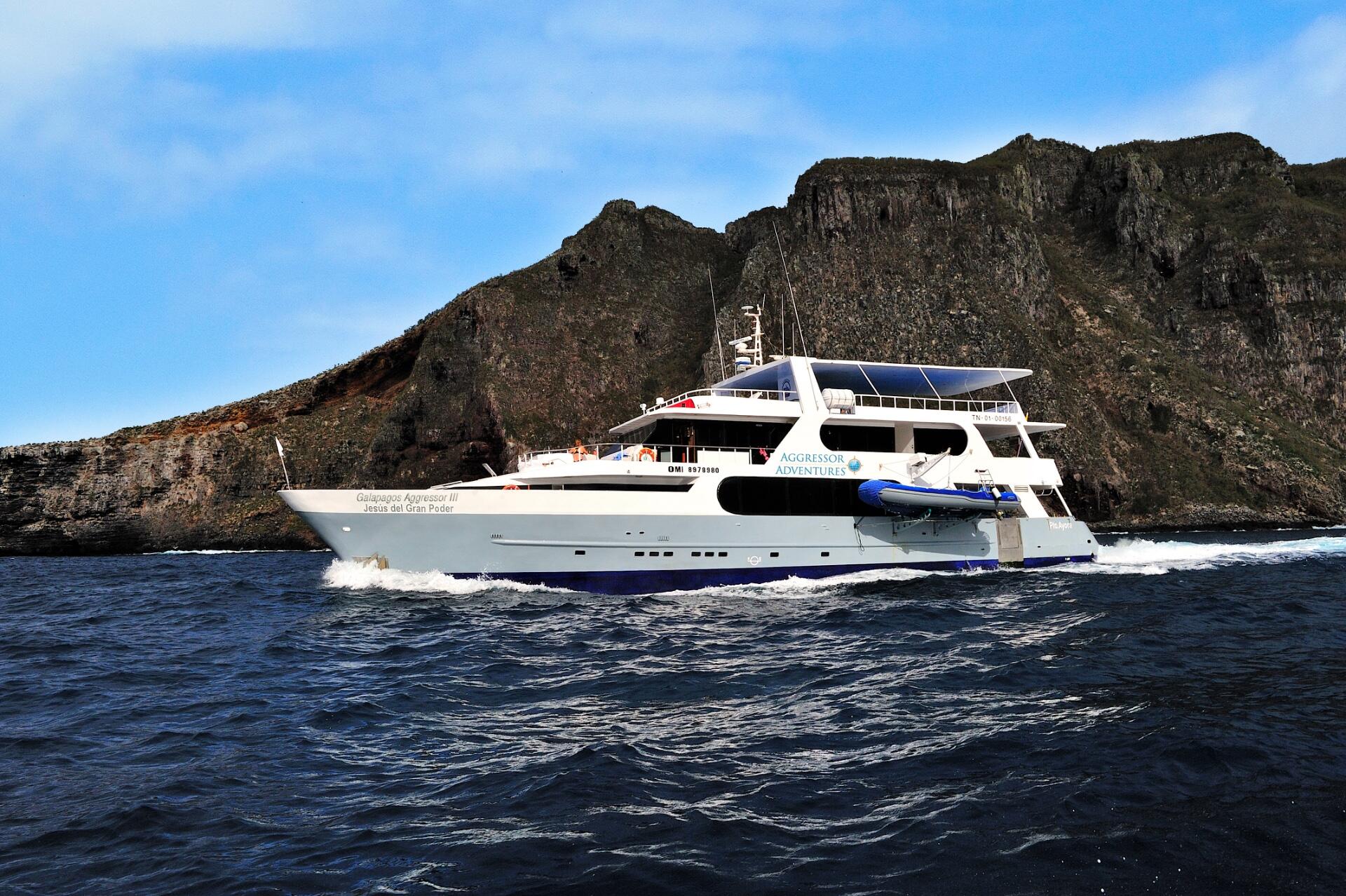
Galapagos Aggressor III
Galápagos
16 guests30.5 m
$913/day
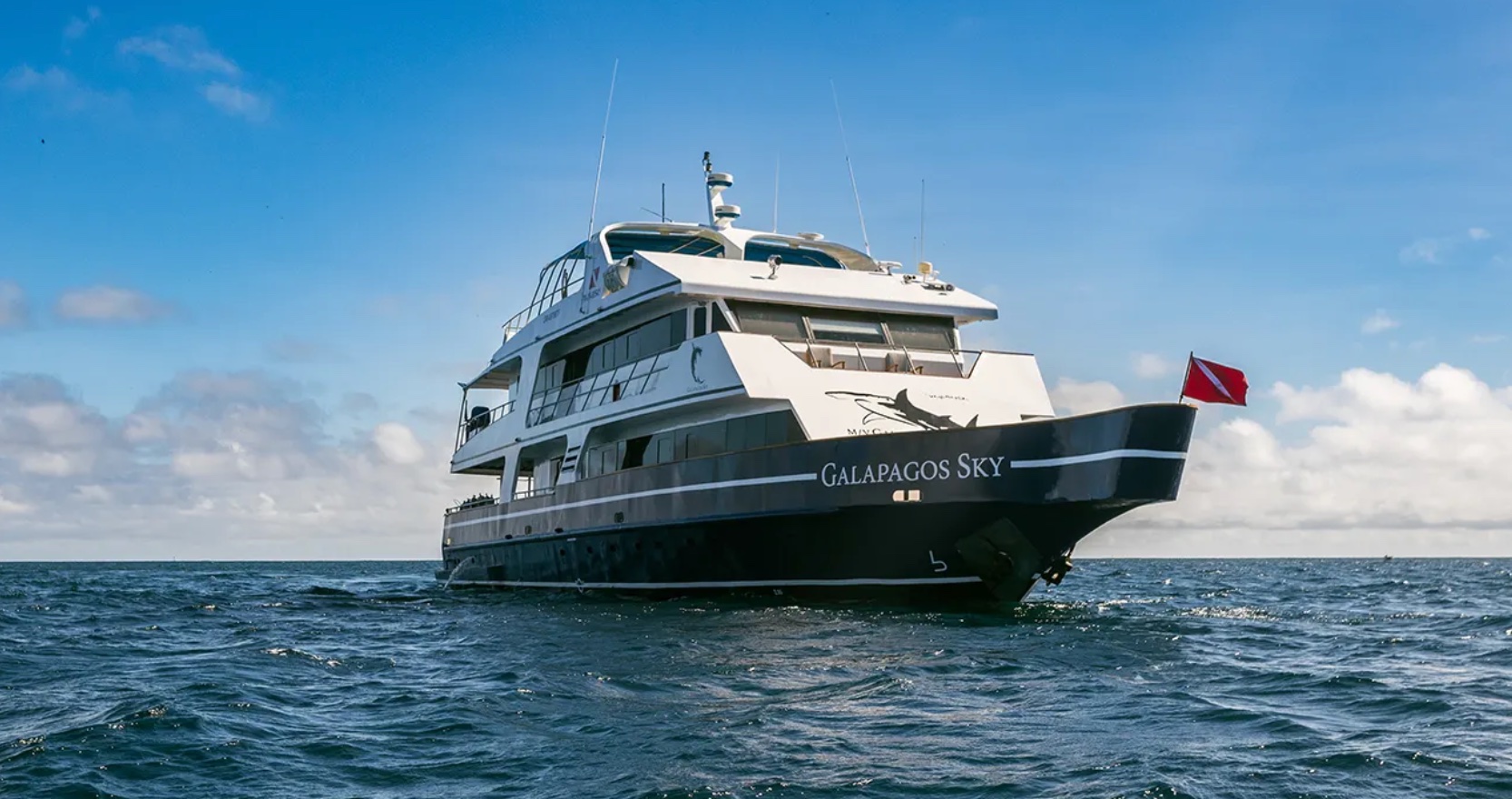
Galapagos Sky
Galápagos
16 guests
$937/day
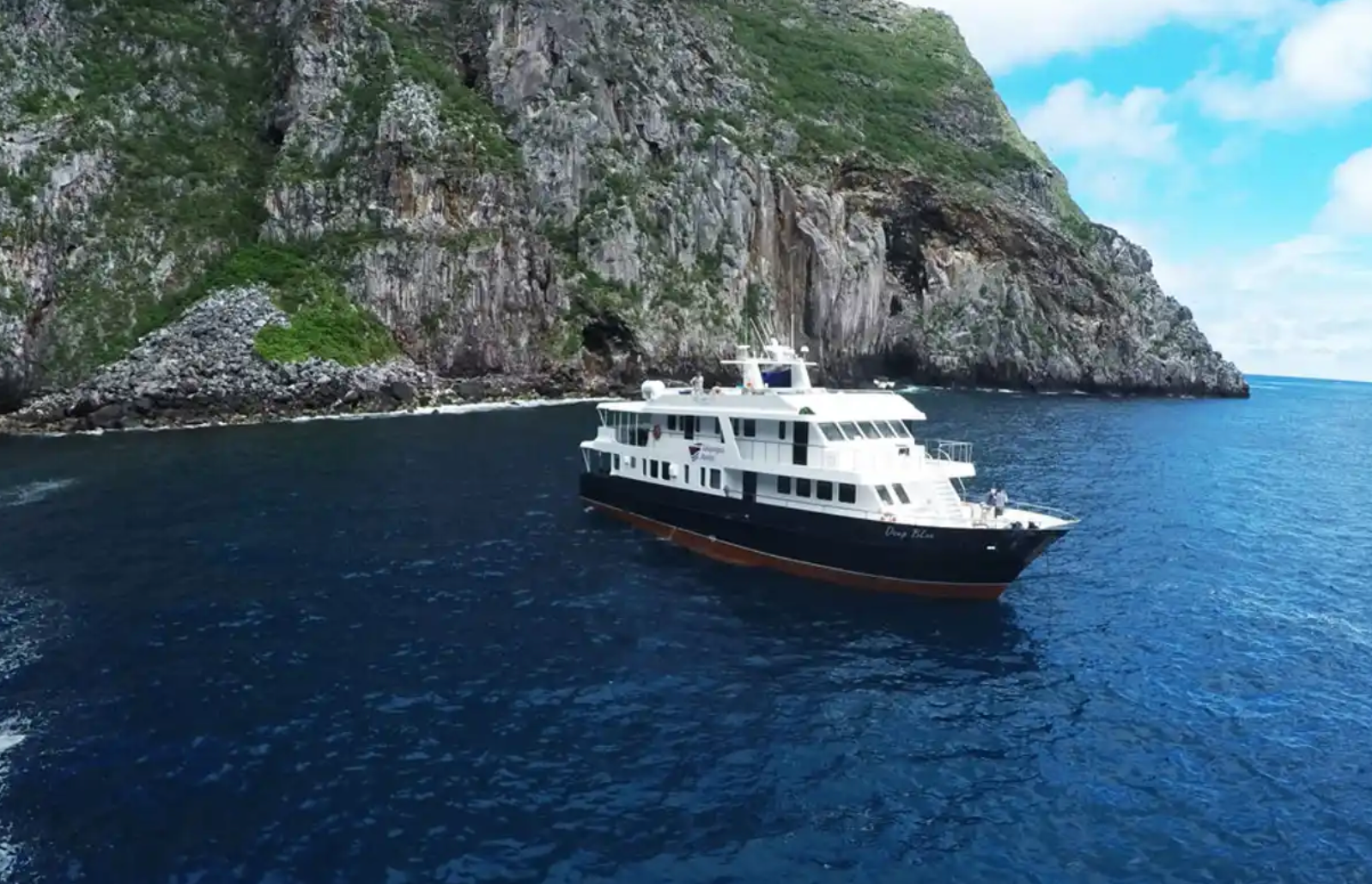
Galapagos Master
Galápagos
16 guests
$669/day
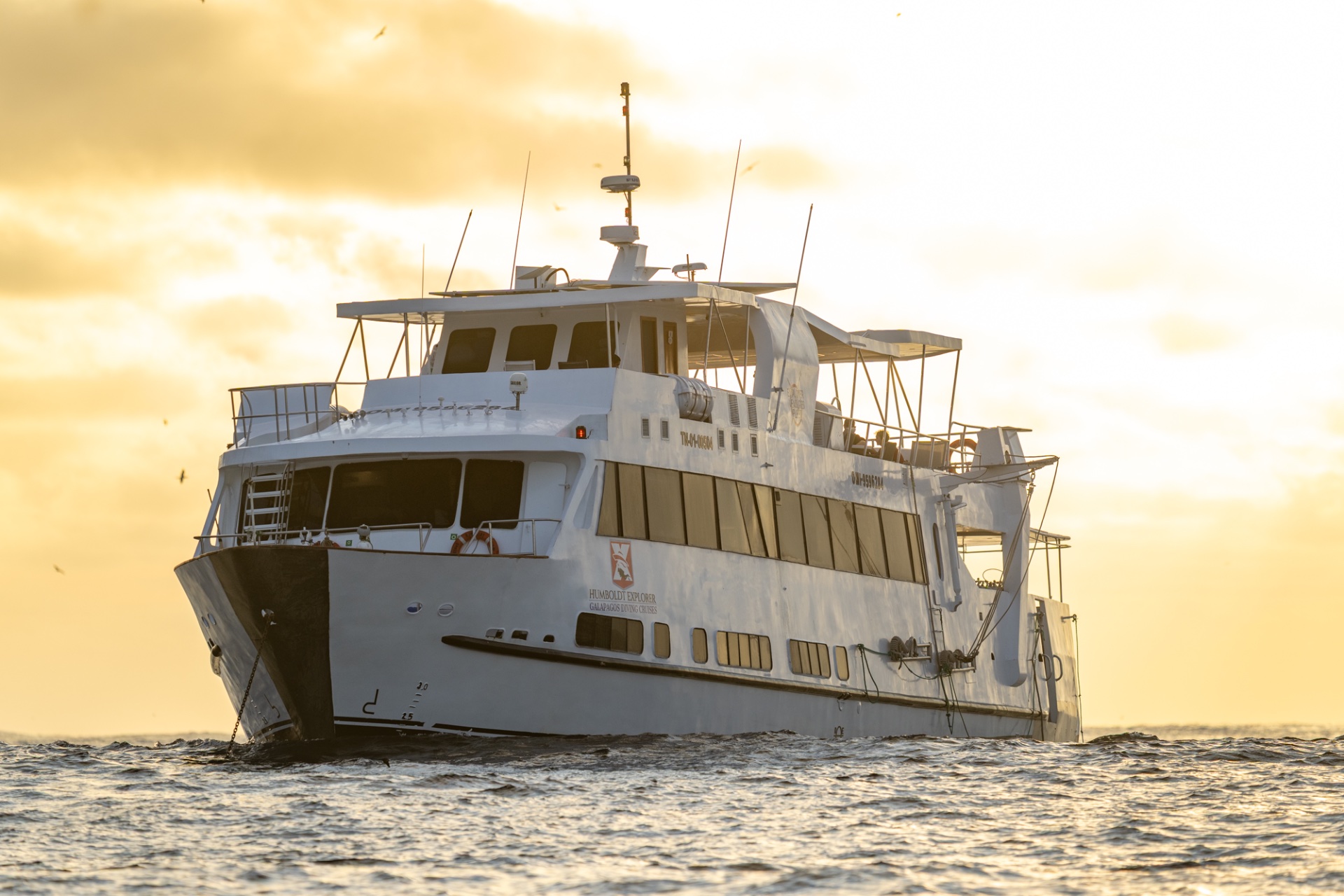
Humboldt Explorer
Galápagos
16 guests
$612/day
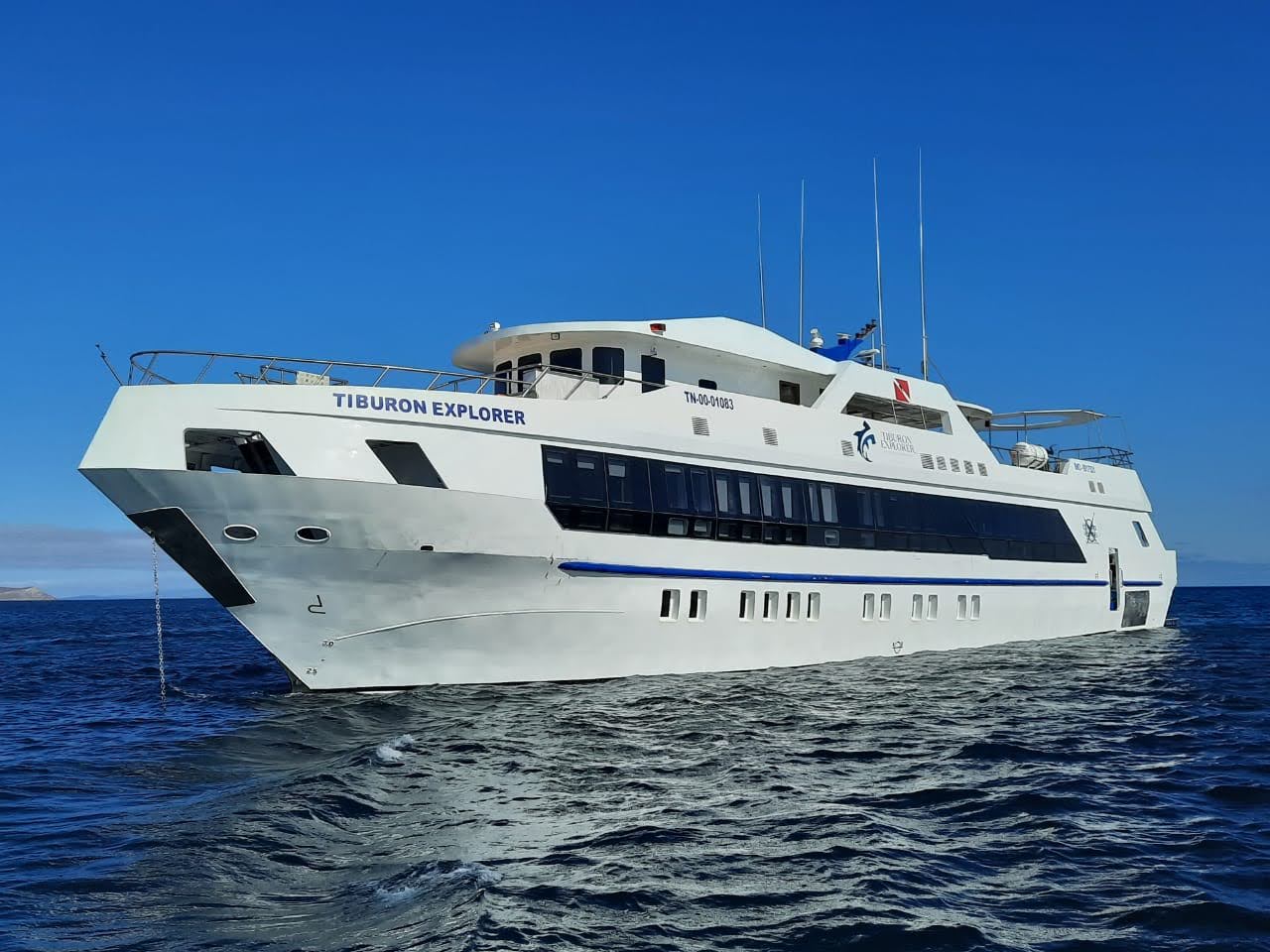
Tiburon Explorer
Galápagos
16 guests
$924/day
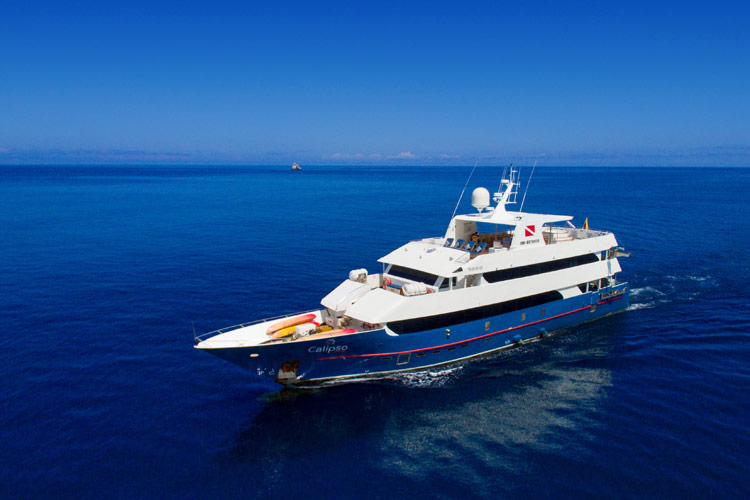
Calipso
Galápagos
16 guests
$819/day
Dive sites similar to El Arenal - Santiago
Same character, same waters — six more sites divers love for the exact same reasons.Compare seasons, access and liveaboard routes — then pick the site that fits your trip best.
© Esri — Maxar, Earthstar, GIS
Elizabeth Bay
Galápagos
Elizabeth Bay, located on the eastern coast of Isabela Island, presents a wide and sheltered marine environment rich in biodiversity.
- Suitable for
- Beginner
- Current
- No current
- Access
- Liveaboard only
- Depth
- 3–20 m
- Theme
- —
© Esri — Maxar, Earthstar, GIS
Floreana - Devil's Crown
Galápagos
Devil's Crown, located off Floreana Island in the Galápagos, is renowned as one of the archipelago's premier diving and snorkeling destinations.
- Suitable for
- Beginner
- Current
- Strong
- Access
- Liveaboard only
- Depth
- 3–15 m
- Theme
- Reef
© Esri — Maxar, Earthstar, GIS
Bajo Negro
Costa Rica
Bajo Negro, or Black Rock, is a captivating dive site located within the Bat Islands in Santa Rosa National Park, off Costa Rica's Pacific coast.
- Suitable for
- Advanced
- Current
- Strong
- Access
- Shore / dayboat
- Depth
- 20–30 m
- Theme
- Pinnacle / Seamount
© Esri — Maxar, Earthstar, GIS
Dos Sombreros
Costa Rica
Dos Sombreros is a renowned dive site located offshore from Playa Flamingo, forming part of the Catalina Islands chain in Costa Rica's North Pacific region.
- Suitable for
- Intermediate
- Current
- Moderate
- Access
- Dayboat
- Depth
- 12–25 m
- Theme
- Pinnacle
© Esri — Maxar, Earthstar, GIS
Pelican Rock
Mexico
Pelican Rock is a renowned dive site located within the Cabo San Lucas Marine Park in Baja California Sur, Mexico, just a few minutes by boat from the marina.
- Suitable for
- Beginner
- Current
- Mild
- Access
- Liveaboard or dayboat
- Depth
- 5–40 m
- Theme
- Wall
© Esri — Maxar, Earthstar, GIS
Isla Montserrat
Mexico
Isla Montserrat is one of the five major islands within the Bahía de Loreto National Park, offering a diverse range of diving opportunities.
- Suitable for
- Intermediate
- Current
- Mild
- Access
- Liveaboard only
- Depth
- —
- Theme
- Reef / Wall