About Bajo de la Ballena
El Bajo, often referred to as Bajo de la Ballena, is a prominent seamount situated approximately eight miles northeast of La Paz, Mexico. This offshore site is characterized by three distinct pinnacles that ascend from the depths to a shallowest point of 18 meters, creating a dramatic underwater landscape. Its unique topography attracts a diverse array of marine life, particularly large pelagic species. Divers frequently observe schooling scalloped hammerhead sharks, which are a major draw to the site. Beyond the hammerheads, you can expect to encounter large schools of tuna and amberjack, with occasional sightings of marlin, Pacific manta rays, and whale sharks. While the specific seasonality for all species at El Bajo is not uniformly detailed, the Sea of Cortez region, where it is located, experiences peak pelagic sightings from August to October for hammerheads, and October to December for whale sharks. These periods offer heightened chances for thrilling encounters at this active seamount. Diving El Bajo requires experience due to potentially strong and unpredictable currents. It is typically accessed via day boat or liveaboard from La Paz, offering an advanced dive experience focused on dynamic pelagic encounters in its exposed pinnacle environment.
Highlights
Schooling scalloped hammerhead sharksDramatic offshore pinnaclesLarge pelagic fish schoolsOccasional manta ray sightingsTuna and amberjack
Season calendar
Best months to dive here
Jan
Feb
Mar
Apr
May
Jun
Jul
Aug
Sep
Oct
Nov
Dec
Excellent
Good
Dive site facts: Bajo de la Ballena
- Depth
- 18–35 m
- Current
- Strong, unpredictable
- Visibility
- 15–30 m
- Water temperature
- 20–30°C
- Entry
- Day boat / negative entry
- Level
- Advanced, current experience essential
- Dive type
- Seamount, Pinnacle
- Region / port
- La Paz, Baja California Sur
- Coordinates
- 24.1000° N, 109.8000° W
Conditions & Currents
El Bajo is known for its strong and often unpredictable currents, making it a dive site best suited for experienced divers. The currents can shift directions and strengths without warning, requiring proficient buoyancy control and advanced diving skills. Entry is typically a negative entry from a day boat, where divers descend quickly to the pinnacles to avoid being swept away from the main feature. The boat then follows the divers from the surface. Visibility is generally good but can vary with plankton blooms or strong currents. Divers must be prepared for potential thermoclines and plan their gas consumption carefully, accounting for potential current-induced exertion. The dynamic nature of the currents contributes to the rich pelagic life but necessitates careful dive planning and adherence to guide instructions.
Marine life & sighting chances

Scalloped hammerhead shark
Sept–Oct · common
Tuna
common
Amberjack
common
Marlin
occasional
Pacific manta ray
occasional
Whale shark
Oct–Feb · occasional
Dolphin
July–Nov · occasional
Orca
July–Sept, Winter · rareDive profile & how the dive runs
Diving at El Bajo typically begins with a negative entry due to the potential for strong currents. Divers will descend rapidly to the top of the pinnacles, which rise to about 18 meters. The main objective is to position oneself to observe schooling hammerhead sharks, which commonly frequent this seamount. Divers usually contour around the pinnacles, maintaining a depth band between 18 and 35 meters, searching for pelagics such as tuna, amberjack, and potentially manta rays or marlin. The dive often involves staying close to the pinnacles for protection from currents while observing the open water for larger marine life. The turn point is determined by air consumption and bottom time, considering the depth and potential for increased exertion from currents. The ascent is typically a controlled drift away from the pinnacles, with safety stops performed in the blue, sometimes with the aid of a surface marker buoy to signal the boat for pick-up. Due to the exposed nature and currents, strict adherence to dive plan and monitoring of depth/time is critical.
Underwater photography
El Bajo is a prime location for wide-angle photography, especially to capture the schooling hammerhead sharks and other large pelagics. A fisheye lens is highly recommended to encompass the vast schools and the dramatic seamount topography. Strong strobes are essential to properly light subjects in deeper water and against the often dark blue background, bringing out color and detail. Given the strong and unpredictable currents, photographers need excellent buoyancy control and streamlining to avoid being swept away or damaging gear. Patience is key, as waiting for the perfect moment for shark encounters can be rewarding. For occasional macro opportunities, such as smaller reef fish taking refuge in crevices, a dedicated macro setup or a wet lens adapter could be useful, but the focus here is undeniably on big animal encounters.
Combine with nearby dive sites
- Los Islotes
Known for playful California sea lion colonies and shallow reef diving.
- La Partida
Island near Los Islotes, part of Espiritu Santo archipelago.
- Mount Eden
Offshore seamount known for pelagic encounters.
- Bajo Sandia
Another seamount in the La Paz area with similar pelagic potential.
- Gavilanes
Reef dive site with diverse marine life.
Getting there & logistics
Access to El Bajo is typically arranged through dive operators in La Paz, Baja California Sur. Divers can fly into Manuel Márquez de León International Airport (LAP) in La Paz. Trips to El Bajo are usually day trips via fast boats, though some liveaboards operating in the Sea of Cortez may include it in their itineraries, particularly during peak pelagic season from July to November. Dive packages from La Paz often combine El Bajo with other sites around Espiritu Santo Island, like Los Islotes, over several days. Marine park fees are generally included in the operator's pricing, but it's advisable to confirm. Liveaboards tend to offer 7-night trips.
Safety & environment
Diving El Bajo demands a high level of preparedness due to its exposed location and strong, unpredictable currents. Divers should carry a surface marker buoy (SMB) and a whistle for surface signaling, as well as a dive computer and redundant air source if appropriate for their certification level. Dive insurance, including coverage for medical evacuation and hyperbaric treatment, is highly recommended. The nearest recompression chamber is located in La Paz. Evacuation from the site would typically involve a boat return to La Paz, which can take an hour or more depending on sea conditions. Divers must adhere strictly to their dive guide's instructions and maintain excellent buoyancy and gas management to mitigate risks.
Who it suits, and who it doesn't
Suited for
- Experienced divers seeking pelagic action
- Advanced Open Water divers with current experience
- Underwater photographers focusing on large marine life
- Divers looking for challenging, dynamic dive conditions
- Enthusiasts of schooling sharks
Less suited for
- Beginner divers or those without strong buoyancy control
- Divers uncomfortable with strong currents and open-water ascents
- Divers prone to seasickness in choppy conditions
- Those preferring shallow, calm reef dives
- Macro photographers primarily
FAQ
Bajo de la Ballena FAQ
What kind of marine life can I expect to see at El Bajo?
El Bajo is most famous for its schooling scalloped hammerhead sharks, which are a major highlight for many divers. Beyond the hammerheads, you can also frequently encounter large schools of pelagic fish such as tuna and amberjack. Occasional sightings of marlin, Pacific manta rays, and even whale sharks are possible, especially during specific seasons.
Is El Bajo a suitable dive site for beginners?
No, El Bajo is generally not recommended for beginner divers. The site is characterized by strong and often unpredictable currents, and it involves diving in deeper, more exposed waters around pinnacles. Divers should have advanced certification and significant experience with current diving and excellent buoyancy control to safely and enjoyably explore El Bajo.
When is the best time to see hammerhead sharks at El Bajo?
The peak season for encountering schooling hammerhead sharks at El Bajo is typically during the months of September and October. While sightings can occur outside this window, these months offer the highest probability due to specific oceanographic conditions that attract these pelagic predators to the seamount.
What is the typical depth of a dive at El Bajo?
A typical dive at El Bajo will involve depths ranging from the top of the pinnacles at around 18 meters down to 35 meters or more. Due to the presence of large pelagics that often cruise at various depths and the nature of the seamount, divers should be comfortable with deeper profiles and have appropriate training and experience for these depths.
How do currents affect diving at El Bajo?
Currents at El Bajo can be strong and unpredictable, flowing in various directions and changing intensity during a single dive. This necessitates a negative entry and excellent buoyancy control to stay with the dive group and near the pinnacles. The currents are a key factor in attracting the rich pelagic life but also demand advanced diving skills and careful gas management.
Why dive Bajo de la Ballena from a liveaboard?
Bajo de la Ballena is one of Mexico's signature dive sites. A liveaboard sleeps you on the water and typically offers several guided dives per day (the exact number depends on the vessel and itinerary), including dawn and night dives that day-boat operators rarely offer. You skip the daily commute back to port and reach quieter, less-crowded sites in the same region on a single trip.
Liveaboards diving Bajo de la Ballena
These liveaboards may visit Bajo de la Ballena on selected itineraries, the exact dive sites depend on departure, weather and conditions.
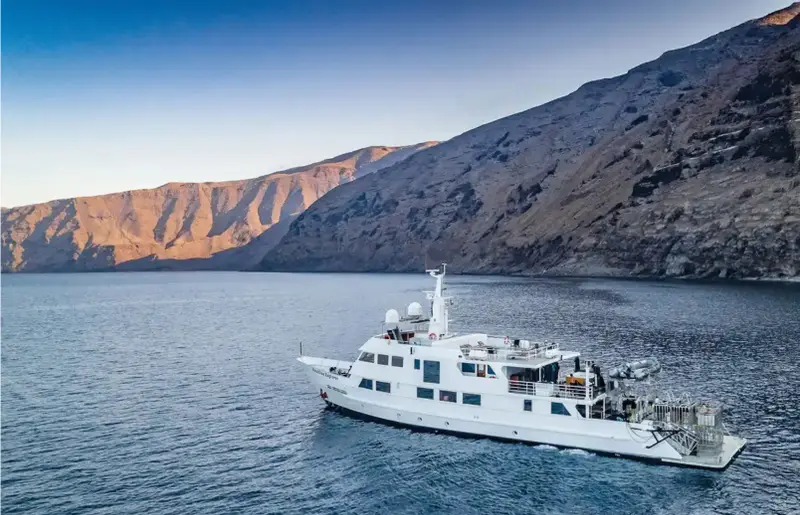
Nautilus Explorer
Mexico
25 guests45 m
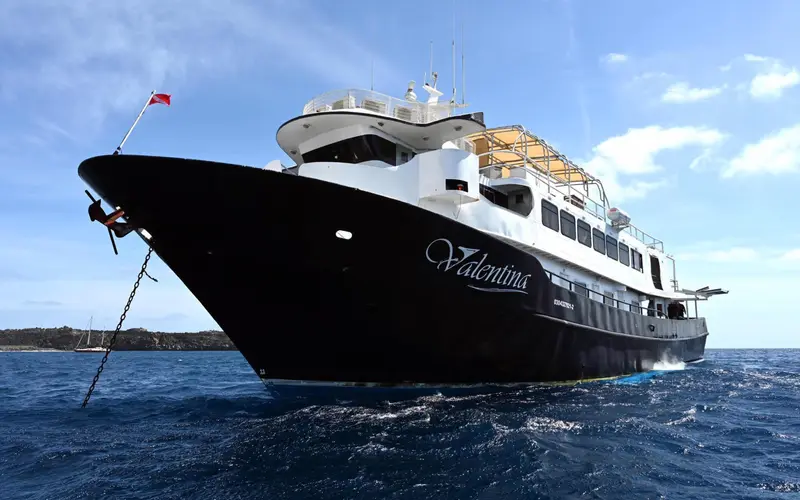
Valentina
Mexico
20 guests38 m
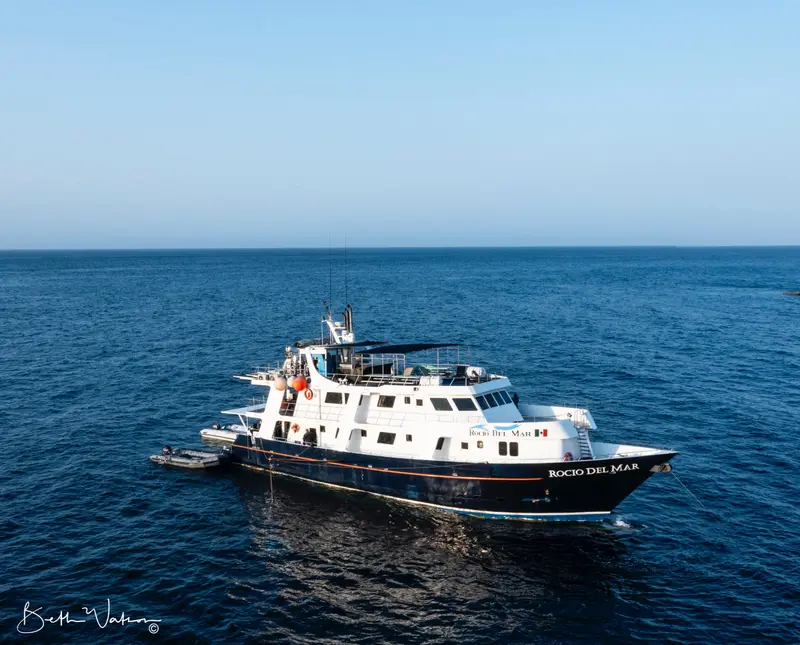
Rocio del Mar
Mexico
20 guests34 m
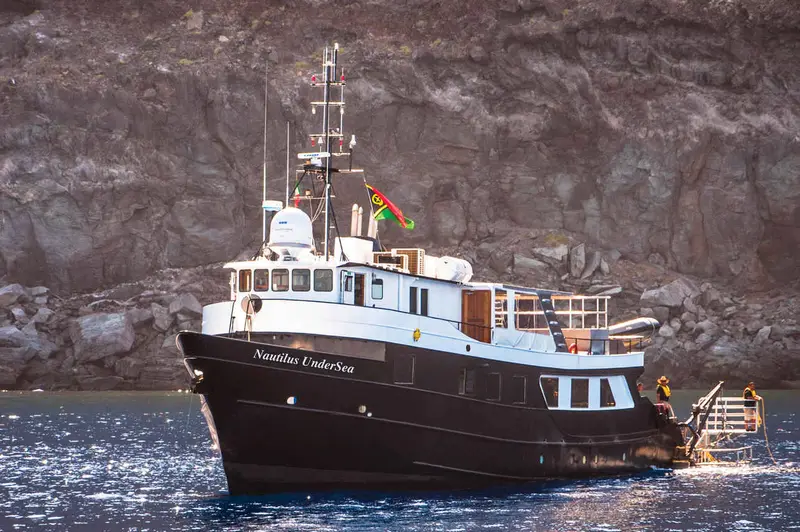
Nautilus Under Sea
Mexico
19 guests32 m
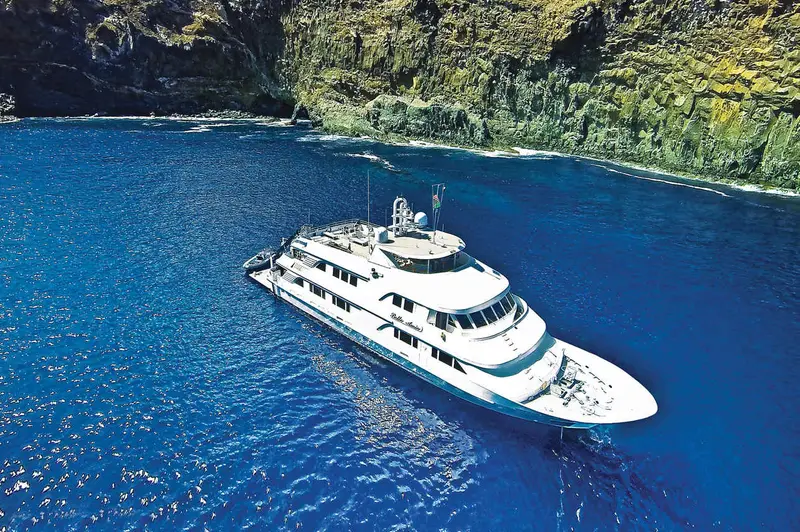
Nautilus Belle Amie
Mexico
32 guests45 m
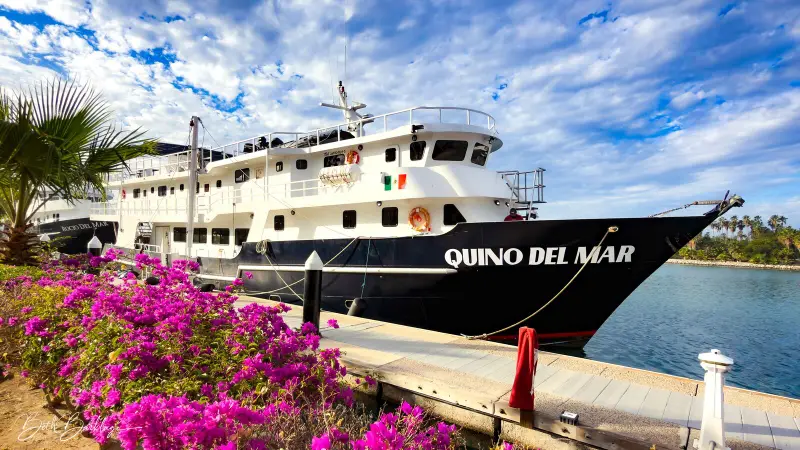
Quino del Mar
Mexico
20 guests36 m
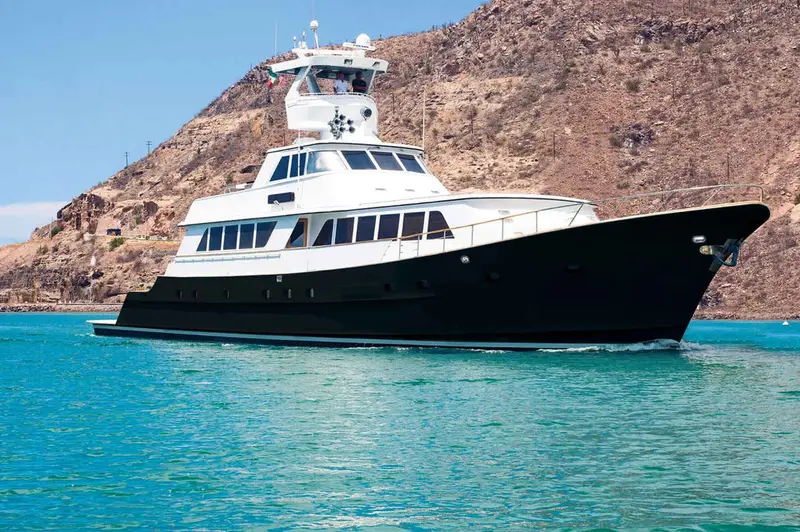
Nautilus Gallant Lady
Mexico
12 guests35 m
Dive sites similar to Bajo de la Ballena
Same character, same waters, six more sites divers love for the exact same reasons.Compare seasons, access and liveaboard routes, then pick the site that fits your trip best.
© EsriMaxar, Earthstar, GIS
Bajo del Diablo
Costa Rica
Bajo del Diablo, also known as Devil’s Pinnacle, is widely regarded as one of the premier dive sites within Costa Rica's Caño Island Biological Reserve.
- Suitable for
- Advanced
- Current
- Strong
- Access
- Liveaboard only
- Depth
- 10–20 m
- Theme
- Pinnacle
© EsriMaxar, Earthstar, GIS
Bajo Negro
Costa Rica
Bajo Negro, or Black Rock, is a captivating dive site located within the Bat Islands in Santa Rosa National Park, off Costa Rica's Pacific coast.
- Suitable for
- Advanced
- Current
- Strong
- Access
- Shore / dayboat
- Depth
- 20–30 m
- Theme
- Pinnacle / Seamount
© EsriMaxar, Earthstar, GIS
Black Rock
Costa Rica
Black Rock, also known as Bajo Negro, is a remote and challenging pinnacle dive site situated within the Bat Islands, part of Costa Rica's Santa Rosa National Park.
- Suitable for
- Advanced
- Current
- Strong
- Access
- Dayboat
- Depth
- 20–30 m
- Theme
- Reef / Pinnacle
© EsriMaxar, Earthstar, GIS
Darwin's Arch
Galápagos
Darwin's Arch, now marked by two columns after the arch's natural collapse in 2021, remains a legendary dive site in the northern Galápagos archipelago, about 1000km offshore.
- Suitable for
- Advanced
- Current
- Strong
- Access
- Liveaboard only
- Depth
- 13–28 m
- Theme
- Pinnacle / Wall
© EsriMaxar, Earthstar, GIS
Devil's Rock
Costa Rica
Devil's Rock is a prominent dive site located in Costa Rica's Caño Island Biological Reserve, positioned to the northwest as an extension of the larger Bajo del Diablo platform.
- Suitable for
- Advanced
- Current
- Strong
- Access
- Liveaboard or dayboat
- Depth
- 18–35 m
- Theme
- Reef / Pinnacle
© EsriMaxar, Earthstar, GIS
Dirty Rock
Costa Rica
Dirty Rock, an iconic dive site at Cocos Island, is primarily known as an exceptional location to encounter schooling hammerheads.
- Suitable for
- Advanced
- Current
- Strong
- Access
- Liveaboard only
- Depth
- 10–33 m
- Theme
- Cave & cavern / Pinnacle