About Bajo del Diablo
Bajo del Diablo, also known as Devil’s Pinnacle, is widely regarded as one of the premier dive sites within Costa Rica's Caño Island Biological Reserve. Situated just 10 miles (16 km) offshore from the Osa Peninsula, this reserve is a significant marine protected area. The site offers a versatile diving experience, with options for up to three distinct dives around its interesting rock topography and coral formations. It serves as a key location for understanding the region's rich biodiversity and is a must-visit for divers exploring Caño Island. Topographically, Bajo del Diablo features a shallow reef area that descends to greater depths, providing varied environments for marine life. Divers can explore different sections of the pinnacle, encountering healthy reefs and diverse coral formations. While some areas are shallower, 'Bajo Del Diablo Deep' extends beyond 20 meters, where pelagic encounters are more common. The site is home to a wide array of marine species, including large schools of tropical fish, barracuda, amberjacks, wahoo, octopus, and various rays like Pacific mantas and giant stingrays. White-tipped reef sharks are a common sight, and divers may also encounter bull sharks, whale sharks, and occasionally hammerheads. Sea turtles are frequently observed, and even marlin and dolphins make appearances. Whales, such as humpback, pilot, sei, and false killer whales, are regularly spotted in the surrounding waters, particularly during migration seasons. Bajo del Diablo is considered a more challenging dive due to potential strong currents and surge. Visibility averages between 49 and 66 feet (15 to 20 meters) but can vary. Water temperatures range from 75°F to 86°F (24°C to 30°C), though thermoclines bringing colder water (around 73°F or 23°C) can occur. The site is often included in liveaboard itineraries, offering multiple dives to fully explore its features. It is best suited for experienced divers due to the prevailing conditions.
Highlights
Devil's Pinnacle rock formationsHealthy reef ecosystemsWhite-tipped reef sharksManta ray encountersSchools of tropical fishBull and hammerhead sharks
Season calendar
Best months to dive here
Jan
Feb
Mar
Apr
May
Jun
Jul
Aug
Sep
Oct
Nov
Dec
Good
Dive site facts: Bajo del Diablo
- Depth
- 6–45 m
- Current
- Moderate to strong
- Visibility
- 15–30 m
- Water temperature
- 23–29°C
- Entry
- Boat
- Level
- Advanced recommended
- Dive type
- Pelagic, reef, pinnacles
- Region / port
- Caño Island, Osa Peninsula
- Coordinates
- 8.705, -83.885
Conditions & Currents
Currents at Bajo del Diablo can range from mild to strong, influenced by the site's exposure to oceanic conditions. Divers should be prepared for varying current strengths, as these play a significant role in attracting the large pelagic species that frequent the area. Entry and exit strategies often involve negative entries or careful timing with the boat to manage conditions effectively. While thermoclines are possible, especially during cooler water periods, overall water temperatures remain comfortable. Visibility is generally good, often exceeding 15 meters, but can fluctuate with plankton blooms, which, ironically, also bring in the larger marine life. Experience with currents is beneficial for maximizing the dive experience.
Marine life & sighting chances

Barracuda
common
Snapper
common
Oceanic Manta Ray
common
White-tipped Reef Shark
common
Pilot Whale
occasional
Hammerhead Shark
June to November · occasional
Whale Shark
June to November · occasional
Moray Eel
common
Octopus
occasional
Nurse Shark
occasionalDive profile & how the dive runs
Diving Bajo del Diablo often begins with a descent onto the main pinnacle or into one of its prominent channels, typically targeting a depth between 20-30 meters to maximize pelagic encounters. Divers navigate along the impressive rock formations, exploring walls and overhangs that provide shelter for smaller reef fish. The current usually dictates the direction of the dive, often becoming a drift along the site's contours, bringing divers past schools of barracuda and snapper. Turning the dive is typically determined by air consumption and no-decompression limits, allowing for a gradual ascent up the shallower parts of the pinnacle. Safety stops are conducted in the 5-meter range, often with excellent visibility, providing a final opportunity to observe the vibrant reef life before surfacing.
Underwater photography
Bajo del Diablo offers superb opportunities for both wide-angle and macro photography, thanks to its diverse topography and abundant marine life. For wide-angle shots, a fisheye or wide-angle lens is ideal to capture the grandeur of the volcanic pinnacles, expansive schools of fish, and large pelagics like manta rays and sharks. External strobes are highly recommended to bring out the true colors in the deeper sections and to properly illuminate large subjects against the blue water. For macro enthusiasts, there are plenty of crevices and ledges to explore for smaller creatures, though the site is primarily known for its big animal encounters. Maintaining excellent buoyancy is crucial to avoid stirring up sediment and to position yourself for the best shots, especially when currents are present. Always be respectful of marine life, giving them space and avoiding intrusive flash photography.
Combine with nearby dive sites
- Bajo del Diablo Deep
Known for larger pelagic species like blacktip and hammerhead sharks.
- Devil's Rock
An extension of Bajo del Diablo, rich in tropical fish, sharks, and rays.
- Manuelita
Offers a protected coral garden, great for macro photography and smaller reef life.
- Isla Tortuga Reef
Features wrecks and a healthy reef ecosystem.
- Chatham Bay
A calmer bay with diverse reef fish and opportunities for spotting turtles.
Getting there & logistics
To dive Bajo del Diablo, travelers typically fly into Juan Santamaría International Airport (SJO) near San José, Costa Rica. From there, transfers are arranged to coastal towns like Dominical or Drake Bay, which serve as departure points for day trips to Caño Island. Liveaboard options are also available, offering multi-day itineraries that include Caño Island and its surrounding dive sites. The journey to the dive site usually involves a boat ride of varying duration, often around an hour, from the mainland. Dive trips typically involve two-tank dives. While there might be park entrance fees for Caño Island, these are generally included in the tour package provided by dive operators. It is a good idea to confirm these details with your chosen dive center.
Safety & environment
Diving at Bajo del Diablo requires careful attention to safety protocols due to potential currents and deeper sections. It is advisable to dive with an experienced guide familiar with the site. Always ensure your dive insurance covers scuba diving activities, especially in remote locations, and understand the evacuation procedures. The nearest recompression chamber is located in San José, meaning evacuation in a medical emergency could take several hours. Divers should maintain excellent buoyancy control and stay aware of their depth and air consumption, particularly when navigating the pinnacle formations. Respect all marine life, avoid touching corals or animals, and adhere to local environmental regulations to protect this pristine marine reserve.
Who it suits — and who it doesn't
Suited for
- Experienced divers comfortable with currents
- Photographers (wide-angle and macro)
- Pelagic enthusiasts
- Divers seeking diverse marine ecosystems
- Liveaboard guests exploring Caño Island
Less suited for
- Beginner divers without current experience
- Divers prone to seasickness on boat transfers
- Those uninterested in large animal encounters
- Divers seeking only calm, shallow conditions
FAQ
Bajo del Diablo FAQ
What kind of marine life can I expect to see at Bajo del Diablo?
Bajo del Diablo is renowned for its abundant pelagic life. You can frequently encounter large schools of barracuda and snapper, oceanic manta rays, and white-tipped reef sharks. Occasional sightings include pilot whales, hammerhead sharks, and even whale sharks, especially during certain seasons.
Is Bajo del Diablo suitable for beginner divers?
Due to potentially strong currents and the varied depths reaching up to 45 meters, Bajo del Diablo is best suited for experienced divers. Divers with Advanced Open Water certification or proven experience with currents will have a more comfortable and enjoyable dive.
When is the best time of year to dive Bajo del Diablo?
You can dive Bajo del Diablo all year. However, the rainy season from June to November often brings more pelagic activity due to nutrient-rich waters. The dry season, from December to May, offers calmer seas and generally better visibility, though with slightly fewer large animal sightings.
How do I get to Bajo del Diablo?
Access to Bajo del Diablo is typically part of a dive trip to Caño Island. You'll usually fly into San José (SJO), then transfer to a coastal town like Dominical or Drake Bay. From there, dive operators arrange boat transfers to the dive site, which can take approximately an hour.
What are the typical dive conditions like?
Dive conditions can vary, but generally, visibility ranges from 15 to 30 meters, and water temperatures are between 23-29°C. Currents can be moderate to strong, making it an exciting drift dive at times. Briefing on current conditions before each dive is crucial.
Are there any specific photography tips for Bajo del Diablo?
For photography, bring a wide-angle lens to capture the impressive rock formations and schooling fish. External strobes are highly recommended for vibrant colors. For macro, explore crevices, but the site's strength lies in its wide-angle opportunities with pelagic encounters. Maintain good buoyancy to avoid disturbing the environment.
Why dive Bajo del Diablo from a liveaboard?
Bajo del Diablo is one of Costa Rica's signature dive sites. A liveaboard sleeps you on the water and puts you in the water for three to four guided dives per day, including dawn and night dives that day-boat operators rarely offer. You skip the daily commute back to port and reach quieter, less-crowded sites in the same region on a single trip.
Below are the liveaboards that include Bajo del Diablo on their Costa Rica itineraries.
Liveaboards diving Bajo del Diablo
These liveaboards may visit Bajo del Diablo on selected itineraries — the exact dive sites depend on departure, weather and conditions.
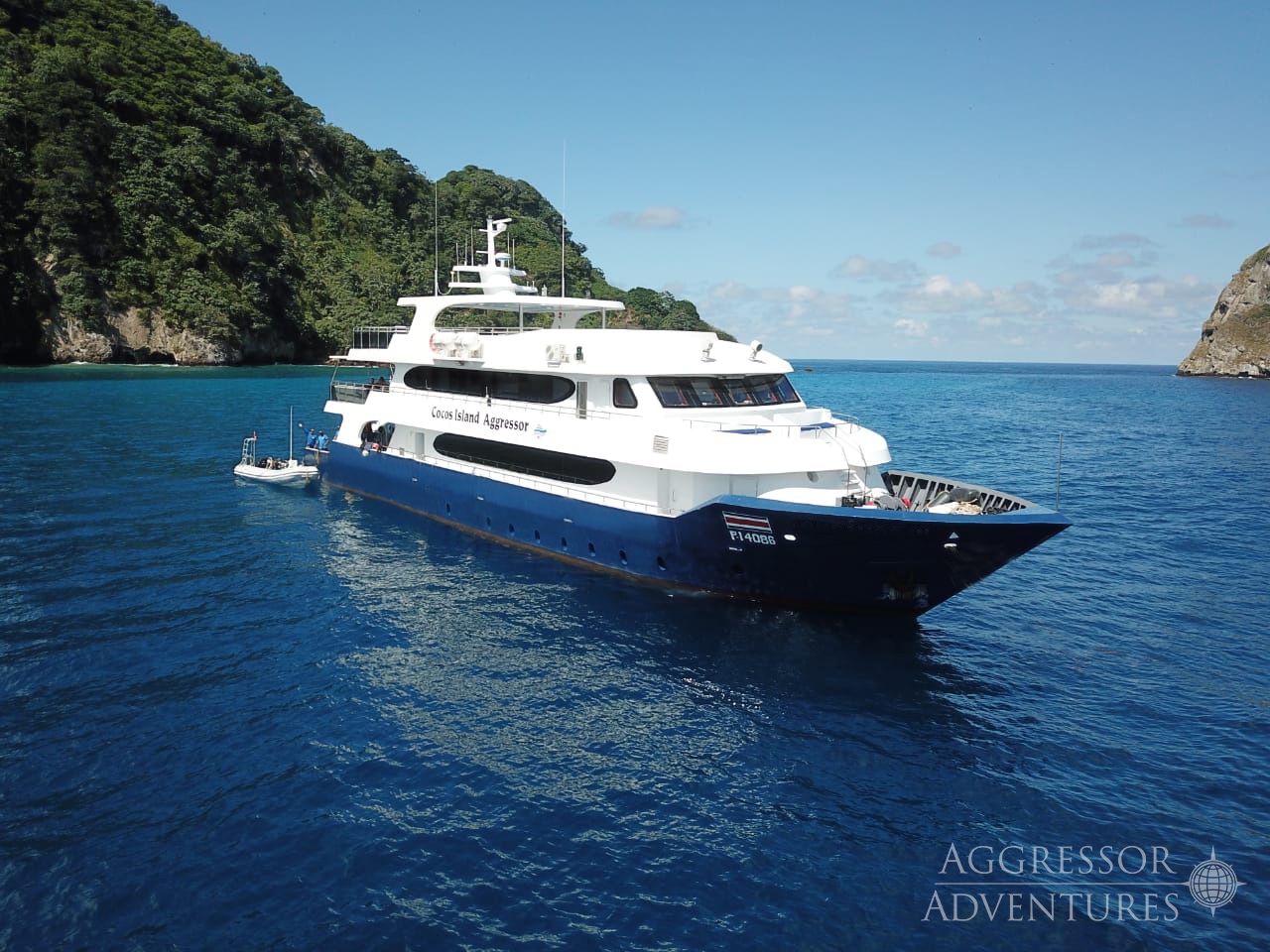
Cocos Aggressor
Costa Rica
22 guests37.8 m
$636/day
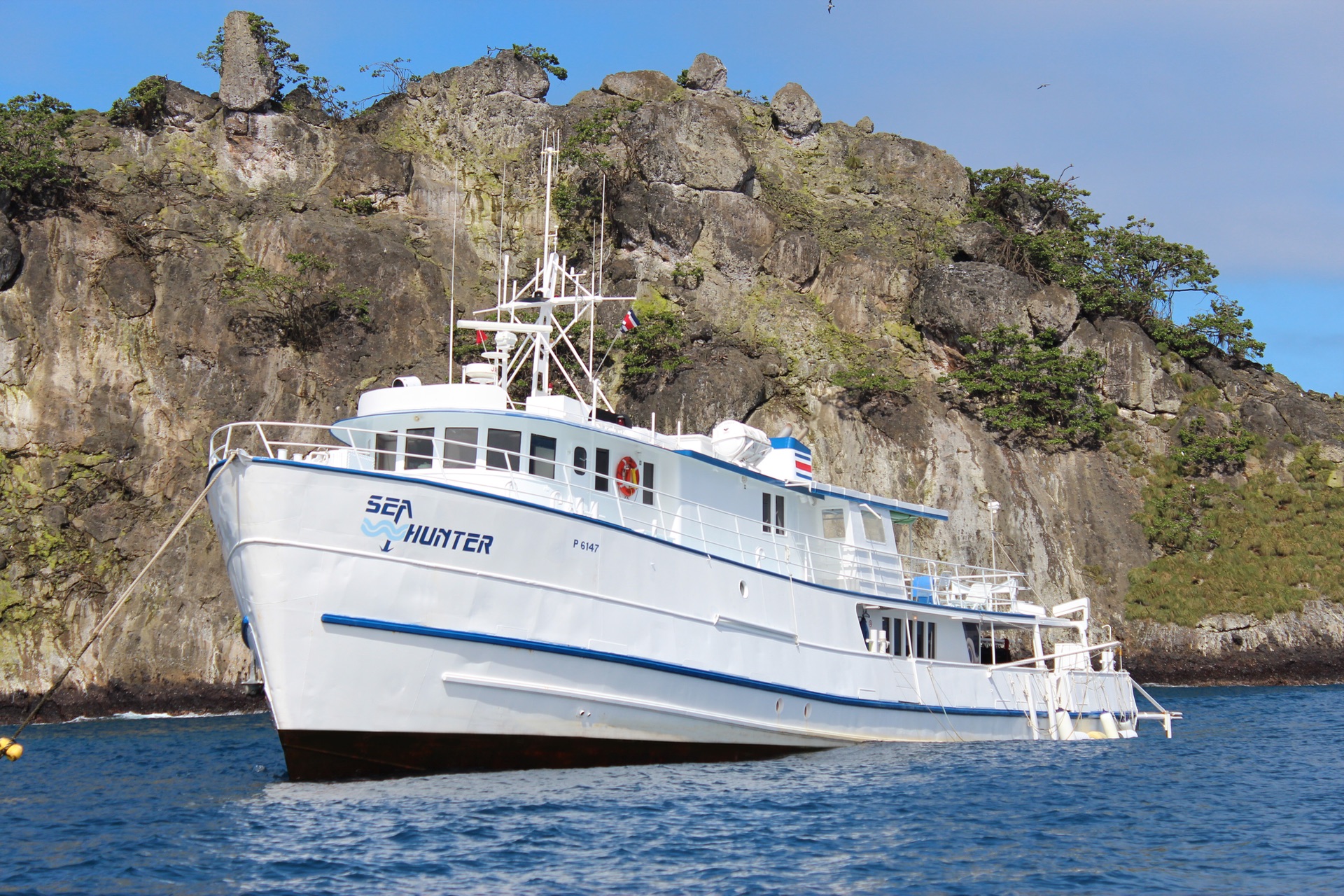
Sea Hunter
Costa Rica
20 guests
$690/day
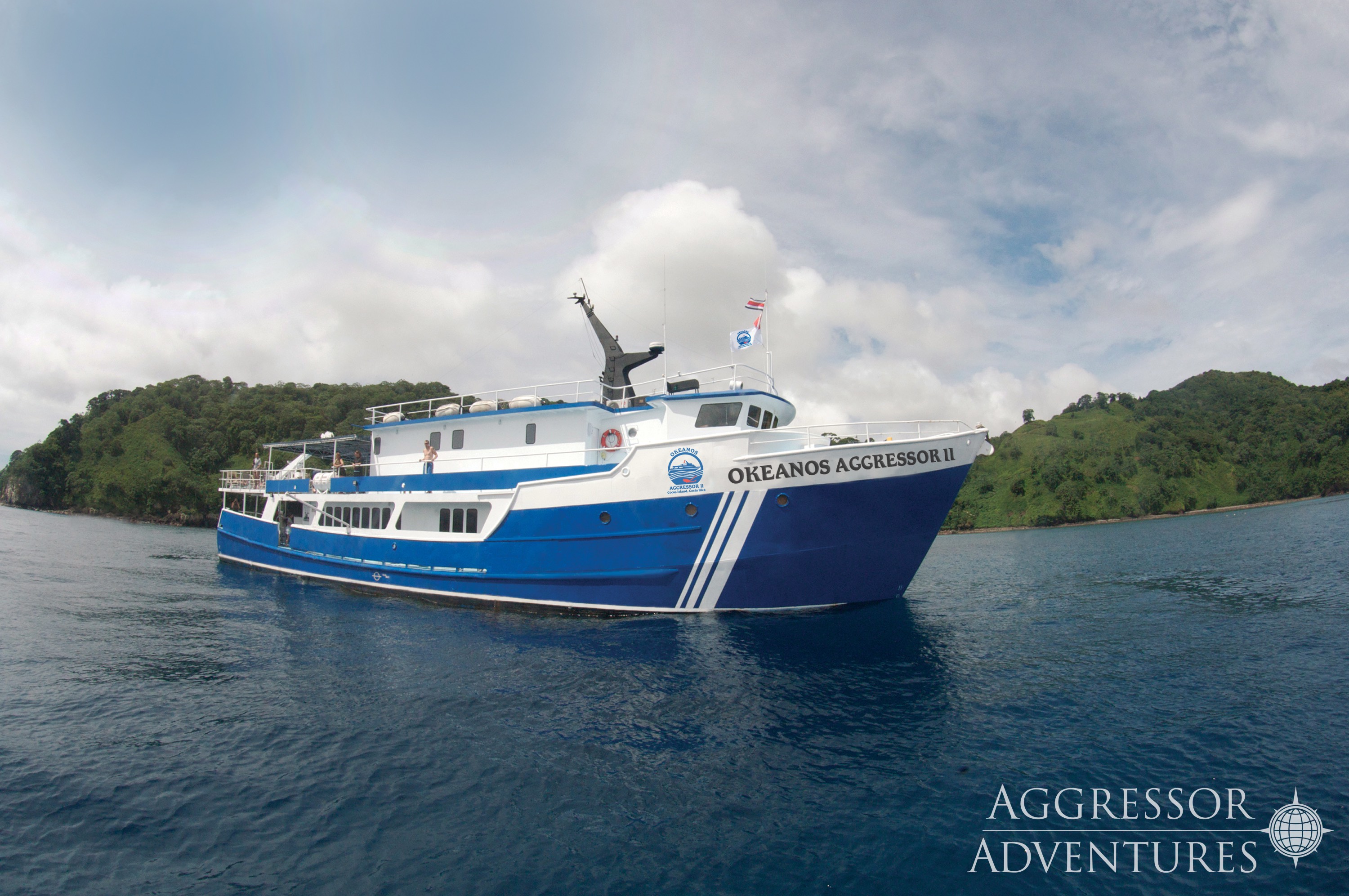
Okeanos Aggressor II
Costa Rica
24 guests36.6 m
$504/day
Dive sites similar to Bajo del Diablo
Same character, same waters — six more sites divers love for the exact same reasons.Compare seasons, access and liveaboard routes — then pick the site that fits your trip best.
© Esri — Maxar, Earthstar, GIS
Bajo Negro
Costa Rica
Bajo Negro, or Black Rock, is a captivating dive site located within the Bat Islands in Santa Rosa National Park, off Costa Rica's Pacific coast.
- Suitable for
- Advanced
- Current
- Strong
- Access
- Shore / dayboat
- Depth
- 20–30 m
- Theme
- Pinnacle / Seamount
© Esri — Maxar, Earthstar, GIS
Dos Sombreros
Costa Rica
Dos Sombreros is a renowned dive site located offshore from Playa Flamingo, forming part of the Catalina Islands chain in Costa Rica's North Pacific region.
- Suitable for
- Intermediate
- Current
- Moderate
- Access
- Dayboat
- Depth
- 12–25 m
- Theme
- Pinnacle
© Esri — Maxar, Earthstar, GIS
Submerged Rock
Costa Rica
Submerged Rock is a distinctive dive site located off Cocos Island, approximately 500 km (340 miles) west of mainland Costa Rica.
- Suitable for
- Advanced
- Current
- Strong
- Access
- Liveaboard only
- Depth
- 15–20 m
- Theme
- Pinnacle
© Esri — Maxar, Earthstar, GIS
Devil's Rock
Costa Rica
Devil's Rock is a prominent dive site located in Costa Rica's Caño Island Biological Reserve, positioned to the northwest as an extension of the larger Bajo del Diablo platform.
- Suitable for
- Advanced
- Current
- Strong
- Access
- Liveaboard or dayboat
- Depth
- 18–35 m
- Theme
- Reef / Pinnacle
© Esri — Maxar, Earthstar, GIS
Black Rock
Costa Rica
Black Rock, also known as Bajo Negro, is a remote and challenging pinnacle dive site situated within the Bat Islands, part of Costa Rica's Santa Rosa National Park.
- Suitable for
- Advanced
- Current
- Strong
- Access
- Dayboat
- Depth
- 20–30 m
- Theme
- Reef / Pinnacle