About Isla Tortuga Reef
Isla Tortuga Reef, located on Costa Rica's Pacific coast, offers an appealing dive experience for various skill levels. This area is known for lush coral reefs, and though specific details on Tortuga's topography are not provided, Pacific sites in Costa Rica generally feature dramatic underwater landscapes that attract vibrant marine life. Divers can expect to encounter diverse fish species, including large schools of jacks and tuna, alongside rays and sharks that frequent Costa Rican waters year-round. While Isla Tortuga isn’t Cocos Island, it benefits from the Pacific's pelagic action, making it a good spot for observing larger marine animals. The diving experience is generally accessible for different skill levels. The dry season, from December to April, brings calmer seas and excellent visibility, making it ideal for new divers or those seeking certification. Even during the green season (May to November), when occasional rain and choppier surface conditions occur, the underwater world remains active with pelagic species drawn by nutrient-rich swells. While some Pacific sites present strong currents and depths suitable for advanced divers, Isla Tortuga, not being in the far-off Cocos Island category, is more accessible. The region supports a continuous display of marine life. Whale sharks, humpback whales, and giant manta rays are sighted during the peak pelagic season from June to November. A variety of shark species, including tiger sharks and white-tips, are common, with hammerheads gathering at cleaning stations at certain sites. This makes Isla Tortuga Reef a promising location for rich marine encounters, benefiting from Costa Rica's commitment to ecotourism and conservation.
Highlights
ParrotfishAngelfishMoray EelsRays
Season calendar
Best months to dive here
Jan
Feb
Mar
Apr
May
Jun
Jul
Aug
Sep
Oct
Nov
Dec
Good
Dive site facts: Isla Tortuga Reef
- Depth
- 12–21 m
- Typical dive
- 19–21 m, 50–60 min (variable)
- Current
- Mild to moderate
- Visibility
- 6–30 m (average 15 m)
- Water temperature
- 23–30°C
- Entry
- Boat
- Level
- Open Water Diver
- Dive type
- Wreck, Pinnacle, Reef, Sandy bottom
- Region / port
- Guanacaste Province
- Coordinates
- 9.77, -84.91
Conditions & Currents
Currents at Isla Tortuga Reef are generally manageable, making it suitable for a range of divers, though conditions can vary. Visibility typically ranges from 6 to 30 meters, with an average of 15 meters, influenced by plankton levels that, while potentially reducing clarity, signify abundant marine life. Entry and exit are exclusively by boat, usually a quick 5-10 minute ride from shore. Divers should anticipate standard two-tank morning dives, with bottom times adjusted by divemasters to account for individual air consumption and dive profiles, ensuring a safe and enjoyable experience within the site's moderate depths.
Marine life & sighting chances

White-tip reef shark
common
Pufferfish
common
Moray eel
common
Octopus
occasional
Eagle ray
occasional
Turtle
occasional
Snapper
common
Barracuda
occasional
Giant manta ray
February · rare
Humpback whale
January, February · rareDive profile & how the dive runs
Diving at Isla Tortuga Reef typically begins with a descent down a mooring line to about 12 meters, where a large cement block shaped like a turtle marks the starting point. The dive then proceeds along a significant rock formation, which should be kept on your left, offering numerous crevices and overhangs to explore. Within minutes, especially when the water is warm, divers often encounter white-tip reef sharks resting on sandy patches. After observing the sharks, the route continues towards a shipwreck located at 19-21 meters. The divemaster will guide the progression, depending on air consumption, to fully explore the wreck and the surrounding area. The dive concludes with a return to the mooring line for a safety stop before ascent.
Underwater photography
Isla Tortuga Reef offers diverse photographic opportunities, from wide-angle shots of the shipwreck and large rock formations to capturing resting white-tip reef sharks. For marine life like pufferfish, moray eels, and octopus, a macro lens can be rewarding. Given the variable visibility, a strong external strobe will help cut through suspended particles and restore color at depth. Practicing excellent buoyancy control is crucial to avoid stirring up the sandy bottom, especially around the wreck and when approaching resting sharks, ensuring clear shots and minimizing disturbance to the environment. Always maintain a respectful distance from marine life, particularly the sharks, to capture natural behavior.
Combine with nearby dive sites
- Clasico
Clasico is a prominent dive site situated on the western side of Costa Rica's Catalina Islands, an archipelago formed by volcanic peaks.
- Dos Amigos
Big Dos Amigos is one of the premier dive sites located on the southern side of Cocos Island, approximately 342 miles off Costa Rica's…
- Brumel Shallow
Brumel Shallow, located just a short 20-minute boat journey from Flamingo Bay, offers a serene diving experience on Costa Rica's Pacific…
- La Punta
La Punta, part of the Catalina Islands archipelago in Costa Rica, offers an exhilarating dive experience for those seeking encounters with…
- Viking Rock
Viking Rock, situated off Cocos Island, provides a serene and captivating dive experience, often serving as a peaceful counterpoint to the…
Getting there & logistics
Access to Isla Tortuga Reef is primarily from coastal towns in Guanacaste Province, such as Playa Ocotal, Playa Hermosa, or Playas del Coco. The closest international airport is Daniel Oduber Quirós International Airport (LIR) in Liberia. Dive trips are typically organized as two-tank morning boat dives, with the site being a short 5-10 minute boat ride from Playa Ocotal. While specific park fees are not generally associated with this local site, dive operators will include any necessary costs in their trip packages. Day trips are standard, and the site is often combined with other local dives rather than extended liveaboard itineraries.
Safety & environment
Diving at Isla Tortuga Reef is generally considered safe for certified divers, with divemasters guiding excursions. The nearest recompression chamber is located in San José, necessitating a potentially lengthy evacuation in case of a serious dive emergency, typically involving boat transfer to shore followed by road transport. Comprehensive dive insurance, including coverage for medical emergencies and evacuation, is highly recommended. Divers must adhere to their dive computer limits, maintain adequate air supply (returning with at least 500 psi), and perform a safety stop at 5 meters for 3-5 minutes on every dive. Always follow your dive guide's instructions and maintain proper buoyancy to avoid disturbing the site.
Who it suits — and who it doesn't
Suited for
- Open Water certified divers
- Divers interested in wreck exploration
- Shark enthusiasts
- Underwater photographers
- Divers seeking diverse reef environments
Less suited for
- Absolute beginners (Discovery Dive only)
- Divers uncomfortable with potential currents
- Those seeking only large pelagic encounters
- Free divers (requires specific certification)
- Solo divers (not permitted)
FAQ
Isla Tortuga Reef FAQ
What kind of marine life can I expect to see at Isla Tortuga Reef?
Isla Tortuga Reef is well-known for frequent sightings of white-tip reef sharks, often found resting on the sandy bottom. You can also expect to encounter various schooling fish, moray eels, pufferfish, and occasionally octopus, eagle rays, and turtles. During specific seasons, there's a rare chance to spot larger pelagic visitors like giant manta rays or even hear humpback whales.
Is there a shipwreck at Isla Tortuga Reef?
Yes, Isla Tortuga Reef features an accessible shipwreck. It is located at a depth of approximately 19 to 21 meters, providing an interesting element to the dive profile. Exploring the wreck is a highlight for many divers, offering a glimpse into both artificial reef development and historical interest.
What is the typical depth and visibility at Isla Tortuga Reef?
The maximum depth at Isla Tortuga Reef reaches about 21 meters, with parts of the reef and channel being shallower, around 12 meters. Visibility can vary significantly, ranging from 6 to 30 meters, with an average of about 15 meters. Fluctuations are often due to plankton blooms, which, while sometimes reducing clarity, indicate a rich marine ecosystem.
What is the best time of year to dive Isla Tortuga Reef?
Diving is possible year-round at Isla Tortuga Reef, but the dry season from December to May generally offers calmer seas and good conditions. February is often highlighted for increased chances of seeing giant oceanic manta rays. While the rainy season from May to November can bring more plankton and variable visibility, it still offers rewarding dives.
What experience level is required for diving Isla Tortuga Reef?
Isla Tortuga Reef is suitable for Open Water certified divers due to its moderate depths and generally manageable currents. While it offers enough to keep advanced divers engaged, it doesn't typically present challenges that require highly specialized skills beyond standard certification. Experience with boat diving is beneficial as all entries are from a dive boat.
Why dive Isla Tortuga Reef from a liveaboard?
Isla Tortuga Reef is one of Costa Rica's signature dive sites. A liveaboard sleeps you on the water and puts you in the water for three to four guided dives per day, including dawn and night dives that day-boat operators rarely offer. You skip the daily commute back to port and reach quieter, less-crowded sites in the same region on a single trip.
Below are the liveaboards that include Isla Tortuga Reef on their Costa Rica itineraries.
Liveaboards diving Isla Tortuga Reef
These liveaboards may visit Isla Tortuga Reef on selected itineraries — the exact dive sites depend on departure, weather and conditions.
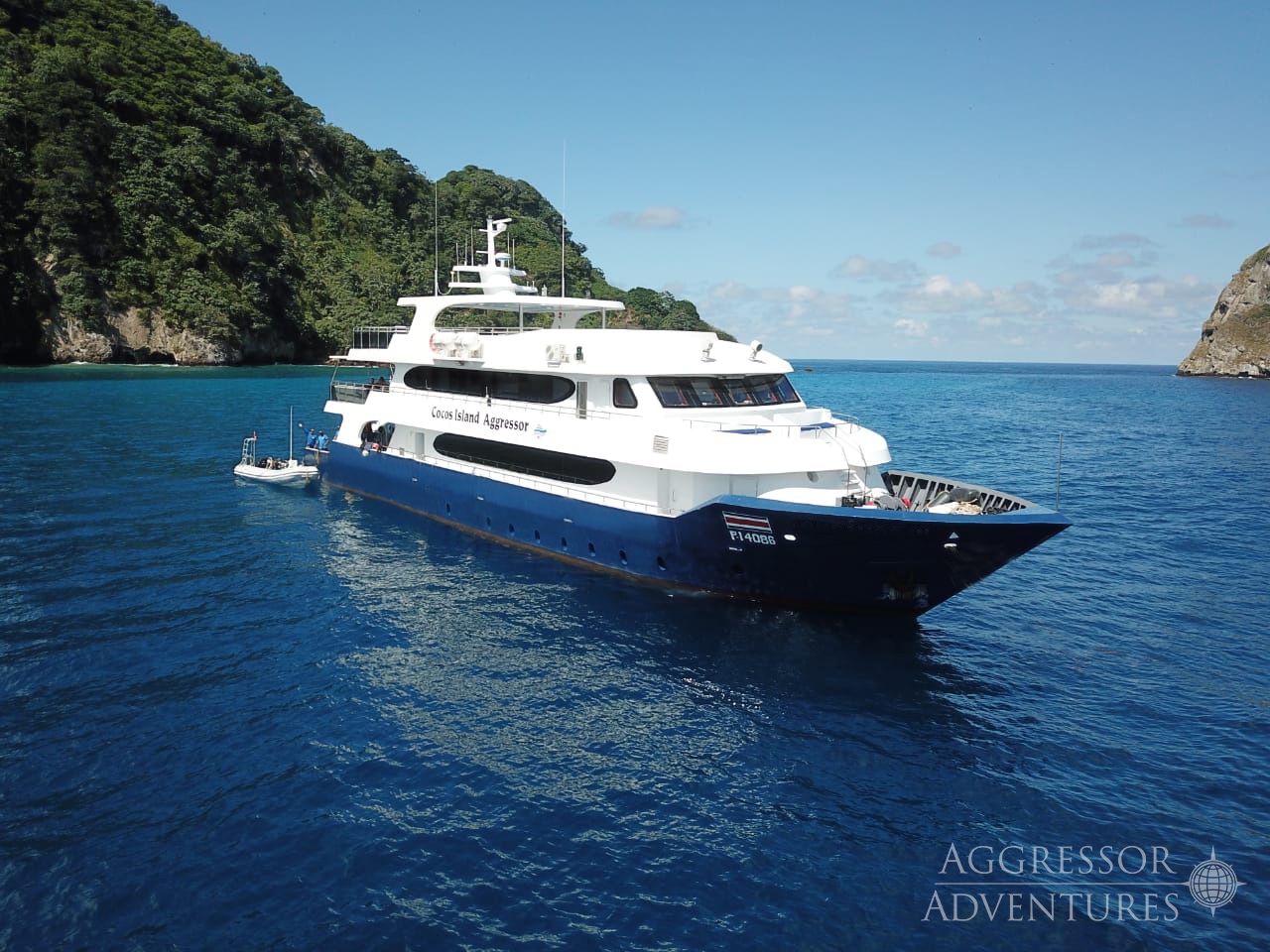
Cocos Aggressor
Costa Rica
22 guests37.8 m
$636/day
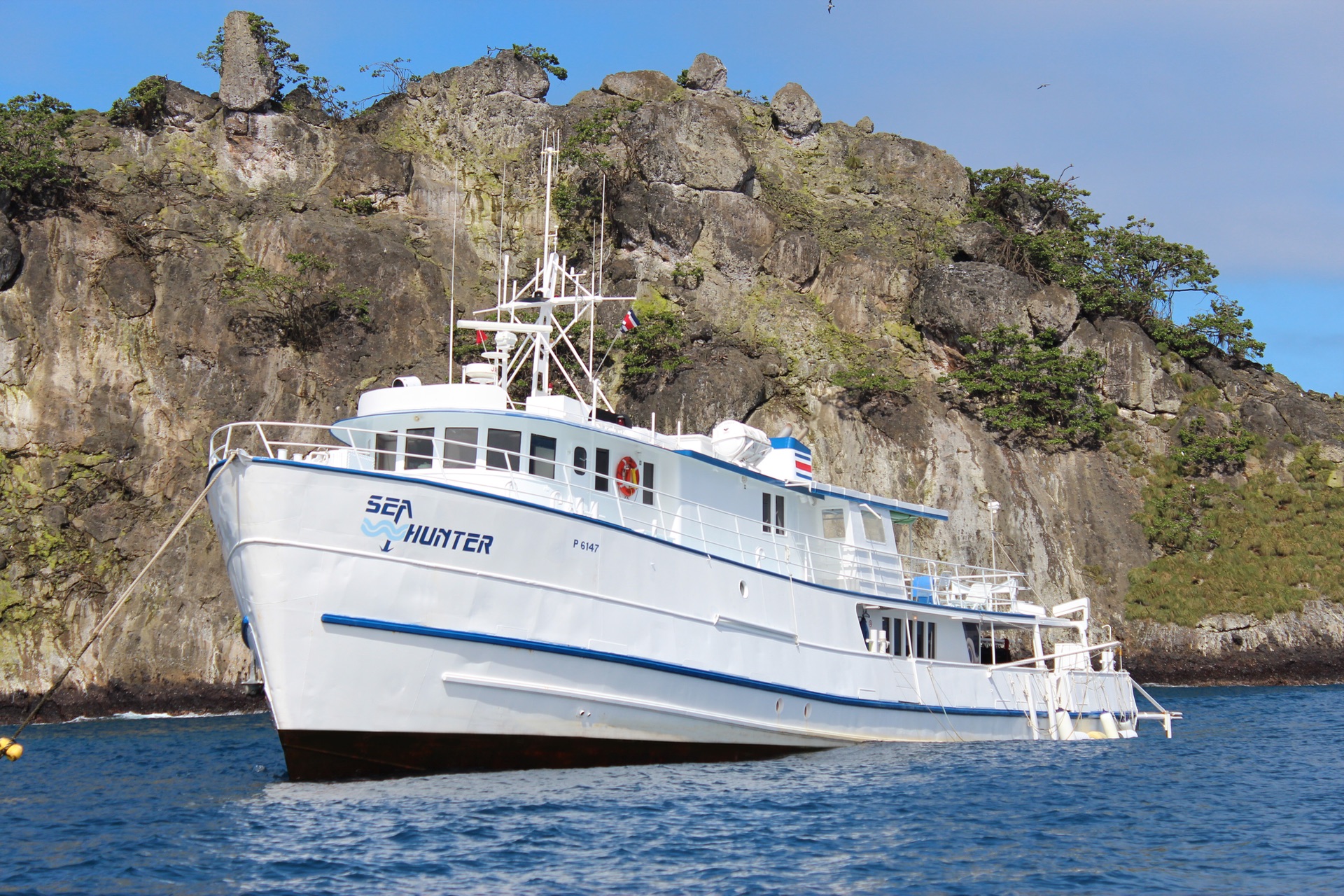
Sea Hunter
Costa Rica
20 guests
$690/day
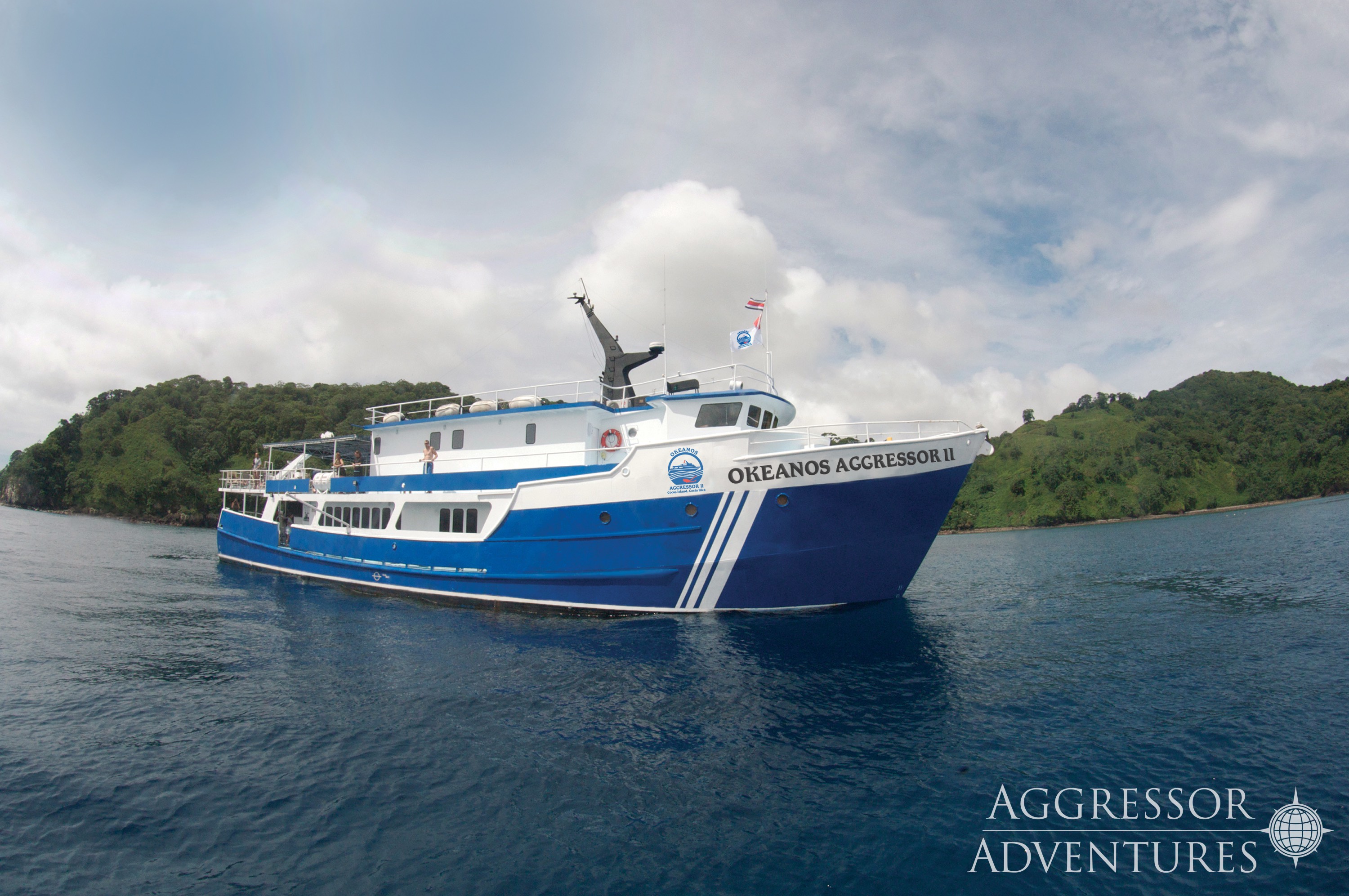
Okeanos Aggressor II
Costa Rica
24 guests36.6 m
$504/day
Dive sites similar to Isla Tortuga Reef
Same character, same waters — six more sites divers love for the exact same reasons.Compare seasons, access and liveaboard routes — then pick the site that fits your trip best.
© Esri — Maxar, Earthstar, GIS
Brumel Deep
Costa Rica
Brumel Deep, a prominent dive site just a 20-minute boat ride from Flamingo Marina, offers a protected environment, making it an excellent choice when stronger winds affect the main Catalina Islands.
- Suitable for
- Intermediate
- Current
- Mild
- Access
- Dayboat
- Depth
- ≤ 30 m
- Theme
- Reef
© Esri — Maxar, Earthstar, GIS
Los Sombreros
Costa Rica
Los Sombreros, named for its two small islets resembling Mexican hats, offers a boat dive experience in the Catalina Islands suitable for mixed-experience groups.
- Suitable for
- Intermediate
- Current
- Moderate
- Access
- Dayboat
- Depth
- 8–25 m
- Theme
- Reef / Drift
Elefante is a prominent dive site within the volcanic Catalinas Islands, located off Costa Rica's northern Pacific coast in Guanacaste.
- Suitable for
- Advanced
- Current
- Moderate
- Access
- Dayboat
- Depth
- 13–23 m
- Theme
- Reef
Arco Iris, or "Rainbow" in Spanish, is a prominent dive site located near Brumel Island (Penahuaste), approximately 8km north of Playa Potrero in Costa Rica.
- Suitable for
- Beginner
- Current
- Moderate
- Access
- Dayboat
- Depth
- 9–30 m
- Theme
- Reef
Virador is a highly regarded dive site located in the Gulf of Papagayo, off Costa Rica's Pacific coast.
- Suitable for
- Intermediate
- Current
- Moderate
- Access
- Dayboat
- Depth
- 8–30 m
- Theme
- Reef
© Esri — Maxar, Earthstar, GIS
Punta Gorda
Costa Rica
Punta Gorda, a prominent rocky outcrop in Costa Rica's Gulf of Papagayo, is celebrated as one of the area's most colorful and diverse dive sites.
- Suitable for
- Intermediate
- Current
- Moderate
- Access
- Dayboat
- Depth
- 10–21 m
- Theme
- Reef