About Viking Rock
Viking Rock, situated off Cocos Island, provides a serene and captivating dive experience, often serving as a peaceful counterpoint to the island's more current-swept sites. This site is celebrated for its thriving coral formations and diverse fish populations, offering a different facet of Cocos' rich marine ecosystem. Divers can explore sandy areas interspersed with impressive coral heads, creating a mosaic of habitats. The topography at Viking Rock features a gentle profile, allowing for relaxed exploration. Depths typically range within the recreational limits, making it accessible for a broader range of divers. The calmer conditions here often lead to excellent visibility, allowing for clear views of the vibrant underwater landscape. While Cocos Island is renowned for its large pelagics, Viking Rock specifically offers consistent sightings of smaller reef inhabitants alongside regular visits from whitetip reef sharks. Hammerhead sharks are also observed patrolling the sandy bottoms, adding an exciting pelagic element. The site's calmer nature makes it an ideal spot to appreciate the intricate details of the reef. Diving at Viking Rock usually occurs via tender from a liveaboard, with entries and exits generally straightforward due to the reduced current. It is frequently paired with nearby Pajara Island, offering a combined experience of both relaxed reef exploration and potential pelagic encounters. The site's protected nature ensures a comfortable dive, focusing on the abundant local marine life.
Highlights
Vibrant coral gardensRelaxed current conditionsResident whitetip reef sharksOccasional hammerhead sightingsAbundant reef fish schoolsClear visibility
Season calendar
Best months to dive here
Jan
Feb
Mar
Apr
May
Jun
Jul
Aug
Sep
Oct
Nov
Dec
Excellent
Good
Dive site facts: Viking Rock
- Depth
- 5–30 m
- Typical dive
- 18–30 m, 50–60 min
- Current
- Mild
- Visibility
- 15–30 m
- Water temperature
- 22–29 °C
- Entry
- Tender
- Level
- Open Water Diver, current experience helpful
- Dive type
- Reef, pelagic, observation
- Night dive
- Not permitted
- Region / port
- Cocos Island, Costa Rica
- Coordinates
- 5.56, -87.075
Conditions & Currents
Viking Rock typically experiences calmer conditions compared to other Cocos Island sites, making for a more relaxed dive. While generally mild, currents can occasionally be present, so tender entry is standard, allowing divers to be dropped directly onto the site or up-current. Dive briefings will account for any prevailing conditions to ensure a smooth experience.
Marine life & sighting chances

Whitetip reef shark
common
Scalloped hammerhead shark
occasional
Eagle ray
occasional
Snapper
common
Moray eel
common
Octopus
occasional
Lobster
common
Garden eel
occasional
Blue jack
common
Trumpetfish
occasional
Spotted ray
occasionalDive profile & how the dive runs
Dives at Viking Rock typically begin with a tender drop, often along the reef line or over sandy patches near the rock. You'll descend into clear waters, usually with minimal current, allowing for a relaxed exploration. The route often involves circumnavigating the main rock formation, staying between 5 and 30 meters to observe the vibrant coral and abundant reef fish. Expect to encounter resident whitetip reef sharks resting on the bottom or cruising along the reef. Hammerheads are occasionally seen patrolling the deeper sandy areas. The dive concludes with a gradual ascent, allowing for a safety stop in the shallower, protected areas of the site, where visibility is usually excellent.
Underwater photography
Viking Rock's clear waters and abundant marine life offer excellent photography opportunities for both wide-angle and macro enthusiasts. For wide-angle shots, a fisheye or wide rectilinear lens is ideal to capture the expansive coral formations and schooling fish, or the occasional hammerhead in its environment. When focusing on macro subjects, such as nudibranchs, gobies, or frogfish, a dedicated macro lens will yield stunning detail. Pay close attention to buoyancy to avoid disturbing the delicate reef. Utilize strobes to bring out the true colors of the coral and fish, especially in deeper sections or when shooting against the light. Given the site's relatively calm conditions, you'll have ample time to compose your shots without battling strong currents.
Combine with nearby dive sites
- Pajara Island
Often combined with Viking Rock for relaxed dives.
- Dirty Rock
A renowned site for schooling hammerheads and other pelagics, often with stronger currents.
- Manuelita Coral Garden
A protected site with abundant whitetip reef sharks and colorful reef fish.
- Small Dos Amigos
Known for cleaning stations for Galapagos and hammerhead sharks, often with surface currents.
Getting there & logistics
Access to Viking Rock is exclusively via liveaboard trips departing from Puntarenas, Costa Rica. Guests typically fly into San José (SJO), where transfers to Puntarenas are arranged. The boat journey to Cocos Island takes approximately 32-36 hours. Liveaboard itineraries usually span 10-11 days, including the transit days, with 3-4 dives daily at the island. A mandatory Cocos Island National Park fee of $490 per person, plus a chamber fee of $30, is payable locally. These trips are designed for experienced divers seeking remote pelagic encounters and involve multiple dives at various Cocos Island sites.
Safety & environment
Diving at Cocos Island, including Viking Rock, is considered remote, with the nearest hyperbaric chamber located 36 hours away in San José, Costa Rica. This necessitates stringent adherence to dive plans, maximum depths (typically 35 meters), and dive times (60 minutes). Dive insurance and travel insurance are mandatory. Liveaboards provide experienced dive guides and comprehensive safety briefings. Divers should be proficient in current management, even though Viking Rock is calmer, as conditions can change. Emergency evacuation from Cocos Island is complex and time-consuming, underscoring the importance of responsible diving practices and excellent physical fitness.
Who it suits — and who it doesn't
Suited for
- Experienced divers comfortable with remote locations
- Photographers seeking diverse marine life (macro and wide-angle)
- Divers interested in pelagic encounters and reef exploration
- Those looking for a balance of relaxed and active dives
- Divers with advanced certifications and current experience
Less suited for
- Beginner divers or those with limited experience
- Individuals prone to seasickness on long transits
- Divers who prefer shore-based diving
- Those unfamiliar with deep diving protocols
- Travelers seeking budget-friendly dive options
FAQ
Viking Rock FAQ
What kind of marine life can I expect at Viking Rock?
Viking Rock is known for its diverse marine life, offering a mix of reef and pelagic species. You'll frequently encounter whitetip reef sharks, schools of snapper and blue jacks, moray eels, and lobsters. Occasional sightings of hammerhead sharks, eagle rays, and spotted rays also occur, making each dive exciting.
Are there strong currents at Viking Rock?
Viking Rock is generally considered one of the calmer dive sites around Cocos Island, often experiencing mild currents. This makes it a more relaxed dive compared to some of the more exposed pelagic sites. However, as with any oceanic dive, conditions can vary, and divers should always be prepared for potential shifts in current.
What is the visibility like at Viking Rock?
Visibility at Viking Rock is typically excellent, often ranging between 15 to 30 meters (50 to 100 feet). The clear waters enhance the experience, allowing divers to fully appreciate the vibrant coral formations and observe marine life from a distance. Occasional thermoclines or plankton blooms can temporarily reduce visibility but are usually localized.
How do you access Viking Rock for diving?
Viking Rock is only accessible via liveaboard dive boats, as Cocos Island is a remote offshore destination. Dives are conducted using tenders (small boats) that transport divers from the main liveaboard vessel to the dive site. This tender-based diving allows for precise entry and exit at various points around the rock.
Is Viking Rock suitable for all diver levels?
While Viking Rock itself often has calmer conditions, Cocos Island diving in general is recommended for experienced divers. An Open Water Diver certification is typically the minimum, but Advanced Open Water with experience in currents is highly beneficial. The remote nature and potential for varying conditions across the island's sites make it less suitable for absolute beginners.
Why dive Viking Rock from a liveaboard?
Viking Rock is one of Costa Rica's signature dive sites. A liveaboard sleeps you on the water and puts you in the water for three to four guided dives per day, including dawn and night dives that day-boat operators rarely offer. You skip the daily commute back to port and reach quieter, less-crowded sites in the same region on a single trip.
Below are the liveaboards that include Viking Rock on their Costa Rica itineraries.
Liveaboards diving Viking Rock
These liveaboards may visit Viking Rock on selected itineraries — the exact dive sites depend on departure, weather and conditions.
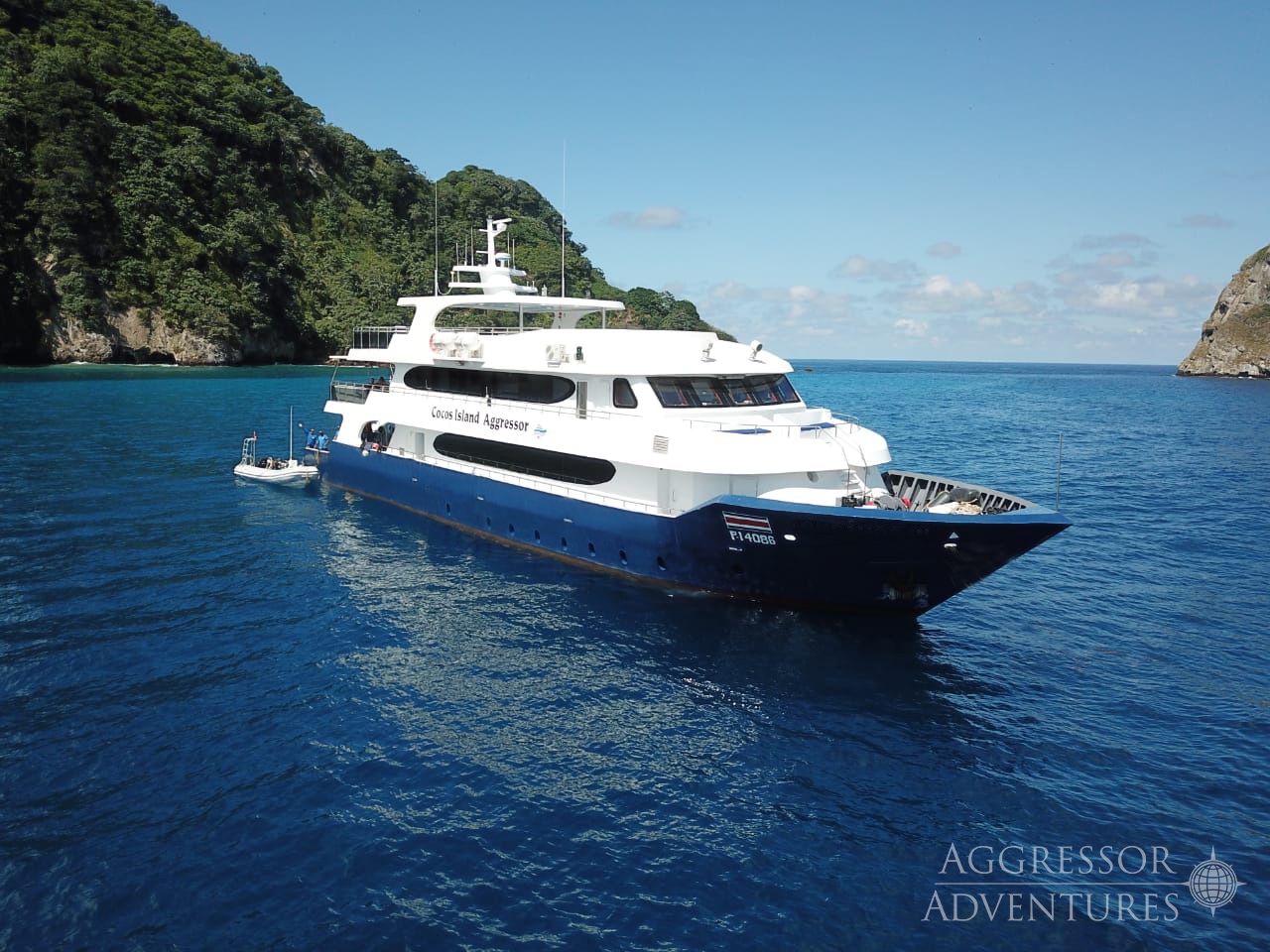
Cocos Aggressor
Costa Rica
22 guests37.8 m
$636/day
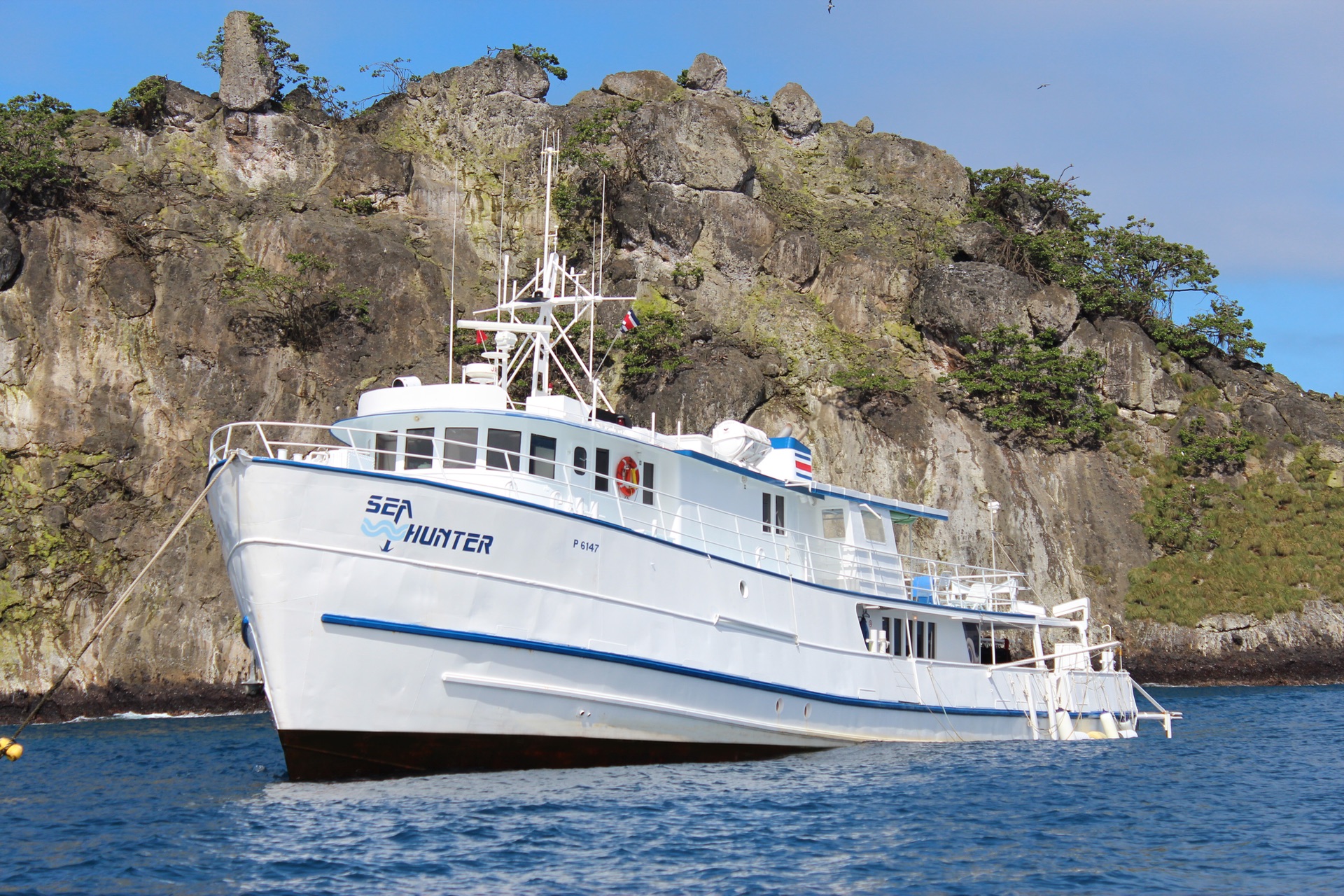
Sea Hunter
Costa Rica
20 guests
$690/day
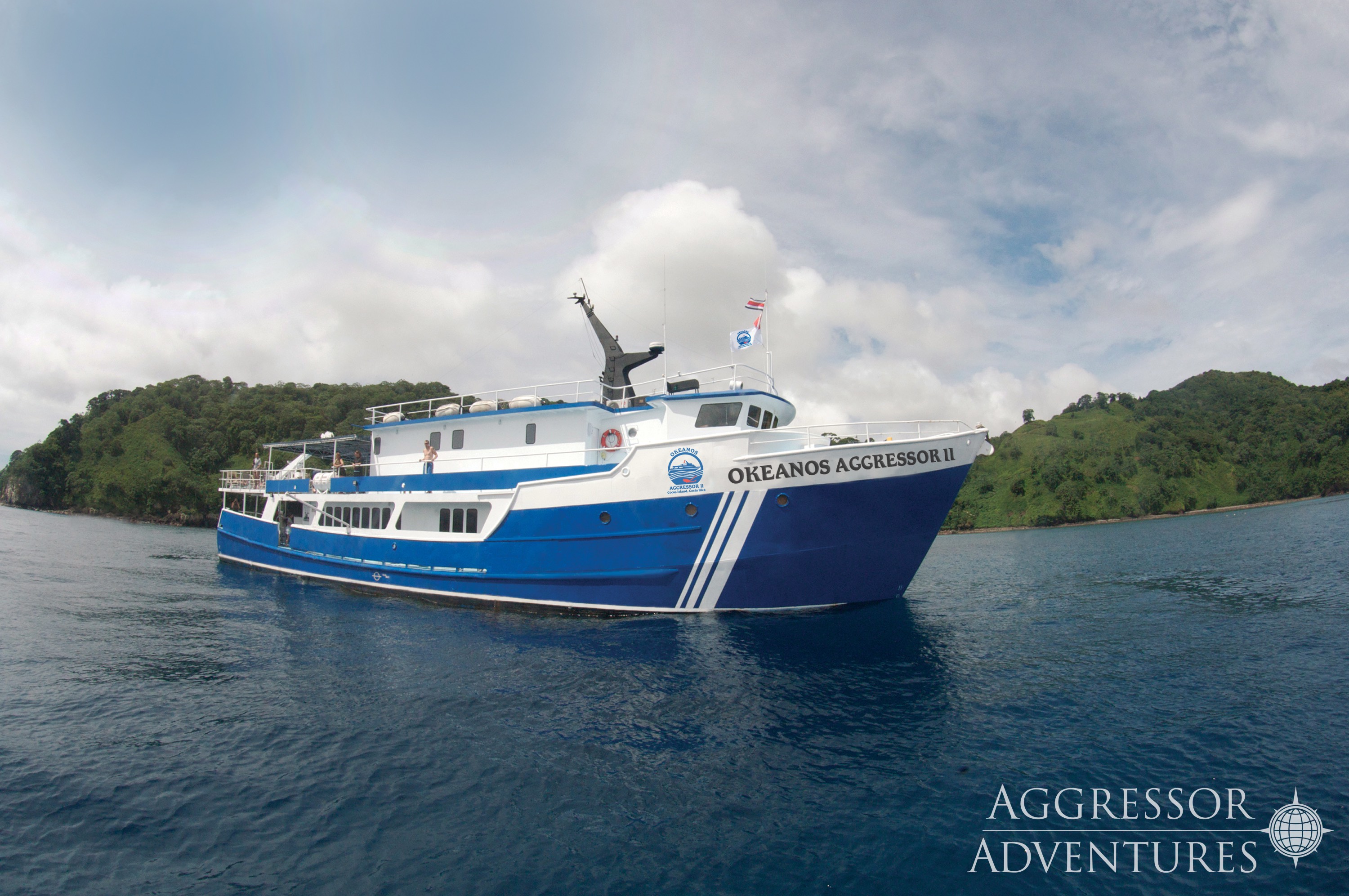
Okeanos Aggressor II
Costa Rica
24 guests36.6 m
$504/day
Dive sites similar to Viking Rock
Same character, same waters — six more sites divers love for the exact same reasons.Compare seasons, access and liveaboard routes — then pick the site that fits your trip best.
© Esri — Maxar, Earthstar, GIS
Bajo Negro
Costa Rica
Bajo Negro, or Black Rock, is a captivating dive site located within the Bat Islands in Santa Rosa National Park, off Costa Rica's Pacific coast.
- Suitable for
- Advanced
- Current
- Strong
- Access
- Shore / dayboat
- Depth
- 20–30 m
- Theme
- Pinnacle / Seamount
© Esri — Maxar, Earthstar, GIS
Dos Sombreros
Costa Rica
Dos Sombreros is a renowned dive site located offshore from Playa Flamingo, forming part of the Catalina Islands chain in Costa Rica's North Pacific region.
- Suitable for
- Intermediate
- Current
- Moderate
- Access
- Dayboat
- Depth
- 12–25 m
- Theme
- Pinnacle
© Esri — Maxar, Earthstar, GIS
Submerged Rock
Costa Rica
Submerged Rock is a distinctive dive site located off Cocos Island, approximately 500 km (340 miles) west of mainland Costa Rica.
- Suitable for
- Advanced
- Current
- Strong
- Access
- Liveaboard only
- Depth
- 15–20 m
- Theme
- Pinnacle
© Esri — Maxar, Earthstar, GIS
Devil's Rock
Costa Rica
Devil's Rock is a prominent dive site located in Costa Rica's Caño Island Biological Reserve, positioned to the northwest as an extension of the larger Bajo del Diablo platform.
- Suitable for
- Advanced
- Current
- Strong
- Access
- Liveaboard or dayboat
- Depth
- 18–35 m
- Theme
- Reef / Pinnacle
© Esri — Maxar, Earthstar, GIS
Black Rock
Costa Rica
Black Rock, also known as Bajo Negro, is a remote and challenging pinnacle dive site situated within the Bat Islands, part of Costa Rica's Santa Rosa National Park.
- Suitable for
- Advanced
- Current
- Strong
- Access
- Dayboat
- Depth
- 20–30 m
- Theme
- Reef / Pinnacle