Caribbean Spiny Lobster
Panulirus argus
About Caribbean Spiny Lobster
Caribbean spiny lobster
Quick Facts
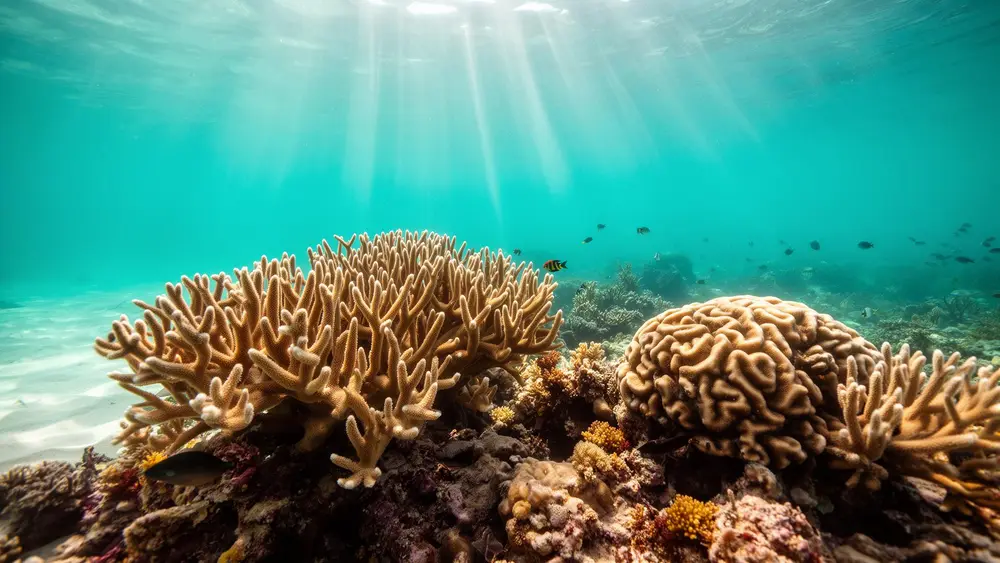
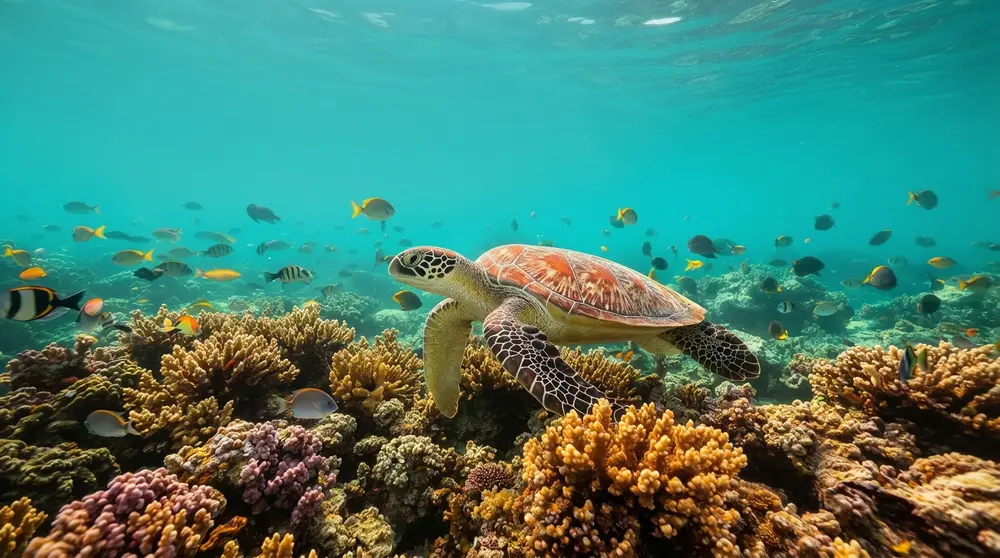
- Habitat: The Caribbean Spiny Lobster, *Panulirus argus*, is a ubiquitous inhabitant of **tropical and subtropical marine waters** of the western Atlantic Ocean, Caribbean Sea, and Gulf of Mexico. Divers can reliably encounter these fascinating invertebrates from Florida down through the **Caribbean islands**, including popular destinations like the **Florida Keys**, **Bahamas**, **Cuba**, **Cayman Islands**, and the **Yucatan Peninsula** of Mexico. They prefer complex benthic environments, typically residing in **crevices, ledges, and caves** of coral reefs, rocky outcrops, and sponge flats during daylight hours. Juvenile lobsters often seek shelter in the shallow, protective seagrass beds and mangrove roots, gradually moving to deeper reef structures as they mature. Their habitat selection emphasizes protection from predators, utilizing the intricate reef architecture for communal denning, particularly in large, dark, and well-hidden spaces. While primarily nocturnal foragers, they can occasionally be spotted venturing out during the day.
- Diet: Caribbean Spiny Lobsters are **omnivorous scavengers and nocturnal predators**, playing a crucial role in maintaining reef health through their feeding habits. Their diet consists primarily of a wide array of benthic invertebrates. They are known to consume **clams, snails, crabs, other crustaceans**, and even detritus. Using their powerful mandibles, they can crush the shells of their prey. Hunting primarily under the cover of darkness, they emerge from their shelters to forage on the reef and adjacent seagrass beds. Their keen chemosensory abilities, coupled with their long antennae, assist them in locating food sources in low light conditions. By consuming dead organic matter and smaller invertebrates, they contribute significantly to the **nutrient cycling** within their marine ecosystems, preventing the accumulation of decaying material and controlling populations of various bottom-dwelling creatures.
- Best season: Encounters with Caribbean Spiny Lobsters are possible **year-round** throughout their range, as they do not undergo significant seasonal migrations that would make them disappear from typical dive sites. However, specific behaviors and activity levels can vary by season. During the **warmer months**, typically from **late spring through fall** (May to October), water temperatures encourage higher levels of activity, making them potentially more visible. In the **Florida Keys and Bahamas**, populations are particularly robust during these months. Their reproductive season, which spans from spring to late summer, may lead to increased sightings of individuals, as they become more active in seeking mates. While they are primarily nocturnal, divers exploring **crevices and under ledges** during daylight hours will consistently find them. Night dives, however, offer the best opportunities to observe them actively foraging, especially during the **summer and early autumn** when the water is calm and clear, making night diving conditions ideal across most of the Caribbean.
Fun Facts
They can walk over 200 km during mass migrations,Spiny lobsters communicate by rubbing their antennae against their shells,They navigate using Earth's magnetic field,Their larvae drift in ocean currents for 6-12 months before settling
Diving Tips
When diving for Caribbean Spiny Lobsters, remember they are **shy and non-aggressive**. Maintain a **respectful distance** and avoid sudden movements, as this can cause them to retreat further into their dens. To spot them, focus your attention on **dark crevices, under ledges, and within coral heads** during daytime dives. Look for their distinctive long, spiny antennae protruding from hidden spots – often the antennae are the first clue to their presence. If you observe them at night, use a **red filter on your dive light** to minimize disturbance, as white light can startle them. Never attempt to touch, grab, or harass these creatures; not only is it stressful for the animal, but their sharp spines can cause painful punctures. Divers should be aware of and **strictly adhere to local regulations** regarding lobster harvesting, including specific **open and closed seasons**, size limits, and gear restrictions (e.g., tickle sticks and nets are common for legal harvesting, but never spear). In many popular dive destinations, marine protected areas prohibit any form of collection. Always confirm the **local laws** before entering the water, as violations can lead to significant penalties. Responsible diving ensures these fascinating invertebrates continue to thrive for future generations to enjoy.