Turkey Liveaboard Diving

Liveaboards in Turkey

from $157 / day

1 of 1 · Turkey liveaboard routes, seasons & prices

Okyanus JD

Discover Turkey's underwater treasures aboard a charming traditional gulet.

  • En-Suite bathrooms
  • Aircon Cabins
  • Warm Water Showers

4.8(52 reviews)

12 guestsfrom $157/day

Diving in the Mediterranean: wrecks, walls and loggerhead turtles

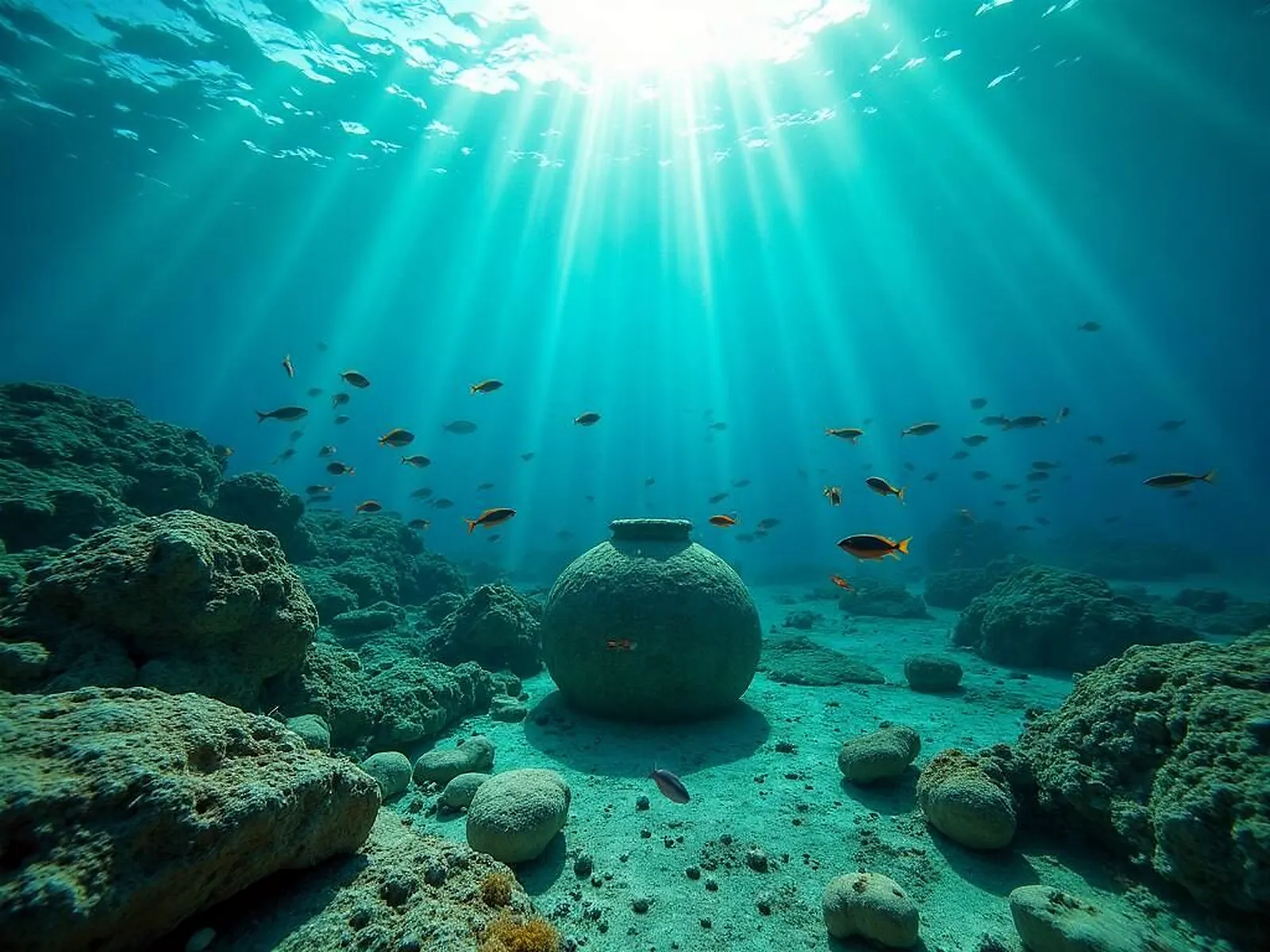
Where other destinations offer reefs, Turkey presents a submerged timeline of civilization. A Turkey liveaboard along the Aegean and Mediterranean coasts is a journey through history, with an underwater landscape showcasing ancient amphorae fields, sunken city ruins, and wrecks from the Bronze Age to WWII. This fusion of clear water and tangible history defines the compelling experience of diving in this region.

The heart of the action is the Turquoise Coast, with Kaş reigning as the country's diving hub. Here you'll find some of the best dive sites Turkey has to offer, from dramatic canyons to famous wrecks like the C-47 Dakota aircraft. The Bodrum peninsula provides its own collection of vibrant sites. Encounters with large dusky groupers, schools of barracuda, and loggerhead turtles are common, with moray eels and octopus frequently spotted in the rocky reefs.

The prime season for Turkey diving runs from May through October. Water temperatures climb from 20°C (68°F) in spring to a peak of 28°C (82°F) in August, with visibility often exceeding 30 meters. These calm, clear conditions are ideal for exploring historical wrecks and appreciating the Mediterranean's unique marine ecosystems.

This destination is perfectly suited for divers of all levels, but it holds a particular allure for those with a passion for history, underwater photography, and wreck exploration. For divers seeking a trip that combines exceptional underwater exploration with a deep sense of culture and discovery, a Turkey liveaboard is an unparalleled choice, offering the most efficient and immersive way to experience it all.

Why dive a liveaboard in Turkey

From legendary wrecks and thriving reefs to close-up encounters with iconic marine life, this destination offers the experiences divers dream about. Warm, clear waters and well-organized liveaboard routes make it easy to explore the best sites. These are the highlights that keep divers coming back year after year.

Sunken ancient cities

Lycian ruins beneath the Mediterranean

Crystal clear waters

Mediterranean visibility up to 40m

Historic wrecks

WWII planes, ships, and ancient vessels

Incredible value

World-class diving at budget-friendly prices

Who a liveaboard in the Mediterranean suits — and who it doesn't

Mediterranean diving with archaeology: cool, clear water, wrecks and sunken structures along the Turquoise Coast.

Beginners

Open Water, from about 20 dives

Sheltered bays around Kaş, Bodrum and Fethiye have shallow reef and easy entries in water around 17 to 26 °C depending on season.

Matching areas:KaşBodrumFethiye

Advanced divers

Advanced, wrecks and walls

The Uluburun and Kaş canyon walls plus scuttled ships such as the Uluburun III and the DC-3 aircraft near Kaş sit around 20 to 30 metres.

Matching areas:Kaş canyonsDC-3 wreckUluburun III

Deep and technical

Deep, Nitrox, Trimix

Kaş is Turkey’s technical hub: walls drop past 60 metres and deeper wrecks in the Aegean and around Çanakkale, including Gallipoli-era hulls, are dived by trained teams.

Matching areas:KaşGallipoli wrecksSağın Island

Photo and video

Wide-angle: structure and clear blue

Amphora fields, canyon light and wreck outlines in typical Mediterranean visibility of 20 to 30 metres.

Matching areas:KaşGallipoliBodrum

Best time to dive in Turkey

The main diving season in Turkey runs from May to October, offering calm seas and excellent visibility that often exceeds 30 meters. Water temperatures are coolest in the shoulder months of May and October, starting around 20°C, but these periods offer fewer crowds. Conditions peak from June to September, with warm water reaching up to 28°C, making it the most comfortable and popular time to explore the region's historical underwater sites.

👆 Click any month for detailed conditions
Excellent
Good
Off-Season

Jun – Sep (Peak)

Warmest Mediterranean waters up to 27°C, visibility up to 40m, calmest seas. Perfect for all dive types.

May & Oct (Shoulder)

Pleasant conditions, fewer crowds. Water 20-22°C. Good visibility. Best value for money.

Nov – Apr (Winter)

Cold water (15-17°C), reduced visibility, rougher seas. Most dive centers close seasonally.

Underwater visibility

42m
(138ft)
28m
(90ft)
13m
(43ft)
Jan
Feb
Mar
Apr
May
Jun
Jul
Aug
Sep
Oct
Nov
Dec

Air & water temperature

36°C 23°C 10°C
16°
12°
15°
13°
16°
16°
17°
20°
20°
25°
23°
30°
26°
34°
27°
34°
25°
30°
22°
24°
19°
18°
17°
14°
Jan
Feb
Mar
Apr
May
Jun
Jul
Aug
Sep
Oct
Nov
Dec
Water
Air (Day)

Recommended wetsuit

7mm
7mm
7mm
7mm
5mm
5mm
5mm
3mm
5mm
5mm
7mm
7mm
Jan
Feb
Mar
Apr
May
Jun
Jul
Aug
Sep
Oct
Nov
Dec
3mm (warm)
5mm (moderate)
7mm (cold)
Wetsuit Guide

What you'll see diving in the Mediterranean

While Turkey is celebrated for its wrecks, its Mediterranean waters host a resilient marine ecosystem. Divers can commonly encounter large dusky groupers, schools of barracuda, loggerhead turtles, and moray eels in the rocky reefs around Kaş and Bodrum. The summer months from May to September are the best time for spotting the endangered Mediterranean monk seal, a rare but rewarding sight in the protected coves along the coast.

When to See What

Use this calendar as a guide: the highlighted months show when your chances are usually best. Wildlife follows its own rhythm, so sightings are never guaranteed — but we hope this makes planning a little easier. The summer months bring the most significant marine life encounters to the Turkish coast. Loggerhead turtles and the rare Mediterranean monk seal are most frequently seen from May through September, while large dusky groupers and schools of barracuda are most active from June to September.

Species
Jan
Feb
Mar
Apr
May
Jun
Jul
Aug
Sep
Oct
Nov
Dec
Loggerhead Turtle
Loggerhead Turtle
Dusky Grouper
Dusky Grouper
Bottlenose Dolphin
Bottlenose Dolphin
Mediterranean Monk Seal
Eagle Ray
Eagle Ray
Spiny Dogfish
Spiny Dogfish
Salema
Salema
Sandbar Shark
Sandbar Shark
Sardine
Sardine
Sea Hare
Sea Hare
Sea Slug
Sea Slug
Skate
Skate
Blackbelly Rosefish
Blackbelly Rosefish
Coris
Coris
Giant Limpet
Giant Limpet
Peak Season
Present
Rare/Absent

Kaş Canyon and Kekova: the best dive sites in Turkey

Turkey's most iconic dive sites are spread along the Aegean and Mediterranean coasts, making a liveaboard the ideal way to explore them. Near Kaş, divers can explore dramatic topography at the Canyon Dive site, which also features the Dimitris shipwreck, and descend on historic aircraft like the C-47 Dakota. Further afield, expedition trips reach the historic WWI shipwrecks of Gallipoli, and boats offer access to the unique protected ruins of the Sunken City of Kekova.

1

Adabanko Reef

ReefBeginner
540m / 16131ftBest: The optimal time for diving Adabanko R…37.8600°, 27.2401°

Adabanko Reef is an inviting dive site situated approximately two kilometers off the coast of Kuşadası in Turkey's Aegean Sea. Known for its beginner-friendly conditions and warm, clear waters, it provides an excellent introduction to the region's underwater environment. The reef begins at a shallow depth of around 5-6 meters, gradually sloping to an edge that drops to approximately 15 meters, with deeper sections extending to about 40 meters. Its topography includes rocky formations, caves, and patches of sand, creating diverse habitats. Notably, below the reef's edge, divers can discover an old wreck, ancient pottery, and a large anchor block, adding an archaeological dimension to the dive. This site teems with Mediterranean marine life, including various wrasse, sea bream, and damselfish frequently observed in the shallower areas. Moray eels, octopus, and conger eels often inhabit the rocky crevices, while barracuda are also commonly sighted. The presence of sea fans and colorful sponges further enhances the reef's visual appeal. Adabanko Reef is exclusively a boat-access dive, typically reached within 20 minutes from Kuşadası. Its generally calm conditions and good visibility make it suitable for divers of all experience levels seeking a relaxed reef exploration. However, divers should remain aware of potential pleasure boat traffic, especially when planning their route and ascents.

Beginner-friendly Aegean divingShallow reef to 40m drop-offWreck, pottery, anchor blockMoray eels and octopusBarracuda sightingsKuşadası boat accessCaves and rocky formations
2

Besmi Island

Advanced
460m / 13197ftBest: March–November, June–July36.6435°, 29.1014°

Besmi Island, also known as Besmi Adası, is a challenging yet rewarding dive site located off Turkey's southwestern coast near Fethiye and southwest of Kaş. This rocky sentinel is renowned for its captivating underwater terrain, which features imposing rock formations plunging steeply into blue depths, creating a labyrinth of swim-throughs, overhangs, and narrow passages around the island's perimeter. The rocky substrate provides excellent attachment points for gorgonian fans and other colorful sponges, while sandy channels offer brief resting spots. The strong currents at Besmi Island are its defining characteristic, particularly in the channel between the island and the mainland, which funnels water and creates upwellings. This constant flow supports a vibrant food chain, attracting pelagic species like amberjack, barracuda, and occasionally Atlantic bluefin tuna during their Mediterranean migrations. The reef community boasts moray eels, octopus, nudibranchs, and significant grouper, alongside turtles and stingrays. Adding to its allure, the north side of Besmi Island hosts a historical shipwreck, believed to be from the 9th or 10th century, lying at depths around 40 meters. This ancient vessel, possibly carrying olive oil and legumes, left behind a scatter of 2,000-year-old amphorae and pithoi distributed across depths between 30 and 60 meters. Diving at Besmi Island typically involves a boat entry, with descents often starting on the more protected side before rounding into stronger currents. Dive profiles are often drift-style, utilizing the current to explore extensive sections of wall, with multilevel diving easily achievable thanks to varying depths. This site demands advanced diving skills due to its currents and depth, but rewards divers with a unique blend of natural beauty, rich marine life, and historical artifacts.

Dramatic rock formationsAncient shipwreck artifactsStrong current drift divesAbundant pelagic lifeCascading reefsColorful gorgonian fansLabyrinthine swim-throughs
3

Domuz Island

Beginner
515m / 1649ftBest: April–November, June–September36.5430°, 29.0856°

Domuz Island, also known as Pig Island, is a celebrated dive destination nestled within the Göcek archipelago, part of Fethiye Bay. This site is renowned for its abundant marine life and calm, clear conditions, making it an excellent spot for divers across all experience levels. The surrounding waters provide a peaceful environment to observe Mediterranean coral formations and a variety of fish species. The topography beneath the surface offers gentle slopes and shallow areas, contributing to its accessibility. The calm conditions, particularly in the mornings, enhance the visibility, which frequently exceeds 30 meters throughout the Fethiye Bay region. This clarity, combined with depths suitable for both beginners and more experienced divers, ensures a rewarding underwater experience. While specific seasonal variations for marine life at Domuz Island are not detailed, the region's overall biodiversity is well-established. Divers can anticipate encountering a range of species commonly found in the Mediterranean. Notably, the area is home to Caretta Caretta sea turtles, offering a chance for memorable sightings. Diving at Domuz Island typically involves a boat entry, leading to an exploration of its rich aquatic ecosystem. The site’s tranquil nature and protected setting within the bay make it a popular choice for day trips from Göcek, focusing on leisurely dives and enjoying the vibrant underwater scenery.

Rich marine biodiversityCalm, clear watersColorful Mediterranean coralsVarious fish speciesPotential Caretta Caretta sightingsSuitable for all diver levelsProtected bay environmentDay trip accessibility
4

Orak Island

Intermediate
2535m / 82115ftBest: May–November, June–September36.5130°, 29.1199°

Orak Island, nestled in Turkey's Aegean region near Bodrum, stands out as a top diving destination celebrated for its unique underwater architecture. The site features spectacular rocky pinnacles, dramatic walls, and an intricate network of caves, arches, and tunnels that captivate divers with their structural beauty. Depths here can reach up to 35 meters, offering diverse exploration opportunities for various skill levels. Its rich topography provides shelter and habitat for a vibrant array of marine life. The waters around Orak Island are home to notable species such as large groupers, impressive moray eels, and gorgonian sea fans, adding vibrant color to the underwater landscape. Divers frequently encounter dentex and saddled bream, often in significant numbers. The clear Aegean waters, with visibility frequently exceeding 20 meters, enhance the experience, allowing for detailed observation of the reef's inhabitants. Diving at Orak Island typically involves boat access, and while currents are generally mild, they can sometimes influence the dive plan. The site's diverse features, from shallow reef sections to deeper cave systems, make it suitable for both recreational and more experienced divers. It’s a compelling choice for those seeking a blend of geological wonder and active marine ecosystems.

Dramatic rocky pinnaclesUnderwater caves and archesLarge groupersMoray eelsGorgonian sea fansSpectacular underwater architecture

Bucket-list dives worth booking early

A diving trip to Turkey is defined by its unique fusion of history and nature, best experienced on a traditional wooden gulet. The ultimate bucket-list includes exploring millennia of maritime history by diving on ancient amphorae fields and WWII wrecks around Kaş. Navigating the dramatic underwater topography of the Kaş Canyon and catching a glimpse of the critically endangered Mediterranean monk seal in the caves near Fethiye complete this unforgettable journey.

Underwater view of the dive site Ancient Wreck Diving in Turkey
1
May – October

Kaş

Dive millennia of maritime history along Turkey's Lycian coast, exploring ancient Greek and Roman shipwrecks alongside WWII relics in crystal-clear Mediterranean waters.

Read more
Underwater view of the dive site Mediterranean Monk Seal in Turkey
2
June – September

Fethiye

Encounter one of the world's rarest marine mammals, the Mediterranean monk seal, in the caves and coves along Turkey's pristine southern coastline.

Read more
Underwater view of the dive site Underwater Canyon Dives in Turkey
3
May – November

Kaş Canyon

Dive spectacular underwater canyons and caves carved into limestone cliffs, with dramatic topography and vibrant Mediterranean marine life.

Read more

Above water: climate, shore trips and extra costs

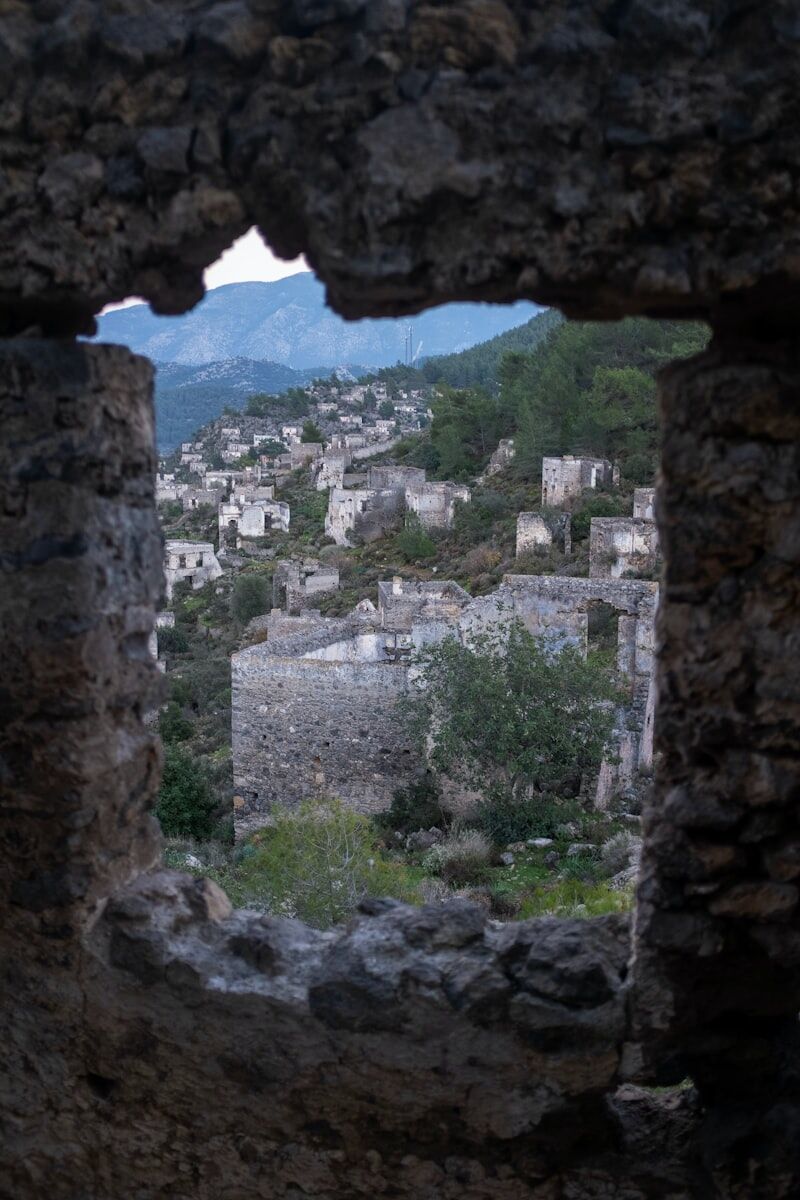
Between dives, Turkey's Turquoise Coast offers a rich tapestry of culture and history. You can explore the charming old town of Kaş, with its Lycian tombs and bustling markets, or wander through the hauntingly beautiful Kayaköy Ghost Village near Fethiye. For those extending their trip, hiking a section of the famous Lycian Way provides stunning coastal views, while a visit to the ancient city of Ephesus offers a deep dive into Roman history.

Kayaköy Ghost Village

Kayaköy Ghost Village

Walk through an abandoned Greek village with 500+ stone houses, a haunting and beautiful historical monument near Fethiye.

Turkish Blue Voyage (Gulet)

Turkish Blue Voyage (Gulet)

Sail the turquoise coast on a traditional wooden gulet, stopping at secluded bays, ancient ruins, and hidden beaches.

Lycian Way Hiking

Lycian Way Hiking

Trek sections of the 540km Lycian Way, one of the world's top long-distance trails, along the dramatic Mediterranean coast.

Kaş Old Town & Markets

Kaş Old Town & Markets

Explore Kaş's charming old town with Lycian tombs, colourful markets, rooftop restaurants, and a beautifully preserved amphitheatre.

What a liveaboard in Turkey costs

The calendar below shows how liveaboard prices shift month by month, so you can see exactly when your money goes furthest. We want every diver to get the best possible value, which is why we highlight the seasons that balance great conditions with the fairest rates.

Liveaboard diving in Turkey offers a wide range of options, from budget-friendly traditional gulets to premium modern yachts, making it accessible for various budgets. Prices are highest during the peak summer months of June through September when water conditions are at their best. For better value, consider the shoulder seasons of May and October, which offer good diving with fewer crowds and more competitive pricing for a week-long cruise.

$157–$157

per day liveaboard

$40–$80

per 2-tank dive trip

$30–$200

hotel per night

Prices reflect typical costs for mid-range to premium options. Budget alternatives may be available.

Getting to Antalya and Dalaman: flights and transfers

Getting to your Turkish liveaboard is straightforward, with international airports serving the main diving regions. Fly into Bodrum (BJV) for trips along the Aegean coast, or to Dalaman (DLM) or Antalya (AYT) for departures from the Turquoise Coast hubs like Fethiye and Kaş. Transfers from the airports can take up to three hours, with dive operators often arranging them. Most nationalities require an e-visa, which is easily obtained online before travel.

Insider tips

🤿

Turkey offers exceptional value for Mediterranean diving

🤿

Book directly with local dive centers for best rates

💰

Visit Kaş for the best quality-to-price ratio in the Mediterranean

🏨

Stay in pensions (pansiyons) for affordable accommodation

🍽️

Eat at local restaurants for delicious, cheap meals

📅

Consider May or October for lower prices with good conditions

Getting there

Antalya Airport

AntalyaAYT

Main gateway for the Turkish Riviera diving coast, direct flights from across Europe and Middle East

Dalaman Airport

DalamanDLM

Gateway for Fethiye and Kaş diving areas, 3 hours drive to Kaş

Milas–Bodrum Airport

BodrumBJV

Gateway for Bodrum and Aegean Sea diving

Entry requirements

E-visa required for most nationalities, available online. Valid for 90 days within 180-day period. Some EU citizens exempt. Passport must be valid for 6 months beyond stay.

This information is provided without guarantee. Please visit the official website for the latest entry requirements.

Official Immigration Information →

Frequently asked questions about Turkey liveaboards

When is the best time to dive in Turkey?
Diving conditions in Turkey change throughout the year. Check our month-by-month best-time-to-dive guides to plan around peak visibility, weather and marine life encounters.
Do I need a liveaboard to dive in Turkey?
A liveaboard gives you access to remote dive sites in Turkey that day boats cannot reach, plus 3–5 dives per day in maximum comfort. For the best dives in Turkey, a liveaboard is the recommended choice.
What certification do I need to dive in Turkey?
Most Turkey liveaboards require Open Water as a minimum, with Advanced Open Water and 30+ logged dives recommended for currents and deeper sites. Some expert routes require Tech or 100+ dives.
How much does a Turkey liveaboard cost?
Liveaboard prices in Turkey typically range from €1,500 to €6,000+ per week depending on vessel category, route length and season. Browse the boats below for live pricing.
Do I need a visa for Turkey?
Visa requirements vary by your nationality. Always check the latest entry rules with the destination's official government source before booking flights.
Is diving in Turkey safe for beginners?
Many Turkey sites are beginner-friendly, but some routes feature strong currents or deep walls suited only to experienced divers. Check each vessel's recommended experience level.

Turkey compared with other liveaboard destinations

Honest, in-depth comparisons to help you decide between destinations, certifications, equipment and dive styles.

Liveaboard vs Land-Based Diving: Which Trip Is Right for You?

Choosing between a liveaboard and a land-based dive trip is the most fundamental decision divers face when planning a serious diving holiday. The right answer depends on your priorities: maximum dive count and access to remote sites favor liveaboards; beach time, family flexibility and lower cost favor land-based resorts. Both formats have evolved significantly in the last decade, and the line between them has blurred — luxury dive resorts now offer multi-day expedition trips, while many liveaboards include topside excursions and even spa days. This guide compares the two formats across every meaningful dimension: cost per day, dives per day, marine life access, comfort, social dynamics, family-friendliness, and travel logistics. We'll also cover the hybrid models (resort + day-charter, or 'safari boat' itineraries) that try to capture the best of both worlds. If you're certified, in love with diving and want to maximize bottom time, a liveaboard is almost always the better choice — you can clock 25+ dives in a week and reach sites no day boat can. If you're traveling with non-divers, prefer land-based comfort, or want flexibility to take days off, a resort wins. We'll get into all the nuances below.

Read comparison

Turkey vs. Egypt Liveaboard: Aegean Charms or Red Sea Wonders?

Deciding between a liveaboard adventure in Turkey or Egypt presents a thrilling dilemma for any diver. Both destinations offer unique underwater landscapes, rich histories, and distinct diving experiences, yet they cater to different preferences and skill levels. Turkey, with its Aegean and Mediterranean coasts, promises a blend of ancient history, archaeological sites, and a more temperate marine environment, often characterized by caverns, walls, and a variety of smaller, endemic species. Egypt, on the other hand, is synonymous with the vibrant, coral-rich ecosystems of the Red Sea. Its legendary wrecks, abundant pelagic life, and consistently warm, clear waters have cemented its reputation as a world-class diving hotspot. This comparison aims to dissect the key differences, from marine biodiversity and wreck diving opportunities to logistical considerations and ideal diving seasons, helping you pinpoint which liveaboard journey aligns best with your diving aspirations and travel style.

Read comparison

Beyond the Limits: Recreational vs. Technical Diving Explained

Scuba diving opens up a breathtaking world hidden just beneath the surface, an activity enjoyed by millions globally. For the vast majority, this means recreational diving. Governed by agencies like PADI and SSI, recreational diving is defined by its limits: no deeper than 40 meters (130 feet), always having a direct path to the surface, and staying within no-decompression limits. This framework allows divers to explore vibrant coral reefs, shipwrecks, and kelp forests with relatively simple equipment and training, focusing on enjoyment and safety within a well-established comfort zone. On the other end of the spectrum lies technical (or tec) diving. Often seen as the 'extreme sport' of the scuba world, tec diving is explicitly about going beyond recreational limits. This means diving deeper than 40 meters, planning for mandatory decompression stops on ascent, or penetrating far into overhead environments like caves or complex wrecks. Agencies such as Technical Diving International (TDI), Global Underwater Explorers (GUE), and PADI's TecRec arm provide the highly specialized training required for these demanding dives. The fundamental difference is one of philosophy. Recreational diving prioritizes risk avoidance by staying within strict, pre-defined boundaries. Technical diving, in contrast, is about risk mitigation. Tec divers intentionally plan to enter situations that would be emergencies for recreational divers, but they do so with extensive training, meticulous planning, redundant equipment systems, and specialized breathing gases. It's a calculated approach to exploring environments that are otherwise inaccessible. This distinction isn't just about numbers and gear; it’s about mindset and motivation. While a recreational diver might be thrilled by the colorful reefs of the Red Sea, a technical diver might be drawn to the challenge of exploring a deep, historic wreck like the Britannic off the coast of Greece. Understanding the differences in limits, equipment, training, and risk is crucial for any diver considering where their underwater journey might lead next.

Read comparison
Plan your trip

Ready to dive?

Explore our expedition vessels and find your perfect trip to Turkey