Conditions in November
So, you're thinking about diving in Turkey in November, are you? That’s an interesting choice, and it certainly has its perks if you know what to expect. November marks the shoulder season in Turkey, leaning towards winter, so you’ll find fewer crowds compared to the bustling summer months. This often translates to a more peaceful diving experience with less boat traffic. The weather above water will be cooler, with average air temperatures ranging from 15°C to 20°C (59°F to 68°F) along the coast, especially in the popular diving regions like Kaş and Antalya. You might experience some rainy days and choppier seas, but usually, these periods are brief, opening up again to glorious sunshine perfect for diving.
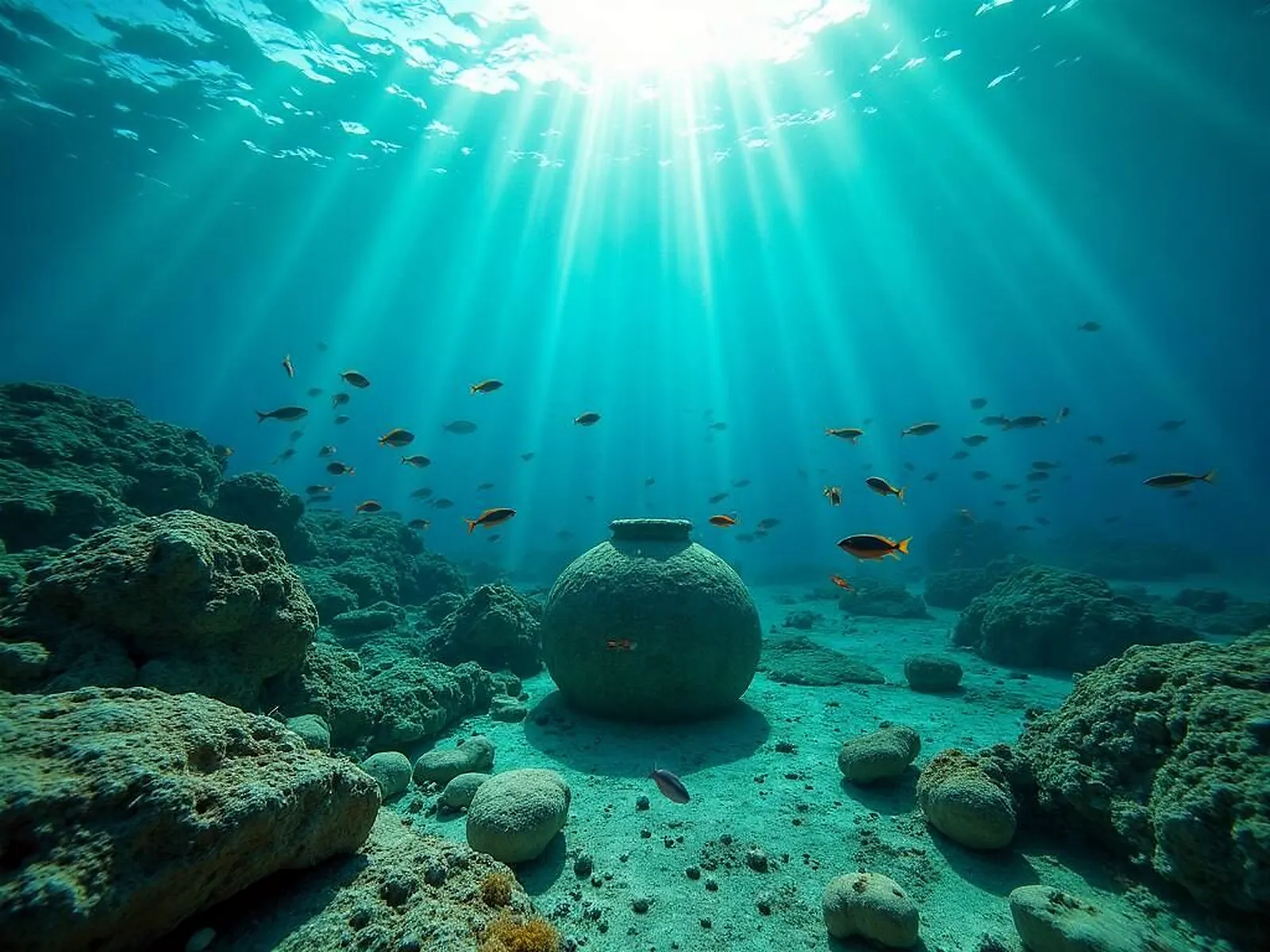
Now, let's talk about the underwater world itself. The sea temperature in November typically hovers around 18°C to 20°C (64°F to 68°F). This is a noticeable drop from the summer highs, so you'll definitely want to pack a thicker wetsuit – more on that later. Visibility, however, can be absolutely stunning. With fewer boats and less summer plankton bloom, you can often enjoy crystal clear waters reaching up to 30 meters (100 feet) or even more on a good day. Currents are generally mild in most dive sites during this time of year, making for relaxed drifts and easy navigation, though as always, it's wise to check local conditions with your dive guide.
Overall, November diving in Turkey offers a different flavor. It's quieter, cooler, and can surprise you with incredible visibility. If you're comfortable with slightly cooler water temperatures and appreciate a more serene diving environment, then you're in for a treat. Just be prepared for the possibility of some intermittent blustery weather, which is part and parcel of diving in the shoulder season.
What you will see
November in Turkey’s underwater realm is a time of transition, but it certainly doesn't mean a lack of life. While you might not encounter massive pelagic aggregations like in some tropical destinations, Turkey’s dive sites are rich in Mediterranean biodiversity, and many species remain active throughout the cooler months. You'll still see plenty of schooling fish, such as barracudas, amberjacks, and various bream species, which often come a bit shallower as the water cools.
Look closely among the rocky reefs and seagrass beds, and you'll discover a vibrant macro world. Nudibranchs, often overlooked in warmer months, become more prominent, showcasing their incredible colors and patterns. Octopus and cuttlefish are frequently spotted, either camouflaged perfectly against the rocks or gracefully propelling themselves through the water. Moray eels peer out from their crevices, and various crustaceans like crabs and lobsters scurry about. If you have a keen eye, you might even spot smaller reef sharks like nurse sharks, though they are quite shy and rare. Keep an eye out for sea turtles, particularly green and loggerhead turtles, which are still present in the warmer areas and can be a fantastic sighting.
While November isn't prime time for megafauna like manta rays or whale sharks in Turkey, the calm and clear conditions often mean you can observe the resident reef ecosystems in detail without the distraction of bustling crowds. The cooler water can also sometimes lead to unique behaviors from certain species as they prepare for winter, offering divers a glimpse into their seasonal routines. The shipwrecks, a major draw in Turkey, become even more atmospheric with the slightly subdued light, and you'll often find them teeming with fish taking shelter.
Top dive sites this month
For November diving, you'll want to focus on areas known for their excellent year-round visibility and robust marine life, or those with significant wreck features which aren't as affected by seasonal changes. Two regions consistently shine: Kaş and the Antalya region. In Kaş, the Canyon and Dimitri Wreck is an absolute must-do. The canyon itself is a geological marvel, and the presence of the Dimitri Wreck (a cargo ship sunk in the 1960s) makes it a truly unique site. In November, with fewer divers, you'll have more time to explore the abundant marine life that has made the wreck and walls its home, including groupers, barracudas, and intricate nudibranchs.
Another fantastic spot in Kaş is the Besmy Islands, particularly sites like the "Three Islands" or "Big Island." These dive sites offer dramatic drop-offs, caves, and swim-throughs, which are even more spectacular with the clear November visibility. You can expect to encounter schooling fish, octopuses, and even occasional amberjacks. For wreck enthusiasts, the Flying Fish Wreck near Kaş (a Junkers Ju 88 bomber from WWII) provides a hauntingly beautiful dive, and the cooler water enhances its historical mystique. Moving east to the Antalya region, sites around Kemer, such as the Paris Wreck (a French cargo ship sunk in WWI), are also excellent choices for November. The wreck is beautifully encrusted and home to a thriving ecosystem, offering fantastic photo opportunities in the clear conditions.
Practical tips for your trip
Given the sea temperatures mentioned, a 5mm or even a 7mm wetsuit is highly recommended for diving in Turkey in November. Many divers also opt for a hooded vest or a full hood to stay comfortable during longer dives or multiple dives a day. Don't forget booties and gloves! This month is generally suitable for all levels of divers. Beginners will appreciate the calmer conditions and excellent visibility, while advanced divers can explore deeper wrecks and more challenging topography without the summer rush.
Liveaboard availability in November tends to be more limited than peak season, but if you find one, it offers an incredible way to experience multiple dive sites in comfort. Blue Rides frequently features exceptional liveaboard options that provide cozy amenities even in this cooler season. Booking in advance is always a good idea, especially if you have specific liveaboard preferences. Aside from your diving gear, pack layers of clothing, including warm sweaters and a waterproof jacket, as air temperatures can be cool, especially in the evenings. A warm hat and scarf are also wise additions. Be aware that some smaller dive shops or coastal restaurants might have reduced hours or be closed as the tourist season winds down, so it's best to confirm timings and make bookings where necessary for both diving and onshore activities. Embrace the quiet charm of shoulder-season diving – it’s a truly rewarding experience!
Year-round overview for Turkey
Frequently asked questions
Is November a good month to dive in Turkey?
What can you see diving in Turkey in November?
Should I book a Turkey liveaboard for November or wait?
Find a liveaboard for November
Compare available Turkey liveaboards departing in November.
Search and Book