Conditions in November
November in Mexico marks a phenomenal sweet spot for divers, as the seasons transition and offer some of the best conditions of the year. You’re largely past the peak hurricane season (which typically subsides by end of October), meaning calmer seas are more predictable, especially on the Caribbean side. On the Pacific coast, you'll find the ocean settling into a pattern of stability, setting the stage for incredible encounters. Water temperatures are still wonderfully warm, hovering around 26-28°C (79-82°F) in the Caribbean waters of places like Cozumel and the Yucatán Peninsula. The Pacific, while generally a touch cooler, still offers comfortable temperatures in the 24-26°C (75-79°F) range, perfectly pleasant for extended dives.
Visibility during November is typically excellent across Mexico. In the Riviera Maya and Cozumel, you can regularly expect visibility exceeding 30 meters (100 feet), thanks to the clear, well-circulated Caribbean currents and the natural filtration of the cenote systems. On the Pacific side, particularly around the Revillagigedo Archipelago (commonly known as Socorro), visibility can also be stunning, often ranging from 20-40 meters (65-130 feet), allowing for breathtaking panoramic views of the vast pelagic life. Currents can vary from mild to strong depending on the specific dive site and lunar cycle, but generally, November sees them moderate enough to be manageable for most experienced divers, while still providing that gentle push for drift dives.
What you will see
November is prime time for big animal action in Mexico, especially on the Pacific side. This month kickstarts the main season for the legendary pelagic aggregations in the Revillagigedo Archipelago. You'll be right at the beginning of the annual migration of giant Pacific manta rays (Manta birostris), which are known for their incredibly inquisitive and interactive behavior – often circling divers for extended periods. Hammerhead sharks, silky sharks, and oceanic whitetip sharks are also common sightings here, cruising the blue. Keep your eyes peeled and your camera ready, because humpback whales also start to make their appearance towards the end of November in Socorro, signaling the start of their breeding season. You might hear their haunting songs or even catch a glimpse of them from the dive boat.
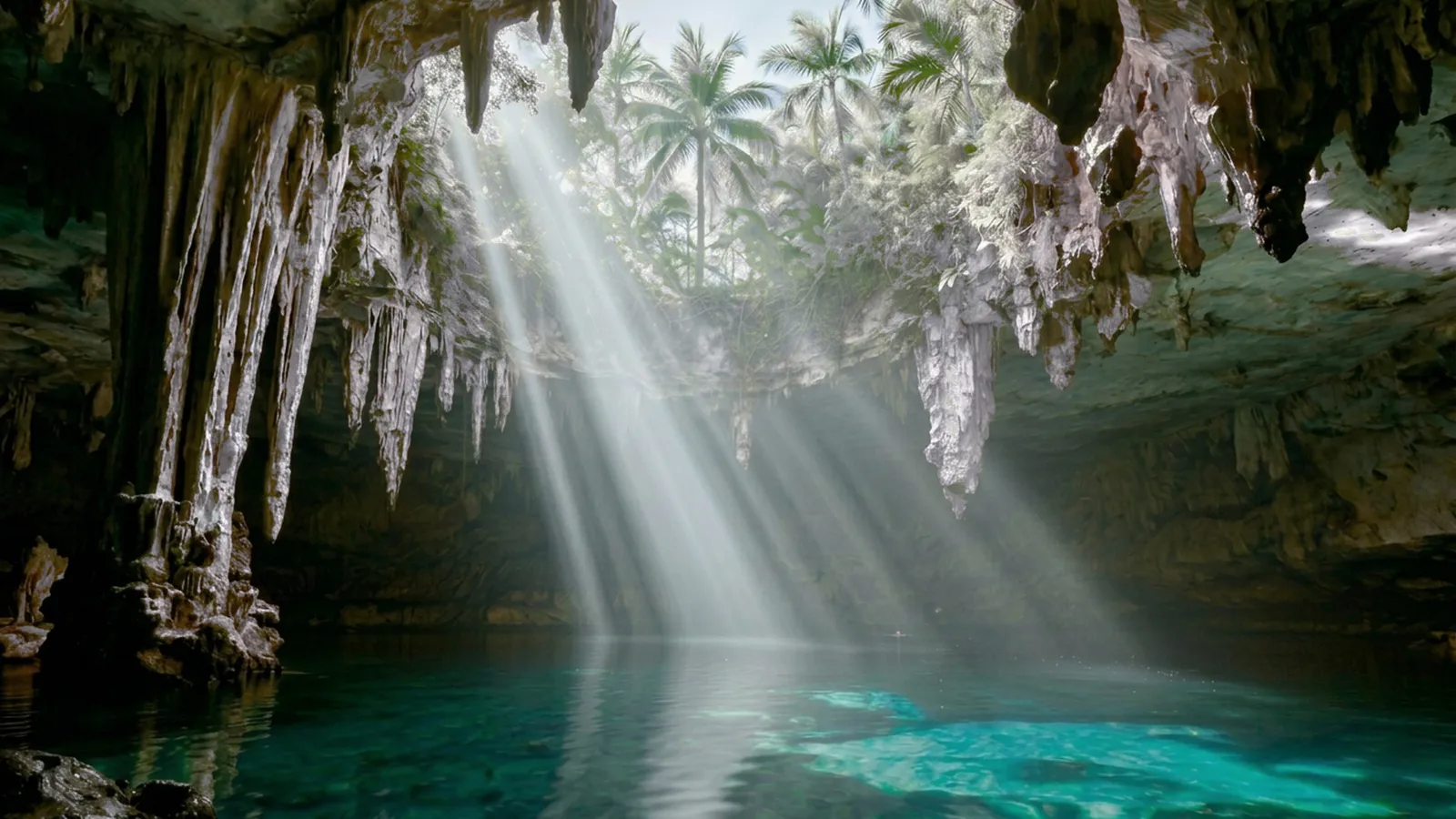
Over on the Caribbean side, while the pelagic giants are less frequent visitors compared to the Pacific, November still offers fantastic opportunities. Whale sharks, while their peak season is June-September, can sometimes still be seen early in the month around Isla Mujeres. Reef sharks, nurse sharks, and turtles are consistently present on the vibrant coral reefs of Cozumel and the Riviera Maya. For macro enthusiasts, the healthy reefs teem with critters: nudibranchs, seahorses, gobies, and an array of colorful reef fish. The cenotes of the Yucatán Peninsula offer a completely different, eerie, and beautiful experience with their stalactites and stalagmites, crystal-clear fresh water, and unique cave-dwelling life; definitely a must-do if you're on that side. The stable conditions of November make these freshwater dives particularly enjoyable.
Top dive sites this month
Without a doubt, the Revillagigedo Archipelago (Socorro Island) is the undisputed champion for November diving in Mexico. As mentioned, this remote Pacific outpost comes alive with giant mantas, several species of sharks, and the first arrivals of humpback whales. Liveaboard trips to Socorro typically depart from Cabo San Lucas and are meticulously planned to maximize pelagic encounters. It’s an experience that truly leaves you speechless.
For those seeking vibrant reefs and effortless drift dives, Cozumel remains a perennial favorite. Dive sites like Palancar Reef, Santa Rosa Wall, and Columbia Reef are simply breathtaking, boasting spectacular drop-offs, swim-throughs, and an abundance of marine life. The clear, warm waters and reliable currents make it an absolute joy. And for a truly unique experience, you simply cannot miss the Yucatán Cenotes, such as Dos Ojos, El Pit, or Maravilla. These freshwater cave systems offer unparalleled visibility and a surreal environment, perfect for the adventurous diver ready to explore an otherworldly landscape.
Practical tips for your trip
Given the comfortable water temperatures across Mexico in November, a 3mm wetsuit is generally sufficient for most divers. If you tend to get cold easily, especially after multiple dives or during longer surface intervals, a 5mm suit might offer extra comfort, particularly for Pacific diving. For the cenotes, while the water is fresh, it maintains a consistent temperature of around 24-25°C (75-77°F), so a 3mm or even a shorty combined with rashguard is usually fine.
November is an excellent month for both beginner and advanced divers, though access to certain premier sites might vary. Cozumel and the Riviera Maya are fantastic for all skill levels, with plenty of reef dives suitable for novices and exhilarating drift dives for the more experienced. However, the Revillagigedo Archipelago is typically recommended for experienced divers comfortable with deeper dives, strong currents, and open ocean conditions, as liveaboards often require a minimum of 50-100 logged dives. Liveaboard availability, especially for Socorro, can be tight as the season kicks off, so booking well in advance (6-12 months out) is highly advisable to secure your spot. Don't forget your reef-safe sunscreen, a good quality action camera, and perhaps an extra battery pack, because you’ll be taking a lot of photos!
Year-round overview for Mexico
Frequently asked questions
Is November a good month to dive in Mexico?
What can you see diving in Mexico in November?
Should I book a Mexico liveaboard for November or wait?
Find a liveaboard for November
Compare available Mexico liveaboards departing in November.
Search and Book