Conditions in November
So, you’re thinking about diving Papua New Guinea in November? Excellent choice, because this period offers some really sweet spots in terms of conditions. November generally marks the transition from the drier, southeast monsoon to the wetter, northwest monsoon. What does this mean for you, the avid diver? It often translates to a period of relatively calmer seas, especially early in the month, before the full force of the northwest monsoon kicks in later in December. Don't expect mirror-flat conditions every single day, but squalls are typically less frequent and intense than during the peak rainy season.
Water temperatures are consistently warm, hovering around 28-29°C (82-84°F) across most dive regions, which is perfection for long dives. Visibility can be a mixed bag, which is typical for a biodiverse, nutrient-rich region. You can expect anywhere from 15 meters on a less-than-ideal day, up to a spectacular 30+ meters when conditions are pristine. The currents, as always in PNG, are a defining characteristic. They are the lifeblood of these reefs, bringing nutrients and creating incredible drift opportunities. You’ll encounter mild to moderate currents on many dives, and occasionally stronger ones, especially around channels and exposed pinnacles. This is part of the PNG experience and why the marine life thrives here.
What you will see
Papua New Guinea is a veritable feast for marine life enthusiasts, and November delivers on that promise. This is a prime time for macro lovers, with an astounding array of critters flourishing on virtually every reef. Think nudibranchs of every conceivable color and pattern, pygmy seahorses clinging to gorgonian fans, decorator crabs, hairy frogfish, and countless species of shrimp and gobies. The sheer biodiversity in PNG is mind-boggling, and no two square meters of the reef are ever the same. Keep your eyes peeled and move slowly, and you'll be rewarded with a continuous show of miniature wonders.
Beyond the macro, November is still an excellent month for larger pelagics, especially in areas with consistent currents. You stand a good chance of encountering various shark species, including whitetip, blacktip, grey reef sharks, and occasionally hammerheads passing through. Barracuda schools swirl in formation, jacks hunt in coordinated attacks, and dogtooth tuna patrol the blue. While specific manta ray aggregations aren't as predictable as in other destinations during particular months, individual mantas and eagle rays are always a thrilling possibility, often cruising along reef edges or congregating at cleaning stations. For those interested in big fish action, November won’t disappoint.
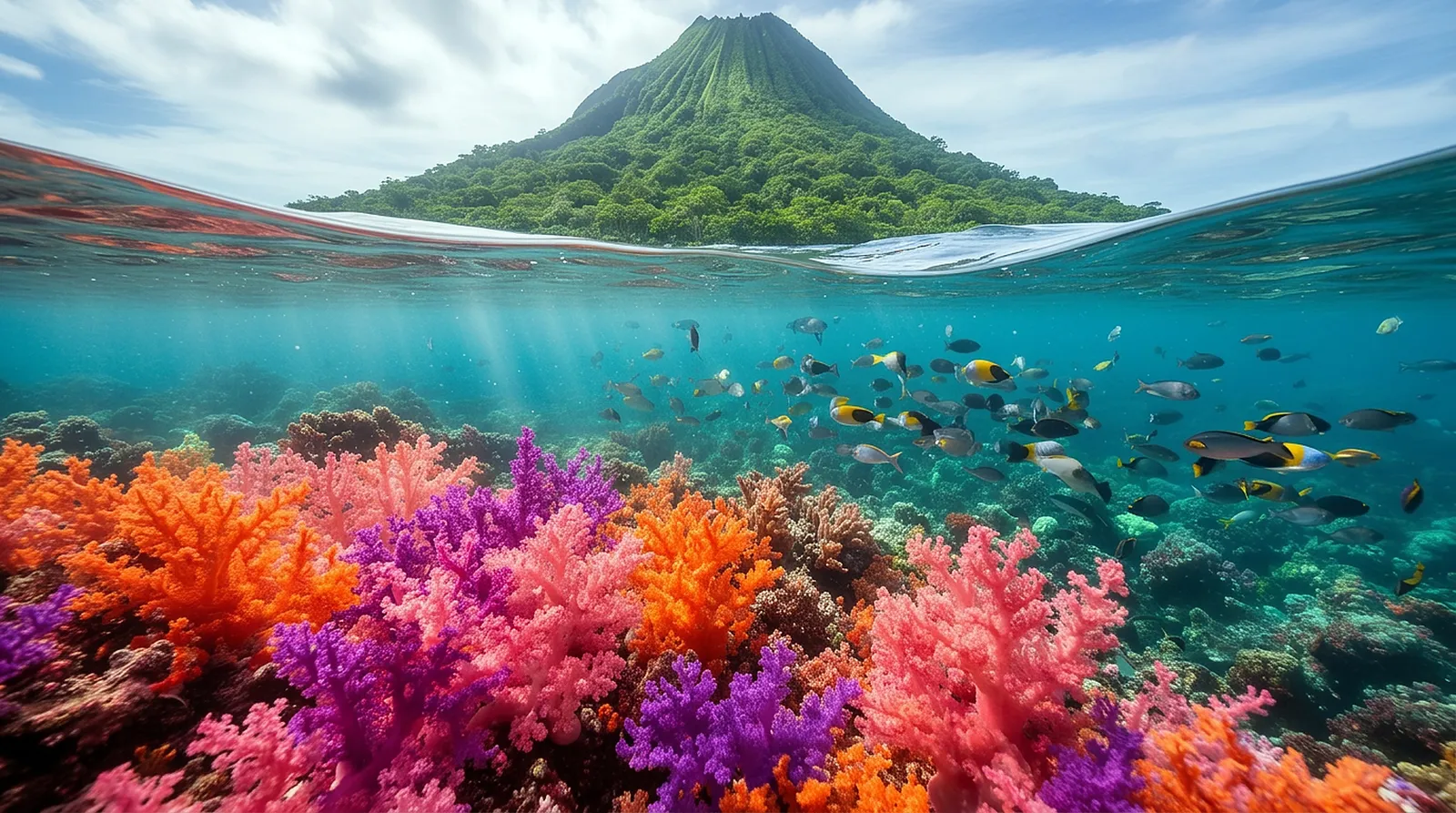
And let's not forget the dazzling coral gardens! PNG boasts some of the healthiest and most vibrant reef systems on the planet. Expect to be surrounded by flourishing soft corals, hard corals, and anemones teeming with clownfish. The diversity of fish life, from vibrant anthias to curious batfish and enormous humphead parrotfish, is simply stunning. Every dive is a kaleidoscope of color and motion, showcasing the incredible health of these pristine ecosystems.
Top dive sites this month
If you're heading to PNG in November, the Bismarck Sea region, particularly around New Britain and New Ireland, is always a fantastic bet. Consider focusing your trip around Kimbe Bay on the north coast of New Britain. Dive sites like Bradford Shoals and Inglis Shoals are renowned for their incredible coral density and pelagic action, often hosting schooling barracuda, tuna, and reef sharks. Another must-visit in this area is Susan's Reef, a spectacular pinnacle bursting with soft corals and an abundance of reef fish, perfect for both wide-angle and macro photography.
Further east, the waters around Kavieng in New Ireland Province also shine in November. Here, you'll find thrilling channel dives with consistent currents, delivering amazing drift opportunities. Sites like Albatross Passage and Bargibant's Bommie are famous for their healthy reefs, shark encounters, and plentiful macro life. These locations truly encapsulate the diverse magic of PNG diving during this period.
Practical tips for your trip
Given the consistently warm water temperatures of 28-29°C (82-84°F), most divers will find a 3mm wetsuit perfectly adequate, or even a rash guard for those who prefer less thermal protection. However, if you tend to get cold easily or plan on doing multiple long dives each day, a 5mm might offer a bit more comfort. This month is well-suited for divers of all levels, from confident beginners to advanced enthusiasts. While some dive sites feature currents, experienced dive guides on liveaboards are excellent at managing profiles to suit individual capabilities. If you're new to drift diving, this is a great place to hone those skills in a controlled environment.
Liveaboard availability in November can vary as it’s a transitional month, so booking well in advance, especially for the earlier part of the month, is highly recommended. Make sure to pack lightweight, breathable clothing for surface intervals, good sun protection (hat, reef-safe sunscreen, sunglasses), and sturdy sandals. Don't forget your dive computer, a good camera setup (you'll regret it if you don't bring one!), and a spare mask. Connectivity can be limited in remote areas, so manage your expectations for internet access. Lastly, embrace the unexpected; PNG is an adventure, and flexibility will only enhance your experience!
Year-round overview for Papua New Guinea
Frequently asked questions
Is November a good month to dive in Papua New Guinea?
What can you see diving in Papua New Guinea in November?
Should I book a Papua New Guinea liveaboard for November or wait?
Find a liveaboard for November
Compare available Papua New Guinea liveaboards departing in November.
Search and Book