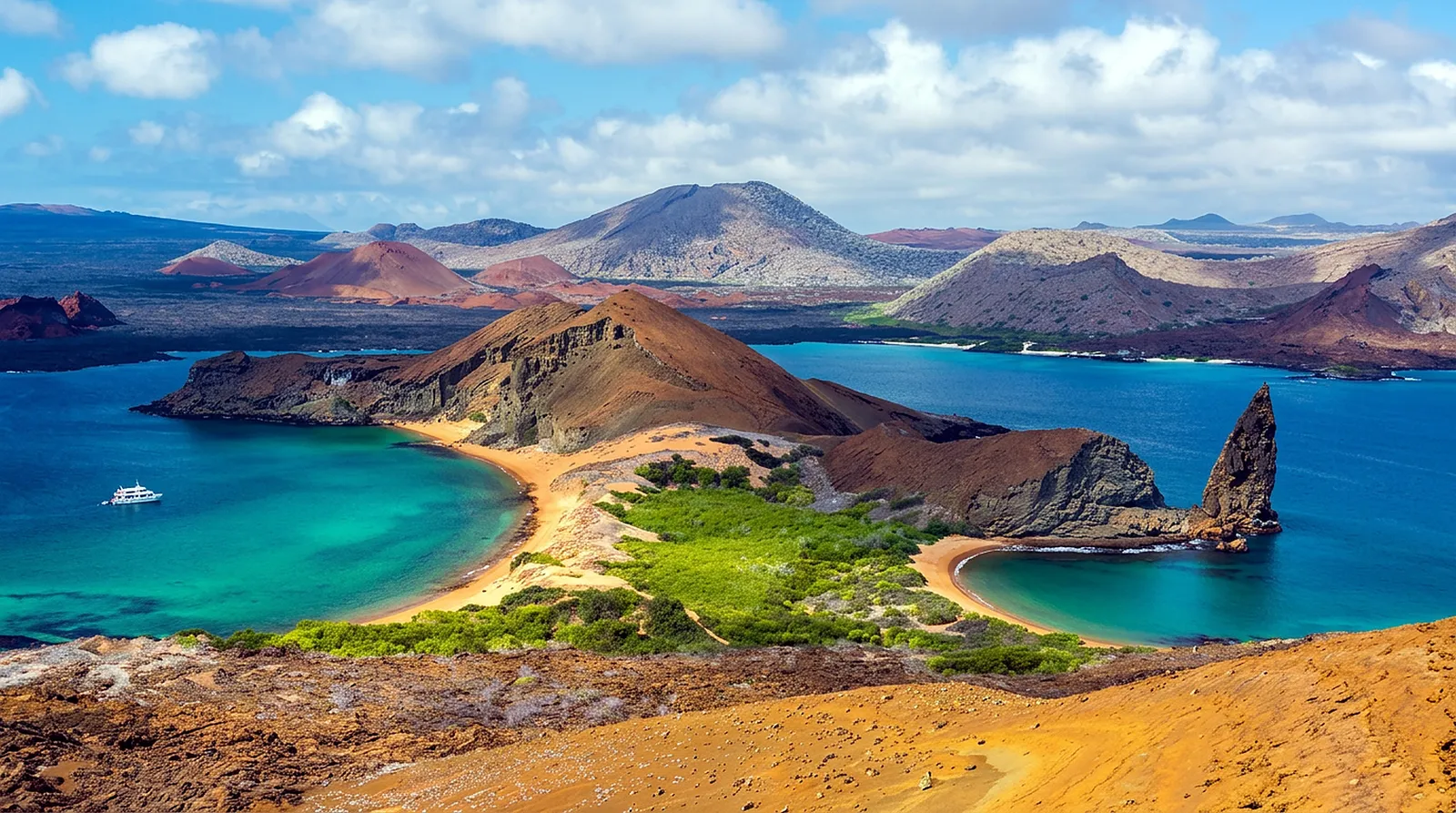
Conditions in November
So, you’re thinking about diving the Galápagos in November, huh? Well, you’re in for a treat, but let's set some expectations. November marks the tail end of the “garúa” or dry season, transitioning into the warmer, wetter months. This means you’ll likely encounter slightly cooler air temperatures, averaging around 25°C (77°F), often accompanied by the famous Galápagos mist or light drizzle, especially in the highlands, though this rarely impacts diving. Down below, the water temperatures are still on the cooler side, largely influenced by the Humboldt Current, which persists through the dry season. Expect water temperatures to range from about 20-24°C (68-75°F). Depending on the specific dive site and depth, it can dip lower, so don't skimp on your thermal protection!
Sea states in November are generally moderate. While the open ocean crossings to places like Wolf and Darwin Islands can still be a bit lumpy, it's typically less intense than the peak of the garúa season. You might experience some rolling on your liveaboard, but nothing most seasoned divers can’t handle. Visibility, predictably, can be a mixed bag due to the plankton-rich waters that fuel the incredible biodiversity here. While you can hit days with 20+ meters (65+ feet) of clarity, particularly around the more sheltered central islands, it's more realistic to expect visibility in the 10-15 meter (30-50 foot) range at the most pelagic-heavy sites. These nutrient-rich upwellings are precisely what attracts the big stuff, so a little murk is a small price to pay for the spectacle you’re about to witness. Currents can be strong, especially around Wolf and Darwin, which means most dives will be drift dives, and advanced open water certification is a must.
What you will see
November in the Galápagos is prime time for big animal encounters, thanks to those persistent cool, nutrient-rich currents. This is when the pelagics are out in force. Heading to Wolf and Darwin, you’ll be immersed in shark heaven. Hammerhead sharks, in their hundreds, are a common sight, circling cleaning stations or cruising in schools so dense they block out the sun. You’re also highly likely to encounter Galápagos sharks, silky sharks, and white-tip reef sharks in abundance. While whale shark season peaks earlier in the dry season, sightings are still possible in November, especially at Darwin Arch, as some stragglers may still be in the area before heading south.
Beyond the sharks, the sheer density of marine life is astonishing. Look out for playful Galápagos sea lions, which are practically guaranteed to interact with you on nearly every dive, often nipping at your fins or circling overhead. Eagle rays and golden rays are frequently seen gliding gracefully over the reefs, and there’s a good chance of spotting majestic manta rays, especially around the central islands. Keep an eye out for oceanic sunfish (Mola mola), particularly in deeper, cooler waters – November is a decent time for these enigmatic giants. While macro life isn't the primary draw of Galápagos, you'll still spot interesting species like frogfish, sea horses, and a variety of nudibranchs if you take the time to look closely amongst the volcanic rock formations.
Another unique sight during this period is the ongoing breeding and nesting activity of various seabirds and marine iguanas. While you won't see them underwater specifically, their presence on the islands, and the occasional iguana feeding on algae underwater, adds another layer to the overall Galápagos experience. The abundance of food means everything is active, from the smallest damselfish to the largest predators, creating a vibrant and dynamic underwater ecosystem for you to explore.
Top dive sites this month
For any serious diver venturing to the Galápagos, particularly in November, Wolf and Darwin Islands are non-negotiable. These northernmost islands are the undisputed hotspots for large pelagic encounters, offering some of the best shark diving on the planet. At Darwin’s Arch and Wolf Island, you'll be treated to schools of hammerheads, Galápagos sharks, and silvertips. The currents here funnel nutrients, attracting an incredible array of marine life, making every dive an adrenaline-fueled adventure. These sites are remote and only accessible via liveaboard.
Closer to the central islands, Roca Redonda, near Isabela Island, is another fantastic November choice. This underwater volcano hosts a unique ecosystem, with often cooler waters attracting large schools of fish and potentially even deeper-dwelling species like Mola mola. Also consider Punta Vicente Roca on Isabela's northwest coast for its unique underwater geology and a chance to spot Galápagos penguins feeding underwater, as well as plenty of marine iguanas. These sites offer a slightly different flavour to Wolf and Darwin but are equally rewarding for the adventurous diver.
Practical tips for your trip
Given the water temperatures ranging from 20-24°C (68-75°F), a 7mm wetsuit is highly recommended, perhaps even with a hood or a vest, especially if you get cold easily or plan on multiple dives a day. Some divers even opt for a drysuit for maximum comfort, but it’s really a personal preference. As mentioned before, the strong currents and challenging conditions at sites like Wolf and Darwin mean that Galápagos diving in November is best suited for experienced, advanced divers. You should be comfortable with drift diving, deploying a SMB (Surface Marker Buoy), and managing varying visibility. It's definitely not ideal for beginners.
Liveaboard availability in November can start to pick up as the high season approaches, so it’s wise to book your trip well in advance – especially if you have specific dates or boats in mind. Blue Rides works with all the top liveaboards in the region, so we can guide you to find the perfect fit. Besides your essential dive gear, pack layers of clothing for varying air temperatures and maybe a light rain jacket for that occasional garúa. Don’t forget reef-safe sunscreen, a wide-brimmed hat, and motion sickness medication – those open-ocean crossings can be a bit bouncy. Be aware that the Galápagos National Park has strict regulations to protect its fragile ecosystem, so always follow your dive guide's instructions. Get ready for an unparalleled adventure!
Year-round overview for the Galápagos
Frequently asked questions
Is November a good month to dive in the Galápagos?
What can you see diving in the Galápagos in November?
Should I book a the Galápagos liveaboard for November or wait?
Find a liveaboard for November
Compare available the Galápagos liveaboards departing in November.
Search and Book