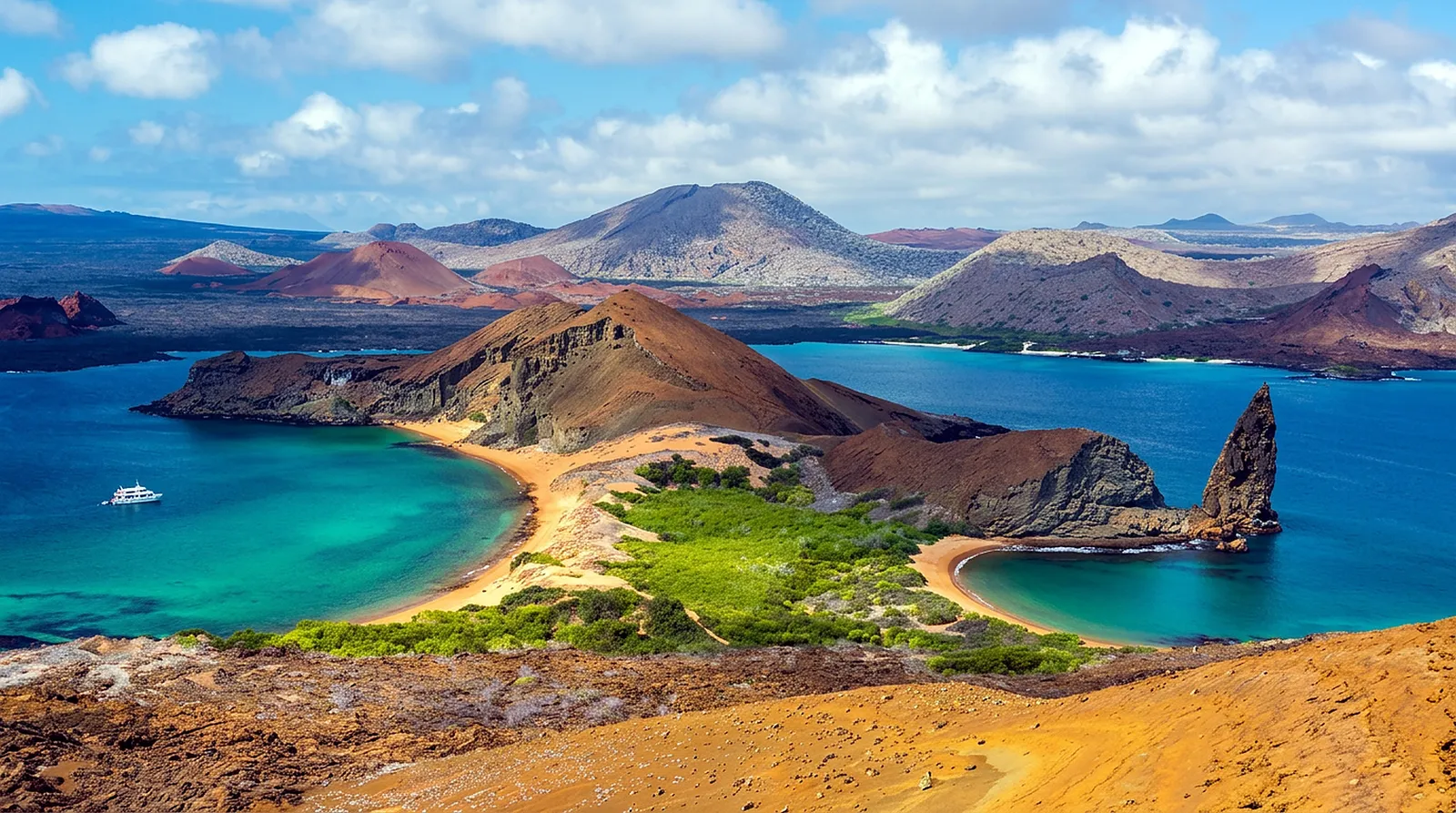
Conditions in August
August in the Galápagos Islands marks the heart of the cool, dry season, a period renowned among experienced divers for truly spectacular encounters. While other destinations might be basking in tropical heat, here you'll find a different kind of magic. Air temperatures average around 21-25°C (70-77°F), but don't let that fool you; the water is where the real action is, and it’s decidedly chillier. You’re looking at water temperatures ranging from approximately 18-22°C (64-72°F), with some deeper dives or exposed sites dropping a degree or two lower. This cooler water, often driven by the Humboldt Current, is nutrient-rich, directly fueling the incredible biodiversity for which the Galápagos are famous.
Visibility can vary significantly. While a good day might offer 20-30 meters (65-100 feet), the high plankton levels that support all that marine life can sometimes reduce it to 10-15 meters (30-50 feet). But honestly, when you have a school of hammerheads or a whale shark appearing out of the murk, visibility becomes secondary. Expect exhilarating currents, especially at the more exposed northern islands like Darwin and Wolf. These currents, while challenging, are precisely what brings in the big pelagic action, so embracing them is part of the Galápagos experience. The sea state can also be choppier during this time, with prevailing south-easterly winds, so if you’re prone to seasickness, come prepared.
What you will see
August is prime time for big pelagic encounters in the Galápagos, especially at the remote northern sites. The cooler, nutrient-rich waters trigger a feeding frenzy that draws in incredible aggregations. This is when you have your best chance of encountering massive schools of scalloped hammerhead sharks, often numbering in the hundreds, circling cleaning stations at dive sites like Darwin’s Arch and Wolf Island. Alongside them, you'll frequently spot Galápagos sharks, silky sharks, and occasionally even tiger sharks. If whale sharks are on your bucket list, August is one of the peak months, particularly around Darwin and Wolf. These gentle giants are often seen cruising near the surface or in the blue.
Beyond the sharks, August delivers a parade of other impressive marine life. Manta rays, often giant oceanic mantas, are frequently sighted, gracefully soaring through the currents. Eagle rays and golden rays are also common. Keep an eye out for breaching mobula rays and even the occasional orca or pilot whale pod passing through. Sea lions are ever-present, playful companions at many sites, while Galápagos penguins can be seen in the cooler waters around Fernandina and Isabela, hunting for fish. Marine iguanas, unique to these islands, are a highlight, often found feeding on algae underwater.
While the focus is often on the macro, don't overlook the vibrant reef life. You'll find a fascinating array of endemic fish species, moray eels, colourful nudibranchs, and various crustaceans nestled into the volcanic formations. But let's be honest, you're here in August for the truly spectacular pelagic action – the sheer volume and diversity of large marine life is simply astounding at this time of year.
Top dive sites this month
Without a doubt, the undisputed champions for August diving are Darwin and Wolf Islands, located in the remote northwest of the archipelago. These two islands are ground zero for the big animal action. At Darwin's Arch, you'll be immersed in the legendary "washing machine" currents, but the reward is unparalleled: colossal schools of scalloped hammerheads, cruising whale sharks, Galápagos sharks, silky sharks, and huge schools of pelagic fish. Wolf Island offers similar thrills, with its famous "Cave" dive providing another hotspot for hammerheads and Galápagos sharks, sea lions, and eagle rays. Most liveaboards dedicate several days to these two islands, making them the unquestionable highlights of the trip.
While Darwin and Wolf steal the show, other sites complement the experience. Cabo Douglas off Fernandina Island is a unique dive where you can observe marine iguanas feeding underwater on algae – a truly iconic Galápagos moment. You might also spot flightless cormorants hunting for food. Closer to the central islands, sites around Isabela and Santiago can offer encounters with Galápagos penguins and playful sea lions. However, for the sheer volume of large pelagics that August is famous for, Darwin and Wolf are the destinations you absolutely cannot miss.
Practical tips for your trip
Given the cooler water temperatures in August, a thick wetsuit is non-negotiable. We strongly recommend a 7mm full wetsuit, possibly even with a hood and gloves, especially if you tend to get cold easily or are doing multiple dives a day. Some divers even opt for a 5mm topped with a 3mm shorty. Don't underestimate the chill! This month primarily suits advanced divers. The strong, unpredictable currents at Darwin and Wolf demand excellent buoyancy control, substantial dive experience, and a comfort level with challenging conditions. While some central island sites are milder, the main draw of August diving is for those chasing the thrill of big pelagic encounters in current. Beginners might find the conditions overwhelming.
Travel in August is exclusively via liveaboard. Blue Rides offers a selection of premium vessels navigating these incredible waters, ensuring you reach the remote northern islands comfortably and efficiently. Due to the popularity of this peak season for pelagics, liveaboards book up far in advance, so plan your trip six months to a year ahead of time. What to pack? Beyond your dive gear and thick wetsuit, bring sunscreen, a wide-brimmed hat, polarized sunglasses, and seasickness medication if needed. A warm jacket for evenings on deck will also be appreciated. Be aware that the rocking motion of the boat can be significant during crossings, especially to Darwin and Wolf, so motion sickness remedies are a wise precaution. Embrace the cooler water and robust conditions; they are the very reason for the unparalleled marine spectacular you're about to witness.
Year-round overview for the Galápagos
Frequently asked questions
Is August a good month to dive in the Galápagos?
What can you see diving in the Galápagos in August?
Should I book a the Galápagos liveaboard for August or wait?
Find a liveaboard for August
Compare available the Galápagos liveaboards departing in August.
Search and Book