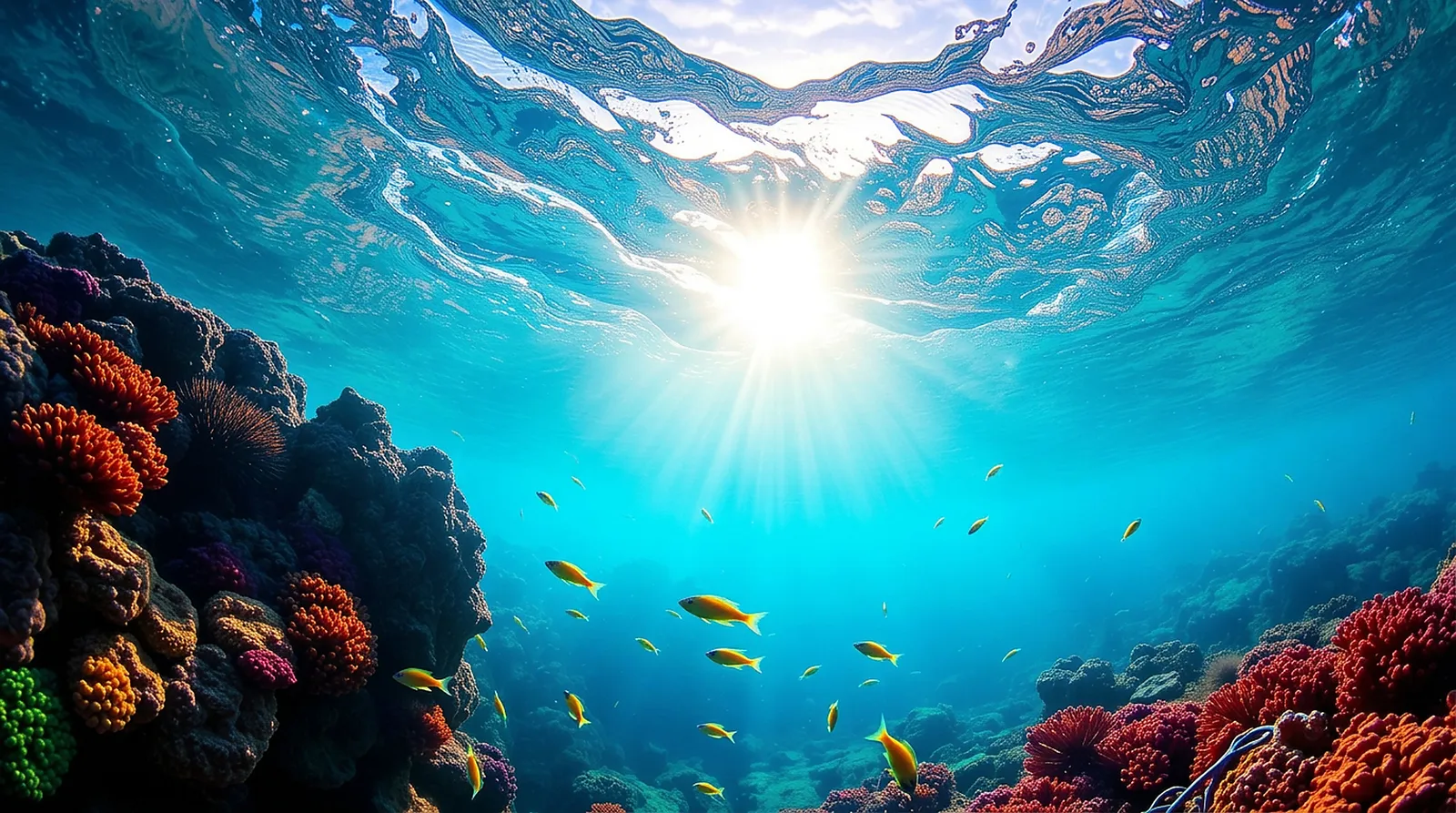
Conditions in August
So, you're eyeing a dive trip to Australia in August? Awesome choice! Let's talk about what you can expect. Generally, August falls smack dab in winter for Australia, but don't let that deter you. The northern parts of the Great Barrier Reef, particularly around Cairns and Port Douglas, are enjoying glorious dry season weather. Think clear skies, minimal rainfall, and generally calm seas, which is a diver's dream. You'll find water temperatures sitting comfortably around 24-26°C (75-79°F), slightly cooler than the scorching summer but still perfectly pleasant for a longer dive.
As you head further south, say to the Coral Sea or even down to the temperate waters of South Australia or Western Australia, the temperatures dip a bit more. In the Coral Sea, expect similar ranges to the northern Great Barrier Reef, maybe a degree or two cooler at times. Visibility across most of the prime diving spots in August is generally phenomenal, often exceeding 20-30 meters. This is largely due to the settled weather minimizing runoff and stirring of sediments. Currents can vary depending on the specific site and tide, but in key pelagic aggregation areas, you might encounter moderate to strong currents, which are exactly what bring in the big stuff.
For those venturing to the southern coastlines, water temperatures will be considerably colder, dropping to 15-18°C (59-64°F) in places like South Australia or Tasmania. While the surface might be crisp, the underwater visibility can still be excellent, especially around offshore islands. It's a different kind of diving down there, but just as rewarding. The west coast, around Ningaloo and further south, offers a mixed bag, with Ningaloo still warm enough for comfortable diving around 22-24°C (72-75°F).
What you will see
August in Australia is absolutely prime time for pelagic encounters, especially up north. This is peak season for dwarf minke whale sightings on the Ribbon Reefs and around Lizard Island. These majestic, curious creatures often approach divers, offering incredible, once-in-a-lifetime interactions. Beyond the minkes, you can expect to see a healthy population of reef sharks – white-tip, black-tip, and grey reef sharks are common residents. Keep an eye out for larger pelagics too; tuna, barracuda, and various species of trevally are frequently schooling in the currents, often making for exhilarating passes.
On the Great Barrier Reef, the coral is thriving, and August sees a bustling display of macro life too. Nudibranchs, vibrant flatworms, and a plethora of crustacean species are abundant, tucked away in the intricate coral gardens. If you're lucky, you might spot some of the more elusive critters like pipefish or seahorses. Further afield, in the Coral Sea, the remote reefs like Osprey Reef are renowned for their shark feeds, where Grey Reef Sharks, Silvertips, and Oceanic Whitetips congregate, creating an adrenaline-pumping experience. This area is also a hotspot for massive potato cod, which are incredibly inquisitive.
For something truly unique, Western Australia’s Ningaloo Reef is still in its humpback whale migration season. While you might not be able to dive with them in the same way as the minkes, seeing these giants from the surface or hearing their song underwater is an unforgettable experience. Down south, in the cooler waters, August offers chances to spot unique temperate-water species like the elusive leafy seadragons and weedy seadragons, especially around the jetties and temperate reefs of South Australia. These masters of camouflage are a true spectacle for any macro enthusiast.
Top dive sites this month
For the ultimate August experience, you absolutely have to consider the Ribbon Reefs, stretching north from Cooktown up towards Lizard Island. This is THE place for dwarf minke whale encounters during August, and the vibrant coral formations and abundant reef life are simply stunning. Liveaboards operating from Cairns or Port Douglas will typically visit these northern Ribbon Reefs, including famous sites like Cod Hole, Pixie Pinnacle, and Lighthouse Bommie, each offering unique topography and marine life. You’ll be treated to crystal-clear water and a high likelihood of extraordinary pelagic sightings.
Another must-visit destination in August is Osprey Reef in the Coral Sea. This remote, oceanic reef system is accessible by liveaboard and is legendary for its dramatic wall dives, pristine coral, and exhilarating shark encounters, particularly the famous "shark feed" at North Horn. The visibility here is often mind-blowing, and the sheer abundance of healthy corals and large pelagic fish makes it a world-class destination. For those willing to brave cooler waters, the jetties and temperate reefs around Adelaide, South Australia, like Edithburgh Jetty or Rapid Bay Jetty, are prime for spotting leafy and weedy seadragons – a truly unique macro experience.
Practical tips for your trip
Given the varied water temperatures across Australia in August, packing appropriately is key. For the northern Great Barrier Reef and Coral Sea, a 3mm full wetsuit will likely be sufficient, though some might prefer a 5mm for longer dives or if they tend to get cold easily. If you're heading south, a 7mm semi-dry or even a drysuit is recommended for those chillier encounters with seadragons. Liveaboards are really your best bet for maximizing your dive time and reaching the most pristine, remote sites like the Ribbon Reefs and Osprey Reef; they handle all the logistics, allowing you to focus purely on diving.
August is generally a fantastic time for all levels of divers on the Great Barrier Reef, with calm conditions often suiting beginners, while the potential for strong currents in pelagic hotspots offers plenty of excitement for advanced divers. Availability on popular liveaboards can be tight, especially for Minke Whale expeditions, so booking well in advance (6-12 months out) is highly advisable. Don't forget reef-safe sunscreen, a good hat, and motion sickness medication if you're prone to it, as some crossings to remote reefs can be a bit choppy. Keep an eye on local regulations for interacting with marine life, especially the minke whales, remembering to observe respectfully and let them approach you.
Year-round overview for Australia
Frequently asked questions
Is August a good month to dive in Australia?
What can you see diving in Australia in August?
Should I book a Australia liveaboard for August or wait?
Find a liveaboard for August
Compare available Australia liveaboards departing in August.
Search and Book