Conditions in August
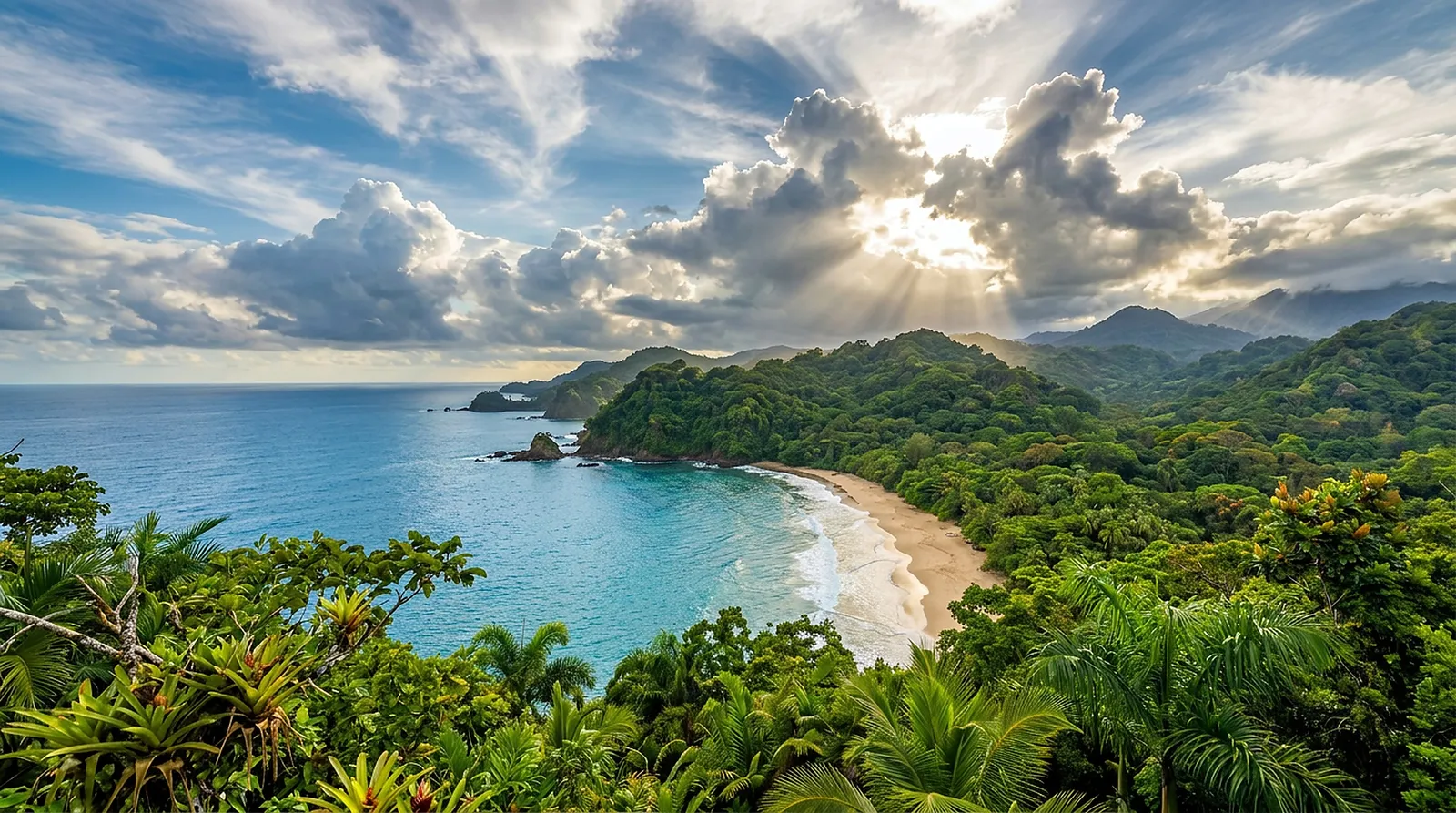
So, you're eyeing a dive trip to Cocos Island in August? Let's talk about what you can expect. August falls smack in the middle of Costa Rica's green season, or what some might call the "rainy season" on the mainland. However, out at Cocos, nearly 550 kilometers (340 miles) off the Pacific coast, conditions can be a little different. While you might encounter more rain and cloud cover on the journey to and from the island, the actual diving can be exceptional. Expect surface conditions to be a bit choppier than a dry season visit, with swells up to 2-3 meters (6-10 feet) being common. This isn't for the faint of heart, so if you're prone to seasickness, come prepared with medication.
Water temperatures in August typically range from 24°C to 27°C (75°F to 81°F). However, be aware that thermoclines are a regular feature of Cocos diving, and you might experience sudden drops of a few degrees, especially at deeper depths. Visibility can be a mixed bag. While dry season often boasts consistent 20-30 meter (65-100 feet) visibility, August can see it fluctuate between 15-25 meters (50-80 feet). Sometimes, particularly if there's been recent heavy rainfall on the mainland causing nutrient runoff, visibility can drop further, but this is usually localized and temporary. The trade-off for these conditions is often the abundance of pelagic action, as these nutrient-rich waters attract big fish.
Currents are always a significant factor at Cocos Island, and August is no exception. You should expect moderate to strong currents at many dive sites. This is part of what makes Cocos such a thrilling destination, as these currents sweep nutrients through the water, attracting the large pelagic species everyone comes to see. Drift diving is common, and strong ascents and descents can be part of the experience. Divers need to be proficient in managing their buoyancy and comfortable in conditions that can rapidly change.
What you will see
August at Cocos Island is prime time for big fish action, and this is why many experienced divers specifically target this month. The nutrient-rich waters, often associated with the green season, are a magnet for large pelagics. You can anticipate phenomenal sightings of schooling hammerhead sharks – we're talking hundreds of individuals circling Cleaning Stations! These massive schools are the main draw, and August is considered one of the best months to witness this spectacle. Silky sharks and Galapagos sharks are also frequently encountered, often circling the liveaboard or patrolling the dive sites.
Beyond the hammerheads, you'll likely encounter whitetip reef sharks resting on ledges or cruising the reef. Blacktip sharks can also be seen, particularly around shallow pinnacles. Manta rays, both oceanic and mobula, are attracted to the plankton blooms that can occur in these warmer, nutrient-dense waters, offering incredible graceful encounters. Keep an eye out for marbled rays and eagle rays too. The sheer volume of large marine life is breathtaking.
While Cocos is renowned for its pelagic encounters, don't forget to take a moment to observe the reef life. Large schools of jacks, barracuda, and snappers are common. You might also spot tuna and wahoo hunting in the blue. Though not the primary target for most visitors, there's always a chance for interesting macro life if you look closely, such as various nudibranchs, crabs, and shrimps tucked into crevices. However, it's the consistent and spectacular pelagic show that truly defines Cocos in August.
Top dive sites this month
When diving Cocos Island in August, certain dive sites truly shine for their consistent pelagic action. Manuelita Coral Garden and Manuelita Deep are absolute must-dives. Manuelita Coral Garden, especially the shallow plateau, is a renowned cleaning station where dozens, sometimes hundreds, of hammerheads congregate, giving you unparalleled opportunities for close encounters. Manuelita Deep, just beyond the garden, offers deeper insights into the schooling behavior, often revealing even larger aggregations. The currents here can be robust, adding to the thrill.
Another iconic site, Dirty Rock, is almost guaranteed to deliver in August. This submerged pinnacle is a magnet for hammerheads, often schooling in vast numbers. The sheer 규모 of marine life here, including Galapagos sharks, silvertip sharks, and massive schools of jacks, makes it an unforgettable experience. Finally, a visit to Bajo Alcyone is essential. This seamount is another world-class hammerhead cleaning station, frequently offering incredible sightings of these magnificent creatures in their natural habitat. Prepare for strong currents and be ready to descend rapidly to reach the schooling action. These sites offer the best chances for the legendary Cocos pelagic encounters you've heard so much about.
Practical tips for your trip
Given the water temperatures in August, often ranging from 24°C to 27°C (75°F to 81°F) but with potential for colder thermoclines, a 5mm wetsuit is generally recommended. If you chill easily or plan on multiple long dives, a 7mm suit or a 5mm with a hood and vest might be more comfortable. For buoyancy control and navigating potentially strong currents, a sturdy BCD and reliable regulators are crucial. Due to the remote nature of Cocos Island, diving here is absolutely best suited for advanced divers. You should have experience with drift diving, deep diving, and comfortable in strong currents. Beginners or those with limited experience might find the conditions challenging and potentially overwhelming.
Liveaboard availability for Cocos Island, especially during peak pelagic months like August, can be surprisingly competitive despite it being the "green season." It's wise to book your trip well in advance – often 12-18 months ahead of time – to secure your spot. What to pack? Beyond your standard dive gear, consider motion sickness medication, a quality dive computer, and spare mask and fin straps. A dive torch is also useful for looking into crevices or for those occasional low visibility moments. Remember, you'll be on a liveaboard for 10-12 days, so comfortable clothing, a good book, and sun protection are also essential. Be aware that satellite internet can be very slow or non-existent, so prepare to be disconnected. Enjoy the incredible underwater wilderness!
Year-round overview for Costa Rica (Cocos)
Frequently asked questions
Is August a good month to dive in Costa Rica (Cocos)?
What can you see diving in Costa Rica (Cocos) in August?
Should I book a Costa Rica (Cocos) liveaboard for August or wait?
Find a liveaboard for August
Compare available Costa Rica (Cocos) liveaboards departing in August.
Search and Book