Conditions in July
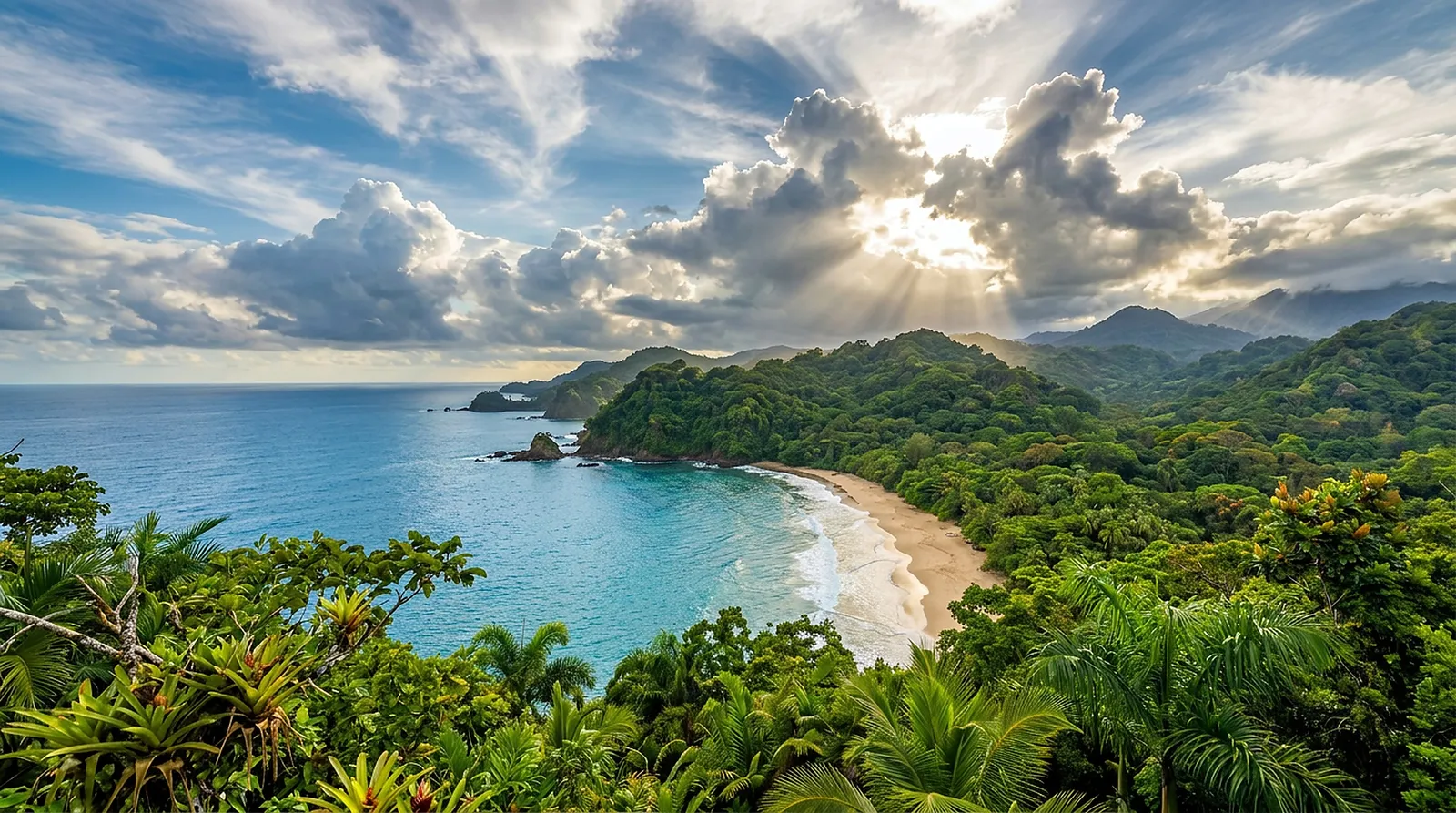
So, you’re thinking about diving Cocos Island in July? Let’s talk about what you can expect. July falls squarely within the "wet season" in Costa Rica, and while that might sound a bit daunting, for divers headed to Cocos, it's often a blessing in disguise. You'll likely encounter more cloud cover and occasional showers topside, but don't let that deter you – the magic happens below the surface. The sea state around Cocos in July can be a mixed bag. Expect generally moderate swells, although you might experience choppier conditions on transit days to and from the island. Once you’re in the sheltered bays and around the dive sites, it often calms down considerably.
Water temperatures in July are refreshingly cool, typically ranging from 24-26°C (75-79°F). While some might find this a bit chilly, it’s actually a prime factor in attracting the large pelagic life Cocos is famous for. Visibility is where it gets interesting. With the wet season comes increased nutrient upwelling, which can sometimes reduce visibility compared to the dry season. You might experience stretches of 10-20 meters, with some days offering closer to 25 meters. Don't let slightly lower visibility worry you too much though; it’s all part of the big animal experience. The currents around Cocos are consistently strong, a critical element in the ecosystem, and July is no exception. Expect rip currents and moderate to strong drifts at many sites. This isn't a place for the faint of heart or those new to strong currents, but it's precisely these currents that bring in the big stuff.
What you will see
July at Cocos Island is absolutely epic for large pelagics, and it's arguably one of the best months for classic hammerhead shark encounters. The cooler, nutrient-rich waters of the wet season create the perfect conditions for massive schools of scalloped hammerheads to aggregate around the cleaning stations. You’re not just seeing one or two; you're talking about hundreds, swimming majestically in formation. Besides hammerheads, white-tip reef sharks are practically everywhere, often seen resting in crevices or hunting in packs at night. Galápagos sharks are also a common sight, often cruising the deeper sections of the reefs. With a bit of luck, you might even spot tiger sharks making an appearance.
Beyond the sharks, manta rays and mobula rays are frequent visitors in July, often seen gliding gracefully through the water column, especially near cleaning stations. Eagle rays are also a regular sight. While Cocos isn't primarily known for macro life, if you take the time to look, you'll find some interesting critters, including various nudibranchs, gobies, and blennies. However, the true stars of July are the big guys. Dolphins frequently escort the liveaboards, and during your dives, you might encounter massive bait balls attracting tuna and other predators. Whale sharks, although never guaranteed, are more likely to be sighted during the wetter months due to the increased plankton. This truly is a month where the ocean feels alive and teeming with giants.
Top dive sites this month
For July diving at Cocos, a few sites really shine, making the most of the prevailing conditions. Manuelita Coral Garden, particularly on its deeper side, is a prime location for encountering those schooling scalloped hammerheads that July is so famous for. The currents here can be robust, but holding onto the rocks and waiting as the schools pass overhead is an unforgettable experience. It's also an excellent spot for Galápagos sharks and white-tips. Another must-dive is Bajo Alcyone. This submerged seamount is a magnet for pelagic life, and in July, it consistently delivers on large schools of hammerheads circling the peak. The cooler waters bring them in, and the strong currents mean you need to be prepared for a thrilling drift.
Dirty Rock is another top performer, especially for its large aggregations of hammerheads and other sharks. This iconic pinnacle attracts a huge variety of marine life, and the strong currents here funnel the pelagic action right to you. For a change of pace, Chatham Bay, particularly its outer edges, can be excellent for a night dive, offering encounters with hunting white-tip reef sharks and marble rays. While not always the primary focus for big animals, the unique topography and resident fish life here make it a valuable addition to your July itinerary. These sites, with their challenging currents and prolific life, are exactly what you come to Cocos in July for.
Practical tips for your trip
Given the cooler water temperatures of 24-26°C (75-79°F) in July, you'll definitely want a thicker wetsuit. A 5mm full suit is highly recommended, and if you tend to get cold easily, consider a 7mm or adding a hood and vest. This month is absolutely best suited for advanced divers. The consistent strong currents, unpredictable visibility, and offshore nature of Cocos Island mean you should have significant experience with drift diving, positive buoyancy control, and comfort in challenging conditions. This is not the place for beginners. Unfortunately, liveaboard availability for Cocos Island, especially during prime months like July, is notoriously tight. You should absolutely book your trip at least 12-18 months in advance to secure your spot.
When packing for your July Cocos adventure, remember that it's the wet season. Bring lightweight rain gear and water-resistant bags for topside comfort. Sun protection is still crucial, even with cloud cover, so pack reef-safe sunscreen, a wide-brimmed hat, and sunglasses. For diving, besides your wetsuit, consider bringing a reef hook (used responsibly and only on dead rock, as briefed by your dive guide) to help with strong currents, and a dive computer is essential. A signaling device like a Safety Sausage (SMB) and a whistle are also highly recommended for open-ocean diving. Be aware of the long transit time to Cocos (typically 36 hours each way), so bring entertainment for the journey. Also, Costa Rica requires a valid passport with at least six months' validity beyond your intended departure date. Always check the latest entry requirements for your nationality before you travel.
Year-round overview for Costa Rica (Cocos)
Frequently asked questions
Is July a good month to dive in Costa Rica (Cocos)?
What can you see diving in Costa Rica (Cocos) in July?
Should I book a Costa Rica (Cocos) liveaboard for July or wait?
Find a liveaboard for July
Compare available Costa Rica (Cocos) liveaboards departing in July.
Search and Book