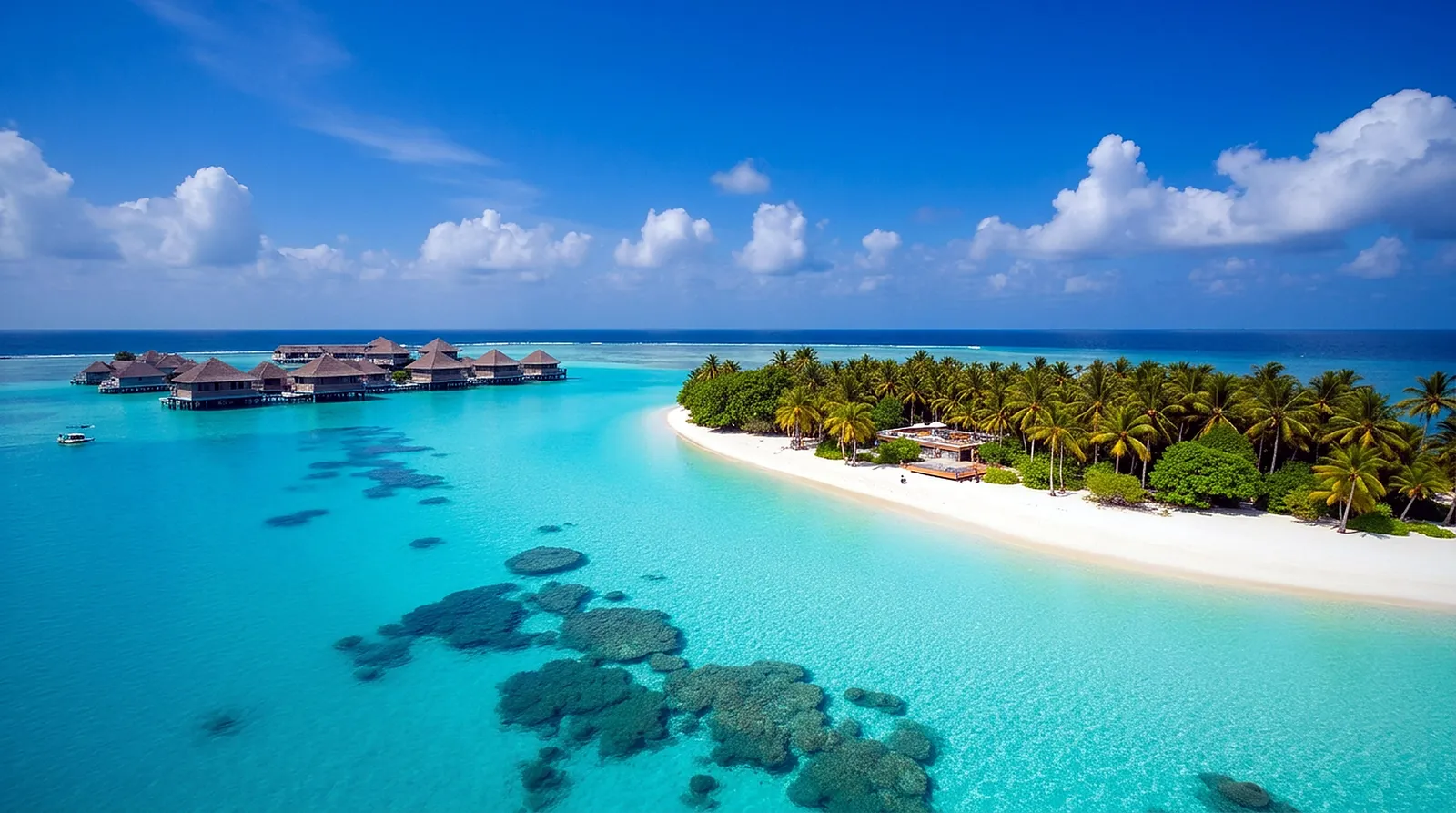
Conditions in July
So, you're eyeing a dive trip to the Maldives in July, eh? Let’s talk about what you can expect! This month falls smack dab in the middle of the southwest monsoon season, known locally as "Hulhangu." Now, don't let "monsoon" scare you off; it's not all doom and gloom. While it's generally considered the wetter and windier time of year, many savvy divers actually prefer it for its unique advantages. You might encounter more frequent, though often short-lived, rain showers, especially in the northern atolls. The winds pick up a bit, which can lead to choppier surface conditions, particularly in less sheltered areas or during transfers between atolls. This means your liveaboard might experience a bit more motion, but modern vessels are usually quite stable.
Water temperature remains delightfully warm year-round in the Maldives, and July is no exception. Expect a comfortable 27-30°C (81-86°F) throughout most of the atolls. You’ll be perfectly toasty in a 3mm shorty or even just board shorts and a rash vest if you're acclimatized. Visibility, however, can be a bit more unpredictable during the southwest monsoon, especially in the central atolls. The increased plankton blooms, which are a major draw for pelagics (we’ll get to that!), can reduce visibility, sometimes to around 10-20 meters. But don’t fret; in certain areas, particularly in channels or on outer reefs, you can still experience crystal-clear waters up to 25-30 meters. It’s all part of the July adventure!
Currents are a defining feature of Maldivian diving, and July is no different – in fact, they can be even more pronounced. The monsoon brings with it stronger currents, particularly through the atoll channels. This is precisely what makes July such a thrilling time for advanced divers. These powerful currents are vital for bringing nutrient-rich waters through the atolls, attracting all the big stuff you came to see. Expect a mix of mild to strong currents, often requiring negative entries and good buoyancy control. If you’re comfortable with drift diving, you’re in for a treat; if not, it’s a great opportunity to practice those skills with experienced dive guides.
What you will see
Alright, let’s get down to the exciting part: what magnificent creatures will you encounter in the Maldivian waters this July? The southwest monsoon, with its increased plankton, is essentially a giant buffet for filter feeders, and that means one thing: mantas! July is prime time for manta ray encounters, particularly in the central and northern atolls. These gentle giants congregate en masse in cleaning stations and feeding frenzies. You’re likely to witness spectacular displays as dozens of mantas acrobatically feed near the surface or gracefully glide over cleaning stations, giving you unforgettable close-up experiences. Hanifaru Bay in Baa Atoll, for instance, during the outgoing tide, can be an absolute spectacle of feeding mantas (though remember, it's snorkeling-only there and highly regulated). Other manta hotspots will be visited by liveaboards, offering fantastic opportunities to dive with them.
Beyond the majestic mantas, July also offers incredible opportunities for shark sightings. The stronger currents flowing through the channels bring a consistent stream of nutrients and smaller fish, making these areas ideal hunting grounds. Expect to see grey reef sharks, whitetips, and even blacktip reef sharks patrolling the reefs and channel entrances. Tiger sharks are also more frequently sighted in July, particularly in certain atolls like Laamu or Gaafu Alifu (Southern Atolls). If you're heading further south, Fuvahmulah is a year-round shark magnet, and July’s conditions can enhance those encounters, bringing in thresher sharks, oceanic whitetips, and the incredible tiger sharks in numbers. This is where those strong currents really pay off, acting as a conveyor belt for pelagic action.
And it’s not just about the big filter feeders and sharks. While the plankton blooms can sometimes reduce visibility, they also mean a thriving ecosystem. Keep an eye out for schooling fish – jacks, snappers, and Fusiliers – swirling around pinnacles and in channels. Moral eels, octopuses, and a myriad of vibrant reef fish are ever-present. For macro enthusiasts, don't despair! While the Maldives isn't typically renowned for it, the nutrient-rich waters can support a surprising array of smaller critters, such as nudibranchs, gobies, and cleaner shrimps, if you have a keen eye and a patient guide. The sheer quantity and diversity of marine life, fueled by the monsoon, truly make July a dynamic and thrilling time to dive.
Top dive sites this month
When planning your July dive adventure in the Maldives, certain regions and sites truly shine. The Baa Atoll, home to the famous Hanifaru Bay (for snorkeling with mantas, remember!), is an absolute must-visit during this season. While Hanifaru itself is snorkel-only, surrounding dive sites in Baa Atoll offer incredible manta action and vibrant reefs. Another fantastic region is the Ari Atoll. Sites like Maaya Thila, famous for its nocturnal shark activity and bustling reef life, are always a treat. For exhilarating drift dives and consistent shark encounters, the channels of South Ari Atoll are exceptional. Dive sites such as Kudarah Thila or Rangali Madivaru are often buzzing with grey reef sharks and eagle rays benefiting from the seasonal currents.
For the ultimate pelagic playground, especially if you’re keen on diverse shark encounters, the southern atolls – particularly Gaafu Alifu (North Huvadhoo) and Fuvahmulah – are where you need to be. Fuvahmulah is legendary for its consistent sightings of tiger sharks, thresher sharks, and even oceanic whitetips, and the July currents can make these encounters even more potent. Gaafu Alifu offers expansive, pristine reefs and some of the healthiest coral in the Maldives, alongside strong channel dives that attract plenty of sharks and other pelagics. While the surface conditions might be choppier heading south, the underwater rewards are immense for experienced divers seeking world-class pelagic action.
Practical tips for your trip
Given the comfortable water temperatures of 27-30°C (81-86°F), a 3mm full wetsuit or a 3mm shorty is usually ample for most divers. If you tend to get cold easily or plan on multiple dives a day, a full suit provides extra protection and warmth. For the more robust among you, a rash vest and board shorts might even suffice! The conditions in July, with potentially stronger currents and choppier surface conditions, make it an ideal month for intermediate to advanced divers. If you're a beginner, don't be deterred, but ensure you choose a liveaboard that caters to a wider range of experience levels and provides thorough briefings and guidance on managing currents. Make sure you’re comfortable with drift diving, or at least prepared to learn quickly!
Liveaboard availability in July can vary. While it's considered part of the "low" season due to the monsoon, many experienced divers specifically seek out this month for the pelagic action, so it's wise to book in advance, especially for popular routes like those incorporating Baa Atoll or the Southern Atolls. What to pack? Besides your standard dive gear, consider bringing a light rain jacket or waterproof shell for surface intervals, especially if you're prone to getting chilly after dives. Reversible currents can influence dive plans significantly, so be aware that specific sites might be swapped or adjusted based on conditions and your dive guide's expertise to ensure the best possible experience. Embrace the adventure, and you'll be treated to a Maldivian dive trip unlike any other!
Year-round overview for the Maldives
Frequently asked questions
Is July a good month to dive in the Maldives?
What can you see diving in the Maldives in July?
Should I book a the Maldives liveaboard for July or wait?
Find a liveaboard for July
Compare available the Maldives liveaboards departing in July.
Search and Book