Conditions in July
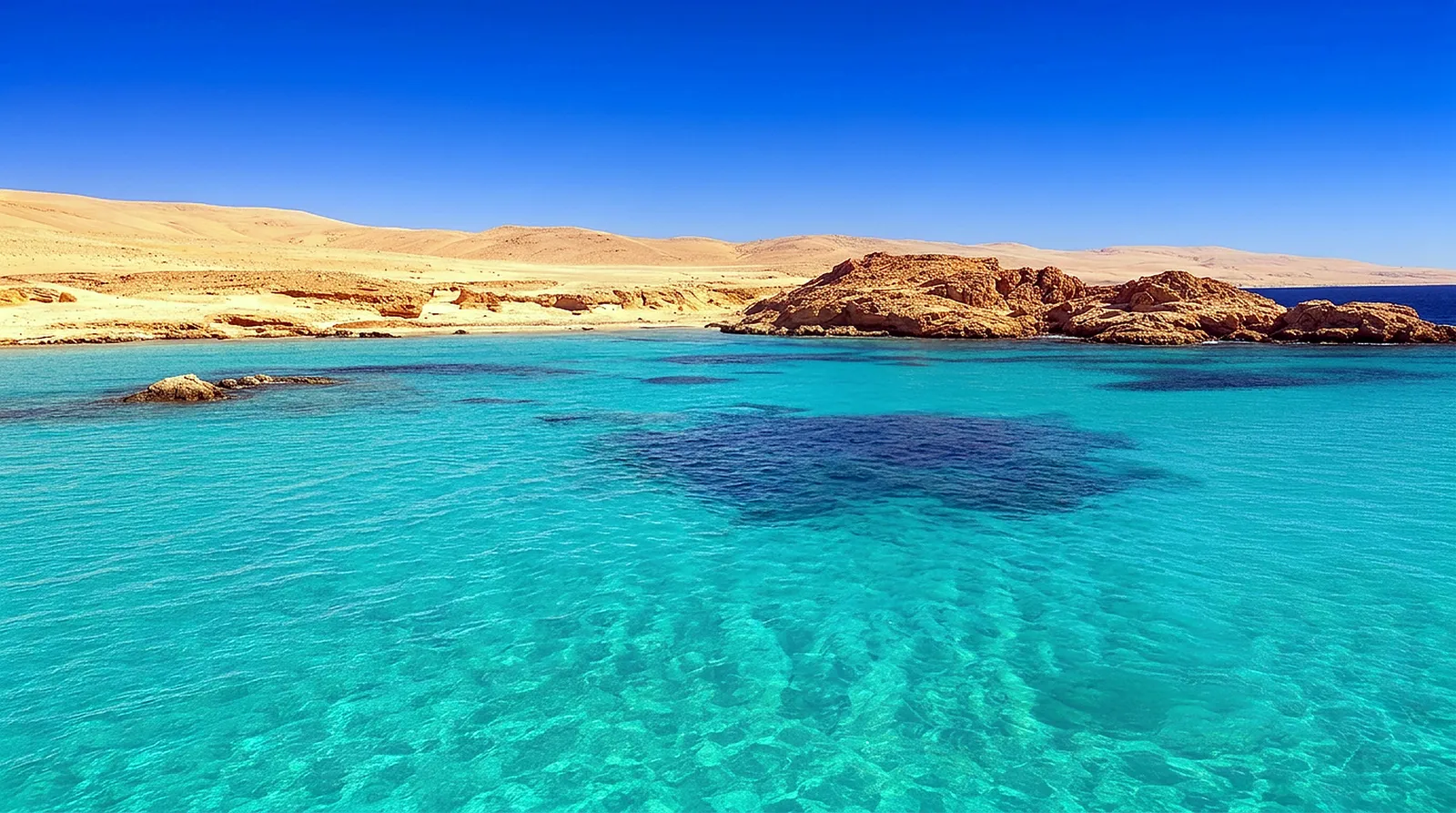
So, you're eyeing Egypt for a dive trip in July? Excellent choice. You're looking at prime conditions for making some incredible underwater memories. Let's talk weather first: above the surface, expect hot and sunny days. We’re talking reliably warm, with temperatures often soaring above 30°C (86°F), sometimes even nudging 40°C (104°F) in some areas, especially inland. But don’t let that deter you; a quick refreshing dip in the Red Sea is always within reach, and our liveaboards are designed for comfort in these conditions. Humidity is generally lower than in other tropical destinations, making the heat more manageable.
Underwater, things are even more delightful. The water temperature is blissfully warm, typically ranging from 26°C to 29°C (79°F to 84°F) across most dive sites in the Egyptian Red Sea. This means you can comfortably dive with minimal thermal protection, which we'll address in the tips section. Visibility is consistently excellent during July. You can expect staggering clarity, often reaching or even exceeding 30 meters (100 feet). This crystal-clear water provides perfect conditions for spotting distant pelagics and admiring the intricate details of the coral reefs.
Sea states in July are generally calm, a welcome relief from some choppier winter months. This makes for smooth sailings on our liveaboards and comfortable entry and exit from the water. While localized currents can always be present, especially around offshore pinnacles and reef systems like the Brothers Islands, they are typically predictable and manageable for experienced divers. Our expert dive guides are always on hand to brief you on current conditions and plan drift dives accordingly, ensuring a safe and exhilarating experience.
What you will see
July in the Egyptian Red Sea is a fantastic time for marine life encounters, especially for those seeking larger schooling fish and pelagic action. While the Red Sea generally boasts incredible biodiversity year-round, July often sees an increase in specific sightings. You’ll be treated to vibrant reef systems teeming with anthias, clownfish, angelfish, and bannerfish. Keep your eyes peeled for the resident Napoleon wrasse, often quite curious about divers, and the ubiquitous blue-spotted stingrays gracefully gliding along the sandy bottoms.
For pelagic enthusiasts, July can be a rewarding month. Oceanic whitetip sharks are regularly sighted, particularly around the offshore reefs like Elphinstone and the Brothers Islands. These magnificent creatures are often curious and can offer incredible, albeit respectful, close-up encounters. Hammerhead sharks, while more elusive, are also known to pass through the deeper waters around these same sites, especially early in the morning or late in the afternoon. Grey reef sharks and silvertip sharks are also common residents of these deeper reef systems.
While manta ray sightings are never guaranteed, the warmer waters of July can sometimes bring them closer to the shallower reefs, particularly in the southern Red Sea. Keep an eye out for schooling barracuda, trevally, and tuna hunting in the blue. Additionally, July is an excellent time for observing larger aggregations of schooling fish, as they often gather in impressive numbers before their spawning seasons. Macro photographers will still find plenty to marvel at, from various nudibranchs and flatworms to gobies and anemone shrimp, hiding amongst the corals.
Top dive sites this month
When planning your July dive adventure, steer your liveaboard towards the offshore reefs for the most thrilling encounters. The Brothers Islands (Big Brother and Little Brother) are absolutely essential. These remote pinnacles, rising from immense depths, are globally renowned for their stunning coral gardens, dramatic walls, and frequent pelagic sightings. July is prime time for oceanic whitetips patrolling the reef and the possibility of hammerhead schools in the blue. The wrecks of the Aida II and Numidia at Big Brother are also incredible, adorned with vibrant soft corals.
Next on your must-dive list should be Daedalus Reef. This isolated, circular reef is another pelagic magnet. Its sheer walls plunge into the abyss, attracting a wide array of sharks, including oceanic whitetips and schooling hammerheads, especially during the warmer months. The iconic lighthouse towering over the reef adds to its allure. Finally, don't miss Elphinstone Reef, a legendary site known for its thrilling drifts and reliable shark encounters. Its north and south plateaus are hubs for oceanic whitetips during July, and the colourful corals are a sight to behold. These three sites collectively offer the quintessential Egyptian Red Sea pelagic experience in July.
Practical tips for your trip
Given the wonderfully warm water temperatures in July, you’ll be comfortable with minimal thermal protection. Most divers will find a 3mm shorty wetsuit or even just a rash guard sufficient. If you tend to get cold easily or plan on doing multiple dives a day, a full 3mm wetsuit would be ideal. For those truly embracing the warmth, a skin suit or even just swimwear offers enough protection from stinging hydroids. This month is fantastic for both beginner and advanced divers. Beginners will appreciate the calm seas and excellent visibility, making learning easier and more enjoyable. Advanced divers will relish the challenging drift dives and pelagic action at the offshore reefs.
Liveaboard availability in July can be competitive, as it’s a popular time to visit. We strongly recommend booking your Blue Rides liveaboard well in advance to secure your preferred itinerary and cabin. What to pack? Lightweight, breathable clothing is key for topside comfort. Don't forget a wide-brimmed hat, high-SPF sunscreen (reef-safe, please!), and sunglasses. A light jacket or long-sleeved shirt might be useful for cooler evenings on deck, but it's purely for sun protection or personal preference. Bring your own mask and dive computer if you have them, as comfort and familiarity are priceless.
Finally, a couple of things to be aware of: Hydration is crucial in the hot Egyptian climate, so drink plenty of water throughout the day. Your liveaboard will have ample supplies. Also, while the Red Sea is generally a safe place, always be mindful of your surroundings; strong currents can occur, especially in the passages between reefs. Always listen to your dive guides, and remember that touching marine life is strictly forbidden. Embrace the warmth, the clarity, and the exciting marine life that July in the Red Sea has to offer – you're in for an unforgettable adventure!