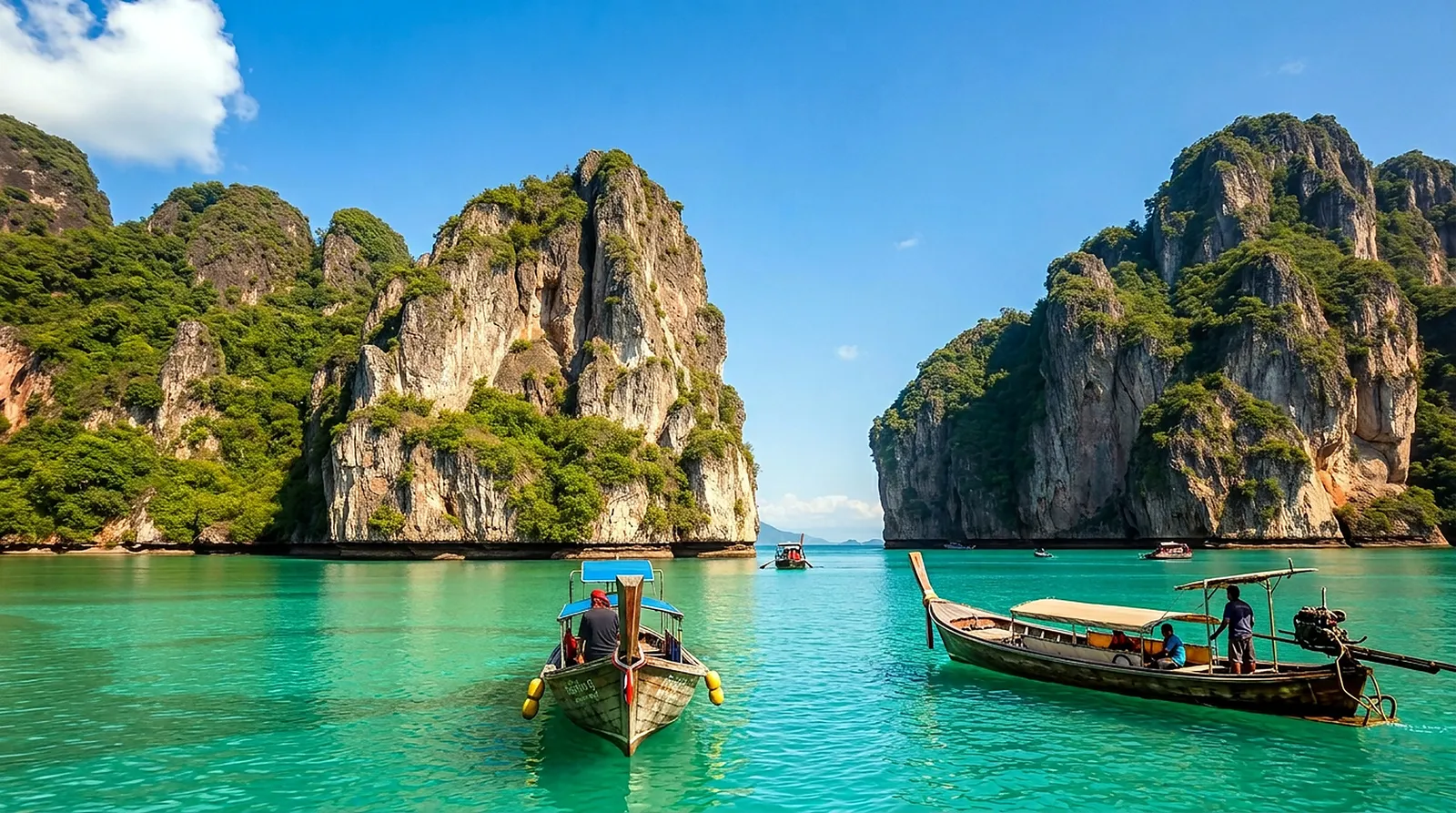
Conditions in July
Diving in the Philippines during July can be a truly spectacular experience, though it's essential to understand the seasonal nuances. This month falls within the country's wet season, or southwest monsoon (Habagat), which generally means higher chances of rainfall. However, don't let that deter you! Many areas, particularly those sheltered from the direct prevailing winds, remain excellent for diving. Expect average air temperatures to hover around 28-32°C (82-90°F), with humidity levels on the higher side. Sea conditions can vary significantly by region. In well-protected bays and islands, you'll still find calm, glassy waters, perfect for smooth boat rides and easy entries. But in more exposed areas, especially on the western and southern coastlines, you might encounter choppier seas and stronger surface currents.
Water temperatures across the Philippines in July are consistently warm, typically ranging from a comfortable 27-30°C (81-86°F). This means you'll be comfortable in a relatively thin wetsuit. Visibility, while generally excellent year-round in the Philippines, can be slightly more variable during the rainy season. In some areas, heavy rainfall might temporarily reduce visibility closer to shore due to runoff. However, once you're on the reefs further out, you can still expect impressive visibility often exceeding 15-25 meters (50-80 feet), with some sites offering even more. Currents can also be a little more unpredictable in certain locations this time of year, especially around passes and channels, offering thrilling drift dives but requiring careful planning by your dive guides. It's a fantastic time for those who appreciate the vibrancy that the wet season brings to terrestrial landscapes and aren't afraid of a little tropical rain.
What you will see
July in the Philippines is a phenomenal month for diversity, especially for those seeking out large pelagics and unique macro life. This isn't typically the peak season for whale shark aggregations in places like Oslob or Donsol (which are usually earlier in the year), but you still have excellent chances of encounters in other, less crowded spots if you're lucky. For manta rays, some regions offer year-round opportunities, and July can still deliver breathtaking sightings, particularly in cleaning station hotspots. Schools of barracuda, big-eye trevally, and fusiliers are a constant presence on healthy reefs, creating mesmerizing visual spectacles. Keep an eye out for reef sharks – blacktip, whitetip, and even grey reef sharks – patrolling the coral gardens and drop-offs.
Beyond the big stuff, July's slightly more varied conditions can also lead to interesting macro discoveries. Nudibranchs are abundant, showcasing an incredible array of shapes, colours, and sizes. Look closely for pygmy seahorses clinging to gorgonian corals, particularly around sloping reefs and walls. Frogfish, often masters of camouflage, are excellent finds for keen-eyed divers. This month can also be good for spotting various crustaceans, from colourful mantis shrimp to ornate crabs peeking out from crevices. Don't be surprised to encounter turtles – green and hawksbill – gracefully gliding over the reefs or resting in sandy patches. The slightly richer waters can sometimes bring an increase in plankton, which, while potentially reducing crystal-clear visibility by a touch, often attracts larger filter feeders, making it a trade-off many divers are happy to make.
Top dive sites this month
When considering diving in the Philippines in July, your best bets are often the regions that are more sheltered from the direct effects of the southwest monsoon, or those that offer excellent diving regardless of the season. Malapascua Island, located north of Cebu, remains a standout. While you might experience some rain, the primary draw – thresher sharks at Monad Shoal – operates year-round, with July being no exception. The sharks reliably visit the cleaning station at dawn, and the island's other dive sites like Gato Island (famous for its cave, white-tip reef sharks, and sea snakes) or Kalanggaman Island (for stunning walls) continue to offer fantastic diving. The surrounding waters generally maintain good visibility and temperatures.
Another excellent choice is the Visayas region, particularly sites around Dauin (Negros Oriental) and Apo Island. Dauin is world-renowned for its incredible muck diving, and macro critters thrive here regardless of the season. You'll find a smorgasbord of rare and unusual invertebrates and fish year-round, making it a paradise for underwater photographers. Just a short boat ride away, Apo Island boasts pristine coral reefs, abundant turtle populations, and consistently clear waters, providing a stark contrast to Dauin's volcanic sandscapes. Both locations offer a diverse diving experience and are generally less impacted by monsoon-related rough seas compared to some other parts of the archipelago. For advanced divers seeking adventure, some liveaboard itineraries to Tubbataha Reefs Natural Park might still be possible in early July, but this protected area typically closes down for the latter part of the wet season, so always check specific liveaboard schedules well in advance.
Practical tips for your trip
Given the warm water temperatures of 27-30°C (81-86°F), a 3mm shorty or full wetsuit will be more than sufficient for most divers in July. Some experienced divers might even opt for just a rash guard for sun protection. For those prone to getting cold, particularly after multiple dives, a 3mm full suit will provide ample insulation. This month generally suits divers of all experience levels, from beginners enjoying sheltered reef dives to advanced divers tackling more current-swept sites, provided always that you choose your dive sites and operators wisely based on prevailing conditions. Liveaboard availability can be good in July, especially for itineraries focusing on the central Visayas or moving between more sheltered islands. However, it's always wise to book in advance, especially if you have specific dates or a particular liveaboard in mind, as some operators might reduce their fleet or shift itineraries during the wet season to focus on the best conditions.
When packing for your July dive trip to the Philippines, definitely include lightweight, breathable clothing, a good rain jacket or poncho (even if you're just using it for walking to and from the dive boat), and plenty of reef-safe sunscreen. A wide-brimmed hat and sunglasses are also essential. Because it's the wet season, mosquitos can be more prevalent, so consider bringing insect repellent. It’s also a good idea to pack an extra dry bag for electronics and important documents. While credit cards are accepted in major tourist hubs, having some local currency (Philippine Pesos) for smaller purchases, tips, and remote island excursions is always practical. Always be aware of the weather forecasts closer to your travel dates and stay in communication with your chosen liveaboard or dive resort. Flexibility is key, but the rewards of diving the Philippines in July – fewer crowds and vibrant marine life – are absolutely worth it.
Year-round overview for the Philippines
Frequently asked questions
Is July a good month to dive in the Philippines?
What can you see diving in the Philippines in July?
Should I book a the Philippines liveaboard for July or wait?
Find a liveaboard for July
Compare available the Philippines liveaboards departing in July.
Search and Book