Conditions in July
So, you’re thinking about diving in Djibouti in July? Let’s get straight to it. While Djibouti is a year-round diving destination, July sits firmly within its summer season, which means you’re looking at some distinct conditions. Expect the air temperatures to be soaring, often well over 35°C (95°F), and the humidity can be quite high. On the surface, the Red Sea and Gulf of Tadjoura will be a warm embrace, with water temperatures typically ranging from a balmy 29°C to 31°C (84°F to 88°F). This is fantastic for those who feel the cold easily, as you'll likely be comfortable in a thin wetsuit or even just a rash guard.
Visibility tends to be good, though perhaps not at its absolute peak compared to the cooler winter months. You can generally expect to see between 15 and 25 meters, which is still plenty to appreciate the vibrant reefs and marine life. Occasionally, localized plankton blooms, fueled by the warmer waters, might reduce visibility in certain areas, but these are often temporary and can even be a good sign for some pelagic encounters. Sea state is usually calm and agreeable, especially within the Gulf of Tadjoura’s sheltered waters. When you venture further out, you might encounter some gentle swells, but nothing too challenging for most divers.
Currents around the Seven Brothers Islands, a perennial favorite spot, can be moderate to strong at times, particularly around the passages between the islands. These currents are what attract the larger pelagics and make for exciting drift dives. However, experienced guides will always plan their dives to make the most of the currents or avoid them if necessary, ensuring a safe and enjoyable experience for everyone on board. It’s definitely a time for warm-water diving, so prepare for comfortable conditions once you’re in the water.
What you will see
July in Djibouti might not be the peak season for whale sharks, which typically prefer the cooler waters of autumn and winter. However, don't let that discourage you! The warmer waters of July bring their own unique charm and a wealth of marine sightings. You can still encounter smaller, juvenile whale sharks in the Gulf of Tadjoura, particularly around areas like Arta and Ghoubet Al Kharab, which serve as nursery grounds. While sightings are less frequent than in the cooler months, they are by no means impossible, and the thrill of spotting one is just as immense.
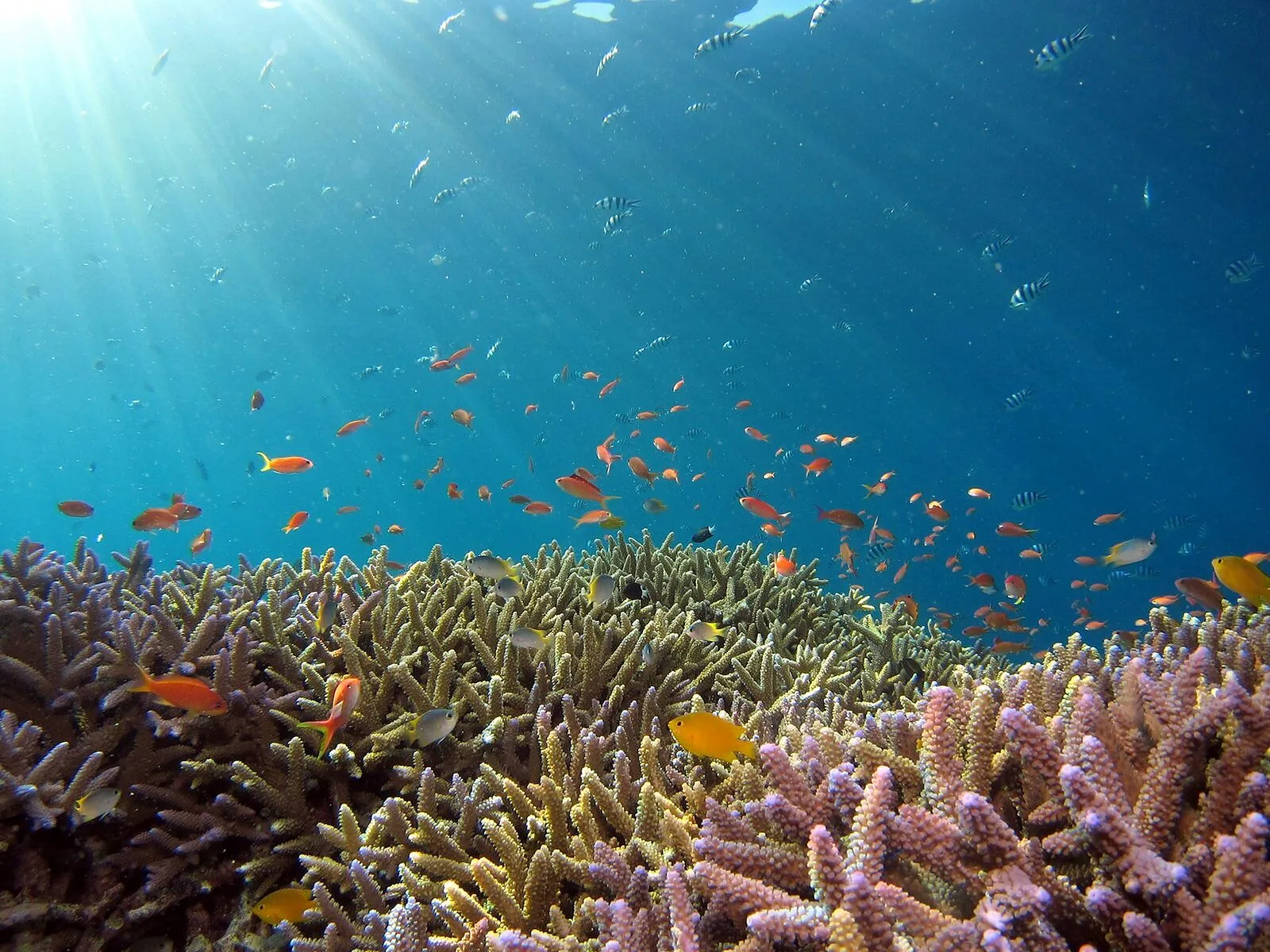
One of the major draws in July is the abundance of pelagic life. The currents around the Seven Brothers Islands act as a magnet for larger fish. You’ll be treated to schools of barracuda, snapper, and trevally swirling in impressive formations. Keep an eye out for various species of sharks too, such as grey reef sharks and whitetip reef sharks, often patrolling the reef edges. There's also a good chance of encountering manta rays and mobula rays, especially around cleaning stations and areas with richer plankton concentrations. The healthy coral reefs themselves are teeming with vibrant reef fish, from colorful parrotfish and angelfish to numerous species of groupers and moray eels peeking out from their hideouts.
Macro lovers won't be disappointed either. Despite the prevalence of larger animals, the reefs host an incredible array of smaller critters. Look closely and you’ll find nudibranchs, flatworms, and various crustaceans nestled amongst the corals. The vibrant hard and soft coral gardens are breathtaking in their own right, providing homes for countless species. You might also spot dolphins dancing around the boat during surface intervals, a joyful bonus to any dive trip. It’s a month packed with diverse marine life, promising exciting encounters for all.
Top dive sites this month
When diving Djibouti in July, the undeniable stars of the show are the Seven Brothers Islands (also known as Sawabi Islands). This archipelago offers a fantastic mix of drift dives, wall dives, and vibrant reef systems. Dive sites like Tadjoura Wreck (a small shipwreck teeming with macro life and resting sharks) and White Lady (a stunning wall dive with healthy corals and potential pelagic encounters) are excellent choices. The currents here, while sometimes strong, are precisely what attract the schools of jacks, barracuda, and reef sharks that you’ll be hoping to see. You'll spend immersive hours exploring the deep blue and the coral gardens that carpet the islands’ fringes.
Beyond the Seven Brothers, the waters around the Gulf of Tadjoura offer calmer conditions and incredible biodiversity. Sites such as Arta Bivouac and Ghoubet Al Kharab are well-regarded for their unique underwater topography, including volcanic formations and vibrant soft corals. Although less frequent in July, these areas are also historically known for whale shark sightings, especially younger individuals. Even without the whale sharks, these sites boast an impressive array of reef life, from vibrant nudibranchs to curious moray eels and schools of fusiliers.
Practical tips for your trip
Given the warm water temperatures of 29-31°C (84-88°F) in July, you’ll comfortably dive in a 3mm shorty wetsuit, a skin suit, or even just a rash guard and board shorts. Some divers might even opt for no wetsuit at all, though wearing some form of protection against sun and potential minor stings is always advisable. This month is generally suitable for all levels of divers, from beginners to experienced. The calmer waters within the Gulf of Tadjoura offer relaxed diving for those with less experience, while the Seven Brothers provide exhilarating drift dives that advanced divers will relish. Your dive guides will always assess the conditions and tailor the dives to the group's capabilities.
Liveaboard availability in Djibouti can be more limited during the summer months compared to the cooler, peak whale shark season. Booking well in advance is always a smart move, especially if you have specific dates or a particular liveaboard in mind. What to pack? Lightweight, breathable clothing is a must for the hot surface temperatures. Sunscreen, a wide-brimmed hat, and sunglasses are essential. Don't forget your certified diving medical and dive insurance! Given the remote nature of some dive sites, and the often limited medical facilities onshore, having comprehensive travel and dive insurance is non-negotiable for your peace of mind. While Djibouti is generally safe, it's always wise to be aware of your surroundings and any local advice provided by your liveaboard crew. Prepare for an adventure filled with warmth, vibrant reefs, and exciting marine encounters!