Djibouti Liveaboard Diving

Liveaboards in Djibouti

from $209 / day

2 of 2 · Djibouti liveaboard routes, seasons & prices

Felicidad II

Discover Djibouti's underwater marvels aboard this intimate and eco-conscious liveaboard.

  • En-suite bathrooms
  • Air-conditioned cabins
  • Warm water showers

4.3(9 reviews)

18 guestsfrom $210/day
Elegante

Discover Djibouti's whale sharks and pristine reefs aboard an intimate traditional schooner.

  • En-Suite bathrooms
  • Aircon Cabins
  • Warm Water Showers

4.0(55 reviews)

14 guestsfrom $209/day

Diving in the Red Sea: wrecks, walls and whale sharks

At the crossroads of the Red Sea and the Indian Ocean, a unique confluence of currents creates one of the most nutrient-rich marine environments on the planet. This is the essence of Djibouti diving: a raw, expedition-style adventure into waters teeming with life. The volcanic landscapes above the surface are mirrored below, with dramatic underwater topography and exceptional visibility. A Djibouti liveaboard is not just a dive trip; it's an exploration of a geologically active and biologically significant corner of the ocean, far from the crowds of more established Red Sea routes.

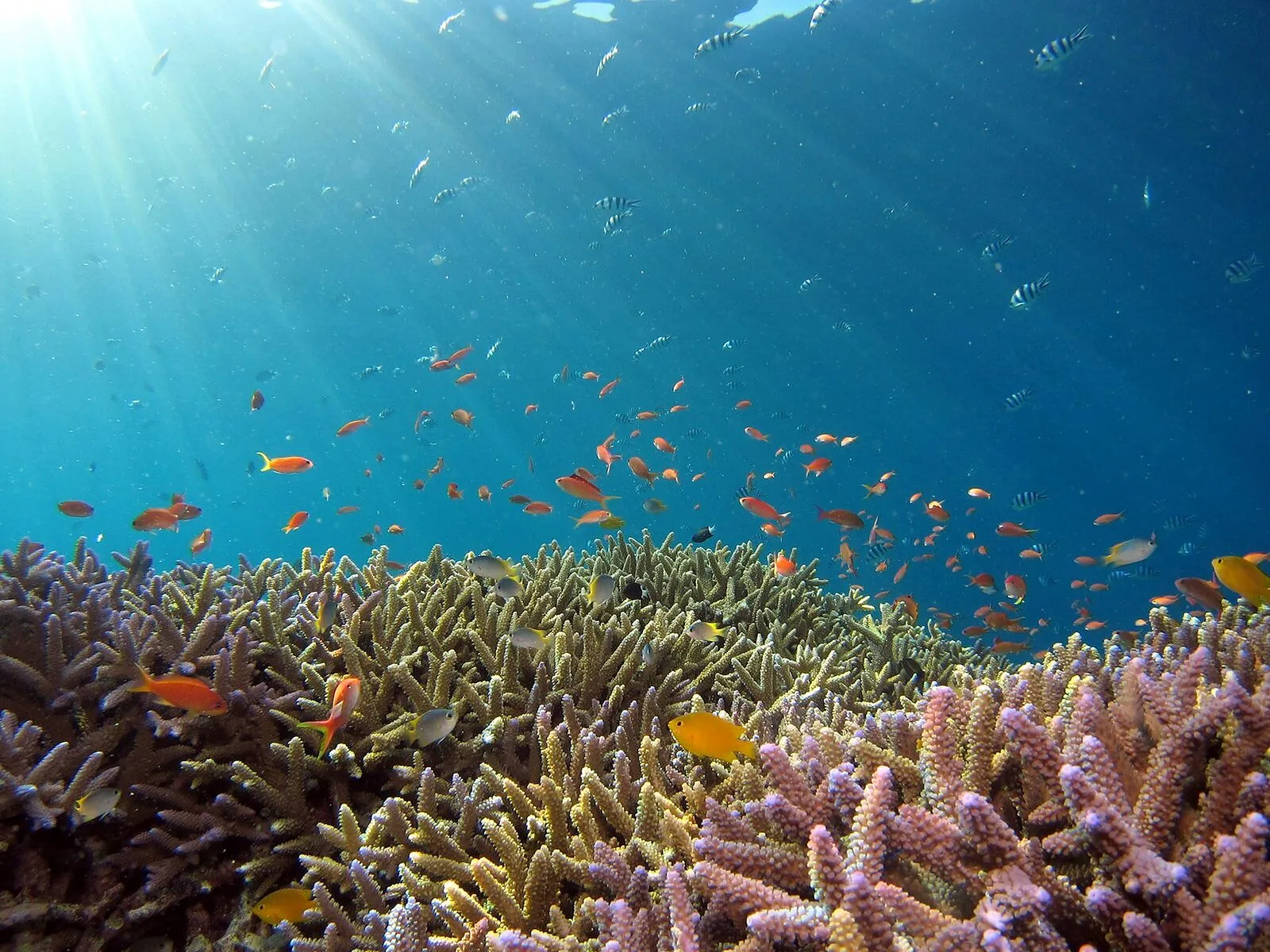
The primary draw is the predictable aggregation of juvenile whale sharks in the Gulf of Tadjoura. These plankton-rich waters serve as a vital nursery, offering unparalleled, close-up encounters. Beyond these gentle giants, the best dive sites in Djibouti showcase remarkable diversity. Explore the vibrant coral gardens and steep drop-offs around Moucha Island, or descend into 'The Crack' (La Faille), a literal tear in the earth's crust between two tectonic plates. It's common for a Djibouti liveaboard itinerary to include encounters with large pods of dolphins, graceful manta rays, and a healthy population of reef sharks, set against a backdrop of pristine hard and soft corals.

The optimal window for this adventure is from November to February, when plankton blooms attract the highest concentration of whale sharks and water temperatures are comfortable. The diving conditions can be varied, with potential for currents and cooler upwellings, making this a destination best suited for experienced divers. If you're an advanced diver seeking a true expedition-style trip, focused on unique pelagic encounters and dramatic underwater geology away from the mainstream, then Djibouti diving delivers an unforgettable experience. It's a journey for the discerning diver who values rare encounters over resort comforts.

Why dive a liveaboard in Djibouti

From legendary wrecks and thriving reefs to close-up encounters with iconic marine life, this destination offers the experiences divers dream about. Warm, clear waters and well-organized liveaboard routes make it easy to explore the best sites. These are the highlights that keep divers coming back year after year.

Whale shark capital

Up to 50 whale sharks in a single day during peak season

Red Sea meets Indian Ocean

Unique convergence of two marine ecosystems

Pristine reefs

Untouched coral gardens around Moucha and Maskali islands

Year-round warm waters

Water temperatures between 25-30°C all year

Who a liveaboard in the Red Sea suits — and who it doesn't

Djibouti is a short, seasonal Red Sea and Gulf of Tadjoura trip built around whale sharks and untouched reef.

Beginners

Open Water, from about 20 dives

The Gulf of Tadjoura has sheltered bays and shallow reef, and the whale-shark encounters near Arta Beach are snorkelling, open to non-divers.

Matching areas:Gulf of TadjouraArta BeachBay of Ghoubbet

Advanced divers

Advanced, current and remote sites

The Seven Brothers Islands sit in the Bab-el-Mandeb approach with strong tidal current and rich hard coral.

Matching areas:Seven Brothers IslandsRas SiyyanSable Blanc

Deep and technical

Deep, Nitrox; no technical infrastructure

Walls and channels drop away quickly, but Djibouti is remote with minimal medical backup — sensible recreational limits and Nitrox rather than decompression diving.

Matching areas:Seven Brothers IslandsGhoubbet

Photo and video

Wide-angle, seasonal whale sharks

Juvenile whale sharks aggregate roughly October to February in the Gulf of Tadjoura; the Seven Brothers deliver untouched hard-coral scenery.

Matching areas:Arta BeachSeven Brothers Islands

Best time to dive in Djibouti

The best time for a Djibouti liveaboard is from October to March, with the experience defined by two distinct seasons. The primary whale shark season runs from October to February, when plankton blooms in the Gulf of Tadjoura attract large numbers of juveniles in calm waters of 25–28°C. From March onwards, the focus shifts to exploring the pristine reefs of the Seven Brothers Islands, with warmer water and occasional currents.

👆 Click any month for detailed conditions
Excellent
Good
Off-Season

Oct – Mar (Peak)

Whale shark season in the Gulf of Tadjoura, best visibility up to 25m, comfortable air temperatures, calm seas.

Apr & Sep (Shoulder)

Rising temperatures, fewer whale sharks but good reef diving. Manta rays and dolphins common.

May – Aug (Hot Season)

Extreme heat above 40°C, reduced visibility, strong currents. Most dive operations scale back.

Underwater visibility

27m
(89ft)
15m
(49ft)
3m
(10ft)
Jan
Feb
Mar
Apr
May
Jun
Jul
Aug
Sep
Oct
Nov
Dec

Air & water temperature

44°C 34°C 23°C
26°
29°
25°
29°
26°
31°
27°
33°
28°
36°
30°
40°
30°
42°
30°
41°
29°
38°
28°
33°
27°
31°
26°
29°
Jan
Feb
Mar
Apr
May
Jun
Jul
Aug
Sep
Oct
Nov
Dec
Water
Air (Day)

Recommended wetsuit

5mm
5mm
5mm
3mm
3mm
3mm
3mm
3mm
3mm
3mm
3mm
5mm
Jan
Feb
Mar
Apr
May
Jun
Jul
Aug
Sep
Oct
Nov
Dec
3mm (warm)
5mm (moderate)
Wetsuit Guide

What you'll see diving in the Red Sea

Djibouti’s main attraction is the predictable aggregation of juvenile whale sharks in the Gulf of Tadjoura from October to February, often accompanied by manta rays. Divers can also expect healthy populations of grey and nurse sharks, especially around the Seven Brothers Islands, and encounters with large pods of dolphins. The reefs are vibrant with over 200 species of coral, supporting an abundance of reef fish, moray eels, and turtles year-round.

When to See What

Use this calendar as a guide: the highlighted months show when your chances are usually best. Wildlife follows its own rhythm, so sightings are never guaranteed — but we hope this makes planning a little easier. The seasonal rhythm of Djibouti's marine life is defined by the plankton blooms from October to February, which attract large aggregations of juvenile whale sharks and manta rays to the Gulf of Tadjoura. While reef sharks and dolphins are present year-round, these winter months offer the most reliable encounters with the destination's famous gentle giants.

Species
Jan
Feb
Mar
Apr
May
Jun
Jul
Aug
Sep
Oct
Nov
Dec
Whale Shark
Whale Shark
Oceanic Manta Ray
Oceanic Manta Ray
Sea Slug
Sea Slug
Flying Fish
Flying Fish
Foster's Hawkfish
Foster's Hawkfish
Funeral Jorunna
Funeral Jorunna
Jenkins Whipray
Jenkins Whipray
Ladder-finned Pomfret
Leatherjacket
Leatherjacket
Lizardfish
Lizardfish
Longnose Hawkfish
Longnose Hawkfish
Needlefish
Needlefish
Pilotfish
Pilotfish
Remora
Remora
Scad
Scad
Peak Season
Present
Rare/Absent

Gulf of Tadjoura and Seven Brothers Islands: the best dive sites in Djibouti

A liveaboard is essential for exploring Djibouti's most dramatic and remote dive sites, which are spread across the Gulf of Tadjoura and the Seven Brothers Islands. Expeditions to the Seven Brothers archipelago reveal pristine walls and strong currents perfect for pelagic action, which are inaccessible on day trips. Itineraries also focus on unique geological sites like 'The Crack' in Le Goubet, a fissure between tectonic plates, and the vibrant reefs of Moucha Island.

1

Tombant Point

ReefIntermediate
1540m / 49131ftBest: October–February11.6672°, 43.1491°

Tombant Point is a premier dive site located within the expansive Gulf of Tadjoura, a deep basin that lies just south of the Red Sea's entrance, surrounded by Djibouti's coastline. This location is renowned for its spectacular coral gardens, plummeting walls, and fascinating underwater topography, featuring numerous caverns and overhangs that add to its allure. The site is a dynamic environment, offering fast-paced drift dives due to the significant volume of nutrition funnelling through the area, which supports a rich ecosystem. Diving at Tombant Point often reveals an impressive array of marine life, including diverse reef fish and the potential for encounters with larger pelagic species. During the peak season from October to February, the plankton-rich currents in the Gulf of Tadjoura attract magnificent whale sharks and manta rays, making sightings here particularly likely. The healthy reefs and soft corals contribute to a vibrant underwater landscape that thrives with life. The dive experience at Tombant Point is characterized by its dramatic wall dives and the exhilaration of drifting along the reef. While offering stunning visuals, the currents can be substantial, making it a site that rewards divers with some experience in dynamic water conditions. This site is frequently part of liveaboard itineraries exploring the Gulf of Tadjoura, providing a comprehensive Djibouti diving adventure.

Spectacular coral gardensPlummeting walls with overhangsFast-paced drift divesSeasonal whale shark encountersSeasonal manta ray sightingsDiverse reef fish populationsHealthy soft coral growthDynamic underwater topography
2

Moucha wrecks

WreckAdvanced
550m / 16164ftBest: October–February11.8106°, 43.0754°

The Moucha wrecks, including the notable Orchard Reefer and Le Fon, offer a distinctive dive experience within Djibouti's Gulf of Tadjoura, contrasting with the region's prevalent coral reefs. These artificial habitats serve as dynamic ecosystems, attracting a rich diversity of marine life, from intricate macro subjects to substantial pelagic fish. The area is part of Djibouti’s first designated Marine Protected Area, ensuring the preservation of its underwater environment. Topographically, the wrecks provide complex structures for exploration, lying at depths suitable for various diver levels. The Orchard Reefer, for example, rests on its port side between 10 and 28 meters, revealing a fascinating rupture in its deck that divers can navigate. While the general Moucha Island area features healthy hard and soft corals, the wrecks themselves are encrusted with marine growth, creating unique photo opportunities. Marine life around the Moucha wrecks is abundant, with large groupers often found at deeper sections and schooling fish like batfish, glassfish, and snappers circling the structures. Macro enthusiasts can discover nudibranchs and other small invertebrates. During the whale shark season (October to February), there's an increased chance of encountering these giants, along with manta rays and dolphins in the broader Gulf of Tadjoura. Diving these sites often forms part of a liveaboard itinerary, providing the best access to these and other remote Djibouti dive locations. Conditions are generally calm with moderate currents, though specific wreck locations can experience variations. The clear, warm waters make for comfortable and engaging exploration of these submerged historical treasures.

Wreck explorationOrchard Reefer cargo shipLarge groupers at depthAbundant blue water fishIntricate macro lifeResilient hard coralsMarine Protected Area
3

Cape Rouge

WallAdvanced
1540m / 49131ftBest: October–February11.7583°, 43.1417°

Cape Rouge is a notable dive site in Djibouti, known for its pristine underwater environment where the Red Sea meets the Indian Ocean. This unique geographical confluence results in a rich marine ecosystem, supporting a wide array of coral species and abundant fish life. Divers can expect to find flourishing hard and soft corals, forming intricate reef structures that shelter numerous reef inhabitants. The topography at Cape Rouge typically features vibrant coral gardens, walls, and potential drop-offs. The depths here cater to a range of experience levels, often presenting opportunities for both intermediate and advanced divers to explore. The site is characterized by clear, warm waters for much of the year, enhancing the visual experience of its colorful marine life. The biodiversity at Cape Rouge is impressive, with a focus on healthy coral reefs that sustain various species. While not explicitly mentioned for large pelagic sightings like whale sharks or manta rays, the general region of Djibouti is renowned for its diverse marine fauna, including reef sharks, barracuda, and schools of jacks. The health of the corals makes it a crucial habitat for smaller reef fish year-round. Diving at Cape Rouge offers a serene experience, often quieter than more heavily trafficked sites. Divers can immerse themselves in the natural beauty of undisturbed coral formations and observe the intricate behaviors of reef fish in a peaceful setting. The excellent visibility common to Djibouti's waters further enhances the exploration of this lively underwater world.

Pristine coral gardensRich reef fish diversityClear, warm watersHealthy hard and soft coralsSerene dive experience
4

La Vierge Rouge

OtherIntermediate
1540m / 49131ftBest: October–February11.5433°, 42.6633°

La Vierge Rouge is situated in Djibouti, a unique diving destination where the Red Sea converges with the Indian Ocean. This site is renowned for its fascinating underwater topography, characterized by walls and overhangs that plunge into deeper waters, providing a dramatic backdrop for marine encounters. Divers here can experience the raw, oceanic conditions typical of the region, where currents play a significant role in shaping both the environment and the dive experience. The area's nutrient-rich waters contribute to a vibrant ecosystem, supporting an array of schooling reef fish, healthy corals, and regular sightings of pelagic species. Diving at La Vierge Rouge often involves navigating swift currents, which carry divers along the reef, showcasing a continuous panorama of marine life. The site's depth ranges make it suitable for advanced divers seeking an exhilarating experience. The convergence of two major oceanic systems makes for a biologically active environment, offering glimpses of both reef-dwelling creatures and larger transient visitors. Liveaboard expeditions typically include this type of site within itineraries exploring the Gulf of Tadjoura or the broader Djibouti region. This approach allows divers to maximize their time underwater and witness the dynamic changes in marine activity throughout a trip. The emphasis is on adventurous, current-driven diving that rewards with impressive pelagic sightings and diverse coral formations, making it a compelling destination for experienced divers.

Dynamic drift divingPlunging walls and overhangsDiverse schooling reef fishHealthy coral formationsPelagic encountersStrong currents experience

Bucket-list dives worth booking early

The defining experience of a Djibouti trip is swimming alongside the large aggregations of juvenile whale sharks in the Gulf of Tadjoura between November and February. This bucket-list encounter is complemented by diving on the untouched, pristine coral reefs around Moucha Island, which are home to healthy corals and frequent dolphin pods. Above the water, a visit to the surreal salt flats of Lac Assal, the lowest point in Africa, completes this unique expedition.

Underwater view of the dive site Whale Shark Aggregation in Djibouti
1
November – February

Gulf of Tadjoura

Swim with whale sharks in the Gulf of Tadjoura, where juveniles gather in large numbers from November to February – one of the most reliable encounters on the planet.

Read more
Underwater view of the dive site Lac Assal Salt Lake in Djibouti
2
October – March

Lac Assal

Visit the lowest point in Africa and the world's most saline body of water, surrounded by surreal volcanic landscapes and shimmering white salt flats.

Read more
Underwater view of the dive site Moucha Island Reefs in Djibouti
3
October – April

Moucha Island

Dive pristine coral reefs around Moucha Island, where massive table corals, manta rays, and dolphins create an untouched underwater paradise.

Read more

Above water: climate, shore trips and extra costs

Beyond the dive deck, Djibouti's volcanic landscapes offer stark and beautiful adventures. A popular excursion is to Lac Assal, a salt lake that marks the lowest point in Africa, or the otherworldly limestone chimneys of Lac Abbé. For a cultural contrast, explore the vibrant central market in Djibouti City, a melting pot of Afar, Somali, and Arab influences. These topside trips showcase a land as dramatic as the seascape below.

Lac Assal – Africa's Lowest Point

Lac Assal – Africa's Lowest Point

Visit Lac Assal, a crater lake 155 metres below sea level—the lowest point on the African continent. Its waters are ten times saltier than the ocean, creating a surreal landscape of white salt crusts against volcanic black rock.

Lac Abbé – Limestone Chimneys

Lac Abbé – Limestone Chimneys

An otherworldly landscape of towering limestone chimneys rising from the desert floor, venting steam at dawn. This surreal scenery was used as a filming location for Planet of the Apes. Best visited at sunrise for magical light.

Moucha Island Day Trip

Moucha Island Day Trip

A short boat ride from Djibouti City takes you to Moucha Island, a pristine tropical escape with white sand beaches, excellent snorkeling, and a local seafood lunch under palm trees.

Whale Shark Boat Excursion

Whale Shark Boat Excursion

Join a dedicated whale shark spotting boat in the Gulf of Tadjoura. Even non-divers can snorkel alongside these gentle giants in warm, shallow waters—one of the most accessible big animal encounters on the planet.

What a liveaboard in Djibouti costs

The calendar below shows how liveaboard prices shift month by month, so you can see exactly when your money goes furthest. We want every diver to get the best possible value, which is why we highlight the seasons that balance great conditions with the fairest rates.

Liveaboard diving in Djibouti is a mid-range to premium-priced experience, reflecting its remote, expeditionary nature. Prices vary significantly based on the vessel, with options ranging from budget-friendly expedition boats to more comfortable dive yachts with private cabins. The primary factor influencing cost is seasonality, with trips during the peak whale shark season from October to February commanding the highest rates.

$209–$210

per day liveaboard

$100–$200

per 2-tank dive trip

$80–$250

hotel per night

Prices reflect typical costs for mid-range to premium options. Budget alternatives may be available.

Getting to Djibouti City: flights and transfers

Accessing your Djibouti liveaboard is straightforward, with international flights landing at Djibouti-Ambouli International Airport (JIB) in the capital, Djibouti City. The airport has direct connections from major hubs like Dubai, Istanbul, and Paris. As all diving operations are based in Djibouti City, transfers to the marina are simple, and most nationalities can obtain an e-visa online before arrival.

Insider tips

🎯

Book whale shark season early – November to February fills up fast

🏨

Consider package deals – Most operators offer multi-day dive packages with accommodation

🎒

Bring your own gear – Rental options are limited and can be expensive

📅

Travel in shoulder season – October and March offer good conditions at lower prices

🏨

Stay in Djibouti City – More affordable than resort-style accommodations

💰

Join group tours – Shared boat charters reduce per-person costs significantly

Getting there

Djibouti-Ambouli International Airport

Djibouti CityJIB

Direct connections from Addis Ababa, Dubai, Istanbul, Paris, and Jeddah

Entry requirements

Most nationalities require a visa. An e-visa is available online for stays up to 90 days. A valid passport with at least 6 months validity is required. Visa on arrival is available for some nationalities at Djibouti-Ambouli International Airport.

This information is provided without guarantee. Please visit the official website for the latest entry requirements.

Official Immigration Information →

Frequently asked questions about Djibouti liveaboards

When is the best time to dive in Djibouti?
Diving conditions in Djibouti change throughout the year. Check our month-by-month best-time-to-dive guides to plan around peak visibility, weather and marine life encounters.
Do I need a liveaboard to dive in Djibouti?
A liveaboard gives you access to remote dive sites in Djibouti that day boats cannot reach, plus 3–5 dives per day in maximum comfort. For the best dives in Djibouti, a liveaboard is the recommended choice.
What certification do I need to dive in Djibouti?
Most Djibouti liveaboards require Open Water as a minimum, with Advanced Open Water and 30+ logged dives recommended for currents and deeper sites. Some expert routes require Tech or 100+ dives.
How much does a Djibouti liveaboard cost?
Liveaboard prices in Djibouti typically range from €1,500 to €6,000+ per week depending on vessel category, route length and season. Browse the boats below for live pricing.
Do I need a visa for Djibouti?
Visa requirements vary by your nationality. Always check the latest entry rules with the destination's official government source before booking flights.
Is diving in Djibouti safe for beginners?
Many Djibouti sites are beginner-friendly, but some routes feature strong currents or deep walls suited only to experienced divers. Check each vessel's recommended experience level.

Djibouti compared with other liveaboard destinations

Honest, in-depth comparisons to help you decide between destinations, certifications, equipment and dive styles.

Liveaboard vs Land-Based Diving: Which Trip Is Right for You?

Choosing between a liveaboard and a land-based dive trip is the most fundamental decision divers face when planning a serious diving holiday. The right answer depends on your priorities: maximum dive count and access to remote sites favor liveaboards; beach time, family flexibility and lower cost favor land-based resorts. Both formats have evolved significantly in the last decade, and the line between them has blurred — luxury dive resorts now offer multi-day expedition trips, while many liveaboards include topside excursions and even spa days. This guide compares the two formats across every meaningful dimension: cost per day, dives per day, marine life access, comfort, social dynamics, family-friendliness, and travel logistics. We'll also cover the hybrid models (resort + day-charter, or 'safari boat' itineraries) that try to capture the best of both worlds. If you're certified, in love with diving and want to maximize bottom time, a liveaboard is almost always the better choice — you can clock 25+ dives in a week and reach sites no day boat can. If you're traveling with non-divers, prefer land-based comfort, or want flexibility to take days off, a resort wins. We'll get into all the nuances below.

Read comparison

Djibouti vs Egypt: Which Liveaboard Adventure Awaits You?

Choosing your next liveaboard destination in the Red Sea region can be a thrilling dilemma, especially when faced with two distinct yet equally captivating options: Djibouti and Egypt. Both offer unparalleled diving experiences, but cater to different preferences and priorities. Djibouti, often considered the 'hidden gem' of the Red Sea, is renowned for its unique geological formations, pristine waters, and seasonal encounters with whale sharks. It’s a destination for adventurous divers seeking untouched reefs and a truly off-the-beaten-path experience. Egypt, on the other hand, is a well-established diving powerhouse, famous for its vibrant coral reefs, dramatic drop-offs, and iconic historical wrecks. With a more developed tourism infrastructure and a wider range of liveaboard options, it appeals to divers looking for variety, accessibility, and a blend of natural beauty with historical intrigue.

Read comparison

Beyond the Limits: Recreational vs. Technical Diving Explained

Scuba diving opens up a breathtaking world hidden just beneath the surface, an activity enjoyed by millions globally. For the vast majority, this means recreational diving. Governed by agencies like PADI and SSI, recreational diving is defined by its limits: no deeper than 40 meters (130 feet), always having a direct path to the surface, and staying within no-decompression limits. This framework allows divers to explore vibrant coral reefs, shipwrecks, and kelp forests with relatively simple equipment and training, focusing on enjoyment and safety within a well-established comfort zone. On the other end of the spectrum lies technical (or tec) diving. Often seen as the 'extreme sport' of the scuba world, tec diving is explicitly about going beyond recreational limits. This means diving deeper than 40 meters, planning for mandatory decompression stops on ascent, or penetrating far into overhead environments like caves or complex wrecks. Agencies such as Technical Diving International (TDI), Global Underwater Explorers (GUE), and PADI's TecRec arm provide the highly specialized training required for these demanding dives. The fundamental difference is one of philosophy. Recreational diving prioritizes risk avoidance by staying within strict, pre-defined boundaries. Technical diving, in contrast, is about risk mitigation. Tec divers intentionally plan to enter situations that would be emergencies for recreational divers, but they do so with extensive training, meticulous planning, redundant equipment systems, and specialized breathing gases. It's a calculated approach to exploring environments that are otherwise inaccessible. This distinction isn't just about numbers and gear; it’s about mindset and motivation. While a recreational diver might be thrilled by the colorful reefs of the Red Sea, a technical diver might be drawn to the challenge of exploring a deep, historic wreck like the Britannic off the coast of Greece. Understanding the differences in limits, equipment, training, and risk is crucial for any diver considering where their underwater journey might lead next.

Read comparison
Plan your trip

Ready to dive?

Explore our expedition vessels and find your perfect trip to Djibouti