Conditions in January
So, you're eyeing Djibouti for a January dive trip? Excellent choice, because this is prime time! January in Djibouti offers some of the most stable and enjoyable diving conditions you'll find in the Red Sea and Gulf of Aden region. The air temperature hovers comfortably between 25°C and 30°C, meaning you can enjoy surface intervals in glorious sunshine without baking. Humidity is relatively low compared to the scorching summer months, making everything just a bit more pleasant.
Sea conditions are generally calm during January, a welcome relief from the stronger winds and choppier waters that can sometimes affect other periods. You can expect gentle swells, making for smooth sailing on your liveaboard and comfortable entry/exit from the water. Water temperatures are delightful, typically ranging from 26°C to 28°C (around 79°F to 82°F). This is warm enough to be comfortable for extended dives, but cool enough to feel refreshing.
Visibility is usually excellent in January, often reaching a breathtaking 20 to 30 meters, and sometimes even more in certain spots. This crystal-clear water provides perfect conditions for spotting the incredible marine life Djibouti is famous for. While currents can always be present, especially around certain pinnacles and seamounts, they are generally moderate in January, allowing for drift dives that are exhilarating but manageable for most experienced divers. It's a fantastic window to explore Djibouti's underwater world without fighting against challenging elements.
What you will see
January is a truly special month for diving in Djibouti, primarily because it falls squarely within the whale shark season. This is what many divers come for, and you won't be disappointed. The nutrient-rich waters of the Gulf of Tadjoura, especially around the Bay of Ghoubbet, become a reliable feeding ground for these gentle giants. You can expect multiple encounters with juvenile whale sharks, often ranging from 3 to 7 meters in length, as they gracefully filter plankton. These interactions are typically snorkeling-based to minimize disturbance, offering incredibly close and personal experiences with the world's largest fish.
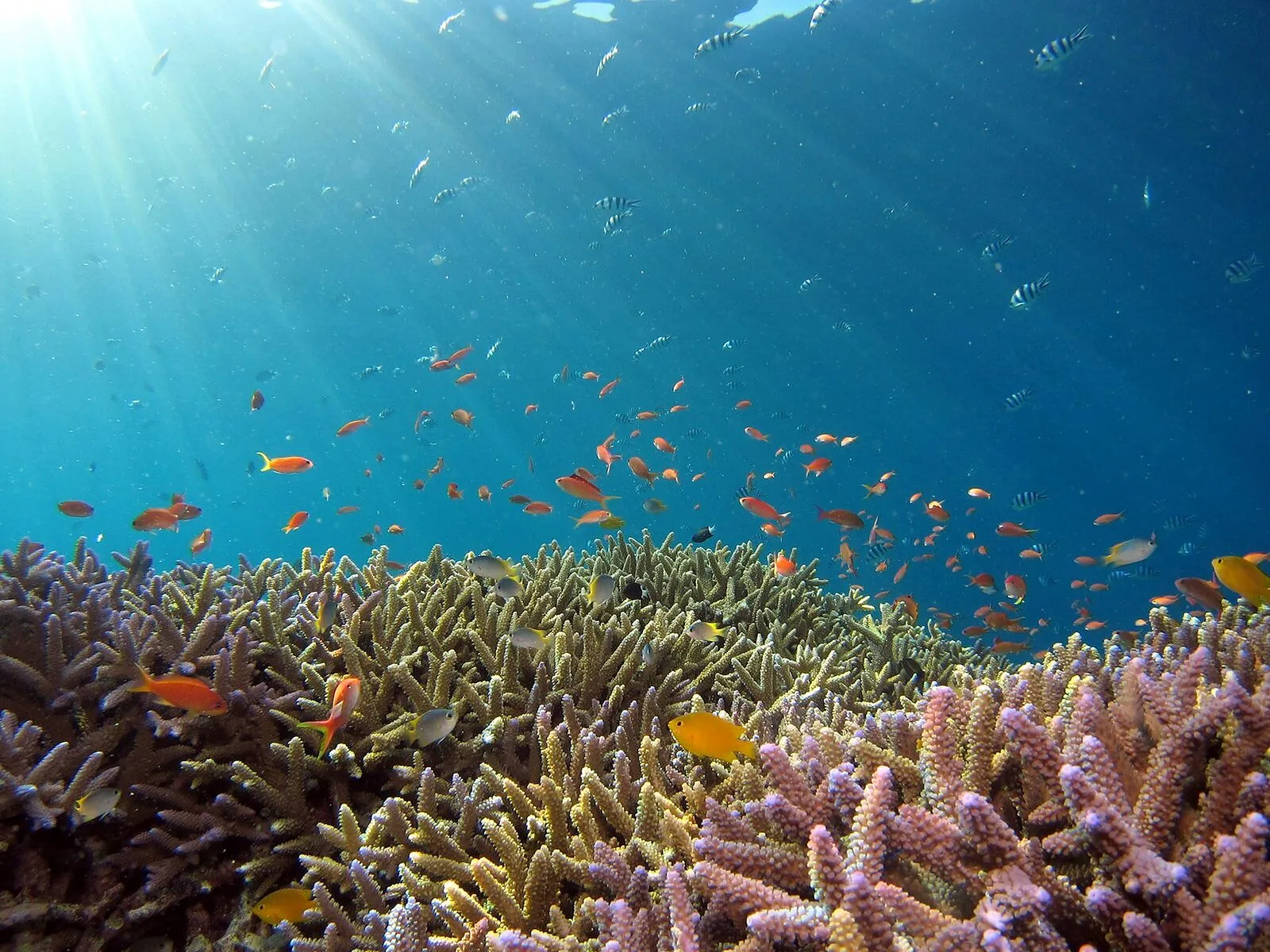
Beyond the magnificent whale sharks, Djibouti's reefs are teeming with a diverse array of marine life. You'll find healthy hard and soft coral gardens, home to vibrant reef fish like parrotfish, angelfish, butterflyfish, and various species of groupers and snappers. Moray eels are commonly seen peeking out from their crevices, and keep an eye out for octopus and cuttlefish subtly changing colors. The volcanic origins of the region also create dramatic underwater landscapes with intriguing swim-throughs and walls.
While whale sharks are the undisputed stars, pelagic encounters don't stop there. You might spot various species of reef sharks, including whitetips and blacktips, patrolling the outer reefs. Eagle rays and stingrays are frequent visitors gliding just above the sandy bottoms. For those with a keen eye for macro life, there's plenty to discover too: nudibranchs, flatworms, and various crustaceans hide amongst the corals. The combination of healthy reefs, dramatic topography, and the seasonal aggregation of whale sharks makes January an unforgettable time to dive here.
Top dive sites this month
When you're diving in Djibouti in January, your liveaboard itinerary will almost certainly focus on the iconic Bay of Ghoubbet and the Seven Brothers Islands (also known as Sawabi Islands). The Bay of Ghoubbet is simply non-negotiable for whale shark encounters. Its nutrient-rich waters attract the juvenile whale sharks, making it the primary location for your snorkeling safaris with these magnificent creatures. Within the Bay, spots like the "Whale Shark Nursery" offer consistently good opportunities.
The Seven Brothers Islands, a volcanic archipelago, offer some of Djibouti's most spectacular reef diving. Dive sites like "The Dalley" boast incredible walls covered in vibrant soft corals, teeming with schools of barracuda, snapper, and potential encounters with reef sharks and even sometimes larger pelagics passing through. "Passage de la Faille" offers dramatic topography and a strong current that can bring in larger species. "White Lady" is another gem, known for its pristine corals and diverse reef fish. These islands are exposed to the open ocean, providing nutrient-rich currents that nurture thriving ecosystems and offer opportunities for more advanced drift dives.
Practical tips for your trip
Given the comfortable water temperatures of 26-28°C in January, a 3mm shorty wetsuit or even just a rash guard will likely be sufficient for most divers. If you tend to get cold easily or plan on doing multiple dives a day, a full 3mm wetsuit would provide that extra bit of warmth and sun protection. This month is fantastic for both experienced divers and those new to liveaboard diving. The generally calm conditions and crystal-clear visibility make it very accommodating, while the drift dives around the Seven Brothers Islands offer plenty of excitement for the more advanced.
Liveaboard availability can be competitive in January because it's peak whale shark season, so booking well in advance (6-12 months) is highly recommended to secure your preferred boat and itinerary. What to pack? Besides your standard dive gear and swimwear, light, breathable clothing for surface intervals, reef-safe sunscreen, a good hat, and polarized sunglasses are essentials. A travel adapter (Type C/E/F sockets) and insect repellent can also come in handy. Be aware that most of your time will be spent on the liveaboard, with limited opportunities for shore excursions, so embrace the 'eat, sleep, dive' routine! Also, remember that whale shark encounters are snorkeling-based, so be prepared to spend time in the water with your mask, snorkel, and fins. While sightings are highly probable, they are wild animals, and guaranteed encounters can never be promised, but January has the highest success rate.
Year-round overview for Djibouti
Frequently asked questions
Is January a good month to dive in Djibouti?
What can you see diving in Djibouti in January?
Should I book a Djibouti liveaboard for January or wait?
Find a liveaboard for January
Compare available Djibouti liveaboards departing in January.
Search and Book