Conditions in January
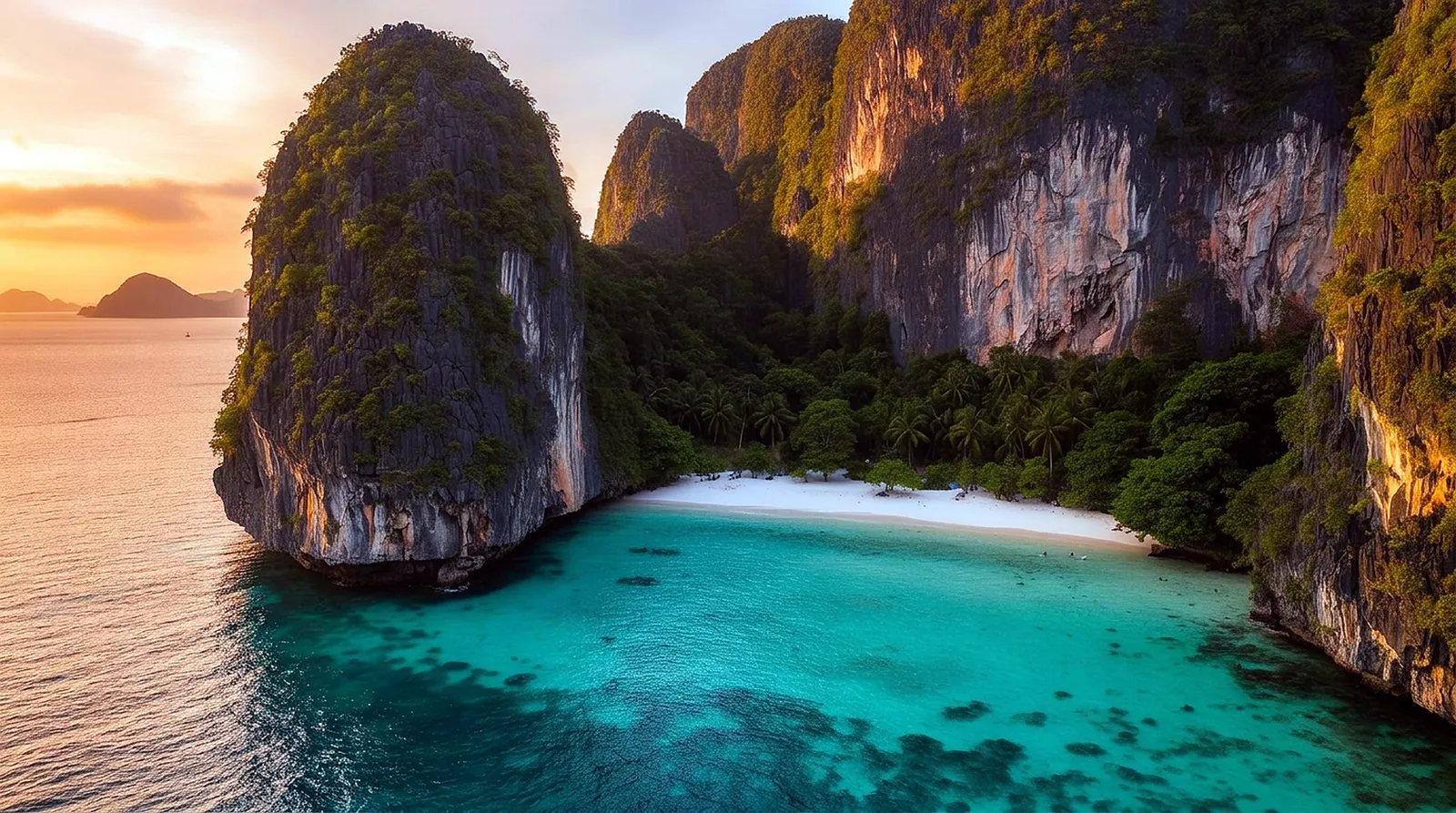
So, you’re thinking about diving Thailand in January? Great choice! This is arguably one of the best times to experience the Andaman Sea’s underwater wonders. You’re looking at what the locals call the "dry season" – meaning glorious sunshine, calm seas, and an all-around fantastic atmosphere for a dive trip. Forget about monsoons; January offers consistent, settled weather patterns, making boat journeys smooth and enjoyable, whether you’re heading out for a day trip or embarking on a multi-day liveaboard adventure.
Water temperatures hover consistently around a comfortable 27-29°C (81-84°F). This means you won’t be shivering between dives, and a 3mm shorty or even just board shorts and a rash vest will suffice for most divers. If you tend to get cold easily or plan on multiple dives a day, a full 3mm wetsuit might be a good idea for extra comfort. Visibility is generally excellent across the Andaman Sea during January, often reaching 20-30 meters (65-100 feet) or more, especially around the Similan and Surin Islands. This crystal-clear water truly enhances the diving experience, allowing you to see the vibrant coral gardens and marine life in all their glory.
Currents are typically mild to moderate in January, which is ideal. While you’ll often encounter gentle drifts that carry you effortlessly along the reefs, stronger currents can sometimes be present at exposed sites or during new and full moon phases. Always pay attention to your dive briefing, and your dive guide will ensure you’re always in the right place at the right time to enjoy the drift, or avoid any strong surge. It’s part of the adventure, after all!
What you will see
January in Thailand’s Andaman Sea is synonymous with big pelagic encounters. This is prime time for manta rays, especially around the Similan and Surin Islands, with their dedicated cleaning stations attracting these majestic creatures. Picture yourself gliding alongside a graceful giant whose wingspan can be several meters wide – it’s an awe-inspiring experience that many divers dream of. While not guaranteed, the chances of encountering whale sharks are also significantly higher during January, particularly further north towards Richelieu Rock and Koh Tachai. These gentle giants, if you’re lucky enough to spot one, provide an unforgettable memory, slowly cruising past, seemingly unfazed by your presence.
Beyond the headline acts, the abundance of marine life is truly astounding. Reef sharks, including leopard sharks and white-tip reef sharks, are common sights, often found resting on sandy patches or cruising the reef edges. Barracuda schools swirl in mesmerizing tornadoes, while large trevallies hunt tirelessly. The vibrant hard and soft coral gardens are teeming with a kaleidoscope of reef fish – parrotfish, angelfish, butterflyfish, and clownfish in their anemone homes. Keep an eye out for curious turtles gliding through the water or munching on corals.
And if macro life is your passion, don't worry, Thailand delivers year-round. Nudibranchs in every imaginable colour, camouflaged frogfish, seahorses, pipefish, and various shrimp species can be found meticulously hidden amongst the corals and rocks. While the focus in January often shifts to the larger pelagics, the sheer biodiversity on display means there’s always something new and fascinating to discover, whether you’re exploring a shallow reef or a deeper pinnacle. The combination of clear waters and prolific life makes for incredible photography opportunities.
Top dive sites this month
For a January dive trip to Thailand, you absolutely want to focus on the Similan and Surin Islands National Parks, which are typically only open from November to May. The crown jewel here is undoubtedly Richelieu Rock, an isolated pinnacle often listed among the world's top dive sites. In January, this horseshoe-shaped rock is an epicentre for whale shark and manta ray sightings, alongside schooling barracuda, trevallies, and an insane density of macro life. The diversity here is mind-boggling – from tiny seahorses to enormous pelagics, it’s a site that constantly delivers.
Nearby, Koh Tachai Pinnacle (now accessible again) is another must-visit, renowned for its strong currents which bring in large pelagic species like manta rays, whale sharks (with luck!), and vast schools of fish. The granite boulders of the Similan Islands themselves, particularly sites like "Christmas Point" and "Elephant Head Rock," offer dramatic swim-throughs and vibrant soft coral gardens, making for stunning backdrops to encounters with reef sharks, turtles, and colorful reef fish. Further south, the renowned shipwreck, the King Cruiser Wreck, near Phuket, offers a fascinating artificial reef environment teeming with fish, often best enjoyed when the conditions in January bring good visibility to the area.
Practical tips for your trip
Given the balmy water temperatures in January (27-29°C / 81-84°F), a 3mm shorty wetsuit or even just a rash guard and board shorts will be perfectly adequate for most divers. If you’re prone to getting cold or doing multiple dives over several days, a full 3mm suit might offer a bit more comfort. This month is fantastic for divers of all experience levels. The generally calm conditions and good visibility make it ideal for beginners looking to get certified or gain confidence, while the potential for big pelagic encounters and drift dives at sites like Koh Tachai offers plenty of excitement for advanced divers.
January is peak season in Thailand, so liveaboard availability can be tight, especially for the more popular boats and itineraries venturing to the Similans and Surins. Our strongest advice is to book your liveaboard well in advance – think 6-12 months out if you have specific dates or boats in mind. Last-minute bookings are rarely possible for quality liveaboards during this period. When packing, think light and quick-drying. Besides your dive gear, bring plenty of biodegradable reef-safe sunscreen, a wide-brimmed hat, sunglasses, and a good light for night dives, if your itinerary includes them. Also, remember to bring a certified diving medical and any necessary prescription medications. Be aware that the national parks charge entrance and diving fees, which are usually included in liveaboard packages but worth confirming. Enjoy your incredible Thai adventure!
Year-round overview for Thailand
Frequently asked questions
Is January a good month to dive in Thailand?
What can you see diving in Thailand in January?
Should I book a Thailand liveaboard for January or wait?
Find a liveaboard for January
Compare available Thailand liveaboards departing in January.
Search and Book