Conditions in January
So, you’re thinking about diving Fiji in January, huh? Let’s get straight to it. January falls right in the middle of Fiji’s wet season, which runs from November to April. What does that mean for your dive trip? Well, expect temperatures to be on the warmer side, both above and below the surface. Air temperatures hover around 28-32°C (82-90°F), and the humidity can be pretty high. This is also when tropical depressions and even cyclones are most likely to form, so keep an eye on weather forecasts as your travel date approaches. Don't let that deter you completely, though; not every January brings a storm, and settled periods can be absolutely glorious.
The water temperature is wonderfully warm, typically around 28-30°C (82-86°F), so you might find yourself needing less thermal protection than at other times of the year. Visibility, however, can be a bit more variable compared to the dry season. Rainfall can lead to runoff from land, reducing visibility in coastal areas or near river mouths, though offshore reefs often remain crystal clear. Expect visibility to generally range from 15-30 meters (50-100 feet), with some days offering even better. Currents are largely dependent on the moon phase and local topography, rather than being seasonally consistent in January, so you'll experience everything from gentle drifts to exhilarating rips, just like any other time of year.
What you will see
January in Fiji, despite being the wet season, can be a fantastic time for marine encounters, especially if you're keen on pelagics. While some might shy away from the wet season, the warmer waters can actually bring in some incredible visitors. Many species of reef sharks, including Grey Reef Sharks, White-tip Reef Sharks, and Black-tip Reef Sharks, are a constant presence throughout the year, but the active current systems during this period can make for exciting shark action on exposed reefs. If you’re lucky, you might even spot the occasional Hammerhead in deeper areas, though they are less predictable here than in places like the Galapagos.
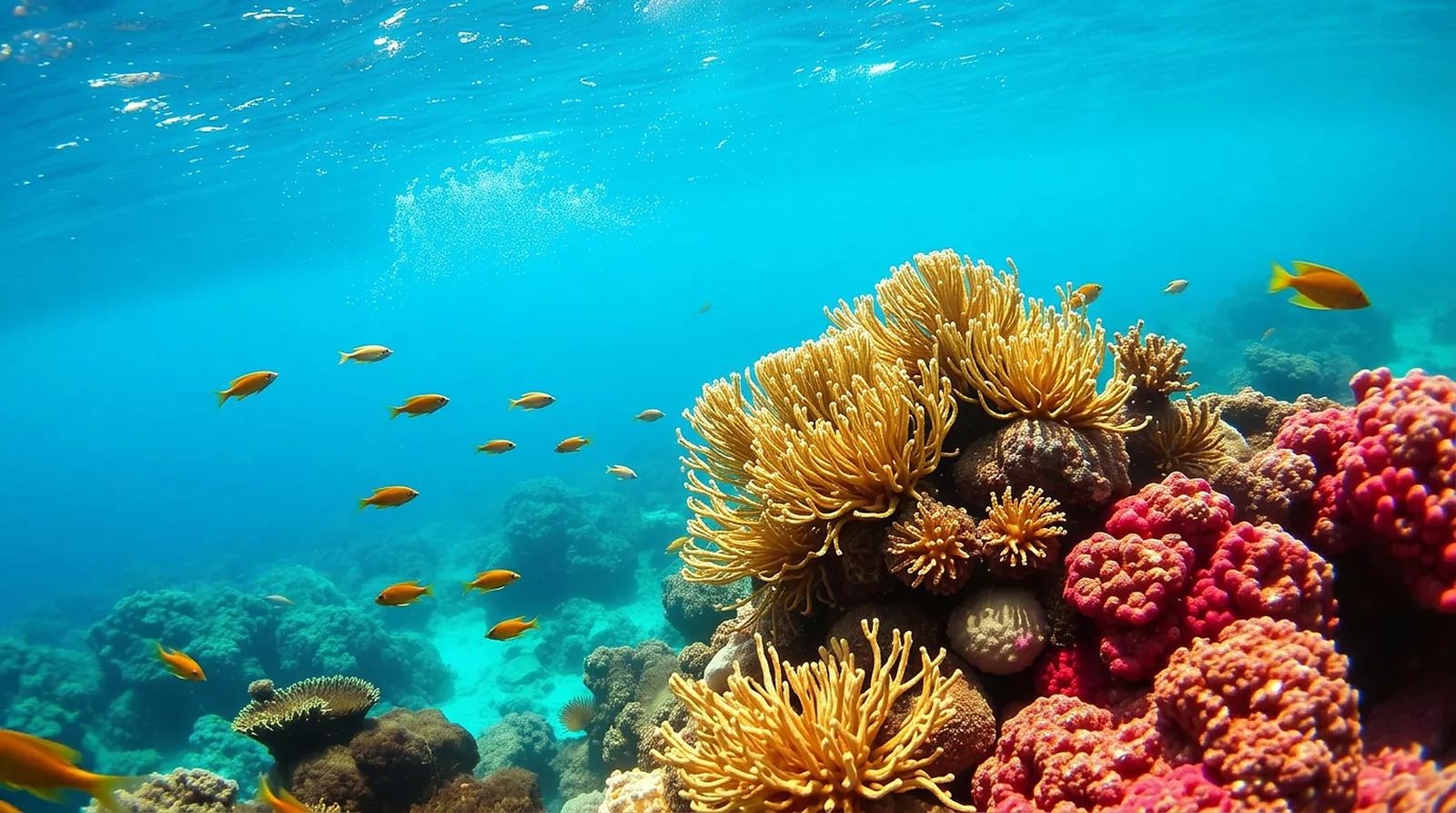
Manta rays are also around, particularly in known cleaning stations, though their numbers aren't as consistently high as the dry season aggregations in specific locations. Keep your eyes peeled, as they are opportunistic visitors. January is also a prime time for spotting various schooling fish, with enormous aggregations of Jacks, Barracuda, and Snapper making for breathtaking dives, especially around pinnacle dives and outer reef walls. And don't forget the incredible coral reefs themselves; Fiji lives up to its "Soft Coral Capital of the World" moniker, with vibrant hard and soft coral gardens exploding in color. Macro life is always a treat, with nudibranchs, leaf fish, and various crustacea offering endless photographic opportunities if you take your time to look closely.
Top dive sites this month
When you're braving the Fijian wet season in January, some spots really stand out. The Bligh Water, particularly the area around Vatu-i-Ra Passage, is an absolute must. This region is renowned for its nutrient-rich currents that feed spectacular soft coral gardens and attract a huge diversity of marine life. Sites like Nigali Passage in Gau, though a commitment to reach, are legendary for their consistent shark action, including Grey Reef Sharks, and impressive schooling fish. The currents here are often strong, making for exhilarating drift dives, but they are also what brings in the big stuff.
Another excellent choice, especially for those who love vibrant soft corals, is the Rainbow Reef in the Somosomo Strait between Taveuni and Vanua Levu. Dive sites like the Great White Wall, adorned with its famous white soft corals, truly live up to the hype. While the visibility might not always be at its absolute peak in January compared to the dry season, the sheer density and health of the coral, coupled with abundant reef fish, still make it an unforgettable experience. These sites, located further offshore, are generally less impacted by coastal runoff and offer some of Fiji's most iconic diving experiences, even during the wet season.
Practical tips for your trip
Considering the warm water temperatures of 28-30°C (82-86°F), a 3mm shorty wetsuit or even just a rash guard will likely be more than enough thermal protection for most divers. If you tend to get cold easily, a full 3mm suit will offer extra protection and also guard against any accidental scrapes with the coral. January diving in Fiji is generally suitable for experienced divers due to the potential for stronger currents, especially at prime pelagic sites like Nigali Passage. While many sites are accessible to beginners, some of the more renowned areas require good buoyancy control and comfort with drift diving.
Liveaboard availability in January can be a mixed bag. Some operators might choose to undergo maintenance during the wet season, while others will be running trips with potentially fewer guests, offering a more intimate experience. It’s always best to book well in advance, and definitely inquire about their hurricane season policies. Packing-wise, think light and breathable clothing for topside, plenty of reef-safe sunscreen, a good wide-brimmed hat, and insect repellent (especially for evenings). Be aware that flight schedules might be occasionally disrupted by weather during this period, so a flexible attitude and comprehensive travel insurance are your best friends. Ultimately, heading to Fiji in January offers the chance to dive some of the world's most spectacular reefs with fewer crowds, provided you're prepared for the tropical climate.
Year-round overview for Fiji
Frequently asked questions
Is January a good month to dive in Fiji?
What can you see diving in Fiji in January?
Should I book a Fiji liveaboard for January or wait?
Find a liveaboard for January
Compare available Fiji liveaboards departing in January.
Search and Book